Impact of Industrialization on Water Quality and Environment
- Published:
- Updated: July 11, 2025
Listen to this article
Summary
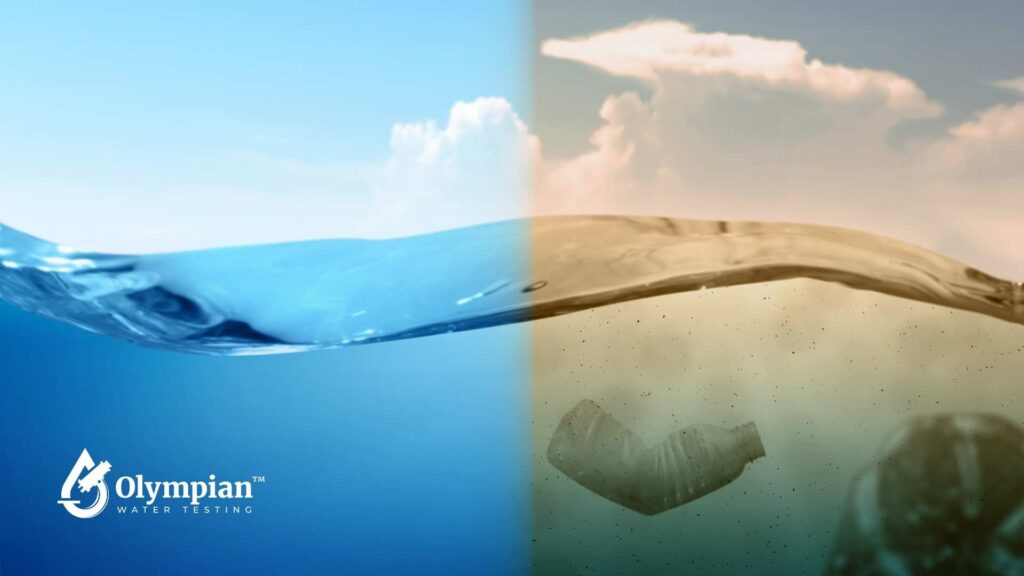
Industrialization has significantly impacted water quality and the environment, leading to the release of harmful pollutants into water bodies. Key pollutants such as heavy metals (cadmium, lead, mercury) and chemicals from industrial activities accumulate in aquatic ecosystems, causing detrimental effects on biodiversity, human health, and the environment. As a result, aquatic ecosystems suffer from the depletion of oxygen and loss of biodiversity, with about half of freshwater species facing extinction due to pollution and habitat loss.

As experts, we’ve seen how industrial activities harm water quality. They release harmful chemicals and waste into our waterways. This makes the water very bad for us and the environment. Additionally, it is crucial to understand industrialization’s effect on water quality, as polluted water can lead to serious health issues for both humans and aquatic life. The long-term consequences of contaminated water sources can destabilize ecosystems and disrupt local communities’ access to clean drinking water. Addressing these challenges requires both stringent regulations and innovative solutions to minimize the release of pollutants into our precious water resources.
These pollutants, like lead and mercury, build up in the food chain. They can hurt the health of animals at the top of the food chain.
Industrial activities also add too many nutrients to the water. This causes algae to grow too much and takes away oxygen. This creates "dead zones" where nothing can live.
We think it’s key to understand how industrial activities pollute our water. This knowledge helps us fight environmental damage and keep our water clean.
Understanding Industrialization and Water Pollution: A Modern Crisis
Industrial activities are a big problem for water pollution. They release harmful chemicals and heavy metals into our water. It’s very important to have rules and watch over these activities closely. Without proper regulation, the consequences can be devastating for aquatic ecosystems and public health. Industrial pollution impacts water quality, leading to hazardous conditions for marine life and communities relying on clean water for drinking and recreation. Implementing stricter guidelines and monitoring systems is essential to mitigate these detrimental effects and protect vital water resources.
Every year, up to 500 million tons of harmful substances are dumped into our water. This shows we really need strong rules and to enforce them.
We, as experts, think we need a big plan to fix water pollution. We want stricter rules and better ways for industries to work. Water pollution hurts people and the planet a lot.
More than 1 billion people don’t have safe drinking water. And thousands die from water-related illnesses every year. We aim to help make the world a safer, healthier place.
It’s key for governments and industries to work together on this. We need everyone to help find and use good solutions. By doing this, we can make the future better for everyone.
We want to help by providing accurate water tests. We also want to teach people about water safety and following the rules. Our goal is to make the world a safer, healthier place for everyone.
Global Water Pollution
- 500 million tons of harmful substances are dumped into water bodies annually due to industrial activities.
- 1 billion people lack access to safe drinking water globally.
- 2 million people die each year from water-related illnesses, highlighting the health risks of polluted water
Impact on Freshwater Species
- Around 50% of freshwater species are at risk of extinction due to pollution and habitat loss
Phosphorus Pollution
- Industrial runoff, including phosphorus, contributes to the creation of "dead zones" in oceans, where oxygen depletion leads to the collapse of marine ecosystems. In the Gulf of Mexico, 5,000 square miles of the ocean have become a dead zone due to excess nutrients
Water Conservation in Industry

- In some sectors, 90% of water used in processes like mushroom composting can be recycled, significantly reducing overall water demand
Major Industrial Pollutants Affecting Water Bodies
Industrial activities release several key pollutants that harm water quality. These include chemicals, heavy metals, and waste products. Heavy metals are very harmful to both human health and the environment.
Chemicals from industrial processes can get into water bodies in many ways. This includes direct discharge and runoff. Heavy metals like cadmium, lead, and mercury are big problems. They stay in the environment for a long time and can build up in living things.
The effects of these pollutants on water bodies are huge. For example, heavy metals can pollute aquatic ecosystems. This harms both human health and the environment. We need to tackle these problems through better regulation and monitoring.
| Pollutant | Source | Impact |
|---|---|---|
| Heavy Metals (e.g., cadmium, lead, mercury) | Industrial processes, waste disposal | Accumulation in living organisms, harm to human health and the environment |
| Chemical Contaminants | Industrial discharge, runoff | Contamination of aquatic ecosystems, harm to human health |
It’s important to know where these pollutants come from and how they affect us. This knowledge helps us find ways to lessen pollution from industrial activities. It also helps protect our water bodies.
Global Water Pollution: Key Pollutants and Their Impact
| Pollutant | Source | Annual Contribution/Volume (Approx.) | Impact |
|---|---|---|---|
| Plastic Waste | Industrial, residential, commercial | 8 million metric tons enter oceans annually | Affects marine life, entering the food chain |
| Heavy Metals (e.g., Lead, Mercury) | Industrial discharges, mining | Lead: 10,000 metric tons per year (est.) | Bioaccumulation, harm to aquatic organisms and human health |
| Nutrient Pollution (e.g., Nitrogen, Phosphorus) | Agricultural runoff, wastewater discharge | 200 million metric tons of nitrogen enter water annually (global) | Eutrophication leading to algal blooms, hypoxia, and dead zones |
| Untreated Sewage | Inadequate wastewater treatment | 80-90% of sewage is untreated in developing regions | Pathogens contaminate water, causing waterborne diseases |
| Microplastics | Breakdown of plastics, industrial processes | 4.9 million metric tons of microplastics enter oceans each year | Ingestion by aquatic organisms, affecting the food chain and biodiversity |
| Carbon Emissions (in relation to water pollution) | Industrial combustion, deforestation | 36.3 billion metric tons of CO2 emitted annually worldwide | Acidification of water bodies, affecting aquatic ecosystems |
Impact on Aquatic Ecosystems and Biodiversity

Environmental degradation and pollution harm aquatic ecosystems a lot. Too many nutrients and less oxygen upset the balance. This leads to a loss of biodiversity. We must protect these ecosystems to keep water quality good and support life.
Pollution affects aquatic life a lot. Waste from homes and animals lowers oxygen levels. This hurts water quality and harms many species. Heavy metals in water also harm plants and crops.
About half of freshwater species face extinction due to pollution and habitat loss. We need to act fast to save these ecosystems.
Pollution in water comes from many sources like factories, farms, and homes. The use of too many chemicals pollutes water sources. We must use sustainable methods and manage water better to protect these ecosystems.
Sustainable Industrial Practices and Water Conservation
We know how vital it is to use sustainable methods and save water in industrial settings. As experts, we stress the importance of green manufacturing, water treatment advancements, and corporate responsibility. These steps help lessen the harm of industrial activities on water pollution.
Water-saving practices can cut down on water use and lessen pollutants in wastewater. For example, recycling water in mushroom composting cuts outside water use by over 90%. Also, storing roof water properly is key during droughts. It helps keep food production going and keeps ecosystems balanced.
Green Manufacturing Technologies

Green manufacturing technologies are key to lowering industrial environmental impact. Using green chemistry can reduce waste and pollution. Also, water-saving devices help cut down water use and pollutants.
Water Treatment Innovations
Water treatment innovations are vital for cleaning wastewater. They remove solids, organic matter, nutrients, metals, and pathogens. Yet, many city water systems can’t handle microplastics, showing the need for better tech.
Corporate Environmental Responsibility
Corporate environmental responsibility is key for sustainable industrial practices. Companies must focus on water conservation and use eco-friendly tech. By doing community audits, they can better manage water and follow rules.
The Role of Government and Industry
Water quality is something that the state and industry can both do a lot of. There are regulations and monitoring programmes that can be introduced by governments to ensure that industrial processes don’t pollute the environment, and research and monitoring funds. Even industries can mitigate their effects by taking measures such as best management practices (using green technologies and limiting their toxic chemicals).
Moreover, companies can be the conservation and protection of water, as well, by adopting new technologies and practices that minimise their environmental footprint. There are, for instance, some industries that have water recycling systems, which saves water and does not demand fresh water. Other companies have created new ways to reduce pollution out of the environment — closed-loop technology that stops harmful chemicals from leaching into the environment, for example.
Conclusion: Balancing Industrial Progress with Environmental Protection

The fast growth of industry has brought us economic success but also harmed our environment. We see more carbon dioxide, polluted water, and lost habitats. Now, we must find a way to keep growing while protecting our planet.
Everyone has a part to play in making things better. Governments, companies, and individuals need to use green practices and new ideas. Laws should encourage using clean technologies and managing resources wisely. Companies should focus on being green and investing in clean ways to make things. And we can all make choices to help the environment.
By focusing on both growth and nature, we can keep our ecosystems healthy and support our economy. This won’t be simple, but it’s essential for our planet’s future. With determination, creativity, and teamwork, we can build a greener world that’s good for everyone.
Protect Your Health: Schedule a Water Test Today
If you live in an industrial area in New York, New Jersey, or Connecticut, your water may be at risk of contamination from harmful pollutants like heavy metals, chemicals, and microplastics. These pollutants can have serious long-term health effects on you and your family. Don’t wait—schedule a comprehensive water test today to ensure the safety and quality of your drinking water. Our expert team uses advanced testing methods to detect a wide range of contaminants. Take control of your water quality and give your family peace of mind. Contact us now to book your water test!
Shedule Your Test Now!
Share this on social media:
Facebook
Twitter
LinkedIn