Extending the Life of Your Water System through Consistent Maintenance
- Published:
- Updated: November 15, 2024
Listen to this article
Summary
Regular maintenance of water systems is vital for longevity and efficiency, preventing costly repairs and health hazards.
- Regular maintenance extends system life, saving money and ensuring reliability.
- Common problems like leaks and low pressure can be prevented with inspections and basic upkeep.
- Hiring professionals for complex tasks and following best practices ensures proper maintenance, avoiding health risks and environmental harm.

Water systems are part of everyday life, and they provide us with pure and safe water. But as with every mechanical system, water systems need routine care to stay working at maximum efficiency. With the help of routine maintenance and upkeep, such as drain cleaning and pump maintenance, filters and so on, individuals can save their water system from costly replacements. Regular maintenance can also be a way to detect any potential issues at an early stage so you can take necessary action to correct them and get a continuous, safe supply of water for the next many years.
Why is regular maintenance important for water systems?
Water systems are complex, with many parts such as pipes, pumps, valves and filters. Those parts can rust, become blocked or leaky and eventually contaminate, which can cause a leak, low pressure and even sludge. They can be avoided with maintenance, and the water will keep working as well.
Regular maintenance will give your water supply a long life and you can save money. : Repairs and replacements are expensive, the earlier you notice an issue, the cheaper and faster it will be resolved. With regular maintenance, you also eliminate health risks like contaminated water or bad bacteria, since you are assured the filtration system is running.
Common Problems with Water Systems and How to Prevent Them

Water system can get several issues ranging from leaks, low water pressure and blocked pipes. – To avoid this, keep it checked and maintained on a regular basis, such as identifying leaks, rinsing the filters, tightening loose connections, etc.
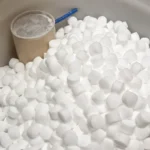
Another problem is mineral stains that block pipes and cut off the flow. This can be averted by using a water softener or cleaning the deposits with descaling agent.
Also be on the lookout for any corrosion, as it can make pipes warp and leak. In order to prevent corrosion, make sure to use corrosion-resistant pipes and do not clean with acidic cleaners.
The Benefits of Hiring a Professional for Water System Maintenance
You can even perform basic maintenance yourself, but you’ll want to call a specialist for more involved jobs and inspections. The plumber can not only provide you with the knowledge and equipment to figure out the cause of any issues with your water system, they can also give you some suggestions on how to maintain it in good working order.
Working with a professional also makes the repairs right since small faults can lead to big consequences. For instance, if a leak doesn’t get fixed right away, you might end up with water damage and mold growth which is expensive and can also be harmful to your health.
How can one conduct a self-inspection of their water system?
While it’s recommended to hire a professional for more complex tasks, there are several basic maintenance tasks that you can conduct on your own. These include
- Checking for leaks Look for any signs of water damage, such as water stains on the walls or ceilings, and listen for any sounds of running water.
- Cleaning filters Regularly clean the filters in your water system, as a clogged filter can reduce water flow and even contaminate the water.
- Tightening connections Check the connections between pipes and fittings and tighten any that are loose.
- Testing water pressure Use a water pressure gauge to test the water pressure in your system, as low water pressure can indicate a problem with the pump or pipes.
Essential Maintenance Tasks for Water Systems
The essential maintenance tasks for water systems include flushing the pipes, replacing filters, descaling, corrosion protection, and checking for leaks. Flushing the pipes helps to remove mineral deposits, which can clog pipes and reduce water flow. Replacing filters regularly is important because a clogged filter can reduce water flow and even contaminate the water. Descaling helps to remove mineral deposits from pipes, pumps, and valves, and corrosion protection helps to prevent corrosion and leaks by using corrosion-resistant materials and avoiding acidic cleaning solutions. Checking for leaks is important because it helps to detect and repair leaks before they cause water damage and mold growth.
By performing these essential maintenance tasks, you can ensure that your water system continues to function at its best and prevent costly repairs and health hazards.
What are the best practices for water system maintenance?
To ensure that your water system continues to function at its best, it’s important to follow best practices for maintenance. These include
- Regular inspections Conduct regular inspections to detect any problems with your water system, such as leaks or clogged pipes.
- Professional maintenance Hire a professional for complex tasks and inspections to ensure that the maintenance is done correctly.
- Regular cleaning and replacements Regularly clean filters and replace them when necessary to prevent clogs and contamination.
- Prevention Take steps to prevent problems, such as using corrosion-resistant materials and avoiding acidic cleaning solutions.
The Impact of Neglecting Water System Maintenance on Your Health and the Environment
Inadequate water system maintenance is bad for your health and the environment. For instance, a blocked filter can make your water dirty, which can harm you like diarrhea, etc. If you have a pipe leak then you can get water damage, mold and this will make you unhealthy.
Additionally, failure to maintain water systems can affect the environment too, as water can be wasted and even polluted. Water, for instance, may leak into the pipes, not only being a waste but also adding to the burden of water already stretched resources.
Cost-Effective Solutions for Maintaining Your Water System over the Long-Term
Water System Maintenance might be a costly and time-consuming process, but there are some affordable solutions available to you. These are regular maintenance, contracting a professional, and buying greener products. Keep the water well maintained as much as possible so that the system will last long and save you money on repairs. Having someone out to do the complicated work and inspection will save you in the long run since the work will be performed correctly. Consider purchasing water efficient items like low-flow showerheads and toilets to eliminate water wasting and save on your water bill.
Follow these easy ways to keep your water system running efficiently and effectively for a very long time and spend less.
Share this on social media:
Facebook
Twitter
LinkedIn

Related Posts