The Difference Between Hard and Soft Water
Water flowing through your pipes can be either hard or soft. The main difference lies in the mineral content, mainly calcium and magnesium. Knowing the difference is key to understanding its impact on your skin, hair, and appliances.
Mineral Content in Hard Water
Hard water has high levels of dissolved minerals, like calcium and magnesium. These minerals are picked up as water moves through the ground. About 85% of U.S. water is hard, with more than 7.5 grains per gallon of minerals. Soft water, on the other hand, has less than 7.5 gpg of minerals.
These minerals can cause problems at home. For example:
- They can clog plumbing and appliances
- Scale buildup increases energy use
- Appliances may last up to 30% less due to hard water
Effects of Hard Water on Skin and Hair
Hard water is safe to drink but can harm your skin and hair. The minerals in hard water leave a residue that builds up. This can lead to dull hair and dry, itchy skin.
Some people may experience:
- Dull, greasy hair and dry, itchy skin
- Worsening of eczema and early onset of atopic skin conditions
- Skin irritation or worsening of eczema in sensitive individuals
The table below highlights the main differences between hard and soft water:
| Characteristic | Hard Water | Soft Water |
|---|---|---|
| Mineral Content | >7.5 gpg (calcium, magnesium) | <7.5 gpg |
| Scale Formation | Leads to limescale buildup | Minimal to no scale formation |
| Soap Interaction | Creates soap scum, requires more soap | No soap scum, reduced soap usage |
| Skin & Hair | Can cause dryness, irritation, and worsening of conditions | Gentler on skin and hair |
| Appliance Lifespan | Reduced by up to 30% due to scale buildup | Improved lifespan and efficiency |
Using methods to remove hardness can prevent scale buildup. This improves soap and detergent effectiveness and makes water gentler on skin and hair. Yet, it’s important to consider sodium content and environmental impact when choosing a method.

Chlorine and Its Impact on Shower Water
Chlorine is a common disinfectant in U.S. municipal water supplies, aimed at protecting consumers from harmful pathogens and bacteria. While it ensures our drinking water’s safety, it can have unintended effects on our daily showers.
Chlorine as a Disinfectant in Municipal Water Supplies
Water treatment facilities use chlorine to kill dangerous microorganisms and purify our tap water. Almost all local water supplies in the U.S. contain chlorine, with an average level of about 0.5 mg/L in the UK. This widespread use has significantly reduced waterborne illnesses, ensuring public health.
Potential Irritations Caused by Chlorine
Regular exposure to chlorinated water can cause skin irritations. Chlorine dries out the skin, leading to itchiness, redness, and flakiness. It also disrupts the skin’s natural oils, affecting its moisture barrier. Eye irritation can occur if chlorine contacts the eyes during a shower.
Those with sensitive skin or conditions like eczema and psoriasis are more affected by chlorine. Its drying and irritating properties can worsen symptoms, causing painful flare-ups and discomfort.
Chlorine’s Effect on Skin Conditions
For individuals with eczema or psoriasis, chlorinated water’s impact is significant. These conditions already cause dry, itchy, and inflamed skin. Chlorine can further disrupt the skin’s natural balance, increasing inflammation and weakening the moisture barrier.
| Skin Condition | Chlorine’s Impact |
|---|---|
| Eczema | Dries out skin, causes itching and redness, triggers flare-ups |
| Psoriasis | Aggravates symptoms, increases inflammation, disrupts skin’s moisture barrier |
To reduce chlorine’s effects on sensitive skin, using a shower filter can help. Regularly testing shower water for chlorine content is also beneficial. This ensures chlorine levels are safe, promoting healthier skin and overall well-being.
Hard Water’s Indirect Effects on Skin and Hair
Hard water’s impact on your skin and hair is more than just unsightly limescale deposits and mineral stains. The high mineral content, mainly calcium and magnesium, interacts with soap and shampoo fatty acids. This interaction reduces their ability to lather effectively.
As a result, you’ll need to use more of these products to clean properly. This can expose your skin and hair to more chemicals than needed. Hard water can also reduce water flow by 15% in pipes over time. Households in hard water areas may spend up to $500 annually on cleaning appliances and plumbing.
Limescale Deposits and Mineral Stains
Hard water’s classification is based on its calcium carbonate (CaCO₃) concentration. The table below shows the different levels of water hardness:
| Water Hardness Level | Calcium Carbonate Concentration (mg/L) |
|---|---|
| Soft | 0 to 60 |
| Moderately Hard | 61 to 120 |
| Hard | 121 to 180 |
| Very Hard | More than 180 |
Reduced Lathering of Soap and Shampoo
Minerals in hard water significantly affect soap and shampoo lathering. Hard water requires about 30% more soap or detergent for the same cleaning as soft water. This increases product usage and costs, leaving a residue on skin and hair after showering.
Soap Residue and Its Consequences
Soap scum and mineral deposits on your skin can cause irritation, dryness, and itchiness. Long-term exposure can worsen skin conditions like eczema, affecting 40% of sensitive skin individuals. Hair washed in hard water may appear dull and damaged due to mineral buildup.
To combat hard water’s effects, consider a water softener system or specialized products. Reducing mineral content in your water can protect your skin and hair from soap scum and mineral deposits.
Benefits of Complete Home Filtration
Seeking a way to enhance your shower experience? A complete home water filtration system is the solution. It tackles both hard water and chlorine problems, improving water quality everywhere in your home.

A chlorine filter can cut down chlorine by-products by up to 98.5%. A hard water filter prevents mineral buildup and staining. Switching to filtered water brings many benefits, such as:
- Less skin dryness and irritation
- Longer-lasting hair color
- Reduced need for moisturizers, soap, and conditioner
- Improved taste of beverages and dishes prepared with filtered water
- Significant reduction in calcium buildup on shower screens and fixtures
Complete home water filtration systems also protect your appliances from calcium damage. This saves money and reduces waste in landfills.
| Contaminant | Reduction Percentage |
|---|---|
| Chlorine by-products | 98.5% |
| Metals, bacteria, sediments | Up to 99% |
| Dissolved solids (with reverse osmosis) | Up to 99% |
Investing in a complete home filtration system means high-quality water at every tap. It also helps clean the water table by reducing chemical use. Enjoy the benefits of filtered, softened water and see the positive impact on your daily life.
Adjusting to the Feeling of Soft Water
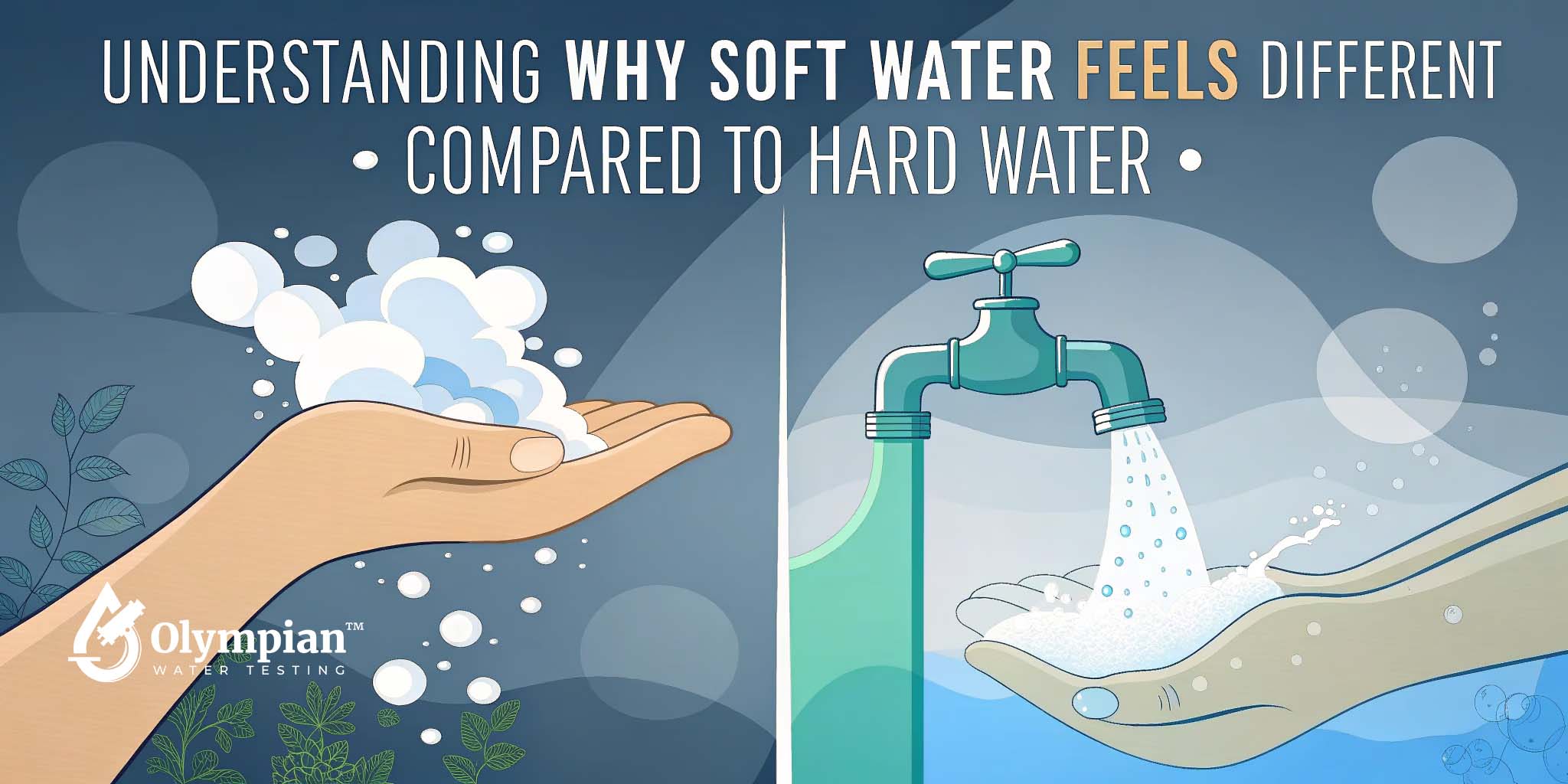
Switching from hard to soft water can be quite a shock, mainly when showering. Those used to mineral-rich water may find soft water’s feel odd and even uncomfortable at first. The lack of calcium and magnesium in soft water makes the skin feel slippery or slimy.
The Slippery Sensation
The soft water sensation comes from the water softening process. It replaces hard minerals like calcium and magnesium with sodium or potassium ions. This change reduces mineral levels, making water less abrasive on the skin. You might notice less skin friction, which can take some time to get used to.
Recent studies show that soft water can make soap lather better, creating richer foam and needing less soap. Yet, very soft water can make rinsing off soap hard, affecting soap lathering by about 30%.
Why Soft Water Feels Different
The slick feeling of soft water comes from the lack of calcium and magnesium, not impurities. These sodium ions replace hard minerals, lowering water hardness by up to 90%. This change in mineral content is what makes your skin feel different, a common experience for those new to soft water.
It’s interesting to note that the soft water sensation might feel odd at first but is gentler on your skin and hair. People using soft water often say it’s less irritating than hard water. Studies suggest it can improve skin and hair health by keeping natural oils, potentially reducing skin irritation by up to 40%.
Soft Water Minerals
Hard and soft water differ significantly in mineral content. Soft water contains 0-60 milligrams per liter (mg/L) of calcium carbonate. In contrast, hard water has levels between 121-180 mg/L or more. To soften hard water, a water softening system is used. It removes excess minerals through ion exchange.
Removal of Calcium and Magnesium
Calcium and magnesium are the main causes of hard water. These minerals lead to soap scum and limescale formation. This can cause several problems in homes, such as:
- Reduced efficiency of water heaters and appliances
- Increased soap and detergent usage (up to 30% more)
- Potential damage to hair and skin, causing dryness and irritation
- Faster fading of clothes and reduced lifespan (up to 20% less)
Replacement with Sodium Ions
In salt-based softeners, calcium and magnesium ions are replaced with sodium ions. This effectively removes the minerals causing water hardness. Yet, it increases the sodium content in the water. This might be a concern for those on low-sodium diets.
| Water Hardness Classification | Calcium Carbonate Content (mg/L) |
|---|---|
| Soft Water | 0-60 |
| Moderately Hard Water | 61-120 |
| Hard Water | 121-180 |
| Very Hard Water | 180+ |
For those worried about sodium levels, saltless water conditioners are an option. These systems prevent mineral buildup without adding sodium. Regardless of the choice, regular maintenance is key for optimal performance and system longevity.
Benefits of Soft Water for Skin and Hair
Soft water, with less than 17 parts per million (ppm) of calcium and magnesium, brings many benefits for skin and hair. It keeps the skin’s moisture intact and prevents the loss of essential oils. This helps maintain a healthy, hydrated look.
Healthier Skin
Using soft water helps control oil production, reducing acne and skin irritation. It allows lotions and moisturizers to work better, as they’re not blocked by soap scum. This can clog pores and worsen conditions like eczema. Research shows soft water significantly lowers skin irritation and inflammation, helping those with sensitive skin.
| Skin Condition | Hard Water Effects | Soft Water Benefits |
|---|---|---|
| Dryness and flakiness | Strips natural oils | Preserves moisture levels |
| Acne | Clogs pores | Regulates oil production |
| Eczema | Exacerbates symptoms | Reduces irritation |
| Sensitive skin | Increases inflammation | Minimizes irritation |
Better Lathering and Cleaner Rinsing
Soft water makes soaps and shampoos work better, creating a richer lather and deeper clean. This leads to better moisture retention in skin and hair. It also improves hair softness, reducing damage and breakage, which is great for curly and textured hair.
Installing a professional water softening system can bring lasting benefits. It replaces hard water minerals with non-hardness ions like sodium. This change can lead to healthier, more moisturized skin, stronger and softer hair, and even better nail health. Soft water reduces the brittleness caused by hard water minerals.
Embracing the Water Softener System
Switching to a water softener system can transform your shower, skin, and hair health. The initial soft water sensation might feel unusual, but it signals better hygiene and well-being. Your skin benefits from a natural, effective cleaning without harsh chemicals from hard water.
Getting used to soft water takes a few showers, but most people soon prefer it over hard water. In San Antonio, with its high calcium and magnesium levels, a whole home water softener can:
- Extend the lifespan of appliances and plumbing by preventing scale buildup
- Reduce the amount of soap, shampoo, and detergent needed, potentially lowering household product costs
- Improve lathering ability, leading to a reduction in cleaning product consumption
- Maintain water flow in plumbing by reducing the risk of lime-scale deposits and preventing blockages and corrosion over time
Soft water is also gentler on your skin and hair, preserving natural oils and preventing dryness. You may see healthier, more hydrated skin and thicker, shinier hair due to reduced breakage and mineral buildup.
"Using soft water can reduce the amount of soap, shampoo, and detergent needed, potentially lowering household product costs."
Understanding the science behind water softeners and their benefits helps you fully embrace the change. Enjoy the enhanced cleanliness, comfort, and health benefits of soft water. Give yourself time to adjust, and you’ll find a more refreshing and rejuvenating shower experience.
The Science Behind the Slippery Feeling
Switching to soft water can make your shower feel surprisingly slippery. This sensation is common among those who’ve moved from hard to soft water. It’s a sign that your water softener is working well.
Water softening replaces calcium and magnesium ions with sodium ions, making the water slippery. Ion-exchange devices can reduce water hardness by 94% to 98%. This significantly lowers mineral content in your water.
Preservation of Skin’s Natural Moisture Barrier
Soft water rinses soap and shampoo more effectively, leaving no soap residue on your skin. This thorough rinse helps maintain your skin’s natural moisture barrier. As a result, your skin stays healthier and more hydrated. Hard water, on the other hand, can dry out your skin and cause irritation by stripping away natural oils.
With soft water, you need less soap for a good lather. Hard water minerals react with soap to form scum, leaving a film on your skin and hair. Soft water, by contrast, offers a cleaner, more refreshing shower experience with less product.
| Water Treatment Method | Normalized Scale Formation |
|---|---|
| No treatment | 1.00 |
| Electromagnetic Water Treatment | 0.57 |
| Electrically Induced Precipitation | 0.50 |
| Capacitive Deionization | 0.17 |
| Ion exchange | 0.06 |
| Template Assisted Crystallization | 0.04 |
The table shows how different water treatments affect scale formation. Ion exchange, used in water softeners, significantly reduces scale compared to untreated water.
Long-term Impact of Hard Water on Skin and Hair
Hard water, rich in minerals like calcium and magnesium, can harm skin and hair health over time. It can damage the skin’s natural barrier, causing sensitivity, dryness, and irritation. Research shows that over 50% of people in hard water areas face skin issues like tightness and itchiness. Mineral buildup also makes skin appear dull and rough in up to 70% of cases.
Hard water’s long-term effects on hair are equally concerning. Mineral deposits on the hair shaft block moisture, causing dryness, brittleness, and breakage. This buildup can also speed up hair color fading, affecting up to 60% of color-treated hair. Hard water’s altered pH balance can also lead to dandruff and seborrheic dermatitis in about 25% of individuals.
The weakening of the skin barrier and hair damage from hard water can hasten premature aging signs. The skin’s moisture retention decreases, leading to fine lines and wrinkles in up to 60% of those exposed. To fight these effects, using a water softener and a targeted skincare and haircare routine can help restore skin and hair health.
FAQ
What is the difference between hard and soft water in terms of mineral content?
Hard water is rich in minerals like calcium and magnesium. These minerals are picked up as water flows through the ground. Soft water, by contrast, has these minerals removed. This is done through a process called ion exchange, which replaces them with sodium ions.
How does chlorine in municipal water supplies affect my skin during showers?
Chlorine is used in municipal water to kill bacteria. But, it can irritate your skin, causing redness and itchiness. It can also worsen conditions like eczema and psoriasis, leading to painful outbreaks.
What are the indirect effects of hard water on my skin and hair when showering?
Hard water reduces the lathering of soap and shampoo. This means you need more product, which can irritate your skin. The residue left behind can also cause itchiness and irritation.
How can a complete home filtration system help with the effects of hard water and chlorine?
A multi-stage filtration system can remove minerals and chemicals from your water. This includes calcium, magnesium, and chlorine. By doing so, it ensures your water is soft and pure, improving your shower experience.
Why does my skin feel slimy or slippery after switching to soft water?
The initial feeling of sliminess is due to soft water’s ability to lather better. It rinses off completely, leaving no residue. This is a sign of better hygiene and healthier skin.
What are the long-term benefits of using soft water for my skin and hair?
Soft water preserves your skin’s moisture, leading to healthier, more hydrated skin. It also ensures a thorough rinse, reducing irritation. Over time, it can prevent premature aging and hair thinning caused by hard water.