Examining the Different Forms of Water Contamination and Their Environmental Effects
- Published:
- Updated: December 14, 2024
Listen to this article
Summary
Water contamination takes various forms, including chemical, bacterial, viral, and nutrient contamination, as well as thermal contamination from elevated water temperatures. These contaminants can originate from agricultural activities, industrial operations, household waste, and mining activities.
The environmental effects of water contamination are profound, impacting aquatic life, ecosystems, human health, and the economy. Aquatic life suffers from harm, ecosystems can be disrupted, human health risks increase, and economic activities like tourism and fishing can decline due to contaminated water.

Water is a resource that exists in everything (people, animals, plants). Yet water pollution is now one of the most pressing environmental problems in the world. Knowing the different kinds of water pollution and what affect they have will help in formulating plans to tackle this planetary crisis and save the planet’s resources.
What are the Types of Water Contamination?
Water is contaminated with chemicals when chemical pollutants like pesticides, fertilisers, heavy metals and industrial discharges are brought into waterways. Such chemicals can be harmful to our health, from the smallest of irritated skins to cancer. They also can kill marine life and the food chain as the water they contaminate can end up in our food supply.
Bacterial contamination: Bacteria such as Escherichia coli (E. coli) or Salmonella enter the water supplies. Such a contamination can cause waterborne disease and infection. We also have bacteria contamination from unhygienic sanitation – inadequate treatment of wastewater for example, or agriculture run-off.
Virus contamination is not so different from bacteria contamination except that viruses (like Hepatitis A or Norovirus) are responsible for it instead of bacteria. Virus infection also causes water diseases and infections.
It’s called nutrient pollution (eutrophication), which happens when nutrients (particularly nitrogen and phosphorus) go overboard in waterways. Such nutrients can overflow, causing algal blooms, dilution of oxygen and death to marine animals. Fertiliser pollution comes from agricultural runoff, but also from sewer and septic tank waste.
The temperature of water gets elevated when power plants, factories or other industrial facilities discharge. Such pollution can be harmful to aquatic organisms because so many animals are impacted by changes in water temperature.
Sources of Water Contamination

Aquaculture, agriculture and livestock industries, are major polluters of water. Traps from agricultural activities can transport pesticides, fertilisers and other chemicals to nearby drinking water sources, where they pollute them. Further, manure and other waste products from a farm can leach into water supplies.
Other important water sources are industries like the factories, refineries, and power stations. Such processes can leach chemicals and other pollutants into waterways and pollute them.
Water contamination also happens from household waste (sewage, septic tank effluent). They also pollute water sources nearby if these effluents aren’t cleaned properly.
Coal, metal and even some mining can contaminate water as well. These processes can dump chemicals – heavy metals included – into water bodies, polluting them.
What are the Effects of Water Contamination on the Environment?
- Harm to Aquatic Life: Water contamination can have a significant impact on aquatic life, including fish, amphibians, and other species. Chemicals and pollutants in the water can harm or kill these species, and contaminated water can also affect the food chain, as contaminated water can end up in our food supply.
- Destruction of Ecosystems: Water contamination can also have a negative impact on ecosystems and their delicate balance. For example, nutrient contamination can cause algal blooms, which can lead to oxygen depletion and harm aquatic life. Thermal contamination can also disrupt the balance of ecosystems by causing changes in water temperature that can harm sensitive species.
- Health Risks to Humans: Water contamination can also have serious consequences for human health. Chemicals and pollutants in the water can cause a range of health problems, from mild skin irritation to more serious issues like cancer. Bacterial and virus contamination can also lead to water-borne illnesses and infections.
- Economic Impacts: Water contamination can also have economic impacts, such as decreased property values, decreased tourism, and decreased fishing and hunting opportunities. For example, if a water source becomes contaminated, it may no longer be safe for swimming, fishing, or other recreational activities, which can negatively impact local economies that depend on these activities.
Importance of Clean Water
Access to clean and safe water is essential for human survival and well-being. Clean water is necessary for drinking, cooking, and hygiene, and it is also essential for agriculture and industry. Clean water is also essential for maintaining healthy ecosystems, as contaminated water can harm aquatic life and disrupt the balance of ecosystems.
Prevention and Reduction of Water Contamination
Preventing and reducing water contamination is essential for maintaining the quality and availability of this vital resource. There are several steps that can be taken to prevent and reduce water contamination, including:
- Properly treating and disposing of waste products, such as sewage and septic tank effluent.
- Implementing best practices for agriculture, such as reducing the use of pesticides and fertilizers and implementing conservation practices to prevent runoff.
- Regulating industrial operations to ensure that they are not discharging harmful chemicals and pollutants into water sources.
- Educating the public about the importance of water conservation and the dangers of water contamination.
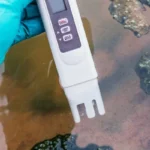
- Monitoring water quality and taking steps to address any contamination that is found.
What are the Roles of Governments and Communities?
Water pollution can and should be prevented and managed by governments and communities. Governments can regulate and enact legislation and rules to limit and eliminate water pollution, and they can fund research and education. It is possible to add this by having the community do their part too, through actions like water conservation and waste disposal.
The Need for Continued Research
Additional research is also required to eliminate water pollution. Finding new and novel forms of contamination in water can lead to innovative ways of preventing and minimising it. When we fund research, we’ll ensure that it remains the best and most accessible thing in the world.
Water pollution is a multi-pronged, societal issue that must be tackled collaboratively and in the fullest. If we act to prevent and reduce water pollution, we can preserve the lifeblood of our planet and preserve its purity and abundance for the next generation.
Share this on social media:
Facebook
Twitter
LinkedIn

Related Posts