Empowering Communities through Citizen Science in Water Quality Surveillance
- Published:
- Updated: November 14, 2024
Listen to this article
Summary
Citizen science empowers communities to monitor water quality effectively, addressing challenges and offering numerous benefits:
- Community involvement: Engaging locals raises awareness and fosters a sense of responsibility.
- Training and support: Providing education ensures accurate data collection and analysis.
- Standardized protocols: Following guidelines ensures reliable and comparable data.

Water is a scarce resource and is a key part of life, so we must continuously keep track of it. But the fact is that not every community, especially rural and poor communities, have the tools and infrastructure to regularly check water quality. Here’s where citizen science can be a big enabler for water quality monitoring.
Citizen science is scientific and popular science conducted by individuals from all walks of life. For water quality monitoring, citizen science can help to gather data and knowledge that will enable communities to act with confidence to manage their water.
The Importance of Water Quality Surveillance
Water is fundamental to human health, and water that is not in proper condition can cause various health problems such as water-borne illness, skin diseases and digestive problems. Bad water can also be environmental, destroying aquatic life and animals and destabilising ecosystems.
Chemical, physical, biological and biological pollutants influence water quality. They can be sourced from various places: from farm drainage, sewage effluent and industrial effluent.
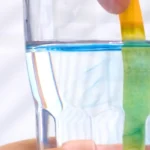
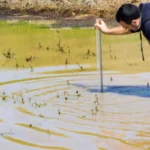
Our water has to be regularly monitored to make sure it is safe and clean. That is water quality monitoring – taking water samples and testing them for contaminants.
What are the Challenges in Water Quality Surveillance?

Water quality surveillance can be a complex and challenging task, especially in rural and underdeveloped communities where resources are limited. Some of the challenges faced by these communities include:
- Lack of access to sophisticated monitoring equipment: In many rural and underdeveloped communities, there is a lack of access to the latest monitoring equipment, which can make it difficult to collect and analyse water samples accurately.
- Limited technical expertise: Many communities lack the technical expertise needed to properly conduct water quality surveillance, which can result in inaccurate or unreliable data.
- High cost: Water quality surveillance can be an expensive process, and many communities lack the financial resources needed to invest in the necessary equipment and personnel.
- Inadequate infrastructure: In many rural and underdeveloped communities, there is a lack of infrastructure to properly store and transport water samples, which can make it difficult to collect and analyse water quality data.
Best Practices for Citizen Science in Water Quality Surveillance
To ensure that citizen science in water quality surveillance is effective and impactful, it is important to follow best practices. Some of the best practices to consider include:
- Involve the community: The success of citizen science in water quality surveillance depends on the involvement of the community. It is important to engage the community in the process and to educate them about the importance of water quality.
- Provide training and support: To ensure that citizen scientists are able to collect and analyse water samples accurately, it is important to provide them with the necessary training and support. This may include training on how to use monitoring equipment, how to collect and store water samples, and how to interpret water quality data.
- Use standardized protocols: To ensure that data collected by citizen scientists is reliable and comparable, it is important to use standardized protocols for collecting and analysing water samples. This may include guidelines on how to collect water samples, how to store and transport samples, and how to analyse water quality data.
- Ensure data quality: To ensure that data collected by citizen scientists is of high quality, it is important to establish quality control procedures. This may include regular audits of data collected by citizen scientists, regular training and support, and ongoing monitoring and evaluation of the program.
- Share data and insights: Citizen Science in water quality surveillance can provide valuable data and insights that can inform decision-making and help communities take informed actions to protect their water resources. It is important to share this data and insights with relevant stakeholders, including community members, government agencies, and environmental organizations.
The Role of Citizen Scientists in Water Quality Surveillance
Citizen scientists play a critical role in water quality surveillance, as they collect and analyse water samples and provide valuable data and insights that can help communities take informed actions to protect their water resources. Citizen scientists can come from a variety of backgrounds and have diverse skills and expertise, which can be leveraged to monitor water quality. For example, some citizen scientists may have a background in environmental science, while others may be community members with an interest in water quality.
What are the Benefits of Citizen Science for Communities?
In addition to providing valuable data and insights into water quality, citizen science can also have a range of benefits for communities. For example, citizen science can:
- Raise awareness of the importance of water quality: By engaging community members in water quality monitoring, citizen science can raise awareness of the importance of water quality and the role that individuals can play in protecting their water resources.
- Build capacity and skills: Citizen Science can provide opportunities for community members to build capacity and skills in areas such as environmental science, data analysis, and water quality monitoring.
- Foster a sense of community: Citizen Science can foster a sense of community, as individuals from different backgrounds come together to work towards a common goal of protecting their water resources.
- Provide opportunities for collaboration: Citizen Science can provide opportunities for collaboration between community members, government agencies, and environmental organizations, which can help to build trust and relationships and lead to more effective solutions to water quality challenges.
The Future of Citizen Science in Water Quality Surveillance
Water quality monitoring citizen science is still a young field with a lot of room for future expansion. Technology and data-processing, for instance, could bring tools and methods to use for citizen scientists. There might also be the possibility of spreading citizen science initiatives to other communities and regions, to create a broader community of people sharing the common vision of water security.
As citizen science approaches water quality monitoring expand, programs will need to be retooled, and reformed, so that they continue to have a presence. It could be monitoring and evaluation of programs, training and re-supporting citizen scientists, continuing efforts to educate the public and cultivate an awareness of water quality’s value.
Water quality monitoring could be used by citizens science to engage the community, while providing useful data and information about water quality. Working together with the talents and backgrounds of individuals from different walks of life, we can collaborate to monitor and safeguard our water for the next generation.
Share this on social media:
Facebook
Twitter
LinkedIn

Related Posts