
Critical for Success: The Importance of High Water Quality in Industrial Processes
- Published:
- Updated: January 6, 2025
Listen to this article
Summary
High water quality standards for industrial processes include limits on Total Dissolved Solids (TDS), pH levels, chemical and microbial contaminants. Poor water quality can lead to equipment failure, production downtime, and compromised product quality. Effective water treatment methods like reverse osmosis and ultraviolet disinfection are crucial, supported by technology for real-time monitoring. Financial benefits include reduced operating costs, improved equipment performance, and enhanced reputation. Regular water quality monitoring and testing, along with robust water management practices, are essential. High water quality ensures product quality, customer satisfaction, and compliance with regulations, ultimately contributing to the success of industrial processes.
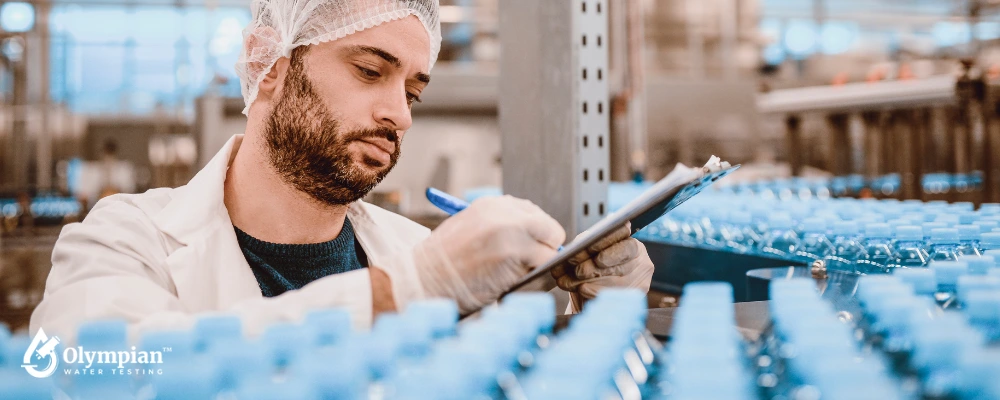
High water quality is a major issue for the efficiency of industrial processes. It ensures the reliability and effectiveness of any operations and also the safety and quality of goods. In the event of water contaminants or impurities, equipment failure, production interruption and even health risks arise. This means that industries should keep a close watch and check on the water quality in order to not disrupt and make their processes work properly.
What are the water quality standards for industrial processes?
Water quality standards for industrial processes are established to ensure that water is used and managed in a safe and sustainable manner, and to protect public health and the environment. Some of the key water quality standards for industrial processes include:
- Total Dissolved Solids (TDS): TDS refers to the total amount of dissolved solids, including minerals, salts, and other contaminants, in water. There are established TDS standards for industrial processes to ensure that water is not contaminated to a level that could harm public health or the environment.
- pH: pH is a measure of the acidity or alkalinity of water. There are established pH standards for industrial processes to ensure that water is not too acidic or too alkaline, as this can harm aquatic life and other organisms.
- Chemical Contaminants: Industrial processes can release a range of chemical contaminants into water, including heavy metals, chemicals, and toxic pollutants. There are established standards for these contaminants to ensure that water is not contaminated to a level that could harm public health or the environment.
- Microbial Contaminants: Microbial contaminants, such as bacteria, viruses, and parasites, can pose a threat to public health and the environment. There are established standards for microbial contaminants in water used in industrial processes to ensure that water is not contaminated to a level that could harm public health or the environment.
The Impact of Poor Water Quality on Industrial Efficiency and Productivity

Poor water quality can have a range of negative effects on industrial processes, from reducing efficiency to causing equipment failure. Contaminants in water, such as sediment, minerals, and microorganisms, can clog pipes and damage equipment. This can lead to increased maintenance costs, decreased productivity, and increased downtime.
In addition, poor water quality can affect the quality of the end product. For example, water used in the production of food and beverages must meet strict quality standards to ensure the safety of the final product. If the water used in production is of poor quality, it can result in the production of low-quality or contaminated products, which can harm the reputation of the company and negatively impact customer satisfaction.
Water Treatment Methods for Industrial Processes
To ensure high water quality in industrial processes, it is essential to implement effective water treatment methods. These methods can range from simple filtration to more complex processes, such as reverse osmosis and ultraviolet disinfection. The choice of treatment method will depend on the specific requirements of the industry and the intended use of the water.
For example, reverse osmosis is an effective method for removing minerals and contaminants from water, making it ideal for use in food and beverage production. Ultraviolet disinfection is an effective method for killing microorganisms in water, making it ideal for use in water used for cooling or in applications where high water quality is essential for product safety.
The Role of Technology in Ensuring High Water Quality in Industrial Processes
Technology has a significant role to play in ensuring high water quality in industrial processes. Advances in water treatment technology have made it possible to effectively remove a wide range of contaminants from water, including minerals, microorganisms, and pollutants.
In addition, modern water quality monitoring systems can provide real-time data on the quality of water used in industrial processes. This information can be used to quickly identify and address any issues with water quality, helping to ensure that the operations are running smoothly and efficiently.
What are the financial benefits of maintaining high water quality in industrial processes?
Maintaining high water quality in industrial processes can have a range of financial benefits, including:
- Reduced Operating Costs: By reducing water contamination, industrial processes can reduce the need for costly water treatment and management, leading to lower operating costs.
- Improved Equipment Performance: High water quality can help to improve the performance and longevity of equipment, reducing the need for costly repairs and replacements.
- Increased Production Efficiency: Maintaining high water quality can help to increase production efficiency by reducing downtime and improving the performance of industrial processes.
- Enhanced Reputation and Image: High water quality can enhance the reputation and image of an industrial company, improving customer and stakeholder trust and confidence.
- Compliance with Environmental Regulations: Maintaining high water quality can help to ensure compliance with environmental regulations, reducing the risk of fines and legal penalties.
The Importance of Regular Water Quality Monitoring and Testing
The Criticality of Periodic Water Quality Monitoring and Testing is the habit of continually monitoring and testing water quality in industries for compliance with safety, performance, and environmental guidelines. It is a mandatory process for maintaining good water quality in manufacturing plants and avoiding equipment failure, reduced output and sub-standard or contaminated products.
Water quality monitoring and testing at a regular interval can be done to quickly notice water quality issues and correct them. It avoids equipment downtime, minimizes downtime and increases the overall productivity of the operations. With water quality testing conducted at an annual basis, businesses can make sure they are in a position to keep things running as efficiently and safely as possible while also protecting the environment and their bottom line.
Best Practices for Water Management in Industrial Processes
Water management is of the highest priority in industrial water purification. This includes applying proper water treatment, monitoring and testing Midtown Manhattan NY water quality frequently, and having a proper water management plan.
Companies must also consult with water treatment experts to make sure their water management is compliant with industry standards and regulations. This can assist to make sure the company is being done in a safe, efficient and sustainable way without compromising the environment.
The Role of Water Quality in Ensuring Product Quality and Customer Satisfaction
Last but not least, high water quality is important for product quality and customer satisfaction. Water that is poor quality will lead to inferior or contaminated products which damage the company and reduce the satisfaction level of the customers.
The high water quality, in contrast, can lead to quality products and the company will get a better image and customers will be satisfied. This in turn can generate more sales and better bottom line.
Share this on social media:
Facebook
Twitter
LinkedIn

Related Posts