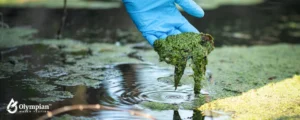
Assessing the Effects of Agricultural Runoff on Water Purity and Testing Methods
- Published:
- Updated: January 2, 2025
Summary
Agricultural runoff significantly affects water purity, posing risks to human health and the environment. Testing methods play a crucial role in assessing its impact. Key effects of agricultural runoff include contaminating drinking water, harming aquatic life, and increasing the risk of algal blooms. Monitoring runoff is vital to prevent pollution and identify areas for improvement in agricultural practices. Testing methods include chemical, biological, and physical analyses. Governments and organizations play a pivotal role in prevention through regulations, research, and education. Public awareness is essential to engage individuals in reducing their impact on water quality and promoting sustainable practices.

Agriculturally runoff is the biggest source of water pollution, and it’s important to know how it affects water quality to know what impact it’s causing on the water table. These are made possible by water tests, which give the data required to assess the contamination of water. To better understand how agricultural runoff impacts water quality, and how these impacts are measured through testing, individuals and organizations can better educate themselves about the problem, and act to reduce the potential for water contamination and water quality loss.
What is Agricultural Runoff?
Agriculture runoff: water dripping off farmland into rivers, lakes and other waterways. This runoff can include a variety of pollutants such as fertilisers, pesticides and other agricultural chemicals. Landfill run-off is the primary cause of water pollution, affecting the quality of water and human and ecological health. When farmwater is discharged, it can release these pollutants and chemicals, which can infect waterways and threaten the health of humans and our natural environment.
The Effects of Agricultural Runoff on Water Purity

The effects of agricultural runoff on water purity can be significant and can have serious consequences for the health of humans and the environment. Agricultural runoff can contain a range of pollutants, including fertilizers, pesticides, and other chemicals, which can affect the quality of water and pose a threat to human health and the environment.
Here are some of the most important effects of agricultural runoff on water purity:
- Contaminates drinking water: Agricultural runoff can contaminate drinking water, affecting the quality of water and posing a threat to human health. Contaminated water can contain harmful chemicals and pollutants, which can cause serious health problems if consumed.
- Harmful to aquatic life: Agricultural runoff can also be harmful to aquatic life, affecting the health of fish, plants, and other organisms in bodies of water. The chemicals and pollutants in agricultural runoff can harm aquatic life and disrupt the delicate balance of ecosystems.
- Increases risk of algal blooms: Agricultural runoff can also increase the risk of algal blooms, which are overgrowth of algae in bodies of water. Algal blooms can reduce the quality of water and pose a threat to human health and the environment.
The Importance of Monitoring Agricultural Runoff
Monitoring agricultural runoff is crucial for ensuring the quality of water and protecting the health of humans and the environment. By regularly monitoring agricultural runoff, it is possible to detect and prevent water pollution, and to take action to mitigate the impact of pollutants on water purity. Monitoring agricultural runoff also helps to identify areas where improvements are needed in agricultural practices, such as reducing the use of chemicals and improving water management strategies.
Regular monitoring of agricultural runoff also helps to ensure that drinking water is safe for human consumption and that aquatic life is protected. By taking a proactive approach to monitoring agricultural runoff, it is possible to prevent water pollution and ensure the sustainability of water resources for future generations.
Testing Methods for Agricultural Runoff
Testing methods for agricultural runoff are used to assess the quality of water and determine the presence of pollutants and other contaminants. There are a range of testing methods available, each with its own advantages and limitations.
Here are some of the most common testing methods for agricultural runoff:
- Chemical testing: Chemical testing is a method used to assess the presence of chemicals and other pollutants in water. Chemical testing can be used to detect a range of pollutants, including fertilizers, pesticides, and other chemicals used in agricultural practices.
- Biological testing: Biological testing is a method used to assess the health of aquatic life and the presence of pollutants in water. Biological testing can be used to determine the impact of agricultural runoff on the health of fish, plants, and other organisms in bodies of water.
- Physical testing: Physical testing is a method used to assess the physical characteristics of water, such as temperature, pH, and turbidity. Physical testing can be used to determine the impact of agricultural runoff on the quality of water and the presence of pollutants.
The Role of Governments and Organizations in Preventing Agricultural Runoff
Cities and towns can do a lot to stem agricultural effluents and ensure clean water. They can do so by developing rules and policies that restrict the application of chemicals and other pollutants to crops, and through sustainable farming and water management. Governments and organisations can also fund the research and development of novel technologies to track and reduce agricultural runoff, as well as education and outreach efforts to make people aware of the value of safe water.
Authorities and institutions can coordinate with farmers and other users to put into place best practices for mitigating agricultural runoff and maintaining water quality. It can be by encouraging farmers to be sustainable, by funding water infrastructure and by funding research into new technologies and practices for reducing agricultural runoff.
When nations and agencies collaborate in addressing agricultural runoff, water will be clean and people and the environment safe.
The Importance of Public Education and Awareness
Education and public engagement are key to stopping agricultural run-off and maintaining a clean water supply. The public can be involved in action towards cleaner water and reducing water pollution by making them aware of how agricultural run-off affects water quality. Public education can encourage sustainable farming and water management, and will empower individuals to do their part to reduce their own water pollution.
Public education can also increase awareness about the need for clean water and how we, as citizens, can all help save water. That can include learning about the effects of farm run-off, how to keep track of water quality, and what people can do to limit their own water quality.
Emerging Technologies in Agricultural Runoff Mitigation
Tech innovations provide promising alternatives to mitigate agricultural runoff. GPS and IoT-enabled precision agriculture helps farms use fertilizers and pesticides less, cutting back on runoff into the ocean. As are bioreactors and artificial wetlands that will naturally remove contaminants from the environment before they can enter waterways. With such novel strategies, agriculture runoff will no longer contaminate water in a meaningful way.
Conclusion: Assessing the Effects of Agricultural Runoff on Water Purity
Agrarian run-off threatens water quality, both for people and the natural world. This pollution must be identified and minimised through effective monitoring and testing through chemical, biological and physical analysis. Government rules, technologies and public education all contribute to the solution. If we know and do something about agricultural runoff, we will keep our water and create a cleaner planet for the future.
Share this on social media:
Facebook
Twitter
LinkedIn

Related Posts