Connection Between Water Quality and Biodiversity in Marine Ecosystems
- Published:
- Updated: January 6, 2025
Listen to this article
Summary
Water quality is intimately connected to biodiversity in marine ecosystems, as it directly impacts the health and diversity of marine life. Poor water quality, often caused by human activities such as agricultural runoff, sewage discharge, oil spills, and the release of toxic chemicals and heavy metals, can have devastating effects on marine biodiversity.
Excess nutrients from agricultural runoff can lead to algal blooms, which reduce oxygen levels in the water and harm or kill marine organisms. Sewage discharge introduces harmful bacteria and viruses, further compromising water quality and threatening marine life. Oil spills and toxic chemical releases can smother marine life and accumulate in the tissues of organisms, causing long-term harm or death.

Marine ecosystems are among the most diverse and productive on Earth, sustaining ecosystem services and supporting many species. The water quality in these ecosystems can be disastrous for marine biodiversity, decimating species and affecting the balance of the ecosystem.
The Effects of Water Quality on Marine Biodiversity
Quality of water is one of the most important indicators for the health and abundance of marine life. Water that’s unhealthy can cause a variety of impacts on the marine environment: decreasing food and habitat resources, spreading disease, and changing the chemical and physical composition of water. These can alter marine species’ distribution and abundance, and even kill some of them.
More nitrogen and phosphorus in the water can swell up to form algal blooms that lower the oxygen in the water and damage or kill a large number of fish and marine life. And so too can oil spills and other pollution, which can choke and suffocate marine life, thinning biodiversity and tamping the ecosystem’s equilibrium. Environmental water quality impacts species distribution and abundance, too, by changing the water’s temperature and pH. Changes in water temperatures can make species move south, to cooler waters, reducing the diversity of the ecosystem. Phosphorus levels can alter the supply of carbon dioxide – a key ingredient in the food web – and lead to altered distribution and abundance of marine life.
The Causes of Water Pollution in Marine Ecosystems

Water contamination in marine ecosystems comes from many sources, including agricultural runoff, sewer discharge, oil spills and the discharge of chemicals and heavy metals. All these pollutants can have different effects on marine biodiversity, but all can affect water quality and marine life.
Agriculture runoff can leach too much nutrients into the water, which leads to algal blooms and lowered oxygen. This could lead to shifts in the distribution and abundance of marine species and sometimes the extinction of some species. Water from sewer can also be polluted with dissolved nutrients and can be contaminated by pathogenic bacteria and viruses. Oil spills can choke and choke fishes, while chemicals and heavy metals accumulate in marine organisms’ tissues and kill or harm them over time.
The Impacts of Changes in Water Temperature and pH Levels
Temperature and pH influence the abundance and distribution of marine organisms. Changes in these parameters can have far-reaching effects on marine life, from changing the supply of food to making habitat less suitable and diseases more threatening.
Warmer water means species migrate northward to cooler water, de-diversifying the ecosystem. It can lead to food-chain disruption and ecosystem services being lost. The same goes for pH – shifting that could alter the availability of carbon dioxide (an essential food chain element) and therefore alter the distribution and abundance of marine species. Sometimes these modifications even result in species disappearing.
The Consequences of Biodiversity Loss in Marine Ecosystems
A marine ecosystem’s loss of biodiversity as a result of water quality problems can have ramifications on the ecosystem’s health and functioning. With the disappearance of these critical species, the ecosystem’s equilibrium is disrupted, with the food web changing, ecosystem services disappearing and disease heightened.
If you lose keystone species – say, sea otters or starfish – it can have repercussions across the entire ecosystem. These species help to stabilise the ecosystem and, if gone, can make more species abundant (eg, sea urchins), changing the food web and destroying crucial ecosystem services. This loss of biodiversity also decreases the resilience of the ecosystem in general, which can then be prone to shocks and changes.
The Role of Human Activities in Degrading Water Quality
Coastal water quality and marine biodiversity are under attack from human intervention. Farmers’ farms, sewage runs, oil spills, the discharge of toxins and heavy metals – all of these are human-induced and can be devastating for the environment.
Excessive fertilizers used in farming will end up being released into the water resulting in algae blooms and oxygen depletion. Either way, sewer run-off from urban centres may put excess nutrients and harmful bacteria and viruses into the water, impairing quality and destroying marine organisms. Degradation of water and damage to aquatic organisms are also the outcomes of oil spills and toxic chemicals and heavy metals being released into the water.
Protecting and Restoring Marine Biodiversity
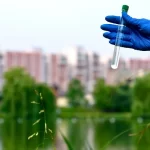
Ocean biodiversity can be safeguarded and restored through reductions in water pollution, through monitoring and analysis of water quality, and cooperation to manage water quality. Water quality testing, remote sensing and citizen science programmes are all good ways to track and assess water quality. Such techniques can be applied to diagnose water quality problems and detect over time, so that marine environments can be managed and conserved.
Local societies and the governments can collaborate to tackle water pollution and encourage marine biodiversity. This could include efforts to minimise agricultural fertilizer use, water treatment and waste management, and regulations to stop oil spills and pollution from chemicals and heavy metals leaching into the water.
The Importance of Monitoring and Assessing Water Quality
Water quality is an issue of preservation and restoration of marine life. Regular water quality testing and monitoring can help identify water quality problems and monitor over time so that marine ecosystems can be properly managed and protected.
Remote sensing using satellite images and unmanned aerial vehicles is also capable of tracking water quality and fluctuations in the range and abundance of marine organisms. Such methods can tell us something important about marine ecosystem health and where they should be managed and conserved.
Citizen science projects can also help to monitor and measure marine water quality. These initiatives also have communities and residents participate in collecting and reporting water quality data so we can get a fuller picture of water quality and marine biodiversity.
The Benefits of Protecting and Restoring Marine Biodiversity
Protecting and preserving marine biodiversity has enormous benefits, both for humans and non-humans. Well-functioning marine ecosystems deliver ecosystem services, such as food, coast defence and carbon storage. Such services are essential to humans and most species, and can be a very good business for local communities.
Marine biodiversity can be conserved and restored, too, so as to keep most species alive and the ecology in balance. It can decrease disease and make marine ecosystems more resistant to future shocks and changes.
Marine biodiversity can be conserved and preserved, too, along with reefs and seagrass beds, which are critical habitat and nursery sites for many marine animals.
The Role of Local Communities and Governments in Protecting Marine Biodiversity
Marine biodiversity is the responsibility of local communities and governments. There are regulations and policies that governments can apply to protect water quality and biodiversity, and local communities can participate in conservation and management by monitoring and testing water quality and reducing their own effects.
Smaller communities could also provide a starting point for other people to learn more about marine biodiversity and the consequences of water quality on marine species. We can make it easier and more efficient to conserve and restore marine biodiversity if we involve local communities and the public in conservation and management.
Governments and local communities can also cooperate to maximise the productive potential of marine resources (including fisheries) and distribute the bounty of marine ecosystems fairly and equitable. Collectively, local communities and governments can conserve and recover marine biodiversity and support the future wellbeing of these fragile ecosystems.
Share this on social media:
Facebook
Twitter
LinkedIn

Related Posts