Understanding the Unique Qualities of Well Water
Water drawn directly from the ground carries diverse elements that affect its taste and appearance. It often picks up minerals such as iron or manganese. This leaves homeowners with metallic flavors or visible discoloration on sinks and fixtures.
Common Sources of Contamination
Soil deposits and agricultural runoff can introduce contaminants into private wells. Experts confirm that filtration systems help manage iron and manganese buildup. Brands like Express Water note the importance of removing these particles to avoid staining and foul odors. Regular inspections encourage private well maintenance, ensuring users stay proactive.
Seasonal Fluctuations in Water Quality
Weather cycles influence the well’s overall stability. Heavy rainfall increases runoff that might carry sediment, while melting snow contributes extra minerals. These seasonal changes may alter taste and clarity, highlighting the need to monitor conditions throughout the year.
The Importance of Regular Testing
Starting with a vigilant approach, thorough water testing is essential. Many well owners opt for annual checks to monitor changes. These tests reveal bacteria levels and detect unwanted metals or chemical residues. This initial data helps homeowners choose the most suitable filtration methods.
Signs of trouble can emerge at any time, making ongoing evaluations critical for contamination detection. Seasonal changes or sudden environmental shifts can lead to unexpected water quality issues. These assessments uncover nitrates, pH imbalances, and other threats to water safety. Clear results guide necessary adjustments.
Regular testing is key to health protection for all family members. Confirming water quality meets standards brings peace of mind. Experts suggest a variety of tests, from basic microbial analysis to detailed metal scans. The knowledge gained from these samples protects well-being and encourages informed decisions. These practices maintain water quality and support long-term home value.
Examining Sediment and Particulate Challenges
Wells often draw from deep sources, bringing soil and minerals to the surface. Implementing effective sediment filtration is key to preventing blockages and ensuring water clarity. Over time, debris buildup can alter the taste of water and impact equipment performance.
How Sediment Accumulates
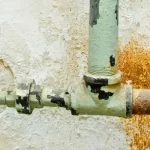
Aquifers draw in sand and silt as water moves through the earth’s layers. These particles accumulate underground and eventually enter private pipes. Rust from aging metal parts can also contribute to the sediment load, making particle removal at the entry point essential.
Risks of Unfiltered Particles
Unwanted particles can erode fixtures and strain pumps. Settling debris may slow water flow and reduce efficiency. There’s also a risk of microbial hitchhikers attaching to debris, highlighting the need for consistent filtration for health and safety.
Micron Rating | Contaminants Targeted | Advantages |
5 Microns | Sand, Silt, Rust | Reliable Protection |
10 Microns | Finer Debris | Balanced Flow |
25 Microns | Larger Particles | Easy Maintenance |
Identifying Harmful Minerals and Metals
Well owners often face metals that alter taste and comfort. Systems like the Home Master Three-Stage System or SpringWell WS help manage manganese and iron. They use media such as air-injection or greensand to convert these elements into larger particles, making them easier to capture.
High metal levels can stain fixtures and turn water an unpleasant color. The metallic taste in water prompts families to question its quality. Installing filtration systems before water reaches taps helps maintain clarity and enhances the drinking experience for everyone.
Impact of Iron on Taste and Fixtures
Iron deposits can leave rust-colored rings in sinks and affect laundry cycles. These residues linger, impacting daily tasks. The metallic taste in drinking water is a common reason for seeking iron removal solutions. Filters designed to address these issues protect both fixtures and household health.
Protecting Plumbing and Appliances
Mineral buildup poses a hidden threat to pipes and faucets. Unfiltered well water often introduces particles that lead to blockages and hidden leaks. A reliable system combines different filter media to reduce sediment and scale. This approach promotes plumbing protection and extends appliance longevity across the home.
Leading solutions from brands such as Aquasana target contaminants that hinder water flow. Conditioning technology also helps with rust prevention in supply lines. Washing machines and dishwashers benefit from consistent water pressure, which curbs wear on internal parts. This creates a smoother operation without the strain of clogging.
Homeowners often pick a whole house filter that handles both sediment removal and mineral control. Some choose to install models that incorporate innovative cartridges with multiple layers. Regular upkeep ensures pipes remain clear and household routines stay uninterrupted.
- Lower risk of scale
- Better performance from heaters
- Fewer costly repairs
- Improved water clarity
Filter Benefit | Outcome |
Scale Reduction | Reduced clogging in pipes |
Particle Removal | Cleaner flow and fewer deposits |
Water Conditioning | Gentler impact on fixtures |
Enhancing Water Taste and Clarity
Aquasana’s advanced carbon filters are renowned for their ability to eliminate lingering odors and chemical residues from private wells. This results in water that tastes better. It becomes more appealing for daily consumption and cooking.
The role of filtration technology in achieving clear water is significant. Particles in unfiltered wells can cause water to appear murky and taste odd. Systems that remove these impurities make water clearer and smoother. Homeowners often notice this improvement, which enhances the taste for everyone.
Reviews from satisfied customers emphasize the importance of activated carbon in fighting off strong odors. Adding regular well checkups provides an additional layer of assurance. Those who depend on private wells see a marked improvement in water quality. This makes every sip more enjoyable.
How Whole House Filters Improve Clarity and Taste in Well Water
Clean, refreshing water relies on a multi-stage filtration system. It captures large particles first and then targets chemicals or lingering odors. This method refines the water flowing through taps, providing a comprehensive well water treatment experience. It enhances water quality for everyday use.
Leading brands like Pentair demonstrate the effectiveness of various layers in tackling contaminants. Systems with carbon filtration eliminate organic compounds that dull the flavor. Each layer works together, protecting against metals, sediment, and other hazards.
Some units feature automatic backwashing to prevent clogs. Regular maintenance extends the life of each component. This ensures a crisp taste and clear appearance.
Filtration Stages at Work
A typical setup includes:
- Sediment pre-filter to catch sand and rust
- Metal-specific or resin media to control iron and similar impurities
- An activated carbon filtration layer that removes stubborn odors and chemical residues
This stacked design, found in many multi-stage filtration systems, forms a strong defense against unwanted elements. It offers a comprehensive well water treatment journey from source to tap.
Maintaining Consistent Water Pressure
Households that rely on well water often prioritize water pressure stability for everyday tasks. A robust system design keeps showers strong and faucets flowing during busy periods.
Top-rated units, such as the SpringWell WS, sustain a flow rate between 12 and 20 GPM. This performance supports plumbing efficiency across kitchens, bathrooms, and laundry rooms. Sizing the filter to match each family’s usage prevents sudden pressure drops.
Professional installation can further enhance reliability. Pipe diameter, filter media strength, and pump calibration influence how water moves throughout the home. Selecting a filter that meets or exceeds demand helps maintain a comfortable pace for diverse chores.
System Model | Typical GPM Range | Key Advantage |
SpringWell WS | 12–20 | Dependable, powerful flow |
Aquasana Well Filter | 10–15 | Balanced performance |
Evaluating Filter Media Options
Many homeowners seek the best ways to treat their well water. Each solution emphasizes performance, reliability, and ease of upkeep. Filter media differ in composition, each providing unique benefits for various water challenges.
Catalytic carbon enhances the removal of chlorine and volatile organic compounds. KDF reduces heavy metals, leading to fewer deposits and a longer service life. Greensand tackles iron and manganese, transforming unpleasant water into a cleaner supply. Culligan and Pentair often use these elements to improve filtration and extend media longevity. Combining several methods offers a broader defense against a range of contaminants.
Activated Carbon and Its Benefits
Activated carbon excels in contaminant adsorption of odorous substances and chemicals that affect taste. It is often part of a multi-stage approach, delivering greater clarity. Systems may introduce complementary materials alongside carbon to target complex impurities and enhance overall water quality.
Media | Main Advantage | Common Targets |
Catalytic Carbon | Removes chloramines | Chlorine, VOCs |
KDF | Diminishes metals | Heavy metals, scale |
Greensand | Oxidizes iron | Iron, manganese |
Activated Carbon | Adsorbs chemicals | Farm runoff, odors |
Addressing Concerns about Bacterial Contamination
Untreated sources often raise worries about well water bacteria lingering in households. Small organisms can invade through soil runoff or damaged well caps. Many homeowners rely on added safeguards to ensure a cleaner supply.
Ultraviolet Systems as a Supplement
UV filtration plays a vital role in neutralizing nearly all pathogens lurking in water. Brands like Trojan UV Max position a germicidal lamp as the last checkpoint, striking harmful microbes before they reach faucets and showers. This extra step has proven effective in reducing viral and bacterial threats, helping families feel more confident with each sip.
Signs of Possible Bacterial Issues
Some indicators point to possible contamination. Strange odors or slick buildup may signal escalating problems. Discolored flow can suggest hidden intruders that require testing or disinfection. Proper treatment combines filtration with preventive measures, giving users the peace of mind they deserve.
Indicator | Possible Cause | Suggested Action |
Slimy Residue | Bacterial Growth | Check Filtration Setup |
Unusual Odors | Organic Pathogens | Perform Water Testing |
Sudden Color Change | Well Water Bacteria | Use UV Filtration System |
Choosing the Right System Size
Choosing the right filter size is essential for maintaining steady water flow and managing costs. Brands like SpringWell offer various configurations to meet different household needs. Finding the right balance between system capacity and usage helps avoid unnecessary expenses.
Smaller families typically need lower GPM requirements, whereas larger households benefit from high-flow filtration systems. A system that matches peak usage prevents pressure drops and extends filter life. Options like the CF and WS lines cater to households with one to three baths or more, ensuring there’s a suitable choice for every family.
Household Usage Factors
Peak shower times, laundry loads, and kitchen demands can change daily. Analyzing these patterns helps pick a filter size that maintains consistent pressure during high-demand periods. A filter that’s too small requires frequent replacements, while an oversized one can be costly.
Scheduling Routine Maintenance
Keeping your whole house filter in top shape is essential for maintaining water flow and clarity. Regular backwashing is key to refreshing the media and removing unwanted buildup. Sediment filters, in particular, need to be replaced every six to nine months. This is because they collect fine particles that can slow down the system’s performance. Choosing the best sediment filters for homes ensures optimal performance and longevity of your water filtration system. It’s also important to regularly check your filter’s pressure gauge, as a significant drop can indicate that the filter is clogged and needs immediate attention. By staying proactive with maintenance, you’ll enjoy clearer, healthier water for you and your family.
"The Centers for Disease Control and Prevention recommends testing private wells at least once a year to gauge water safety."
Having a reliable filter replacement schedule is vital for homeowners. It ensures each component is replaced on time. Activated carbon or similar materials in main tanks can last up to a decade with proper care. Annual servicing involves a detailed check of flow rate, water appearance, and any signs of wear or tear.
Simple actions, like monitoring pressure gauges and flushing lines, can significantly extend the filter’s lifespan. These steps are critical for maintaining its long-term effectiveness.
Cost Considerations and Budgeting
For many homeowners, a whole house filter seems like a significant upfront cost. But the benefits far outweigh the initial expense. Clean water for appliances means fewer repairs, leading to long-term savings. This makes budget-friendly well water filtration a wise choice for many families. In addition, investing in the best big water filters can enhance the overall quality of your water, ensuring that it is free from harmful contaminants that could affect your health. Families will find peace of mind knowing that their drinking water is safe and clean, which is especially important for young children and elderly relatives. Ultimately, this simple upgrade can contribute to a healthier lifestyle and a more enjoyable living environment.
Some filters, like the SpringWell CF, offer lower ongoing costs compared to cartridge systems. The lifespan of the media, annual replacement costs, and warranty policies are key factors. Choosing the right filter can save money, reduce unexpected expenses, and make budgeting easier.
Adding a UV module increases the cost. But it’s worth it if you need extra protection for your water. By weighing the cost against the benefits, you can feel confident in your decision.
Brand | Media Lifespan | Annual Replacement | Warranty Coverage |
SpringWell CF | Up to 1,000,000 gallons | Minimal | Limited Lifetime |
Aquasana EQ-Well | Approx. 500,000 gallons | Moderate | 5 Years |
Long-Term Benefits for Health and Home
Filtration systems enhance the cleanliness of cooking and bathing, ensuring well water safety. Studies show that filtered water can extend the life of appliances like dishwashers and washing machines. This is due to reduced mineral buildup, which also saves on repair costs.
Health benefits from using filtered water are significant. Lab tests reveal fewer contaminants, which can cause digestive issues. Families feel more secure knowing their water is free from harmful substances. This also reduces wear and tear on showers and plumbing fixtures.
Experts like Culligan and GE provide effective solutions. These systems improve water taste and reduce odor or discoloration. Installing a reliable filtration system offers long-term peace of mind, ensuring quality water for years.
Overcoming Common Misconceptions
Many homeowners hesitate to upgrade their well water systems, fearing complex parts and endless adjustments. These misconceptions deter people from exploring modern solutions. Fortunately, advancements in design have made installation and daily use much simpler.
Clarifying Maintenance Myths
Some hold onto outdated beliefs about the need for constant system upkeep. In truth, many modern filters have automated cycles for cleaning, eliminating the need for constant human intervention. Simple tasks like replacing sediment cartridges can be done in minutes. This approach not only maintains water quality but also reduces the risk of contamination.
Modern tanks are lightweight, and efficient backwashing cycles minimize disruptions. While occasional check-ups are beneficial, they rarely take up much time. Those who choose the right technology enjoy uninterrupted water flow and greater peace of mind. With up-to-date components, filters deliver consistent results, dispelling concerns about wasted energy or declining water pressure.
Safeguarding Water Quality for Future Generations
Investing in a whole house filter is more than just a home improvement. It’s a step towards well water stewardship and healthier living. By choosing this option, homeowners reduce plastic waste from bottled water, helping to combat landfill overflow. This decision also cuts down on resources spent on production and transportation. Additionally, investing in these systems leads to significant cost savings over time, as homeowners no longer rely on purchasing bottled water. The benefits of water filtration systems extend beyond environmental impact, contributing to improved taste and quality of water for daily use. Furthermore, they can enhance the lifespan of plumbing and appliances by reducing sediment buildup, providing long-term value to the home.
Regular maintenance and check-ups are key to keeping the system running smoothly. This not only protects family members from harmful contaminants but also preserves the home’s plumbing. Families who upgrade and test their systems regularly enjoy the peace of mind that comes with it. Their efforts are a testament to legacy protection, ensuring good health and a reliable water supply for generations to come.
FAQ
Do Whole House Filters designed for well water remove all major contaminants?
They are designed to handle sediment, iron, sulfur, and other minerals found in wells. Most systems reduce a wide range of contaminants. Choosing NSF Certified or Water Quality Association–endorsed models ensures effectiveness. For high hardness or arsenic, additional treatments like ion exchange or reverse osmosis might be needed.
Why is well water more prone to impurities than municipal water?
Private wells draw water directly from the ground, picking up minerals like iron and manganese. Runoff from agriculture introduces nitrates and pesticides. Seasonal changes, like heavy rainfall, can alter taste or clarity. Without municipal regulations, regular testing and maintenance are essential.
How often should homeowners test their private well water?
Annual testing is recommended to check for bacteria, nitrates, heavy metals, and chemicals. Testing after weather events or visible changes in water quality may be necessary. Knowing the contaminants helps determine if UV sterilization, pH balancing, or other solutions are needed.
What makes sediment filters critical in a multi-stage filtration setup?
Sediment filters remove sand, silt, and rust, preventing pipe clogs and appliance wear. By capturing large particles first, subsequent layers focus on finer contaminants. This improves taste, longevity, and system performance.
How do high iron levels affect the taste and appearance of well water?
Iron can cause rust stains, metallic flavors, and discolor laundry. Specialized media oxidizes iron, allowing filters to trap it. This process enhances taste and quality, preventing unsightly buildup in plumbing.
Which filter media are best for well water and why?
Activated carbon removes odors, organic compounds, and chemicals. KDF targets heavy metals, while greensand addresses iron, manganese, and hydrogen sulfide. Advanced systems, like those from Culligan or Pentair, use multiple media for diverse challenges.
Will installing a Whole House Filter reduce household water pressure?
Properly sized filters maintain strong water flow, often over 10 GPM. Matching the unit to household needs is key to preserving pressure. Professional installation, correct pipe diameter, and routine backwashing ensure consistent performance.
Why consider ultraviolet (UV) purification for well water?
UV light kills bacteria, viruses, and other microorganisms missed by standard filtration. It’s valuable for microbial contamination. Shock chlorination may be needed initially, but UV systems provide ongoing protection against biological threats.
How do homeowners determine the right system size for their private well?
Factors like bathroom count, daily usage, and family size affect the ideal flow rate and filtration capacity. An undersized system leads to frequent replacements and pressure drops. Oversizing is costly. Matching capacity to needs balances performance and budget.
Is maintaining a Whole House Filter complicated or time-consuming?
Modern setups are user-friendly, with automated backwashing and easy cartridge changes. Sediment filters need more frequent replacement, while media like activated carbon, KDF, or greensand last longer. Regular checks and professional inspections are recommended to maintain the system’s performance. Considering the specific needs of your water source is crucial when choosing a well water filter. Additionally, factors such as the water’s pH level and mineral content can influence the effectiveness of different filtration systems. Consulting with a water quality expert can help ensure optimal performance and longevity of the chosen filter.