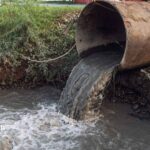

Understanding the Rotten Egg Odor in Water
Many households detect a distinct Sulfur Smell in their faucets, raising concerns about Drinking Water Safety and how Water Tastes. This rotten egg aroma can develop naturally when certain bacteria thrive in well systems or heaters with limited oxygen.
The Role of Sulfur Bacteria
These microorganisms feed on sulfur compounds underground. Low-oxygen spaces in wells offer the perfect environment, resulting in hydrogen sulfide gas that triggers the unmistakable odor. Growth rates increase if water remains undisturbed.
Condition | Effect on Odor |
Low Oxygen | Prompts rapid bacterial activity |
Stagnant Water | Allows odor to concentrate |
Why the Smell Intensifies Over Time
Lengthy storage in pipes creates a breeding ground for bacterial growth. As more hydrogen sulfide collects, the foul smell becomes stronger and more noticeable. This highlights the importance of regular checks and maintenance.
Why Well Water Smells Like Rotten Eggs
Homeowners often find themselves puzzled by the Rotten Egg Smell coming from their taps. Hydrogen Sulfide Gas forms when Sulfur Bacteria break down sulfur compounds in the aquifer or pipes. The presence of decaying organic material in groundwater exacerbates this problem, causing ongoing frustration for well owners.
The Chemistry Behind Hydrogen Sulfide
Bacteria in sulfate-rich zones feed on sulfur, producing this pungent gas. This gas can corrode plumbing components and leave an unpleasant taste in drinking water. For a deeper understanding, refer to this resource. It explains how Hydrogen Sulfide Gas develops in well systems and common triggers.
Overlooked Sources That Contribute to the Odor
Unseen factors can also worsen the smell. A corroded anode rod in the water heater can increase sulfur production. Regular inspections help identify less obvious culprits, reducing odors and possible damage.
“Water that contains elevated Hydrogen Sulfide can harm metal components,” states the Minnesota Department of Health.
- Inspect the anode rod for corrosion
- Look for pockets of decaying debris in the plumbing
Potential Source | Impact on Rotten Egg Smell |
Water Heater Anode Rod | Moderate to High |
Decaying Organic Matter | High |
Common Contaminants Leading to Sulfur Odors
Hydrogen Sulfide in Water is a primary cause of rotten egg smells. Yet, other contaminants can also contribute to these odors. Iron bacteria and pollutants often amplify sulfur-like scents, disrupting daily life. Persistent smells may indicate multiple contaminants at play in a well.
Common Well Water Contaminants can mask or combine with sulfur compounds. A thorough test can reveal elements like iron, manganese, or unexpected chemicals. Each substance reacts uniquely, yet all can worsen smells or introduce new issues.
Many opt for a Water Filtration System to tackle various contaminants. Targeted solutions can reduce foul odors and ensure water safety. Identifying the exact mix of contaminants is key to effective treatment. This approach brings peace of mind and a more pleasant home environment.
Safe Steps Before Any Well Water Treatments
Some homeowners notice a strong odor only when they run hot water, while others smell it at every faucet. Observing these details can help pinpoint system issues that require further attention.
Engaging in Well Water Testing is a smart move before selecting any remedy. A basic Drinking Water Test identifies sulfur bacteria, hydrogen sulfide, nitrates, metals, and other contaminants. This ensures reliable data for action. It is wise to draw water samples properly, whether they come from hot or cold lines.
Consulting local health agencies or certified labs confirms Safe Well Water status. Qualified experts offer guidance for more in-depth screenings when unusual smells persist. Sampling methods and storage play a critical role in generating accurate findings. This knowledge helps homeowners address lingering odors with greater confidence.
Action | Purpose |
Collect water samples | Check bacteria levels and hydrogen sulfide |
Contact professionals | Receive expert input on advanced testing needs |
Log water odors | Record frequency to track changes over time |
Possible Health Impacts from Sulfur Smell
The presence of sulfur odor in well water often sparks concerns about water safety. This smell usually indicates natural processes happening beneath the earth’s surface. Low levels of hydrogen sulfide rarely pose a significant threat. Yet, it can lead to corrosion in plumbing, creating an environment ripe for secondary water contamination.
Those who notice this smell in their water may experience eye or throat irritation. Inspecting pipes and storage tanks can help alleviate these concerns over time.
Minor Irritations Versus Major Health Risks
Some people might experience minor skin issues or mild discomfort. Prolonged exposure could damage fixtures, increasing the risk of further contamination. Regular maintenance can prevent these issues from escalating. Any changes in water color or taste should prompt immediate investigation.
Children and Vulnerable Groups
Infants, seniors, and those with weakened immune systems are most at risk. Even small changes in water quality can affect their health. Implementing routine testing and proper filtration is essential. These measures protect vulnerable individuals from serious health risks and ensure daily activities remain uninterrupted.
Possible Reactions | Severity | Notes |
Minor Eye Irritation | Low | Typically occurs with sensitive individuals |
Corroded Pipes | Medium | Allows harmful particles to enter the system |
Increased Bacterial Growth | High | Can indicate deeper concerns if undetected |
Checking Hydrogen Sulfide Levels in Your Well
Routine checks can help identify unwanted odors before they escalate. Monitoring water for sulfur compounds is vital. Accurate Hydrogen Sulfide Levels guide effective solutions. Searching for clues in taste or smell is wise, yet precise data comes from specialized methods.
Differentiating Light and Heavy Sulfur Presence
Some wells carry only mild traces of sulfur, which can vanish after brief flushing. Larger amounts may produce persistent odors that disrupt daily use. Home Water Testing offers a simple way to gauge severity, indicating when advanced treatment may be needed. In many cases, advanced steps like filtration or disinfection might be required. Carefully interpreting early signs can prevent bigger issues later.
How Testing Kits Work
Many households rely on Safe Home Test Kits for Well Water, available from reputable brands. Directions often involve collecting a water sample and observing color changes. If readings are uncertain, reliable laboratories provide wider analyses for deeper insights. Professional input can confirm hazards or guide the best course of action.
Concentration (ppm) | Odor Intensity | Recommended Step |
0.1–1.0 | Light | Simple home methods |
1.1–2.0 | Moderate | Install basic filters |
Over 2.0 | Strong | Contact a professional |
Shock Chlorination Explained
Well owners sometimes turn to a strong chlorine solution to address unpleasant odors and bacterial contamination. This method, known as shock chlorination, aims to combat hydrogen sulfide issues and remove sulfur bacteria. It provides a temporary solution for water with persistent smells or tastes.
Homeowners opt for this approach when they need immediate relief. A concentrated chlorine mixture is circulated through the plumbing system. This allows for sufficient contact time to eliminate microorganisms causing foul odors. The goal is to hold off until more lasting solutions are implemented.
When to Consider Shock Chlorination
Indicators like slime buildup, discolored water, or recurring sulfur smells suggest deeper well problems. Shock chlorination acts as a temporary fix. The United States Environmental Protection Agency views it as critical when bacterial contamination is high or water tests show ongoing issues.
Precautions and Safety Tips
It’s vital to protect skin and eyes when handling chlorine. Users should wear gloves, goggles, and masks. Allowing the solution to sit for a specific time is key for sulfur bacteria removal. Afterward, thorough flushing is necessary to remove excess chlorine. Adhering to these safety measures ensures better results and minimizes chemical residues.
“A periodic chlorine treatment can help preserve cleaner well water,” says the U.S. Environmental Protection Agency.
Step | Action | Purpose |
1 | Assess Initial Water Quality | Identify severe contamination risks |
2 | Measure Correct Chlorine Dose | Ensure proper disinfection strength |
3 | Flush All Fixtures | Remove excess residue before use |
Filtration Options for Removing Rotten Egg Odors
Homeowners often turn to Catalytic Carbon systems to tackle the root cause of Rotten Egg Smell in well water. These systems facilitate the oxidation of sulfur particles, trapping them to keep water clean. Manganese greensand filters, on the other hand, capture unwanted compounds. They require special regeneration steps using potassium permanganate.
Oxidizing Filters convert hydrogen sulfide into manageable solids, reducing odors effectively. Brands like Culligan and Pentair offer solutions for various household sizes and needs. It’s important for homeowners to consider flow rates and maintenance intervals when selecting a filter. Depending on the concentration of contaminants, multiple stages might be necessary, while lower concentrations could be handled by a single filter.
“The Water Quality Association emphasizes selecting reliable equipment for consistent performance, given each home’s unique water chemistry.”
Routine checks are essential to confirm the filter’s ongoing effectiveness. This ensures that odors are kept at bay and water remains drinkable.
Practical Home Remedies and Preventive Measures
Many people make small changes at home to reduce unpleasant odors. Mild issues often respond well to simple steps. These steps address bacterial growth or reduce chemical reactions behind the smell. They offer quick relief and complement other Home Water Solutions.
Water Heater Adjustments
Some raise the heater’s temperature for a short period to disrupt bacterial activity. Another approach is switching the Water Heater Anode Rod to aluminum or zinc. This may help prevent sulfur smell. Regular tank cleaning also supports a fresher water supply.
Activated Carbon Filters
Activated carbon filters attract and trap particles causing rotten egg odors. This is a cost-effective way to improve taste and smell. Regular replacement ensures steady performance and cleaner, more pleasant water at home.
Iron Bacteria and Its Role
Iron Bacteria flourish in areas with higher oxygen levels. They produce a unique Bacterial Slime that can cover pipes or fixtures. This slime may cause orange or brown stains on well surfaces, indicating the need for detailed Well Maintenance.
This sticky residue can intensify odors, more so when sulfur compounds are involved.
Experts from the Water Quality Association stress the importance of regular inspections. They aim to confirm the presence of these bacteria in the water system. Signs to watch out for include:
- Stringy mats on the water’s surface
- Foul odors lingering after flushing lines
- Slippery build-up on pumps or plumbing
Iron Bacteria can be controlled through careful disinfection and regular checks. Shock treatments can help disrupt their growth. If signs persist, it’s wise to seek advice from a certified water professional. Early detection and prompt action are key to preserving taste, smell, and the well’s infrastructure.
When to Seek Professional Assistance
A faint sulfur odor can signal deeper issues underground. Fluctuating smells or advanced corrosion often require more than simple fixes. Diagnostic checks are essential for identifying problems that could threaten the well’s integrity.
Some concerns necessitate Professional Water Testing to uncover hidden contamination levels. Scheduling a visit from licensed experts can help determine if chemical imbalances or structural factors are at play. A brief review of common well water odors may offer insights before seeking professional help.
Detecting Deeper Well Issues
Persistent odors after multiple treatments indicate cracks or rusting pipes. Age, shifting sediments, or overworked pumps can also cause a recurring rotten egg smell. Skilled Well Contractors can uncover subtle mechanical flaws that worsen over time.
Questions to Ask a Water Specialist
Owners should request clear cost breakdowns and ask about ongoing maintenance. A reputable Water Specialist can explain repair timelines, recommended upgrades, and pump management tips to prevent foul smells.
Signs of Deeper Problems | Recommended Action |
Recurring strong sulfur smell | Consult local Well Contractors |
High contamination levels | Schedule Professional Water Testing |
Corroded piping and equipment | Call experienced Water Specialists |
Maintenance Tips for Preventing Sulfur Smells
Regular maintenance of well components can prevent minor sulfur issues from escalating. A well-planned maintenance schedule helps control mineral buildup, prevents bacterial growth, and maintains water quality. This proactive approach is essential for keeping your water safe and odor-free.
Regular inspections are critical in preventing sulfur smells. Subsurface leaks can occur unexpectedly. It’s important to check pipes, seals, and water flow regularly. This helps identify any issues that could lead to unpleasant odors.
Regular Well Inspection Schedules
Experts recommend a thorough Well Inspection at least once a year. During these inspections, professionals check for cracks, test pH levels, and assess the structural integrity of the well. Early detection of problems can prevent them from becoming more severe.
Proper Pump and Pipe Care
Maintaining your pump is essential for consistent performance and preventing blockages. Regularly replacing worn-out parts can extend the lifespan of your system. Inspecting pipe connections is also important to prevent corrosion and bacterial infiltration. This holistic approach is vital in preventing sulfur smells.
Monitoring Your Well for Future Safety
Regular Ongoing Water Testing is key to maintaining a clean water supply. Any changes in taste or odor could indicate underground issues. By consistently monitoring Water Quality, you can identify hidden threats before they escalate.
The Environmental Protection Agency advocates for regular testing to detect contamination early. Some experts suggest annual tests for bacteria and other contaminants. Others recommend more frequent testing in areas prone to flooding or chemical runoff. Changes in color or water pressure can also signal issues.
- Schedule routine checks and record results.
- Investigate sudden smells or strange appearances.
- Seek professional advice for lingering problems.
Long-Term Well Health relies on ongoing vigilance. Simple precautions today can prevent costly surprises in the future.
Interval | Recommended Test |
Yearly | Basic Bacterial Screening |
Every 3-5 Years | Comprehensive Mineral Analysis |
After Major Flood | Immediate Contaminant Check |
Keeping Your Water Fresh and Odor-Free
Regular checks are key to preventing Hydrogen Sulfide buildup. Households that monitor minor changes in smell or taste avoid surprises. Swapping anode rods and testing pH levels help keep hidden issues at bay.
Filtration systems are essential. Brands like Culligan and Brita offer tailored solutions to target sediment and bacteria. Homeowners who maintain their water filtration systems enjoy cleaner, safer water.
Committing to routine tests and timely repairs is vital. This approach ensures families have Odor-Free Water. The aim is to have a water supply that supports daily life without unwanted odors. Local specialists from reputable companies provide valuable tips on pump care and deeper well inspections.
FAQ
Why does well water sometimes smell like rotten eggs?
Hydrogen sulfide gas, produced by sulfur bacteria, is the main culprit. These bacteria thrive on sulfur compounds in groundwater. When they break down organic matter, they release hydrogen sulfide, causing the foul smell. The Environmental Protection Agency (EPA) suggests testing to confirm hydrogen sulfide’s role.
What causes the smell to worsen over time?
Stagnant water in pipes or wells fosters sulfur bacteria growth. Without enough water movement, these bacteria multiply, intensifying the sulfuric odor. Regular inspections and ensuring proper pump function can mitigate this issue.
Are there other sources contributing to that rotten egg odor?
Yes. Factors like the water heater’s magnesium anode rod can also increase hydrogen sulfide production. Replacing it with an aluminum or zinc rod can significantly reduce the smell.
What are the main contaminants to look out for beside hydrogen sulfide?
Iron bacteria, manganese, and other pollutants can also cause or worsen odors. The National Ground Water Association recommends testing for these elements, if you notice slimy buildup or a metallic taste.
Should homeowners test their water before trying any treatment?
Absolutely. Testing is essential for identifying the exact cause of odors. Home testing kits can measure hydrogen sulfide levels. For more accurate results, laboratories or well water professionals can perform detailed screenings.
Does the rotten egg smell pose any health risks?
Low-level hydrogen sulfide typically poses minimal direct health hazards. Yet, high concentrations can lead to pipe corrosion, potentially introducing harmful metals or pathogens. Vulnerable groups should ensure water quality meets EPA standards.
How can shock chlorination help control sulfur odors?
Shock chlorination temporarily floods the system with a strong chlorine solution, killing sulfur bacteria and microbes. It’s generally safe with proper precautions and flushing afterward. Persistent odors might require additional or long-term solutions like filtration.
What filtration systems are effective for removing the smell?
Activated carbon, oxidizing, and manganese greensand filters are effective. These systems either adsorb or convert hydrogen sulfide into a filterable form. The Water Quality Association advises choosing based on specific hydrogen sulfide levels and maintenance preferences.
Are there simpler home remedies for minor sulfur odors?
Increasing water heater temperatures can temporarily impede bacterial growth. Replacing the magnesium anode rod and using a small activated carbon faucet filter can also help. For mild cases, these steps may suffice. More robust filtration might be needed for potent smells.
Does iron bacteria play a role in worsening the rotten egg odor?
Yes. Iron bacteria create an orange or brown slime that clogs pipes and worsens odors. Inspecting for this slime and using shock chlorination or specialized filtration can address both sulfur and iron bacteria, ensuring a more effective solution.
When should professional help be considered?
If persistent rotten egg odors persist after shock chlorination, deeper well issues might be present. Consulting licensed well drillers or water specialists for advanced diagnostics and recommendations is advisable. They can also advise on long-term maintenance.
What ongoing maintenance can prevent sulfur smells?
Regular professional well inspections, checking for cracks or leaks, and cleaning pumps and pipes are preventive actions. Consistent oversight prevents sulfur bacteria growth. Regular disinfection protocols ensure odor-free water and compliance with public health guidelines.
How often should well water be monitored after fixing the odor?
Testing frequency varies, but every six to twelve months is often recommended for older wells or areas prone to bacterial infiltration. Observing sudden changes in odor or appearance indicates the need for a new test. Ongoing vigilance ensures a safe, great-tasting water supply.
Can preventive measures like periodic inspections truly keep water odor-free?
Yes. Proactive steps like routine well maintenance, replacing corroded parts, and following EPA or local health department recommendations minimize sulfur odor risks. Early warning signs prompt timely action, ensuring a safe water supply.