Understanding the Basics of Atrazine
Atrazine is a widely used herbicide in the United States. It targets broadleaf weeds in large-scale crops like corn and sugarcane, helping growers boost yields. Its chemical durability can lead to residue buildup in soil, raising questions about long-term effects on local waterways.
Frequent rainfall and irrigation sweep this substance off fields, so agricultural runoff often serves as a key path into streams and ponds. Communities in farming areas may face elevated levels of atrazine in their water if preventive steps are overlooked. Researchers continue to investigate how ongoing exposure influences both wildlife and human health.
Experts monitor agricultural runoff in high-production regions to reduce contamination risks. Awareness of these basics lays a solid foundation for addressing the challenges posed by this pervasive herbicide.
Why It Matters to Remove Atrazine from Water
Atrazine can persist in groundwater, affecting many household systems. This presence raises concerns for those seeking cleaner water. Families often prioritize pesticide removal to protect their long-term health.
Effects on Human Health
Research from the U.S. Environmental Protection Agency indicates atrazine may disrupt normal hormone function. Such interference can affect reproductive health and strain the liver. Long-term exposure highlights the need for dedicated pesticide removal methods to safeguard well-being.
Environmental Impacts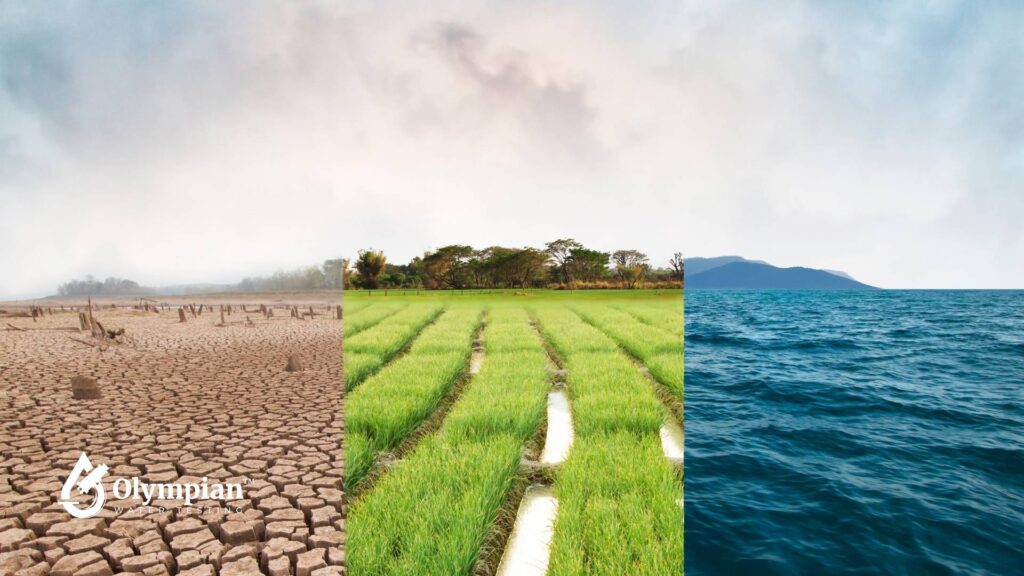
Many aquatic organisms suffer when atrazine enters rivers and ponds. Fish, amphibians, and other species face reproductive and immune system challenges. This harm can weaken food chains and reduce biodiversity, leading to fragile ecosystems.
Impact Area | Primary Concern | Suggested Action |
Human Health | Hormone Disruption | Regular testing and filtration |
Environment | Decreased Biodiversity | Responsible herbicide management |
How Atrazine Enters the Water Supply
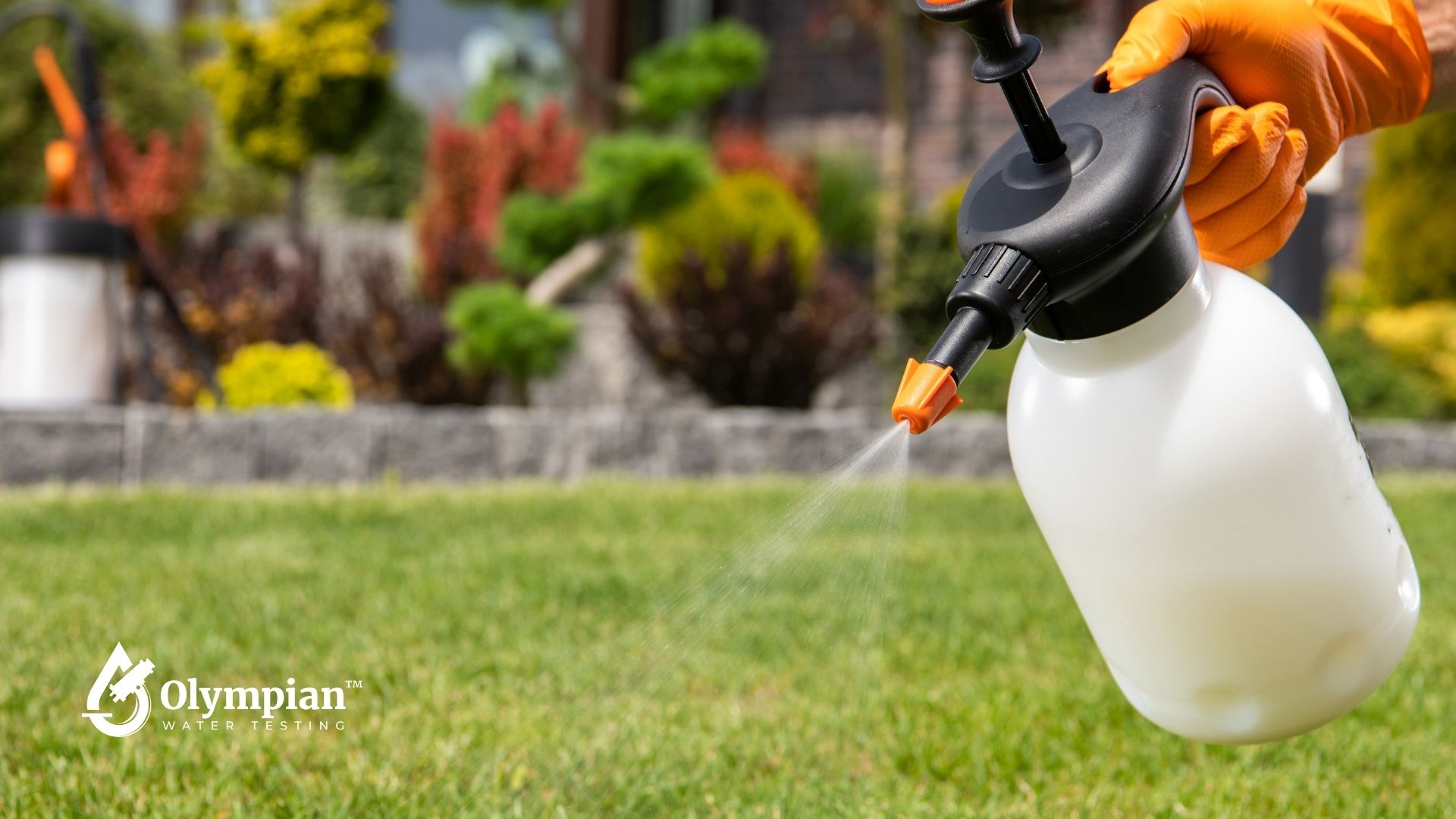
Atrazine enters ponds and wells through soil leaching and accidental spills. Herbicide drift during spraying spreads particles beyond targeted fields, increasing contamination risk. Agricultural runoff carries leftover atrazine, allowing streams and rivers to absorb this chemical.
Drinking water safety is a pressing concern due to atrazine’s ability to travel between regions. Users in areas with active farming may face greater exposure. Local water facilities sometimes struggle to remove every trace before it reaches consumers. This resource on atrazine explains how even small spills can impact a neighborhood’s water supply.
Groundwater infiltration occurs when atrazine penetrates deeper layers of soil. Rainstorms or irrigation cycles create channels for it to flow into underground aquifers. Vigilant testing is vital for drinking water safety, where herbicide usage is common.
Pathway | Possible Impact |
Surface Runoff | Streams and rivers receive contaminants |
Soil Leaching | Deeper groundwater contamination |
Overspray | Spread beyond intended farmland |
Key Indicators That Your Water May Contain Atrazine
Strange flavors or unpleasant smells can raise suspicion about possible contaminants. A subtle chemical aftertaste might prompt homeowners to question the purity of their supply. Yet appearance alone fails to reveal every risk, which makes close observation essential.
It helps to note any sudden changes that linger beyond a single glass of water. Unusual tastes last longer than simple mineral imbalances, so staying alert to new aromas can help pinpoint problems. These signs may indicate the need for further investigation and filtration methods.
Common Symptoms or Changes in Water
Some people report a bitter or musty sensation that does not dissipate with routine cleaning of faucets or drains. Yellowish tints might appear, though this is less common. Checking for these hints leaves room to spot trouble early.
Local Agricultural Activity
Large farms nearby often use herbicides. Intense spraying may increase atrazine runoff, placing wells or municipal supplies at higher risk. Community members can monitor local practices and consider filtration methods if they suspect contamination.
Simple At-Home Testing Methods
Many individuals start with basic test strips sold in hardware stores to screen for herbicides. These kits often detect a range of chemicals, including the compound in question. A quick dip in a water sample can reveal changes in color that point to possible contaminants. Results are not precise enough for detailed atrazine testing, though they can be a handy first step.
More advanced DIY kits from brands like Safe Home or Culligan deliver broader insights into water quality. They feature multiple indicators that reveal traces of pesticides. This approach assists in spotting early warning signs before costly lab work. In some cases, an electronic meter offers a more accurate snapshot, though readings may vary based on calibration.
At-home checks provide reassurance when suspicion arises. Low-cost solutions can highlight a need for deeper atrazine testing if preliminary results suggest elevated levels. A thorough follow-up with advanced methods may confirm whether water requires professional treatment.
Method | Approx. Cost | Accuracy |
Test Strips | $10–$20 | Basic Gauge |
Comprehensive DIY Kits | $25–$40 | Moderate Detail |
Electronic Meters | $50–$100 | Higher Precision |
Professional Testing Options
Testing residential water for contaminants is complex. Basic tests might miss hidden threats that harm health. Detailed evaluations can find herbicide contamination often overlooked in communities.
Experts recommend advanced tests to confirm atrazine levels before choosing filtration. These tests reveal how chemicals interact, increasing health risks. They help families make informed choices to reduce exposure and ensure safer water.
Certified Lab Analysis
Certified labs use precise tools like chromatography to detect atrazine. This method gives accurate data by separating compounds under controlled conditions. Labs provide detailed reports, helping homeowners understand risks and plan actions.
Hiring a Water Treatment Specialist
Working with a licensed specialist offers expert advice on removing herbicide contamination. They assess household systems and suggest filtration methods suited to local water. This ensures effective solutions are implemented.
Method | Key Technology | Primary Benefit |
Lab Analysis | Chromatography | Accurate Quantification |
Treatment Specialist | Custom Filtration Design | Tailored Solutions |
Reverse Osmosis Systems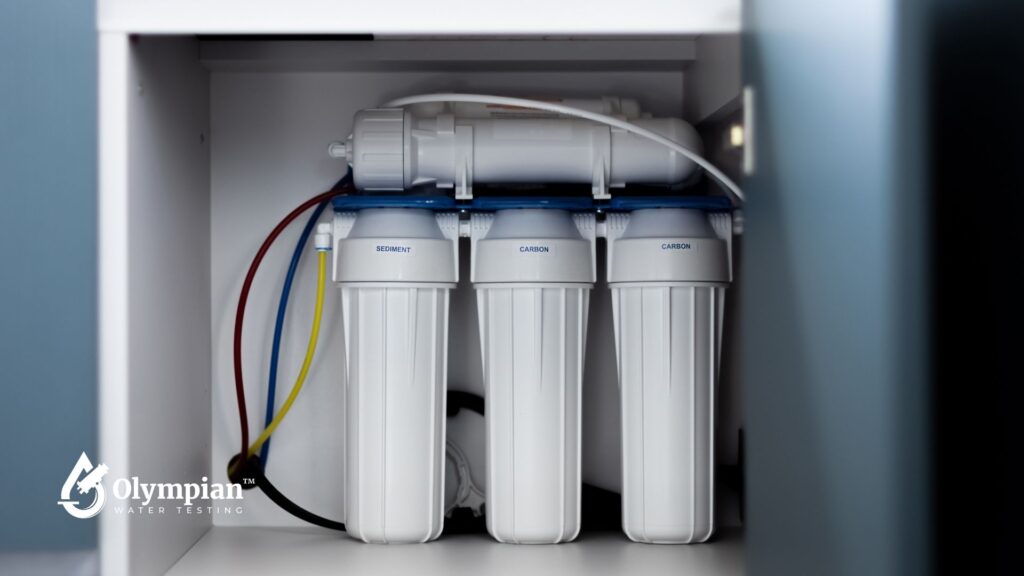
Reverse osmosis has become a popular choice for purifying water, effectively removing PFAS, pesticides, and metals. It employs a semipermeable membrane to filter out contaminants. This method ensures clean drinking water for households across the United States.
These systems include a dedicated pressure vessel, a pre-filter, and a membrane housing. They can be installed under the sink or at the point-of-entry. This protects families from harmful substances in agricultural runoff. Users should follow the manufacturer’s guidelines for membrane replacement. Some water is discarded to remove impurities, raising environmental concerns.
Many homeowners appreciate the consistent filtration provided by these systems. They offer long-term protection against contaminants, ensuring a reliable supply of safe water. This peace of mind is invaluable, reducing worries about agricultural runoff and common chemicals in drinking water.
Component | Role |
Pre-Filter | Removes sediment and chlorine |
Membrane | Captures atrazine and other pollutants |
Post-Filter | Improves taste and odor |
Activated Carbon Filtration
Activated carbon boasts a massive surface area, making it a leading choice for removing contaminants from drinking water. It’s a popular method for pesticide removal, focusing on compounds like atrazine. This approach offers households a practical way to ensure every glass of water is safe.
Both granular and powdered forms are effective, thanks to their ability to adhere to molecules at a microscopic level. The carbon can be reactivated through high-temperature processes. This not only extends its life but also minimizes waste.
How Activated Carbon Bonds with Atrazine
The process relies on adsorption. The carbon’s tiny pores capture atrazine molecules, holding them firmly in place. This strong bond prevents chemical leaching, providing families with confidence in their tap water’s purity.
Choosing the Right Carbon Filter
Options include bituminous coal-based, coconut shell-based, or lignite-based carbon. The size and structure of the filter’s pores are critical for effective pesticide removal. Selecting a filter that matches your household’s water quality ensures contaminants are captured before reaching your faucet.
Carbon Type | Adsorption Strength | Reactivation Poteial |
Coconut Shell | High for organics | Yes, via thermal process |
Bituminous Coal | Moderate to High | Possible with proper facilities |
Lignite | Moderate | Limited in some areas |
Distillation as an Additional Safeguard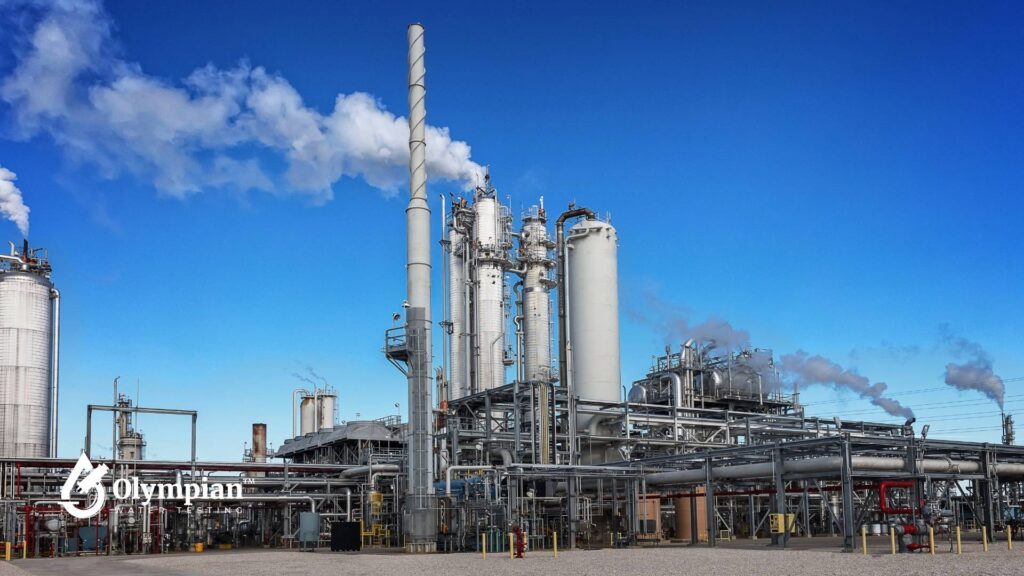
Distillation is a centuries-old method for purifying water. It involves heating water to its boiling point, creating steam. This steam, carrying many contaminants, rises and separates from the water. It then cools and condenses back into liquid form in a separate container.
This process requires significant energy and can be time-consuming. Despite this, it offers a high level of water purity. Many households use distillation alongside other methods to enhance drinking water safety. This is often necessary when water quality is uncertain or concerns are high.
In environments requiring utmost cleanliness, such as research labs or pharmaceutical facilities, distillation is a preferred choice. It’s also considered when other filtration methods are impractical or when an extra layer of protection is needed.
- High-purity output: Ideal for scenarios requiring strict cleanliness
- Slower process: Less efficient for large amounts of water
- High energy demand: May increase utility costs over time
When paired with carbon or reverse osmosis, distillation significantly contributes to maintaining drinking water safety. It offers an additional layer of protection for homes seeking enhanced peace of mind.
Maintaining Your Filtration System for Consistent Results
Proper care of reverse osmosis or granular activated carbon setups protects users from lingering traces of atrazine. Routine upkeep extends the life of these filtration methods and keeps performance steady. Periodic maintenance can address hidden issues before contaminants build up. Regular inspections can help pinpoint clogs and maintain effective functionality.
Regular Filter Replacement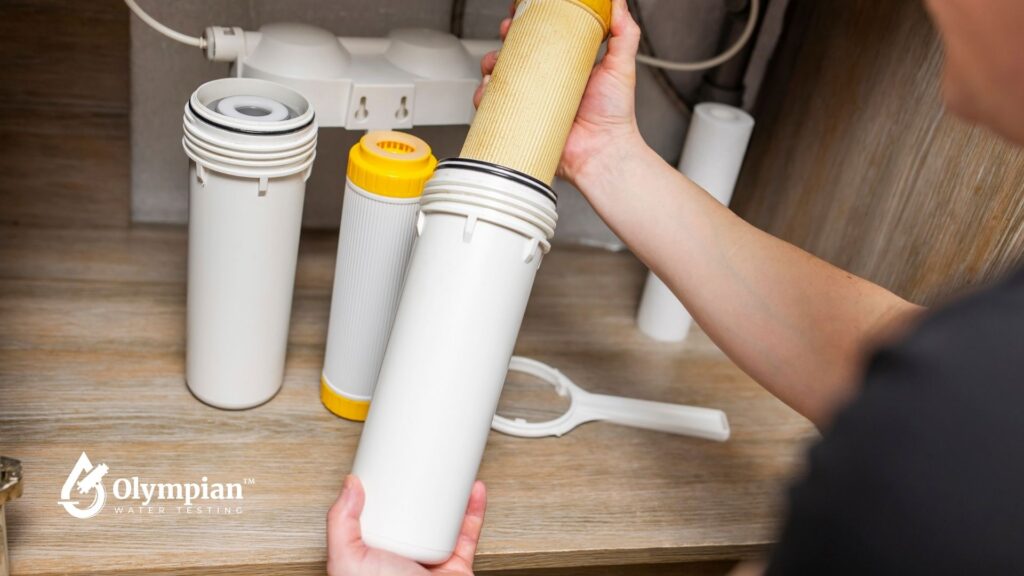
Filters have limited capacity to trap pollutants. Brands like Aquasana often provide recommended timelines for cartridge swaps. Water hardness may influence this schedule. Systems from recognized providers, such as Culligan, benefit from consistent checkups that preserve filtering power. Replacing parts on time lowers the risk of reduced adsorption capacity. Failing to do so can let undesirable substances pass through uninterrupted.
Monitoring Water Quality
Testing tap samples on a set schedule confirms that filtration methods are working as intended. At-home kits can catch early signs of compromised efficiency. Certified labs offer deeper analysis when needed. These checks ensure continued safety and peace of mind.
Evaluating Cost and Efficiency of Different Methods
When it comes to water treatment, families must weigh the cost against performance. Some opt for simple activated carbon units, while others choose more advanced systems that combine carbon with reverse osmosis. Both methods aim to meet various filtration needs without breaking the bank.
Costs vary widely, from affordable pitchers or small under-sink systems to more complex setups that need professional installation. Regular filter replacements are essential to keep water clean, and Atrazine testing is key during these times to ensure contaminants are removed. Upgrades to membranes or increased energy use can also impact long-term costs.
Regular atrazine testing helps users determine the most reliable solution for safe water. While simple test kits are budget-friendly, lab analysis offers a more detailed view of chemical residues. By comparing these options, consumers can make an informed decision about the best water quality over time, balancing initial costs with ongoing maintenance.
Making an Informed Choice for Your Home
Every household faces unique water concerns based on its location. Areas near farmlands or industrial sites are more likely to be exposed to herbicide contamination. Local water testing data can help determine the most effective filtration methods for each situation.
Location-Specific Considerations
Those living near agricultural zones need advanced strategies to combat chemical residues. Upgraded systems, including multi-stage filtration and regular professional checks, can significantly reduce risks. The shared experiences of communities with herbicide contamination highlight the importance of ongoing vigilance.
Budget-Friendly Alternatives
Not everyone can afford high-end technology. A point-of-use activated carbon filter is a more affordable option that offers some protection. Using at-home testing kits regularly helps track water quality without breaking the bank. Even on a tight budget, families can make informed decisions to protect their water supply.
Sustainable Approaches to Reduce Atrazine at the Source
Farmers and environmental groups are exploring new ways to reduce atrazine in waterways. A key strategy is to cut down on agricultural runoff before it reaches rivers or lakes. By adopting responsible spraying schedules and creating buffer strips, growers can limit chemical drift. These strips, filled with grasses or shrubs, act as a barrier, protecting fields and habitats.
Integrated pest management is another effective method. It involves a mix of biological controls and selective treatments to manage weeds. This approach reduces atrazine use. Researchers are also looking into nanomaterials, like graphene, to filter out atrazine at a molecular level.
Success hinges on collaboration between landowners, scientists, and industry leaders. Raising awareness about agricultural runoff risks encourages more sustainable farming. By adopting these strategies, we can protect communities and foster healthier ecosystems.
- Integrated Pest Management
- Buffer Zones and Grassy Strips
- Advanced Nanotechnology Research
Strategy | Key Advantage | Implementation Tip |
Responsible Spraying | Reduced Chemical Drift | Apply Treatments Under Calm Wind Conditions |
Doping Graphene | Enhanced Filtration | Partner with Emerging Tech Firms |
Final Thoughts on Water Purification and Safety
Efforts to keep atrazine out of household water have grown with new technologies and materials. Scientists have tested electrochemical advanced oxidation processes like photo-electro-Fenton to degrade this herbicide in surface water. Some have looked at doped graphene, which shows high adsorption for atrazine and other chemicals. These methods add to the growing list of solutions that support pesticide removal across diverse communities.
Researchers at the University of Illinois developed porous fibers with increased surface area and targeted pore size. Tests show these fibers can lower atrazine to below recommended levels more effectively than standard treatments. They fit into a broader trend of low-cost innovations that balance practicality and environmental care.
Activated carbon remains a versatile choice. It pairs well with plasma-based oxidation to boost pesticide removal results. The adsorptive ability of carbon-based filters, along with ongoing product improvements, helps individuals stay proactive about water quality.
Long-term safety depends on personal habits and ecological awareness. Consistent testing, less chemical use, and maintenance of filtration systems help keep shared water sources healthier. Commitment to these strategies protects families now and preserves valuable resources for tomorrow.
FAQ
What makes atrazine such a concern in drinking water?
Atrazine, a common herbicide, stays in soil and can enter waterways through runoff. It disrupts human endocrine functions and harms aquatic life. This makes addressing its presence in drinking water essential for health and the environment.
How can someone detect atrazine at home before hiring a professional?
DIY pesticide test kits, like those from Hach, can quickly check your water quality. They indicate if atrazine might be present. Yet, for precise results, certified lab analysis or a water treatment specialist’s advice is best.
Which filtration methods are most effective for removing atrazine?
Activated carbon filtration and reverse osmosis (RO) systems are top choices. Activated carbon adsorbs organic pollutants. RO’s membrane filters out a wide range of contaminants, including atrazine.
Do standard pitcher filters, like a Brita, remove atrazine effectively?
Some activated carbon filters in pitcher form can reduce atrazine. But their success depends on filter quality and replacement frequency. For high-risk areas, a multi-stage system or RO unit is more reliable.
What role does distillation play in atrazine removal?
Distillation captures atrazine by leaving contaminants behind as water turns to steam. It’s slow and energy-intensive. Yet, paired with activated carbon or RO, it adds an extra layer of protection.
Is regular filter maintenance really necessary?
Yes, it is. If filters aren’t replaced as recommended, their effectiveness drops. This allows atrazine and other contaminants to pass through. Regular replacement and monitoring ensure the system works well.
What are some early signs that atrazine might be in the water?
Changes in taste, odor, or color are early signs. Living near areas with intensive farming increases the risk of atrazine runoff in local water supplies.
Beside filtration, are there broader strategies to reduce atrazine contamination?
Sustainable farming practices, like buffer strips and reduced herbicide use, can limit atrazine runoff. Researchers also explore graphene doping and nanomaterials to treat water before it reaches cities.
Are reverse osmosis setups expensive to install and maintain?
Installation costs vary, but mid-range RO systems are affordable. Filters and membranes need replacement every 6–12 months, based on water quality and use. Over time, these costs are offset by better health and peace of mind.
How can homeowners ensure they’re choosing the right filtration system for their area?
Consider EPA guidelines, local water reports, and agricultural activities in your area. For high atrazine levels, a multi-stage system offers extra protection. In lower-risk areas, a point-of-use activated carbon filter may be enough, with regular testing.