
Common Concerns About Drinking Water Abroad
Travelers often ponder the impact of new environments on their daily habits. Ensuring drinking water safety is critical when facing unknown bacteria or unique filtration systems. The fear of contamination or lingering microbes is common, as these may not exist in their hometown.
Staying informed about drinking water safety is key to avoiding health risks. Researching local water regulations and seeking advice from global health agencies can alleviate concerns. Consulting official guidelines adds an extra layer of confidence for those unsure about local conditions.
“I once traveled to a humid region and stuck to proper hydration tips. It kept me feeling strong for the entire trip.”
- Check sanitation standards before departure
- Watch for updates from reputable health authorities
- Consider bottled or purified water for daily use
Concern | Suggested Action |
Unfamiliar bacteria | Use water filters or boiling methods |
Varying regulations | Stay updated on regional advisories |
Understanding Tap Water in Punta Cana
Tap water in Punta Cana is governed by local regulations and chlorination processes. Neighborhoods vary in their water stability, with some experiencing consistent supplies while others face occasional disruptions. Resorts often install additional filtration systems to meet these changing demands. For a more reliable experience, visitors can follow Dominican Republic travel tips that emphasize safe water practices.
Local Infrastructure and Water Treatment
Government-led initiatives oversee the management of water sources in Punta Cana. These sources are treated to minimize germ presence. Hotels sometimes collaborate with local utilities to enhance purification standards. Confirming if your hotel adheres to strict water treatment protocols can provide reassurance.
Impact of Tourist Demand on Water Quality
Peak tourist seasons can strain water resources, leading to service interruptions. The influx of visitors can temporarily deplete water reserves. Travelers are advised to stay updated on local water conditions and opt for filtered water if necessary.
Health Risks Associated with Unsafe Drinking Water
Visitors often wonder about the dangers of untreated water sources and the significance of water quality concerns. Poor filtration or outdated systems can lead to harmful bacteria in local supplies. This contamination may cause stomach pain, fatigue, and digestive issues.
While serious illnesses are rare, they are significant. In some areas, contaminated resources increase the risk of infection. It’s essential to follow local guidelines to minimize risks. Boiling or using filtered water can help mitigate many concerns.
Traveler’s Diarrhea and Common Illnesses
Diarrhea is a frequent issue for tourists. Mild cases can be brief but disrupt travel plans and require hydration. In less developed areas, diseases like cholera and giardiasis may occur. To stay safe, use bottled water for oral hygiene and avoid unverified sources.
- Brush teeth using sealed or filtered water
- Carry purification tablets for uncertain conditions
- Seek medical help if symptoms last longer than expected
Bottled Water Versus Tap: Key Differences in Punta Cana
Many visitors in Punta Cana opt for bottled water to prevent illnesses that could ruin their vacation. Brands like Aquafina or Evian are frequently seen on menus and in hotel lounges. These brands undergo rigorous quality checks, providing peace of mind for those worried about local water contaminants.
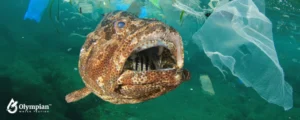
Yet, there’s another consideration: plastic waste. The frequent use of bottled water can lead to more plastic waste. For those concerned about the environment, looking for refill stations or using a reusable container is a good option. Some eco-conscious hotels even offer filtered water dispensers to reduce plastic use, giving travelers a greener choice.
Brands sold in supermarkets and resorts provide clear labels about their purification processes. This transparency distinguishes bottled water from tap water, whose treatment methods can vary widely. For tourists seeking reliability, sealed bottled water is often the safer choice, whether due to sensitive stomachs or a desire to avoid health risks.
Advice From Locals and Travel Experts
Local residents and frequent travelers offer practical tips for staying healthy. They suggest checking if businesses use filtered water in their kitchens and ice machines. This simple step can provide peace of mind during meals or refreshments.
Tips for Dining Out
Guests frequently inquire about a restaurant’s preparation standards. Asking servers about produce rinsing in safe water can lower the risk of stomach issues. Some opt for lightly grilled items or cooked vegetables over raw salads in smaller eateries.
Choosing a spot with visible purification equipment is a good sign. It indicates a focus on water purification methods.
Choosing Safe Beverages
Bottled drinks are a favorite among locals, and sealed brands offer travelers reassurance. Glass containers for soda and sealed fruit juices are highly recommended. If unsure about ice, opting for a drink without it is a safe choice.
Many prefer fresh juices made with pure water purification methods. These add vibrant flavors to meals without the risk of stomach troubles.
How to Purify Water During Your Stay
Ensuring safe hydration is a top priority for many visitors in Punta Cana. Some opt for store-bought bottles, but personal filtration and treatment methods are more eco-friendly. They significantly reduce the risk of traveler’s diarrhea when used correctly.
Many tourists carry lightweight filter straws or gravity-fed systems to remove harmful particles. It’s wise to check product features before heading out. It’s essential to handle these devices as instructed to prevent contamination.
Portable Filters and Purification Tablets
Brands such as LifeStraw or Katadyn offer portable filters that fit easily in backpacks. Purification tablets like Aquatabs neutralize pathogens in just minutes. These tools are beneficial for trips away from busy resort areas. They come in handy if local water sources are the only option. Following directions ensures effectiveness and lowers your risk of traveler’s diarrhea.
Eco-Friendly Alternatives for Hydration
Tourists often seek ways to minimize waste when exploring tropical destinations. Using refillable bottles is a simple step that reduces plastic buildup. Brands like Brita and Hydro Flask offer durable options that work well in warm climates.
Many resorts maintain stations where guests can replenish their bottles. This supports eco-friendly hydration by cutting down on single-use plastics. In turn, local beaches and marine life face fewer hazards from discarded containers. Some travelers opt for stainless steel or BPA-free bottles for peace of mind.
A few items enhance sustainability even more. Biodegradable cups or straws contribute to cleaner coastlines. Guests looking for extra filtration pack portable systems that sift out impurities in seconds. Fewer disposables mean less harm to Punta Cana’s delicate reefs.
"By staying mindful of daily habits, every visitor can support cleaner waters," says a spokesperson from the World Wildlife Fund.
- Carry a personal filter bottle to reduce disposable waste
- Choose refillable stations whenever possible
- Dispose of items responsibly to protect local ecosystems
Brand | Key Feature | Approx. Cost | Reusable Benefit |
Brita Premium | Built-in filter | $20 – $30 | Filters water on-the-go |
Hydro Flask | Double-wall insulation | $30 – $45 | Maintains temperature for hours |
Klean Kanteen | Stainless steel design | $25 – $40 | Reduces single-use plastic |
What to Do in Case of Illness or Dehydration
Recognizing early signs of illness is key to a healthy visit to Punta Cana. Dehydration can result from heat, physical exertion, or not drinking enough water. If you feel nauseous, dizzy, or notice your mouth is dry, it’s time to rest and drink more fluids. For mild stomach issues, over-the-counter remedies and balanced meals can help.
Identifying Warning Signs
Ignoring certain symptoms can lead to more serious problems. Feeling extremely tired, having persistent diarrhea, or confusion are signs of dehydration. Drinking an oral rehydration solution and monitoring your urine can prevent further issues. Quick action is essential for a speedy recovery.
Seeking Medical Assistance in Punta Cana
If symptoms worsen or don’t improve, seeking medical help in Punta Cana is necessary. The local 911 line connects you to emergency services. Hospitals like Hospiten Bávaro (+1 809-686-1414) are open 24/7. Centro Médico Punta Cana (+1 809-552-1506) offers multilingual support and a pharmacy.
IMG Hospital meets international safety standards and has agreements with over 80 global insurers. For more on staying hydrated on vacation, check out this guide. Having medical contact information ready makes accessing help in Punta Cana easy. Pharmacies like Farmacia Punta Cana (+1 809-959-0025) provide non-emergency supplies, and Politur is available at +1 809-222-2026 ext. 2385 for security.
Facility | Location | Phone | Hours |
Hospiten Bávaro | Near Airport | +1 809-686-1414 | 24/7 |
Centro Médico Punta Cana | Plaza Bávaro | +1 809-552-1506 | 24/7 |
Farmacia Punta Cana | Near Airport | +1 809-959-0025 | 9:00 am – 10:00 pm |
Farmacia El Manglar | Plaza Bávaro | +1 809-552-1533 | 8:00 am – 12:00 pm |
IMG Hospital | Bávaro | 911 / +1 809-285-6116 | 24/7 |
Staying Confident About Water Quality While Traveling
Travelers who heed local water guidelines often have safer experiences in Punta Cana. Simple practices like drinking bottled or filtered water and washing hands frequently are key. Resorts in popular spots adhere to high standards for guest health, fostering a safer environment.
Being mindful of any health warnings can avert most issues. A bit of planning is essential. This approach supports confident travel, regardless of the season. Taking extra steps, such as using portable purifiers or dining at verified restaurants, safeguards both visitors and the local environment.
Access to reliable sources and current information is vital for staying healthy. The aim is to enjoy Punta Cana’s beauty without concern. By prioritizing water safety, travelers can fully immerse themselves in the island’s scenic views and cultural richness. This proactive stance ensures cherished memories last long after the trip.
FAQ
Is the tap water safe to drink in Punta Cana?
In Punta Cana, the infrastructure and treatment processes meet government standards. Yet, most experts advise against drinking tap water due to bacterial contamination and inconsistent filtration. Resorts often have additional purification measures, making their water safer than public sources.
Can travelers use tap water to brush their teeth?
While some resorts have reliable water treatment systems, it’s safer to brush teeth with bottled or properly filtered water. This caution helps reduce exposure to bacteria or parasites that may affect a traveler’s immune system.
How readily available is bottled water in resort areas?
A: Bottled water is widely available in Punta Cana’s tourist sector. Most resorts provide complimentary bottles in guest rooms. Convenience stores also carry popular international and local brands. This offers peace of mind for those concerned about waterborne illnesses and subpar filtration.
Are there environmentally friendly ways to stay hydrated without single-use plastic?
Yes. Many travelers bring reusable bottles with built-in portable filters or use stand-alone gravity-fed systems to minimize plastic waste. Some hotels and resorts now offer refilling stations with purified water, helping guests stay hydrated and reduce environmental impact.
What about ice and fresh produce in local restaurants?
Before ordering beverages with ice or raw produce, travelers should confirm if the establishment uses purified water. Dining venues focused on tourist safety often filter water for washing produce and making ice. It’s best to double-check with staff to avoid health issues like traveler’s diarrhea.
What should a visitor do if they experience traveler’s diarrhea or dehydration?
If symptoms are mild, over-the-counter remedies combined with oral rehydration solutions can help. Seek medical help if symptoms last more than a couple of days or worsen. Reputable healthcare facilities in Punta Cana include Hospiten Bávaro and Hospital IMG. The CESTUR police force and local authorities can also assist in navigating medical care.
Is it safe to explore local water sources away from resort hubs?
Venturing beyond standard tourist destinations may mean encountering inconsistent water quality. For remote areas, travelers often rely on portable filtration devices or purification tablets to neutralize contaminants. Following product guidelines closely is critical to avoid parasites or other pathogens.
How do resorts handle increased demand and ensure consistent water quality?
Many resorts implement supplemental filtration systems to meet the high volume of tourists. These systems help maintain dependable water quality for cooking, drinking, and making ice. Yet, fluctuations in tourist demand can strain local infrastructure. Travelers should remain cautious and opt for filtered or bottled water when in doubt.