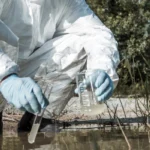

Overview of Colorado’s Water Sources
Residents depend on a vast network of streams, reservoirs, and aquifers for their daily water needs. The journey starts in high-altitude snowfields, where each melt cycle replenishes rivers. These rivers then supply cities and towns. Communities cherish these resources for their purity and natural origin.
Mountain Streams and Snowmelt
Many waterways originate from Rocky Mountain snowmelt before flowing downhill. These streams fill critical reservoirs and support wildlife. The flow rates change with the seasons, making mountain runoff variable throughout the year.
Groundwater Reserves vs. Surface Water
In some areas, wells provide a steady water supply, drawing from underground reserves. The water quality can differ between surface sources and deeper aquifers. Colorado water regulations ensure that drinking water remains clean and reliable.
Source Type | Key Characteristics |
Mountain Streams | Seasonal flow, often clear and cold |
Reservoir Storage | Helps regulate supply throughout dry periods |
Groundwater Aquifers | Stable but varies in mineral content |
Federal and State Regulations for Safe Drinking Water
The Environmental Protection Agency (EPA) sets strict guidelines to protect public water supplies from harmful substances. State agencies enhance these efforts with specific oversight, requiring regular checks that meet water quality standards. This dual approach ensures safe drinking water for both mountain towns and large cities.
Utilities like Denver Water conduct regular tests on both raw water and treated water. They monitor contaminants such as lead and emerging compounds. They also apply corrosion control to safeguard distribution lines. This proactive approach ensures Colorado water safety for every home, making tap water a reliable source.
Potential Contaminants in Mountain Regions
Colorado’s rugged peaks can harbor various substances that may influence water quality. Local streams often carry minerals from exposed rock formations. Chemical residues from nearby fields can also reach reservoirs. Many of these drinking water contaminants are monitored under Colorado water regulations, helping ensure public safety.
Naturally Occurring Minerals
In high-altitude locations, certain elements like iron and fluoride appear in elevated amounts. These compounds emerge from geologic processes and may alter taste or color. Treatment facilities track shifts in mineral content, adjusting their methods to meet public health guidelines.
Runoff from Agricultural Activities
Agricultural areas, though less intense in higher elevations, contribute nutrients or pesticides that flow into waterways. Land management practices aim to prevent excessive runoff, and local guidelines help protect public supply. Regular testing highlights any changes, prompting adjustments to local treatment procedures.
Role of Colorado’s Climate in Water Quality
Colorado’s semi-arid landscape deeply impacts its water resources. Cold winters bring heavy snowfall at higher elevations, but drier summers lead to supply fluctuations. These changes can affect the taste and clarity of tap water, often due to variable runoff and temperature shifts.
Seasonal Variations and Impact on Supply
Snowy months are critical for building up reserves that feed reservoirs in spring. The Rocky Mountain snowmelt becomes a vital source. Streams and lakes collect this melt, boosting reserves for local communities. The timing of these flows is key to maintaining water abundance or facing scarcity.
Drought Conditions and Water Scarcity
Less precipitation raises concerns about reduced snowpack and lower reservoir levels. This situation may lead to stricter water usage guidelines. It’s important to conserve water, limiting nonessential activities. Drier years also increase worries about mineral buildup, as less runoff means more concentrated elements. This makes ongoing planning and mindful consumption critical.
Exploring Municipal Water Treatment Processes
Many communities depend on a series of precise methods to transform raw mountain sources into drinkable tap water. Coagulants, like aluminum sulfate, bind tiny particles that would else remain suspended. These particles then settle out during sedimentation, followed by thorough filtration steps.
Disinfection follows, targeting microbial threats and ensuring public health safety. Some treatment plants also manage pH levels or include corrosion inhibitors to protect infrastructure. This continuous effort is essential for maintaining Colorado water safety across various terrains. The treatment sequence is vital for every household, forming a cornerstone of the Denver Water supply.
- Particle bonding through coagulants
- Sedimentation of collected floc
- Filtering for enhanced clarity
- Disinfection to remove pathogens
- pH control and pipe protection
Stage | Goal |
Coagulation | Gather impurities into clumps |
Sedimentation | Ensure particles sink and separate |
Filtration | Trap remaining debris |
Disinfection | Neutralize harmful organisms |
Common Household Water Filtration Options
Denver Water emphasizes that while home filters are not mandatory, they can offer a sense of security. Many residents opt for extra protection against contaminants and the risks associated with PFAS in Colorado. Filters are ideal for homes with older plumbing or those looking to remove specific contaminants for better taste and odor.
Choosing the right water filter can be simplified with a guide. It’s essential to follow maintenance schedules and manufacturer guidelines. Regularly replacing cartridges prevents the accumulation of harmful particles.
Reverse Osmosis Systems
Reverse osmosis systems apply pressure to push water through a semipermeable membrane. They effectively block many impurities, including some PFAS compounds. The size and complexity of these systems vary, but their goal remains the same: to reduce heavy metals and dissolved solids.
Carbon Filters and UV Treatment
Carbon filters address chlorine taste and organic compounds. Ultraviolet light, on the other hand, targets microbial threats. This is critical in areas prone to bacterial contamination. Proper maintenance and setup are key to maintaining the effectiveness of these systems. They ensure water remains fresh, boosting confidence in every glass.
Testing Procedures and When They’re Needed
Regular sampling is key to ensuring every glass of water is safe. Denver Water conducts thousands of tests annually. Colorado Springs publishes annual reports with critical findings. Public systems share Consumer Confidence Reports, enabling residents to track any changes in tap water quality in Colorado.
Testing covers water from mountain streams to treatment facilities and homes. It measures bacteria, metals, and emerging contaminants like PFAS, adhering to strict standards. Each step ensures risks are kept in check, giving people confidence in their tap water. Transparency is enhanced through published results and online dashboards, building trust in communities.
Both municipal suppliers and private well owners benefit from regular evaluations. Annual tests for common bacteria and chemical indicators can reveal hidden issues early. This consistent monitoring strengthens public trust in regulated systems and highlights the importance of timely interventions. For added peace of mind, individuals can consult certified labs for deeper analysis.
Environmental Factors Affecting Reservoirs
Colorado’s reservoirs are vital for both communities and ecosystems. They provide drinking water and support diverse habitats. Yet, changes in land can pose risks. Agencies monitor for drinking water contaminants to ensure Colorado water safety and protect these resources.
Wildlife and Ecosystem Considerations
Birds, fish, and mammals influence water quality through their interactions. Larger animals can stir up sediment, temporarily increasing turbidity. Shoreline nesting activities may introduce bacteria or other contaminants. Water experts study these phenomena to develop protective strategies for reservoir health.
Human Recreational Impact on Lakes
Recreational activities like boating, fishing, and hiking draw people to scenic shores. Accidents or spills can pollute the water, affecting its quality. Invasive species can also harm native aquatic life. Management plans aim to balance recreational enjoyment with environmental protection.
Local Perceptions of Drinking Water Safety
Recent J.D. Power feedback has placed Colorado outside the top 10 for satisfaction. Yet, many residents disagree, citing the purity of mountain-fed streams. These streams are known for their crisp flavors across various areas. Eldorado Springs, for instance, was celebrated in a renowned tasting event, boosting confidence in the natural taste and rigorous oversight of local water.
Many believe tap water in Colorado is of reliable quality. Others emphasize the ongoing efforts to enhance infrastructure and safeguard water supplies. The conversation around Colorado water safety reveals a common goal among homeowners, utilities, and independent evaluators. It highlights the need for consistent testing, timely updates on local conditions, and a commitment to open communication.
Location | Consumer Ranking | Key Insight |
Eldorado Springs | High | Flavor recognized in competitions |
Denver Metro | Moderate | Infrastructure upgrades in progress |
Western Slope | Varied | Opinions differ based on source |
Key Differences Between Urban and Rural Water Supplies
In cities like Denver and Colorado Springs, utilities adhere to strict Colorado water regulations. These cities benefit from centralized treatment systems, employing advanced filtration methods. Sophisticated oversight ensures safety across diverse communities.
Rural areas often rely on smaller networks or private wells. Smaller towns face budget constraints, impacting system upgrades. Rocky Mountain snowmelt is a vital source, but limited resources hinder the adoption of modern technologies.
Infrastructure Investment
Long-term funding and maintenance are critical for water quality. Metropolitan providers receive more support for capital projects, including state grants and bonds. Rural networks may need additional funds for aging pipe replacement or modern filtration units.
- Public programs often exist to bridge budget gaps.
- Smaller treatment plants face tight financial constraints.
- Private wells require owners to manage costs independently.
Quality Monitoring Challenges
Urban facilities undergo regular inspections and laboratory tests due to high consumer numbers. Smaller communities test less frequently, increasing the risk of unnoticed contaminants. Rigorous tracking is essential for meeting standards and protecting health in larger districts.
Feature | Urban Supplies | Rural Supplies |
Funding | Robust and diverse | Limited or grant-dependent |
Technology | Advanced filtration | Basic or outdated systems |
Testing Frequency | Regular and extensive | Less frequent in some cases |
tap water in colorado: Myths and Misconceptions
Many believe every mountain spring is pure, unaware of the risks. Water that looks clean can hide algae or parasites.
Safety of Untreated Spring Sources
Local tales often suggest natural springs are free from contaminants. Yet, untreated sources can harbor pathogens, posing health risks. The presence of PFAS in Colorado’s water has raised awareness, leading many to opt for tested filtration systems. Municipal water services, by removing harmful substances, add an extra layer of safety.
Fluoride and Health Concerns
Fluoride levels in tap water are a topic of discussion. Local providers adhere to strict standards, ensuring fluoride levels are within safe limits. Denver Water supply adjusts fluoride content according to scientific research and state regulations. Regular testing gives residents peace of mind, knowing their tap water is safe and reliable.
Reflections on Sourcing Reliable Water in Colorado
In Colorado, water utilities face the challenge of delivering water across mountainous terrain. They use transmountain pipelines and advanced treatment methods to ensure a steady supply. Their commitment to sustainability addresses the growing needs of the population. From the Rockies’ peaks to your faucet, each step is designed to maintain Colorado water safety.
The semi-arid climate demands constant testing and monitoring. This rigorous approach boosts confidence in the tap water. It ensures that every drop is safe for consumption.
Local agencies push for practices that benefit both health and the environment. They advocate for using reusable containers and adopting smart conservation habits. By choosing tap water, residents and visitors reduce plastic waste. This collective effort strengthens the promise of clean, reliable water for all.