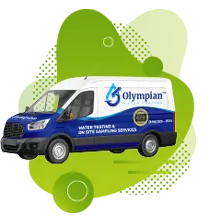
Olympian Water Testing™
- On Site Laboratory Testing
- PWTA Well Water Testing for Real Estate Transactions
- DOH / DEP / EPA / NELAP Standards
- Residential & Commercial
- E. coli and Total Coliform
- Heterotrophic Plate Count
- Heavy Metals
- Chemicals
- Microplastics
- Iron
- Lead
- Copper
- PFAS / PFOS
- VOCs
- HAA5
- All Contaminants
Celebrating New York's #1 Consumer Choice for 35 Consecutive Years
Olympian Water Testing delivers expert water testing and analysis, targeting contaminants like microplastics, PFAS, VOCs, heavy metals, E. coli, total coliform, Legionella, and more. As the trusted choice for on-site laboratory testing, we adhere to top DOH, DEP, EPA, and NELAP standards. Our dedicated Client Services Team is available to consult with you around the clock, every day of the year, ensuring reliable support whenever you need it.
We Test in Full Compliance with The Private Well Water Testing Act for Real Estate Transactions
West Village Water Testing
Consulting & Lab Analysis
Well Testing • City / Municipal Water
✓ Well Testing ✓ City / Municipal Water
Mobile Laboratory
Sampling

Well Water
State-mandated Private Well Testing Act (PWTA) panels for home sales. We perform all required testing—including bacteria, arsenic, lead, VOCs, and nitrates—with fast turnaround and full compliance reporting.

Laboratory
Certified laboratory water testing services designed for professional, medical, and commercial applications. Full-spectrum analysis ensures precision, compliance, and scientifically valid results.

Potability
Precise potability analysis, verifying essential safety benchmarks—from coliforms to chemical residues—using laboratory-grade instrumentation to ensure water meets or exceeds national drinking standards.

Pools and Spas
Certified weekly and monthly testing for Spas, hotels and commercial pools. Focused on E. coli and total coliform detection, our lab ensures water safety compliance with NJ recreational bathing code requirements.

Lead and Copper
High-precision assays targeting lead and copper levels in water systems. Utilizing EPA-approved methodologies, data-driven reporting ensures regulatory compliance and safeguards public health.

Schools
Dedicated school water safety testing includes multi-point sampling and pathogen screening. Laboratory-level analysis ensures student and staff environments remain free from dangerous contaminants.

Bacteria
Advanced bacteriological screening checks for E. coli, coliforms, Legionella, and other pathogens. Laboratory-controlled procedures provide definitive results, enhancing health protection.
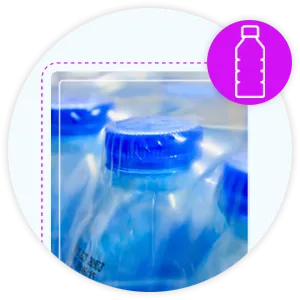
Microplastics
State‑of‑the‑art microplastic detection using spectrometry and filtration techniques. Identifies and quantifies microscopic particles, delivering laboratory-grade data on plastic contamination.
Why Choose Olympian Water Testing?
Choose Olympian Water Testing for expert, on-site analysis and trusted results that meet the highest regulatory standards for water safety.
Latest Technology
Accurate
Cost-Effective
Fast Results
Our Standards
What Our Clients Say
Contact Client Services
- ONLINE NOW
Trusted Partners
At Olympian Water Testing™, we’re dedicated to a cleaner, healthier planet, making a positive impact through every service we provide. Thank you for choosing us as your trusted sustainability partner.
Water Management of West Village, New York
The West Village, a historic neighborhood in Manhattan’s Lower West Side, shares in New York City’s (NYC) extensive water management legacy, progressing from localized wells to a vast municipal network. In the 17th and 18th centuries, early Manhattan settlers, including those in areas like the West Village (then part of Greenwich Village), depended on private wells, springs, and ponds, with key sources such as the Collect Pond in lower Manhattan and the first public well at Bowling Green in 1677, as detailed by the New York City Department of Environmental Protection (DEP). Growing pollution from urban expansion and nearby waterways led to contamination issues, exacerbated by the ineffective Manhattan Company’s 1799 efforts, culminating in cholera epidemics and fires that prompted the shift to surface water via the Croton Aqueduct in 1842, a 41-mile gravity-fed conduit from upstate that revolutionized supply and supported development in neighborhoods like the West Village.
Today, the West Village is served by the integrated NYC water supply system, overseen by the DEP, delivering water to nearly 9 million residents across over 7,000 miles of infrastructure. Sourcing entirely from protected upstate surface waters in the Croton, Catskill, and Delaware watersheds encompassing 19 reservoirs and three lakes over 2,000 square miles, up to 125 miles away, the system primarily utilizes the Delaware Aqueduct (the world’s longest tunnel at 105 miles) and blends supplies at Hillview Reservoir before distribution to Manhattan. This gravity-powered setup provides about 1.3 billion gallons daily, enhanced by modern facilities like the 2013 Catskill/Delaware Ultraviolet Disinfection Facility for pathogen treatment without full filtration for most sources. Operations are supported by stringent watershed safeguards, including the DEP’s Land Acquisition Program protecting over 130,000 acres since 1997 and the 1997 Memorandum of Agreement with upstate stakeholders to minimize contamination. Recent initiatives feature widespread pipe upgrades under multi-billion-dollar capital plans to reduce leaks and improve durability, with corrosion inhibitors like phosphoric acid added to curb lead release. The system upholds fluoridation for oral health, though facing 2025 City Council proposals like Int 1379-2025 to ban it, prompting public discussions without current discontinuation. NYC is also advancing compliance with the EPA’s Lead and Copper Rule Improvements, completed inventories in October 2024 revealing nearly 30% of service lines (about 241,000 citywide, including in the West Village’s historic pre-1961 structures) as lead or unknown, with mandates for full replacement by 2037; supported by federal Bipartisan Infrastructure Law funds and DEP’s free replacement program expanded in October 2025, alongside at-home testing and filter distribution for vulnerable properties.
Westchester County: 10501, 10502, 10503, 10504, 10505, 10506, 10507, 10510, 10511, 10514, 10517, 10518, 10519, 10520, 10522, 10523, 10526, 10527, 10528, 10530, 10532, 10533, 10535, 10536, 10538, 10543, 10545, 10546, 10547, 10548, 10549, 10550, 10552, 10553, 10560, 10562, 10566, 10567, 10570, 10573, 10576, 10577, 10578, 10580, 10583, 10588, 10589, 10590, 10591, 10594, 10595, 10596, 10597, 10598, 10601, 10603, 10604, 10605, 10606, 10607, 10701, 10703, 10704, 10705, 10706, 10707, 10708, 10709, 10710, 10801, 10803, 10804, 10805, Yonkers: 10701, 10703, 10704, 10705, 10710, Mount Vernon: 10550, 10552, 10553, New Rochelle: 10801, 10804, 10805, Peekskill: 10566, Port Chester: 10573, Rye: 10580, Tarrytown: 10591, Sleepy Hollow: 10591, Bedford: 10506, Bronxville: 10708, Cortlandt: 10567, Eastchester: 10709, Greenburgh: 10607, Harrison: 10528, New Castle: 10514, Ossining: 10562, Pelham: 10803, Pleasantville: 10570, Rye Town: 10580, Somers: 10589, Yorktown: 10598, Ardsley: 10502, Briarcliff Manor: 10510, Elmsford: 10523, Irvington: 10533, Larchmont: 10538, Lewisboro: 10590, Mamaroneck: 10543, Mount Kisco: 10549, Pelham Manor: 10803, Scarsdale: 10583, Tuckahoe: 10707, White Plains: 10601, 10603, 10604, 10605, 10606.