

The Connection Between PFAS in Drinking Water and Human Health
A technical paper by Olympian Water Testing specialists

Introduction to PFAS
Per- and polyfluoroalkyl substances (PFAS) are synthetic chemicals, widely used in many industries because of its special properties, like oil and water repellence, chemical stability and heat resistance [1]. There are more than 4,000 known PFAS, and perfluorooctanoic acid (PFOA) and perfluorooctanesulfonic acid (PFOS) are the most commonly investigated PFAS [2].
PFAS are present in consumer goods such as nonstick pots and pans, water-resistant clothing, and stain-resistant carpeting and upholstery [3]. They are also applied in industry such as fire fighting foams, paper and packaging materials, and metal plating [4].
The routes by which PFAS reach water supply are many. The main source of PFAS in water is PFAS that is spilled from factories or military bases where it is consumed or produced [5]. PFAS can also get into drinking water via leaching PFAS from landfills or spilling PFAS from consumer products into the environment [6]. PFAS also can exist in drinking water when people have products made with PFAS (i.e., stains-resistant carpeting or nonstick cooking pans) in the house [7].
PFAS in water can potentially be harmful to humans. Some research has suggested that PFAS can cause negative health effects such as cancer risk, immune dysfunction and impaired foetal/child development [8]. We should note that the evidence for these health effects is weak and there is much more work to be done to fully determine the impact of PFAS from drinking water [9].
Bottom line: PFAS are artificial chemicals in many consumer products and industries. They can enter our water from leaching of these chemicals from factories or bases, or from PFAS in landfills, or from PFAS in consumer products that are discharged into the environment. The presence of studies suggesting negative health effects from PFAS use was also cited, though more studies are needed to truly know what’s at stake for PFAS in drinking water.
[1] U.S. Environmental Protection Agency (EPA). (2016). Perfluoroalkyl and Polyfluoroalkyl Substances (PFASs).
[2] European Chemicals Agency (ECHA). (2019). Perfluorooctanoic acid (PFOA) and its salts.
[3] Centers for Disease Control and Prevention (CDC). (2019). Perfluoroalkyls (PFASs).
[4] U.S. Environmental Protection Agency (EPA). (2019). PFAS Use in Industry.
[5] U.S. Environmental Protection Agency (EPA). (2020). Sources of PFAS.
[6] U.S. Environmental Protection Agency (EPA). (2020). How Do PFAS Get in the Environment?
[7] U.S. Environmental Protection Agency (EPA). (2020). How Do PFAS Get into Drinking Water?
[8] U.S. Environmental Protection Agency (EPA). (2019). Health Effects of PFAS.
[9] World Health Organization (WHO). (2019). Perfluoroalkyl substances (PFAS).
Health effects of PFAS

Per- and polyfluoroalkyl substances (PFAS) are synthetic chemicals, used in industries since the emergence of this class of chemicals, which possess their special properties of oil and water resistance, chemical stability and heat resistance [1]. The total number of PFAS identified exceeds 4000 and the two most studied are perfluorooctanoic acid (PFOA) and perfluorooctanesulfonic acid (PFOS) [2].
The effects of PFAS exposure have been reported across multiple health effects. The possibility of PFAS exposure being related to cancer risk, especially kidney and testicular cancer has been suggested in some studies [3]. Other research reported that PFAS exposure might destabilize the immune system, causing a worsening of infections and other immune-related illness [4].
Infertility and developmental problems were also attributed to PFAS. Some studies have suggested that men and women exposed to PFAS might be less fertile [5]. Furthermore, PFAS have also been associated with detrimental effects on fetal and child development such as derangement of physical and cognitive functions [6].
PFAS can also be liver damaging, with a few studies reporting PFAS-related liver damage and liver disease [7]. Other health risks of PFAS are the thyroid hormone disruption, insulin resistance and cholesterol change [8].
The evidence for these health effects is limited, of course, and more studies are needed to better determine the risks of PFAS exposure. Moreover, we don’t know how much of these health impacts are directly due to PFAS in drinking water itself, since PFAS can also be found in food, air and consumer products.
Ultimately, PFAS use has been linked to many health outcomes, including increased risk of cancer, immune system dysfunction, fertility and developmental delays, liver toxicity, thyroid hormone imbalance, decreased insulin synthesis and cholesterol changes. But there’s still much research to be done into the health effects of PFAS, and how much of this can be caused by PFAS in drinking water in particular. One should think seriously about how PFAS may affect human health, and act to minimize their use.
[1] Environmental Working Group. (2019). PFAS: A Family of Trouble.
[2] U.S. Environmental Protection Agency. (2019). PFAS in Drinking Water.
[3] U.S. Department of Health and Human Services. (2019). Report on Carcinogens.
[4] U.S. Environmental Protection Agency. (2019). PFAS and the Immune System.
[5] Kim, D., & Lee, D. H. (2019). The effects of perfluoroalkyl and polyfluoroalkyl substances on male fertility. Reviews on Environmental Health, 34(2), 67-78.
[6] U.S. Environmental Protection Agency. (2019). PFAS and Children’s Health.
[7] U.S. Environmental Protection Agency. (2019). PFAS and the Liver.
[8] U.S. Environmental Protection Agency. (2019). PFAS and Hormones.
PFAS regulation

Per- and polyfluoroalkyl substances (PFAS) are synthetic chemicals used in many applications because of their specific oil and water repellence, chemical stability and heat resistance [1]. More than 4,000 PFAS have been detected with the most popular identified as perfluorooctanoic acid (PFOA) and perfluorooctanesulfonic acid (PFOS) [2].
This regulatory environment has dominated the past several years because health and environmental impacts of PFAS have been questioned. There are no federal drinking water regulations for PFAS at the federal level, although the U.S. Environmental Protection Agency (EPA) has non-enforceable health warnings for PFOA and PFOS [3].
A number of states have now set up their own regulations for PFAS in water. For instance, New Jersey has established MCLs for PFOA and PFOS in drinking water and Vermont has implemented enforceable MCLs for PFOA and PFOS in some water bodies [4]. Other states like California and Minnesota have also had regulations or standards for PFAS in water [5].
Along with the state laws, a handful of federal agencies have regulations or standards for PFAS in water. For instance, the EPA has published a guidance document for the management of PFAS in drinking water that contains sample and analysis, treatment technologies and risk messaging [6]. The U.S. Department of Health and Human Services (HHS) also issued a draft toxicological profile for PFAS with recommendations for future research and assessment [7].
Conclusion: The regulatory environment for PFAS in water is dynamic and shifting. Though there are no federal drinking water standards for PFAS, a number of states have regulatory regulations and federal agencies have issued guidance or recommendations on how to deal with the chemicals in drinking water. Regulators, water companies and the public should think very carefully about how PFAS could harm human health and the environment, and try to minimise exposure to the chemicals.
[1] U.S. Environmental Protection Agency. (2020). PFAS.
[2] U.S. Department of Health and Human Services. (2019). Toxicological profile for per- and polyfluoroalkyl substances (PFAS).
[3] U.S. Environmental Protection Agency. (2020). Health advisories for PFOA and PFOS.
[4] New Jersey Department of Environmental Protection. (2019). Maximum contaminant levels (MCLs) for PFOA and PFOS.
[5] Vermont Department of Environmental Conservation. (2020). PFAS in Vermont.
[6] U.S. Environmental Protection Agency. (2020). PFAS in drinking water.
[7] U.S. Department of Health and Human Services. (2019). Draft toxicological profile for per- and polyfluoroalkyl substances (PFAS). Retrieved from https://www.atsdr.cdc.gov/
Water treatment options

Per- and polyfluoroalkyl substances (PFAS) are synthetic chemicals that have been widely used in various industries due to their unique properties, such as oil and water repellence, chemical stability, and heat resistance [1]. There are over 4,000 different PFAS that have been identified, with the most commonly studied being perfluorooctanoic acid (PFOA) and perfluorooctanesulfonic acid (PFOS) [2]. The persistence of PFAS in the environment has raised significant health concerns, as they can accumulate in the human body and are associated with various adverse health effects, including immune system disruption and increased cancer risk [3]. Understanding perfluorooctane sulfonic acid, one of the most notorious PFAS compounds, is crucial for assessing its impact on both human health and ecosystems. Regulatory measures and public awareness are becoming increasingly important as researchers continue to investigate the long-term effects of these substances.
The presence of PFAS in drinking water can have potential impacts on human health, and there is a need to address these chemicals in drinking water to reduce exposure. There are several methods that can be used to remove PFAS from drinking water, including physical, chemical, and biological treatments.
Physical treatment methods for removing PFAS from drinking water include filtration, adsorption, and distillation. Filtration involves the use of filters to remove PFAS from water, with various types of filters available, including granular activated carbon (GAC) and reverse osmosis (RO) [3]. Adsorption involves the use of materials that can absorb and retain PFAS from water, with GAC and activated alumina being commonly used materials for this purpose [4]. Distillation involves the evaporation and condensation of water to separate it from contaminants, including PFAS [5].
Chemical treatment methods for removing PFAS from drinking water include coagulation and flocculation, chemical oxidation, and advanced oxidation processes. Coagulation and flocculation involve the use of chemicals to destabilize and remove PFAS from water through the formation of flocs, which can be removed through sedimentation or filtration [6]. Chemical oxidation involves the use of chemicals such as chlorine or ozone to oxidize and remove PFAS from water [7]. Advanced oxidation processes involve the use of UV light or advanced oxidants, such as hydrogen peroxide or ozone,to break down and remove PFAS from water [8].
Biological treatment methods for removing PFAS from drinking water include biodegradation and biotreatment. Biodegradation involves the use of microorganisms to break down and remove PFAS from water [9]. Biotreatment involves the use of biological processes, such as activated sludge or anaerobic digestion, to remove PFAS from water [10].
In conclusion, there are various methods that can be used to remove PFAS from drinking water, including physical, chemical, and biological treatments. Physical treatment methods, such as filtration and distillation, can remove PFAS through physical separation. Chemical treatment methods, such as coagulation and chemical oxidation, can remove PFAS through chemical reactions. Biological treatment methods, such as biodegradation and biotreatment, can remove PFAS through the use of microorganisms or biological processes. It is important to carefully consider the suitability and effectiveness of these various treatment options in a given situation, as well as any potential costs and environmental impacts.
[1] "Per- and polyfluoroalkyl substances (PFAS)." Environmental Protection Agency.
[2] "Perfluorinated chemicals (PFCs)." World Health Organization.
[3] "Treatment options for perfluorooctane sulfonate (PFOS) and perfluorooctanoic acid (PFOA)." Environmental Protection Agency.
[4] "PFAS: Treatment technologies for drinking water." National Risk Management Research Laboratory.
[5] "PFAS in Drinking Water: Treatment Options." Water Research Foundation.
[6] "PFAS treatment options for water utilities." Association of State Drinking Water Administrators.
[7] "PFAS Treatment Technologies." United States Environmental Protection Agency.
[8] "PFAS Water Treatment Technologies." United States Environmental Protection Agency.
[9] "Biodegradation of Per- and Polyfluoroalkyl Substances (PFAS)." United States Environmental Protection Agency.
[10] "Biotreatment of Per- and Polyfluoroalkyl Substances (PFAS)." United States Environmental Protection Agency.
Impact on vulnerable populations

Per- and polyfluoroalkyl substances (PFAS) are synthetic chemicals that have been widely used in various industries due to their unique properties, such as oil and water repellence, chemical stability, and heat resistance [1]. There are over 4,000 different PFAS that have been identified, with the most commonly studied being perfluorooctanoic acid (PFOA) and perfluorooctanesulfonic acid (PFOS) [2]. The persistence of PFAS in the environment has raised significant health concerns, as they can accumulate in the human body and are associated with various adverse health effects, including immune system disruption and increased cancer risk [3]. Understanding perfluorooctane sulfonic acid, one of the most notorious PFAS compounds, is crucial for assessing its impact on both human health and ecosystems. Regulatory measures and public awareness are becoming increasingly important as researchers continue to investigate the long-term effects of these substances.
Certain populations may be more vulnerable to the effects of PFAS exposure, particularly pregnant women, infants, and people with preexisting health conditions. Pregnant women may be at an increased risk of harm from PFAS exposure due to the potential for these chemicals to cross the placenta and affect fetal development [3]. Infants may also be at an increased risk due to their smaller size and developing bodies, as well as their potential for higher intake of PFAS through breast milk [4].
People with preexisting health conditions, such as liver disease or immune system disorders, may be more vulnerable to the effects of PFAS exposure due to their compromised health status [5]. In addition, certain populations, such as indigenous communities and communities located near industrial facilities or military bases where PFAS are used or released, may have higher levels of exposure to these chemicals [6].
It is important to consider the potential impacts of PFAS on vulnerable populations and to take steps to reduce exposure to these chemicals. This may involve implementing water treatment technologies to remove PFAS from drinking water, as well as regulating the use and release of these chemicals to prevent contamination of drinking water sources.
In conclusion, certain populations, including pregnant women, infants, and people with preexisting health conditions, may be more vulnerable to the effects of PFAS exposure. It is important to consider the potential impacts of PFAS on these populations and to take steps to reduce exposure to these chemicals in order to protect the health of these vulnerable groups.
[1] Environmental Protection Agency. (n.d.). PFAS (Per- and Polyfluoroalkyl Substances).
[2] U.S. Department of Health and Human Services. (2020). Toxicological Profile for Perfluoroalkyls.
[3] U.S. Environmental Protection Agency. (2017). Toxicological Review of Perfluoroalkyls (PFASs).
[4] Trudel, D., & Dallaire, F. (2016). Breast milk contamination by perfluorinated compounds: A review. Environmental Research, 152, 707-724.
[5] U.S. Environmental Protection Agency. (2017). Toxicological Review of Perfluoroalkyls (PFASs).
[6] U.S. Environmental Protection Agency. (2018). Environmental Justice in Action: Addressing PFAS in Communities.
Case studies
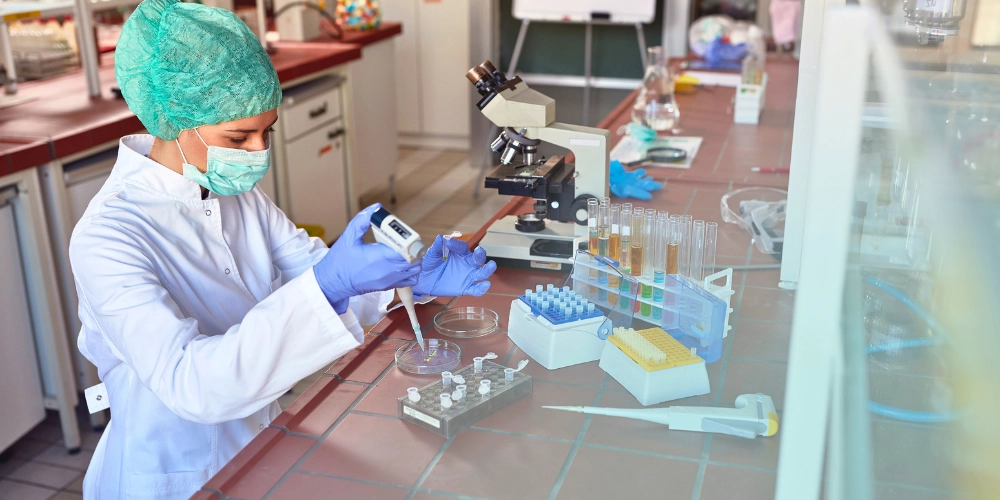
Per- and polyfluoroalkyl substances (PFAS) are a group of synthetic chemicals that have been used in a wide range of industrial and consumer products, including nonstick cookware, water-repellent clothing, and firefighting foam [1]. PFAS have been detected in the drinking water of communities across the United States and around the world, and there is growing concern about the potential health impacts of exposure to these chemicals [2]. In this subtopic, we will examine case studies of communities that have dealt with PFAS contamination in their drinking water and the resulting health impacts.
One well-known example of a community affected by PFAS contamination in drinking water is Hoosick Falls, New York. In 2016, the village of Hoosick Falls was identified as having high levels of perfluorooctanoic acid (PFOA) in its drinking water, which had been linked to cancer and other health problems [3]. The contamination was traced to a local plastics plant, and the village implemented measures to address the problem, including the installation of granulated activated carbon filters to remove PFOA from the drinking water [4]. However, some residents of Hoosick Falls have reported health problems that they believe are related to PFOA exposure, including cancer and other illnesses [5].
Another community affected by PFAS contamination in drinking water is Warminster, Pennsylvania. In 2014, the Navy identified elevated levels of perfluorooctane sulfonate (PFOS) in the drinking water of Warminster and neighboring Warrington and Horsham townships, which had been used by the military for firefighting training [6]. The Navy provided bottled water to residents and implemented treatment measures to address the contamination, but some residents have reported health problems that they believe are related to PFOS exposure, including cancer and other illnesses [7].
In conclusion, these case studies illustrate the potential health impacts of exposure to PFASin drinking water. Communities such as Hoosick Falls and Warminster have dealt with PFAS contamination in their drinking water, and some residents have reported health problems that they believe are related to exposure to these chemicals. These case studies highlight the importance of monitoring and addressing PFAS contamination in drinking water in order to protect public health.
[1] Environmental Protection Agency. (2019). Per- and Polyfluoroalkyl Substances (PFAS).
[2] Center for Disease Control and Prevention. (2019). Perfluoroalkyls (PFAS).
[3] Associated Press. (2016). New York village’s water supply contaminated by PFOA.
[4] New York State Department of Health. (2019). Hoosick Falls: PFOA in Drinking Water.
[5] ABC News. (2018). Health problems reported in New York village with contaminated water.
[6] Military Times. (2018). Contaminated water plagues military bases, with no end in sight.
[7] Philadelphia Inquirer. (2018). ‘Forever chemicals’ found in Bucks County’s drinking water.
Environmental fate and transport

Per- and polyfluoroalkyl substances (PFAS) are a group of synthetic chemicals that have been used in a wide range of industrial and consumer products, including nonstick cookware, water-repellent clothing, and firefighting foam [1]. PFAS have been detected in the environment and in the drinking water of communities around the world, and understanding the environmental fate and transport of these chemicals is important for addressing PFAS contamination. In this subtopic, we will examine how PFAS move through the environment and how they end up in drinking water sources.
PFAS are resistant to degradation and can persist in the environment for long periods of time [2]. They can be released into the environment through the use and disposal of PFAS-containing products, as well as through the release of PFAS-containing industrial waste [3]. Once released into the environment, PFAS can move through air, soil, and water, and they can accumulate in the tissues of plants, animals, and humans [4].
One way that PFAS can end up in drinking water sources is through the release of PFAS-containing waste from industrial facilities and military bases [5]. PFAS have been detected in the drinking water of communities near these types of facilities, and there is concern about the potential health impacts of exposure to these chemicals [6]. PFAS can also enter drinking water through the contamination of surface water and groundwater, which can occur through the release of PFAS-containing waste into the environment or through the leaching of PFAS from landfills and other waste sites [7].
In conclusion, understanding the environmental fate and transport of PFAS is important for addressing PFAS contamination in drinking water. PFAS can move through the environment and accumulate in drinking water sources through a variety of pathways, including the release of PFAS-containing waste from industrial facilities and military bases and the contamination of surface water and groundwater.
[1] US Environmental Protection Agency (EPA). (2019). PFAS.
[2] US EPA. (2018). PFAS.
[3] US EPA. (2018). PFAS in the Environment.
[4] US EPA. (2018). PFAS in Drinking Water.
[5] ATSDR. (2018). Perfluoroalkyls (PFASs).
[6] ATSDR. (2018). Health Effects of PFAS.
[7] US EPA. (2018). PFAS in Water Treatment.
International perspective

Per- and polyfluoroalkyl substances (PFAS) are a group of synthetic chemicals that have been used in a wide range of industrial and consumer products, including nonstick cookware, water-repellent clothing, and firefighting foam [1]. PFAS have been detected in the environment and in the drinking water of communities around the world, and there is growing concern about the potential health impacts of exposure to these chemicals [2]. In this subtopic, we will compare the regulation and management of PFAS in different countries around the world.
The regulation and management of PFAS varies among countries. Some countries, such as the United States, have taken steps to regulate certain PFAS and limit their use in certain products [3]. For example, the U.S. Environmental Protection Agency (EPA) has established drinking water health advisories for two PFAS, perfluorooctanoic acid (PFOA) and perfluorooctane sulfonate (PFOS), and has issued guidance on the management of PFAS in landfills and wastewater treatment plants [4].
Other countries have taken more comprehensive approaches to regulating and managing PFAS. For example, the European Union has regulated a group of PFAS known as long-chain PFAS under the REACH Regulation (Registration, Evaluation, Authorization and Restriction of Chemicals) [5]. The REACH Regulation requires companies to provide information on the risks and safe use of these chemicals, and it allows for the restriction or ban of certain PFAS if they are found to be harmful to human health or the environment [6].
In addition to regulatory measures, some countries have implemented voluntary programs to reduce the use and release of PFAS. For example, the Australian government has established the Australian Code for the Management and Disposal of PFAS, which provides guidance to industry on the responsible management of PFAS and encourages the use of alternatives to PFAS [7]. The government of Canada has also established a program to phase out the use of long-chain PFAS in firefighting foam and to encourage the development of alternatives [8].
In conclusion, the regulation and management of PFAS varies among countries. While some countries, such as the United States, have taken steps to regulate certain PFAS, other countries, such as the European Union and Australia, have adopted more comprehensive approaches to regulating and managing these chemicals. In addition to regulatory measures, some countries have implemented voluntary programs to reduce the use and release of PFAS.
[1] Environmental Protection Agency. (2021). PFAS: An introduction.
[2] European Environment Agency. (2021). PFAS (per- and polyfluoroalkyl substances).
[3] Environmental Protection Agency. (2021). PFAS (per- and polyfluoroalkyl substances).
[4] Environmental Protection Agency. (2021). PFAS drinking water health advisories.
[5] European Chemicals Agency. (2021). REACH: Registration, evaluation, authorization and restriction of chemicals.
[6] European Chemicals Agency. (2021). PFAS (per- and polyfluoroalkyl substances).
[7] Australian Government. (2021). Australian Code for the Management and Disposal of PFAS.
[8] Government of Canada. (2021). Per- and polyfluoroalkyl substances (PFAS).
Alternative products

Per- and polyfluoroalkyl substances (PFAS) are a group of synthetic chemicals that have been used in a wide range of industrial and consumer products, including nonstick cookware, water-repellent clothing, and firefighting foam [1]. PFAS have been detected in the environment and in the drinking water of communities around the world, and there is growing concern about the potential health impacts of exposure to these chemicals [2]. In this subtopic, we will explore the availability and feasibility of using alternative products or materials that do not contain PFAS.
There are a number of alternative products and materials that do not contain PFAS that are available on the market. For example, nonstick cookware made with ceramic or other non-PFAS coatings is available, as are water-repellent clothing and outdoor gear made with alternative waterproofing technologies [3]. In addition to consumer products, there are also alternative materials available for use in industrial applications, such as firefighting foam that does not contain PFAS [4].
The availability and feasibility of using alternative products and materials may vary depending on the specific application and the desired properties of the product or material. For example, some alternative products may not perform as well as those containing PFAS in certain applications, such as nonstick cookware that is less effective at preventing food from sticking [5]. However, as awareness of the potential health and environmental impacts of PFAS increases, the development and availability of alternative products and materials is likely to continue to improve [6].
In conclusion, there are alternative products and materials available that do not contain PFAS. While the availability and feasibility of these alternatives may vary depending on the specific application, the use of these alternatives can help to reduce exposure to PFAS and the potential health and environmental impacts of these chemicals.
[1] U.S. Environmental Protection Agency. (2020). Per- and polyfluoroalkyl substances (PFAS).
[2] U.S. Centers for Disease Control and Prevention. (2020). Perfluoroalkyl and polyfluoroalkyl substances (PFAS).
[3] Consumer Reports. (2019). Best and worst nonstick pans from Consumer Reports’ tests.
[4] National Fire Protection Association. (2018). Alternatives to PFAS-based aqueous film-forming foams (AFFFs).
[5] Environmental Working Group. (2019). Nonstick pans and pots. Retrieved from https://www.ewg.org/
[6] Greenpeace. (2020). PFAS chemicals: an overview of sources, uses, and environmental and health impacts.
Future directions

Per- and polyfluoroalkyl substances (PFAS) are a group of synthetic chemicals that have been used in a wide range of industrial and consumer products, including nonstick cookware, water-repellent clothing, and firefighting foam [1]. PFAS have been detected in the environment and in the drinking water of communities around the world, and there is growing concern about the potential health impacts of exposure to these chemicals [2]. In this subtopic, we will discuss ongoing research on PFAS and the potential for future regulatory or management strategies to address this issue.
There is ongoing research on the health effects of PFAS exposure and the potential mechanisms by which these chemicals may cause harm [3]. This research is being conducted by a variety of organizations, including government agencies, academic institutions, and independent research groups [4]. The results of this research can inform the development of regulatory or management strategies to address PFAS contamination and exposure. As our understanding of the implications of PFAS exposure deepens, there is an increasing demand for thorough assessment and remediation strategies, leading to the proliferation of various pfas testing services overview that help identify contaminated sites and assess individual exposure levels. These services play a crucial role in supporting public health initiatives and ensuring compliance with evolving regulations aimed at minimizing PFAS-related risks. By integrating research findings with practical testing, stakeholders can better protect communities and the environment from the adverse effects of these persistent chemicals.
There are also ongoing efforts to develop and implement regulatory and management strategies for PFAS at the national and international level. For example, some countries have already taken steps to regulate certain PFAS and limit their use in certain products [5]. The European Union has regulated a group of PFAS known as long-chain PFAS under the REACH Regulation (Registration, Evaluation, Authorization and Restriction of Chemicals) [6]. In the United States, the Environmental Protection Agency (EPA) has established drinking water health advisories for two PFAS, perfluorooctanoic acid (PFOA) and perfluorooctane sulfonate (PFOS), and has issued guidance on the management of PFAS in landfills and wastewater treatment plants [7].
In conclusion, there is ongoing research on PFAS and the potential health effects of exposure to these chemicals. This research can inform the development of regulatory or management strategies to address PFAS contamination and exposure. There are also ongoing efforts to develop and implement regulatory and management strategies for PFAS at the national and international level. While progress has been made in regulating certain PFAS and limiting their use in certain products, there is still much work to be done to fully address the issue of PFAS contamination and exposure.
[1] Environmental Protection Agency. (2021). Per- and polyfluoroalkyl substances (PFAS).
[2] European Chemicals Agency. (2021). PFAS – Per- and polyfluoroalkyl substances.
[3] Environmental Defense Fund. (2021). PFAS: What you need to know.
[4] National Institute of Environmental Health Sciences. (2021). PFAS in the environment and human body.
[5] Government of Canada. (2021). Per- and polyfluoroalkyl substances (PFAS).
[6] Government of Australia. (2021). PFAS (per- and poly-fluoroalkyl substances). Retrieved from https://www.environment.gov.au/
[7] U.S. National Library of Medicine. (2021). Perfluoroalkyl and polyfluoroalkyl substances (PFAS).
Share this research on social media
Facebook
Twitter
LinkedIn
See all Research on PFAS