The Importance of Chlorine in Drinking Water Treatment
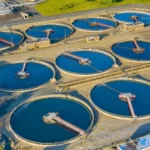
Chlorine has been essential for water safety for over a century. It has been a key player in reducing waterborne diseases like cholera, typhoid fever, and dysentery. Chlorine’s ability to quickly kill dangerous pathogens makes it vital in modern water treatment.
Historical Role of Chlorine in Water Disinfection
The history of chlorine in water treatment began in 1908, when Jersey City Water Works started large-scale chlorination. This was a major step forward in public health. By 1995, about 64% of U.S. community water systems used chlorine, showing its importance in keeping water safe for millions.
Prevalence of Chlorine Use in Modern Water Treatment
Today, chlorine is the most common water cleaner globally, thanks to its effectiveness and affordability. The Environmental Protection Agency (EPA) sets a limit of 4 parts per million (ppm) of chlorine for safe drinking water. Water treatment plants must check chlorine levels to ensure water is properly disinfected and meets regulations.
Some water systems also use chloramine, a mix of chlorine and ammonia. Chloramine lasts longer and creates fewer harmful byproducts than chlorine. Yet, both chlorine and chloramine come with risks. Ongoing research is needed to fully understand their effects on health and water safety.
Benefits of Water Chlorination
Water chlorination has been a cornerstone of modern water treatment practices for over a century. Large-scale chlorination began in 1908 in Jersey City. This disinfection method has significantly reduced waterborne diseases, making it vital for public health.
Effective Disinfection Against Waterborne Diseases
Chlorine effectively kills a wide range of pathogens. This includes those responsible for diseases like typhoid, cholera, and dysentery. The World Health Organization (WHO) recommends a safe level of residual chlorine in drinking water at 5 mg/L. This ensures public health. Continuous disinfection has eradicated many waterborne diseases in countries with strong water treatment infrastructure.
Long-lasting Protection in Water Distribution Systems
Chlorination provides long-lasting protection as water travels through distribution pipes. Residual chlorine levels are maintained throughout the system. This ensures water remains safe to drink even after leaving the treatment facility. This is critical in areas with aging water infrastructure, where contamination risks are higher.
Prevention of Biofilm Formation
Chlorine is key in preventing biofilm formation inside water pipes and storage tanks. Biofilm is a layer of microorganisms that can grow on surfaces in contact with water. It can harbor harmful bacteria and pathogens. By maintaining adequate residual chlorine levels, water treatment systems can effectively prevent biofilm growth. This maintains a clean, safe water supply.
Improvement of Water Taste and Odor
Chlorination also improves the taste and odor of drinking water. Chlorine oxidizes and removes unpleasant tastes and smells caused by organic compounds. This results in a more palatable and appealing water supply for consumers.
Cost-Effectiveness of Chlorination Methods
Chlorination is a cost-effective solution for large-scale water treatment. It is accessible to many communities due to its relatively low cost and ease of implementation. The table below compares the costs of various disinfection methods:
| Disinfection Method | Cost per 1,000 Gallons |
|---|---|
| Chlorination | $0.10 – $0.20 |
| UV Disinfection | $0.20 – $0.40 |
| Ozonation | $0.30 – $0.50 |
| Membrane Filtration | $0.50 – $1.00 |
As the table shows, chlorination is one of the most cost-effective water treatment methods. It ensures communities can maintain safe drinking water supplies without excessive financial burden.

Signs of Excessive Chlorine in Drinking Water
Chlorine is essential for keeping our drinking water safe. Yet, too much can cause unpleasant and harmful effects. Homeowners should recognize signs of overchlorination in their water. If you see any of these indicators, it’s time to check your water quality more closely.
Strong Chemical or “Swimming Pool” Odor
A distinct swimming pool-like smell is a clear sign of too much chlorine in your water. This chlorine smell can fill your home, noticeable when you run hot water. If you always catch this scent, your water might be overchlorinated.
Unpleasant Taste Resembling Bleach
Overchlorinated water tastes like bleach. This taste is most evident when drinking tap water or cooking with it. A study showed 50% of homeowners noticed a bleach-like odor when chlorine levels hit 3 mg/L. This is below the EPA’s maximum of 4 mg/L.

Skin Irritation and Dryness After Bathing
Too much chlorine can irritate and dry out your skin after bathing. If your skin feels tight, itchy, or dry, it might be a sign of overchlorination. This is common, but the exact percentage of affected individuals is unknown.

Eye Redness and Discomfort
High chlorine levels can also irritate your eyes, causing redness and discomfort. If your eyes burn or appear bloodshot after swimming or showering, it could mean too much chlorine. About 10% of people experience eye irritation at levels above 4 mg/L.
Dry and Brittle Hair
Overchlorinated water can damage your hair, making it dry, brittle, and prone to breakage. If your hair’s texture or appearance changes, despite using the same products, check your water quality. Chlorine can strip your hair of its natural oils, causing damage over time.
If you notice several of these signs, it’s time to act. Invest in a water testing kit or hire a water quality testing service to find out your chlorine levels. Addressing overchlorination quickly ensures your family has safe, clean drinking water without the negative effects of too much chlorine.
Potential Health Risks Associated with Overchlorinated Water
Chlorination is vital for keeping drinking water safe. Yet, too much chlorine can create harmful disinfection byproducts (DBPs) when it reacts with organic matter. These DBPs, like trihalomethanes (THMs), may pose health risks, sparking concerns about the long-term effects of drinking water with high chlorine levels.
Formation of Disinfection Byproducts (DBPs)
Research indicates that DBP levels in drinking water can vary widely. From 2020 to 2022, the concentration of 12 DBPs ranged from 0.01 µg/L to 120 µg/L. Trichloromethane (TCM) levels peaked at 18.00 µg/L in 2021, up from 2.5 µg/L in 2019. Despite only 7 out of 4,403 samples exceeding Chinese standards, the cancer risks from DBPs were significant, ranging from 10⁻⁶ to 10⁻⁴.
Respiratory Issues in Enclosed Spaces
High levels of chlorination agents can lead to chronic respiratory diseases, mainly in poorly ventilated areas. Breathing in chlorine vapors and byproducts can worsen existing respiratory conditions and cause discomfort for those who are sensitive.
Possible Impact on Gastrointestinal Health
Recent studies hint that highly chlorinated water could affect gut health. A study by Drs. Georg Wondrak and Frank Duca found mice drinking chlorinated water had less diverse fecal microbiota and different bacterial compositions than those drinking unchlorinated water. While more research on humans is needed, these findings suggest chlorinated water might impact gastrointestinal health.
| Year | Median TCM Concentration (µg/L) | Cancer Risk Range |
|---|---|---|
| 2019 | 2.5 | – |
| 2020 | – | 10⁻⁶ to 10⁻⁴ |
| 2021 | 18.00 | 10⁻⁶ to 10⁻⁴ |
| 2022 | – | 10⁻⁶ to 10⁻⁴ |
As we explore the health impacts of DBPs and overchlorinated water, finding a balance is key. It’s essential to ensure water safety without creating harmful substances. Ongoing research and monitoring will guide us in developing better water treatment strategies to safeguard public health.
Environmental Concerns of Excessive Chlorination
Chlorination has been key in making drinking water safe. Yet, too much chlorine can harm aquatic ecosystems. When chlorine and its byproducts enter water bodies, they disrupt the balance, causing water pollution and harming aquatic life.
The main worry with chlorine discharge is the creation of disinfection byproducts (DBPs), like trihalomethanes (THMs). Research indicates that THMs at levels as low as 40 parts per billion (ppb) could increase cancer risks. The U.S. and EU have set limits at 80 ppb and 100 ppb, respectively. A meta-analysis of about 30 studies involving 90,000 participants found a 33% increase in bladder cancer risk and a 15% increase in colorectal cancer risk due to chlorination.
Excessive chlorination’s effects are not limited to human health. It can severely impact aquatic ecosystems. Chlorine and its byproducts can harm fish, amphibians, and other aquatic organisms. This disrupts their reproductive processes and the natural balance of these ecosystems. Surface water is more susceptible to chlorine discharge due to its higher organic matter and organism content compared to groundwater.
| Contaminant | Maximum Concentration (mg/L) | Potential Health Effects |
|---|---|---|
| Acrylamide | 0 | Nervous system or blood problems; increased risk of cancer |
| Alachlor | 0.002 | Eye, liver, kidney, or spleen problems; anemia; increased risk of cancer |
| Atrazine | 0.003 | Cardiovascular system or reproductive problems |
| Benzene | 0.005 | Anemia; decrease in blood platelets; increased risk of cancer |
| Benzo(a)pyrene (PAHs) | 0.0002 | Reproductive difficulties; increased risk of cancer |
To address excessive chlorination, a multi-faceted approach is needed. Alternatives like ultraviolet light treatment and advanced filtration systems are available but costly. Finding a balance between ensuring water safety and minimizing chlorine discharge‘s environmental impact is essential. This balance protects both human health and the integrity of our aquatic ecosystems.

Understanding EPA Guidelines for Chlorine Levels in Drinking Water
The Environmental Protection Agency (EPA) is key in ensuring drinking water safety across the U.S. It sets strict guidelines and standards. This helps water treatment facilities maintain optimal chlorine levels. This protects public health and minimizes risks from overchlorination.
Safe Chlorine Limits Set by the Environmental Protection Agency
The EPA established a Maximum Residual Disinfectant Level (MRDL) of 4.0 mg/L for chlorine in drinking water. This rule has been in effect from February 16, 1999. It aims to balance effective disinfection with preventing health issues. Water treatment facilities must follow this standard to keep chlorine levels safe for consumers.
The EPA also set Maximum Contaminant Levels (MCLs) for disinfection byproducts. These byproducts form when chlorine reacts with organic matter in water. The MCLs include:
- Total Trihalomethanes (TTHMs): 80 µg/L
- Haloacetic Acids (HAA5): 60 µg/L
- Bromate: 10 µg/L
- Chlorite: 1,000 µg/L
By monitoring and controlling these byproducts, facilities can reduce health risks from overchlorinated water.
Variations in Chlorine Levels Across Different Regions
Though the EPA sets national standards, chlorine levels can differ by region. This is due to various factors like water source, treatment methods, and distribution system characteristics. Some states, like California, have stricter drinking water standards than the EPA guidelines.
| Contaminant | California MCL | U.S. EPA MCL |
|---|---|---|
| Chlorine (as Cl2) | 4.0 mg/L | 4.0 mg/L (MRDL) |
| Total Trihalomethanes | 80 µg/L | 80 µg/L |
| Haloacetic Acids (HAA5) | 60 µg/L | 60 µg/L |
| Bromate | 10 µg/L | 10 µg/L |
| Chlorite | 1,000 µg/L | 1,000 µg/L |
All public water systems must provide an annual water quality report by July 1. This report, known as the Consumer Confidence Report, shows testing results from the previous year. It indicates if levels of contaminants, including chlorine and its byproducts, met EPA health standards. Consumers can use these reports to stay informed about their drinking water quality and any issues that need attention.
Factors Contributing to High Chlorine Levels in Tap Water
Chlorine is vital for purifying drinking water, a practice that began in 1908. Yet, high levels can cause problems. Several factors lead to elevated chlorine in tap water, impacting taste, smell, and health.
The distance to the water treatment plant significantly affects chlorine levels. As water moves through the distribution system, chlorine levels decrease. To ensure proper disinfection, some facilities increase initial chlorine concentrations. This results in higher levels for homes farther away from the treatment plant.
Seasonal Fluctuations and Temperature Effects
Seasonal changes and temperature shifts impact chlorine levels. In warmer weather, facilities may raise chlorine dosage to fight microorganism growth. After heavy rains, they increase chlorine to counteract the rise in microorganisms from runoff or sewage.
| Season | Temperature Range (°F) | Typical Chlorine Level (ppm) |
|---|---|---|
| Spring | 50-70 | 1.0-2.0 |
| Summer | 70-90 | 2.0-3.0 |
| Fall | 50-70 | 1.0-2.0 |
| Winter | 30-50 | 0.5-1.0 |
Aging Water Distribution Infrastructure
The age and state of the water infrastructure also play a role. Over time, pipes and systems may develop leaks, corrosion, or biofilm. This necessitates higher chlorine levels to ensure safety. Aging infrastructure can also cause chlorine to react with pipes, forming harmful byproducts like trihalomethanes (THMs).
The EPA sets a maximum chlorine level of 4.0 ppm in drinking water. It’s essential to manage chlorine levels for both safety and taste. Regular maintenance and using filters like activated carbon or reverse osmosis can help reduce chlorine in tap water.
Solutions for Reducing Chlorine in Your Drinking Water
Chlorine is vital for keeping our drinking water safe from diseases like cholera and typhoid. Yet, too much can make water taste bad and even harm our health. In the UK, tap water usually has less than 0.5 mg/l of chlorine. The World Health Organization suggests a maximum of 5 mg/l. Some people might get skin irritation or worsen conditions like eczema from chlorine in their water.
Fortunately, there are several effective solutions available for reducing chlorine in your drinking water:
Activated Carbon Filtration Systems
Activated carbon water filtration systems are a popular choice for removing chlorine and improving the taste and smell of tap water. These filters adsorb chlorine and other impurities as water passes through. A high-performance drinking water filter can remove up to 95% of chlorine, significantly improving your water’s quality.
Reverse Osmosis (RO) Water Treatment
Reverse osmosis (RO) systems provide a more thorough water treatment solution by removing a wide range of contaminants, including chlorine, through a semi-permeable membrane. RO systems typically consist of multiple stages, including sediment filtration, activated carbon filtration, and the RO membrane itself. While more expensive than simple carbon filters, RO systems offer a more complete approach to water purification.
UV Purification Methods
UV purification is an alternative method for disinfecting water without the use of chemicals like chlorine. UV light systems expose water to ultraviolet radiation, which kills harmful microorganisms such as bacteria and viruses. While UV purification does not remove chlorine itself, it can be used in conjunction with other filtration methods to provide an additional layer of protection without adding any chemicals to the water.
Regular maintenance of these water treatment systems is essential to ensure ongoing water safety and quality. This includes replacing filters, cleaning membranes, and monitoring the performance of the system. By investing in the right solution for your household and maintaining it properly, you can enjoy the benefits of reduced chlorine levels and improved overall water quality.
Maintaining Water Safety While Minimizing Chlorine Levels
Ensuring our drinking water’s safety is a top priority. It’s also key to balance effective disinfection with minimizing risks from too much chlorine. Chlorination has been a standard for over a century, greatly reducing waterborne diseases. Yet, long-term exposure to chlorinated water may pose health risks, like worsening asthma symptoms and increasing food allergies.
The World Health Organization (WHO) advises a safe chlorine level in drinking water at 5 mg/L for public health. Yet, studies link long-term exposure to disinfection byproducts (DBPs) to health issues. These include increased cancer risks, respiratory problems, and birth defects. To mitigate these risks, it’s vital to maintain water safety and reduce chlorine levels through proper system maintenance and regular filter replacement.
Regular Maintenance of Water Treatment Systems
Public water systems must regularly test their water to ensure chlorine and DBP levels are within safe limits. Homeowners can also take steps to remove chlorine from their water. Chlorine sensors are critical in water treatment, measuring free and total chlorine to ensure safety. Dosing systems like the Atlas Scientific EZO-PMP-L™ Kit help control chlorine addition precisely, reducing waste and over-chlorination.
Importance of Filter Replacements and Membrane Cleaning
Regular filter replacement and membrane cleaning are key to maintaining water treatment system effectiveness. Activated carbon filters remove chlorine and its byproducts, improving taste and odor. Reverse osmosis systems remove a wide range of impurities, including chlorine. Ignoring these maintenance tasks can lead to reduced system performance and compromised water safety.
| Treatment Method | Chlorine Removal Effectiveness |
|---|---|
| Activated Carbon Filters | High |
| Reverse Osmosis | High |
| Boiling (15-20 minutes) | Moderate |
| Ascorbic Acid (1 tsp/gal) | High |
By focusing on system maintenance and regular filter replacement, we can provide safe, clean drinking water. This approach minimizes risks from excessive chlorine levels, protecting public health and the environment.
Kohley’s Superior Water Treatment Solutions for Optimal Chlorine Levels
At Kohley’s Superior Water, we grasp the critical role of safe, pleasant drinking water with the right chlorine levels. Our team excels in crafting customized water treatment solutions for your specific needs. Whether you’re on municipal water or a private well, we’re here to help. Our expertise in water analysis and treatment ensures top-notch service for our clients.
Our approach starts with detailed water testing and analysis to spot any issues, like too much chlorine. Our technicians then design and set up advanced systems to manage chlorine levels and remove other contaminants. We offer a variety of solutions, from activated carbon to reverse osmosis and UV purification, to ensure your water is clean and safe.
We also provide ongoing maintenance and support to keep your system running smoothly. Regular filter replacements and membrane cleaning are key to maintaining performance and extending equipment life. Our aim is to give you peace of mind, knowing your water is safe and healthy, free from harmful substances.
Choose Kohley’s Superior Water for all your water treatment needs. Our team is ready to answer your questions, offer expert advice, and provide tailored solutions. Experience the superior water quality that Kohley’s Superior Water offers.
FAQ
How long has chlorine been used in drinking water treatment?
Chlorine has been a key disinfectant in the U.S. for over a century. Its use became widespread in the decades following its introduction. By 1995, about 64% of community water systems in the U.S. used chlorine for disinfection.
What are the benefits of water chlorination?
Water chlorination brings many benefits. It effectively kills harmful bacteria and viruses. It also provides long-lasting protection as water travels through pipes. This method prevents biofilm growth and improves water taste and smell. It’s also cost-effective for large-scale treatment.
What are the signs of excessive chlorine in drinking water?
High chlorine levels in water can be identified by a strong chemical smell. It may taste like bleach. Skin irritation, eye redness, and dry, brittle hair are also signs.
Can over-chlorination lead to health concerns?
While chlorine is vital for water safety, too much can be harmful. Excess chlorine can form harmful byproducts like trihalomethanes (THMs). High levels might worsen breathing issues and affect gut health.
What are the environmental effects of excessive chlorine in water bodies?
High chlorine levels in water bodies harm the environment. Chlorine and its byproducts can kill aquatic life and disrupt ecosystems. They can also impair the natural balance of water systems.
What are the EPA guidelines for chlorine levels in drinking water?
The EPA sets a limit of 4 mg/L for chlorine in drinking water. This is considered safe for most people. Yet, some individuals may be more sensitive to chlorine.
What factors contribute to high chlorine levels in tap water?
Several factors can lead to high chlorine levels in tap water. The distance from treatment facilities and seasonal changes are key factors. Aging infrastructure also plays a role in increasing chlorine levels.
How can I reduce chlorine levels in my drinking water?
To lower chlorine levels, consider activated carbon filters or reverse osmosis systems. These methods remove chlorine and improve water quality. UV purification is another effective option that doesn’t add chemicals.
What is the importance of regular maintenance for water treatment systems?
Regular maintenance is essential for water safety and quality. It includes replacing filters and cleaning RO membranes. Replacing UV lamps is also necessary. Proper maintenance ensures effective contaminant removal and safe drinking water.
How can Kohley’s Superior Water help ensure optimal chlorine levels in my water?
Kohley’s Superior Water focuses on safe, great-tasting water with proper chlorine levels. Their team offers customized solutions, from testing to system installation and maintenance. They ensure clean, safe water for homes and businesses, whether on municipal or private wells.