The Hudson River: An Ecological Marvel and Economic Driver
The Hudson River, a crown jewel among New York waterways, is not just a sight to behold. It’s an ecological treasure and a key economic driver. This majestic river, flowing through the Hudson Valley, supports a rich variety of life. It’s a vital resource for the region.
The river’s ecosystem is a haven for diverse fish and wildlife. It contributes to the area’s ecological health. It also provides food and drinking water for local communities. The river’s tributaries and watershed are essential for maintaining this delicate balance, vital for preserving biodiversity.
Beyond its ecological importance, the Hudson River drives the state’s economy. It supports local economies through recreational activities and tourism. Attractions like river cruises, Hudson River Park, and Constitution Marsh attract visitors worldwide. They showcase the river’s beauty and rich history.
| Year | Passengers Carried | Number of Steamers |
|---|---|---|
| 1925 (Peak Year) | Nearly 2 million | 7 |
| Early 1950s | – | 3 |
| Early 1960s | – | 2 |
The Hudson River School painters were inspired by the river’s scenery. Their works have immortalized the river’s beauty. They continue to inspire artists and nature lovers today.
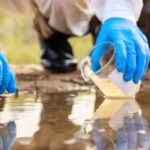
Efforts to protect and restore the river’s water quality are ongoing. Advocacy groups and government agencies collaborate to mitigate contamination. Monitoring and analysis provide data for safe recreation on the river.
Looking ahead, the Hudson River’s health is linked to the ecological balance and economic vitality of the communities around it. By conserving and responsibly using this remarkable resource, we can ensure its continued prosperity. It will remain an ecological marvel and economic driver for future generations.
A History of Industrial and Municipal Waste Dumping
The Hudson River, once a pristine waterway, has been marred by a legacy of industrial pollution and municipal waste dumping. For decades, the river was treated as a convenient disposal site. This led to the accumulation of harmful contaminants in its waters and sediments. The impact of this pollution has been far-reaching, affecting not only the river’s ecological health but also the well-being of local communities that rely on it. Efforts to remediate the Hudson River have been ongoing, with various organizations and government agencies working to restore its natural integrity. However, the impact of pollution on Hudson River continues to pose challenges, as the ecosystem requires significant time and resources to recover. Public awareness and community involvement are crucial in advocating for sustainable practices to protect this vital waterway for future generations.
PCB Contamination from General Electric Facilities
One of the most notorious cases of industrial pollution in the Hudson River involves the pcb dumping by General Electric facilities. From the 1940s to the 1970s, GE plants in Hudson Falls and Fort Edward discharged an estimated 1.3 million pounds of polychlorinated biphenyls (PCBs) into the river. PCBs, now recognized as carcinogenic and linked to various health problems, were widely used in the production of electrical equipment.
The extent of the contamination caused by GE’s actions was staggering:
- Approximately 200 miles of the Hudson River, from Hudson Falls to New York City, were contaminated with PCBs.
- PCB levels in fish and sediments exceeded safe thresholds, leading to fishing bans and advisories.
- The cleanup of the contaminated sites has been a long and costly process, with dredging and removal of contaminated sediments ongoing for years.
Other Sources of Pollution Along the River
While the GE case is perhaps the most well-known, the Hudson River has been impacted by various other sources of pollution over the years. Municipal waste, including untreated sewage from combined sewer overflows, has contributed to the degradation of water quality. During heavy rainfall events, these overflows can release a mix of stormwater and raw sewage directly into the river.

Another significant source of pollution is the leachate from landfills, which can contain a cocktail of harmful chemicals. Shockingly, between 2019 and 2023, approximately 58 million gallons of leachate were dumped into the Hudson River, and an additional 31 million gallons into the Mohawk River, a major tributary.
| Source of Pollution | Impact on the Hudson River |
|---|---|
| PCB Dumping by General Electric | 1.3 million pounds of PCBs discharged, contaminating 200 miles of the river |
| Combined Sewer Overflows | Release of untreated sewage during heavy rainfall events |
| Landfill Leachate | 58 million gallons dumped into the Hudson, 31 million gallons into the Mohawk River (2019-2023) |
The cumulative impact of industrial pollution, municipal waste, and other contaminants has taken a heavy toll on the Hudson River’s ecosystem. Yet, recent efforts to monitor, clean up, and restore the river offer hope for a cleaner future. As restoration projects gain momentum, local communities are becoming increasingly involved in preserving the river’s health. Educational programs and advocacy initiatives aim to raise awareness about the Hudson County water quality history, highlighting the urgent need for sustainable practices. With continued commitment and collaboration, there is potential for significant improvements in the river’s overall condition and the surrounding environment. Additionally, the integration of well water testing services in nj has become a crucial aspect of ensuring safe drinking water for local residents. By identifying potential contaminants, these services help to empower communities to take proactive measures in safeguarding their water supply. As public interest in environmental stewardship grows, the collaboration between residents and environmental organizations will be essential for the continued recovery and protection of the Hudson River and its ecosystem.

Current Pollution Levels in the Hudson River
The Hudson River, a vital waterway in New York, continues to face significant pollution challenges despite ongoing cleanup efforts. Recent assessments have rated the river’s water quality as "fair," with approximately 60% of the Hudson River classified as impaired. This means it does not meet water quality standards for swimming and fishing. Efforts to address these issues include community initiatives and government programs aimed at reducing industrial discharges and improving runoff management. As part of these efforts, a detailed hudson county water quality overview has been developed to better understand the river’s health and identify key areas for improvement. Continued public awareness and advocacy will be crucial in driving policy changes and funding for further restoration projects.
One of the most pressing concerns is the presence of polychlorinated biphenyls (PCBs) in the river’s ecosystem. Between 1947 and 1977, General Electric released millions of pounds of PCBs into the Hudson River. This resulted in widespread sediment contamination. Recent studies have shown that PCB levels in fish exceed safe limits, with concentrations surpassing 1,000 parts per billion (ppb) in some areas. This persistent fish contamination poses risks to both human health and wildlife.
PCB Concentrations in Fish and Sediments
Despite the dredging of 2.75 million tons of contaminated sediment from the upper Hudson River between 2009 and 2015, PCB levels in fish remain alarmingly high. A recent study found that 40% of the fish species tested contained harmful levels of mercury. PCBs have been shown to accumulate in fish species, causing biochemical changes at concentrations of less than 1 ppm. The impact on wildlife is evident, as seen in the 60% higher egg mortality rate among Snapping Turtles in the Upper Hudson River due to PCB contamination.
Other Contaminants and Their Impact on Wildlife
In addition to PCBs, the Hudson River faces pollution from various other contaminants, including heavy metals, pesticides, and microplastics. Over 90% of the river’s sediment is contaminated with these harmful pollutants. This leads to a wildlife impact that extends beyond fish. The presence of microplastics has been detected in 75% of water samples collected from the river. Bacterial contamination, such as E. coli, has been found at levels exceeding safe limits in more than 30% of water samples taken during the summer months.
The ongoing pollution in the Hudson River has far-reaching consequences for the ecosystem and the communities that rely on it. As efforts to clean the Hudson River produce lackluster results, it is essential to continue monitoring and addressing the various sources of contamination. This is necessary to protect public health and restore the river’s ecological integrity. Moreover, local wildlife, including fish and bird species, are suffering from the effects of the pollution, which disrupts their habitats and feeding patterns. Community advocacy groups are increasingly raising awareness about Hudson River water quality issues, highlighting the urgent need for comprehensive solutions. Without significant action, both the natural environment and the health of those who depend on the river will continue to deteriorate.

Health Risks Associated with Hudson River Pollution
The Hudson River, once a symbol of natural beauty and ecological richness, has been tainted by decades of industrial pollution, PCB exposure being a major culprit. These toxic chemicals pose significant health risks to local communities and wildlife. The consequences are far-reaching, affecting public well-being and environmental integrity.
One of the most pressing concerns is the cancer risk linked to PCB exposure. The National Academy of Sciences has classified PCBs as "the largest environmental contaminant risk." Long-term exposure, even at low levels, can increase cancer risk. This puts the health of riverfront communities at risk.
Dangers of Consuming Contaminated Fish
Contaminated fish consumption is a major pathway for PCB exposure in the Hudson River region. Fish monitoring data from the last seven years shows PCB levels in fish are 10 or more times higher than safe consumption standards. This is a high risk for subsistence fishers and communities relying on the river for food.
Potential Long-Term Health Effects on Local Communities
Beyond cancer risk, PCB exposure can lead to various health problems. These include neurological disabilities, heart damage, asthma, and diabetes. Children and pregnant women are most vulnerable, as PCBs can cause developmental disorders and hormonal disruptions. Communities of color, immigrants, and economically disadvantaged populations are disproportionately affected, as they rely more on fishing in the Hudson River.
| Health Risk | Potential Effects |
|---|---|
| Cancer | Increased likelihood of various types of cancer |
| Developmental Disorders | Neurological disabilities, learning difficulties, behavioral issues |
| Hormonal Disruptions | Reproductive problems, thyroid disorders, immune system damage |
| Cardiovascular Disease | Heart damage, increased risk of heart attack and stroke |
| Respiratory Issues | Asthma, reduced lung function, chronic bronchitis |
The ongoing pollution in the Hudson River has created a public health crisis. It demands urgent attention and action. As cleanup efforts continue to fall short, it’s essential to prioritize the well-being of affected communities. We must work towards a complete, effective solution to this environmental injustice.
The Superfund Designation and Initial Cleanup Efforts
In 1984, the EPA designated 200 miles of the Hudson River as a Superfund site, one of the largest in the U.S. This action followed the discovery of widespread PCB contamination. It was largely caused by General Electric’s release of 1.3 million pounds of PCBs from two plants until the late 1970s.

After years of study and legal battles, the EPA and GE reached a settlement in 2002. The agreement involved dredging about 2.65 million cubic yards of contaminated sediment from a 40-mile stretch of the Upper Hudson River. This cleanup aimed to mitigate environmental and health risks from PCB contamination under the EPA’s Superfund program.
The dredging project was split into two phases:
- Phase 1 (2009): Targeted specific areas and depths for dredging within three locations, as identified in the Phase 1 Dredge Area Delineation Report.
- Phase 2 (2011-2015): Detailed steps for sediment removal, processing, and habitat replacement, as outlined in the Phase 2 Remedial Action Work Plan (RAWP).
The EPA set performance standards for Phase 2 dredging in December 2010, based on Phase 1 knowledge. Community Health and Safety Plans (CHASP) were created for each dredging year from 2011 to 2015. These plans ensured public safety during the operations.
| Year | Event |
|---|---|
| 2009 | Phase 1 dredging begins |
| 2010 | EPA issues performance standards for Phase 2 dredging |
| 2011-2015 | Phase 2 dredging occurs |
| 2015 | Demobilization and restoration of sediment processing facility begins |
| 2016 | Demobilization and restoration completed |
Despite progress, the settlement did not cover natural resource damages or restoration costs. This left taxpayers with the burden of additional cleanup and monitoring expenses. The lack of General Electric’s full liability for the Hudson River Superfund site has raised significant concerns.
The Dredging Project: Successes and Limitations
From 2009 to 2015, the Hudson River dredging project aimed to remove contaminated sediment from the most heavily polluted areas in the Upper Hudson. General Electric invested around $1.7 billion to extract over 300,000 pounds of PCBs from the riverbed. The project targeted approximately 2.7 million cubic yards of PCB-contaminated sediment across a 40-mile stretch of the Upper Hudson River.
The dredging project focused on achieving specific goals, including:
- Reducing PCB concentrations in fish to allow for looser fishing advisories and restrictions over time
- Enabling people to safely fish from the river once a week, though this is projected to require more than 50 years of natural recovery post-dredging
- Removing contaminated sediment from pcb hotspots to improve overall river health and ecosystem functioning
Areas Targeted for Dredging
The dredging project concentrated on three main locations along the Hudson River:
| Location | Approximate Volume of Sediment Dredged |
|---|---|
| Hudson | 200,000 cubic yards total |
| Stockport | |
| Castleton |
The project aimed to remove sediment from these areas within an environmental work window, with all in-water work completed between September 1st and December 31st.
Debates Over the Effectiveness of the Cleanup
Despite the substantial investment and efforts made during the dredging project, critics argue that the cleanup was insufficient. Experts estimate that over 1 million cubic yards of sediment exceed the cleanup threshold of 1 ppm PCBs, leaving behind significant residual contamination.
Concerns have been raised about the dredging efficacy in addressing pcb hotspots and achieving long-term reduction of PCB levels in fish and sediment. The EPA has identified uneven patterns of recovery, prompting proposals for special studies to examine specific areas of the river more closely.
While the Hudson River dredging project made progress in removing contaminated sediment, ongoing monitoring and potentially further cleanup efforts may be necessary to fully address the legacy of PCB pollution and restore the river’s ecosystem.
Monitoring the River’s Recovery: Recent EPA Reports
The U.S. Environmental Protection Agency (EPA) conducts thorough five-year reviews of the Hudson River PCB Superfund site. These reviews assess the cleanup’s effectiveness and the river’s recovery. The 2023 report shows PCB levels in fish and sediment have decreased. Yet, they are far from the EPA’s targets for safe consumption and ecosystem health.
The 2002 Record of Decision (ROD) set a goal of 0.05 mg/kg of PCBs in fish tissue for safe consumption. In 2021, the average concentration was 0.71 ppm, exceeding the target by over 14 times. Some species and locations have even higher contamination levels. The EPA estimates it will take over five decades to meet the 0.05 mg/kg goal in the Upper Hudson River.
| Year | Average PCB Concentration in Fish Tissue (mg/kg) | EPA Target (mg/kg) |
|---|---|---|
| 2021 | 0.71 | 0.05 |
| 2020 | 0.83 | 0.05 |
| 2019 | 0.92 | 0.05 |
The EPA’s water quality monitoring and sediment sampling show PCB levels are high in some river areas. The Upper Hudson River sediments contain about 1.3 million pounds of PCBs. Despite removing a significant amount of contaminated sediment, "hot spots" with high PCB levels persist.
Despite challenges, the EPA’s reports indicate gradual improvements in the Hudson River’s recovery. PCB levels in water and fish are decreasing, and ecological indicators like river otters and mink are showing signs of recovery. Yet, more data and analysis are needed to confirm if the cleanup efforts meet the EPA’s goals.
Challenges in Achieving Complete Decontamination
The Hudson River’s journey towards recovery is fraught with pcb decontamination challenges. The Environmental Protection Agency (EPA) predicts a long haul, estimating decades to fully clean up the river. Current efforts aim to last until at least 2035.
"Hudson River hot spots" pose a significant hurdle. These areas, with high PCB levels in sediments and fish, continue to contaminate the river. Studies indicate that only 25% of PCB contamination has been tackled so far.
The Slow Breakdown of PCBs in the Environment
PCBs’ persistence in the environment is another major challenge. These compounds are extremely stable, breaking down slowly. It could take decades or even centuries for the river to fully recover. The slow degradation, combined with bioremediation limitations, complicates PCB elimination.
Industrial activities dumped over 1.3 million pounds of PCBs into the Hudson River from 1947 to 1977. Sediment PCB levels remain up to 100 times above EPA’s safe threshold.
| Statistic | Value |
|---|---|
| Annual PCB release into the Hudson River | Approximately 200,000 pounds |
| Percentage of river’s fish species unsafe for consumption | 40% (as of 2023) |
| Estimated duration of complete decontamination | Decades, with cleanup projected until at least 2035 |
| Percentage of total PCB contamination addressed | About 25% |
| Local residents concerned about river safety for recreation | Nearly 70% (based on a 2022 survey) |
The slow progress in decontaminating the Hudson River highlights the need for continued efforts. Ongoing monitoring, innovative remediation, and sustained public awareness are essential. A long-term commitment from all stakeholders is necessary to restore the river’s health and ensure public safety.

Hudson River Fishing Advisories and Public Awareness
The New York State Department of Health has issued strict hudson river fish advisories to protect public health. These fish consumption guidelines are most critical for women under 50 and children under 15. They are advised to avoid eating any fish or crabs from the river between the South Glens Falls Dam in Warren County and The Battery in New York City. This is due to PCB contamination.
For the general population, health advice varies by location and fish type. The New York State Department of Health, in collaboration with community organizations, has been working to raise awareness. They do this through angler outreach and public education initiatives. Grants totaling around $90,000 annually have been awarded to support these efforts, starting in 2014.
The Hudson River Fish Advisory Project maintains a database of about 140 locations along the river. It has reached thousands of school children and adults through environmental and nutrition programs. Free advisory signs, available in multiple languages, are provided to municipalities and property owners. Annual inspections are conducted to assess the need for replacements.
| Sensitive Population | General Population |
|---|---|
| Do not eat any fish or crabs from the Hudson River between South Glens Falls Dam and The Battery | Health advice varies based on fishing location and fish type |
Despite these efforts, awareness of the advisories remains a challenge. This is true, even more so for low-income and immigrant communities. They may rely on the river for subsistence fishing. Continued collaboration between government agencies and community organizations is essential. It’s vital to ensure that all at-risk populations are informed about the health risks of consuming contaminated fish from the Hudson River.
Economic and Cultural Impacts of Pollution on Local Communities
The Hudson River’s pollution has had far-reaching economic impacts on local communities, hitting the recreational fishing industry hard. The commercial fishing sector, once thriving, now faces significant job losses and revenue drops due to consumption advisories and declining fish populations. In the 19th century, industrial pollution in areas like Newtown Creek, Brooklyn, started to take hold. The first kerosene and oil refineries were established, leading to the leakage of 17 to 30 million gallons of oil, tar, and other chemicals into Newtown Creek over decades. This severely impacted the local ecosystem and economy.
Subsistence fishing in low-income communities along the Hudson River has also been severely affected by pollution. These communities often rely on the river’s fish as a primary food source. But high contamination levels make many species unsafe for consumption. This raises environmental justice concerns, as marginalized communities face higher health risks and limited access to alternative food sources.
Effects on River-Based Recreation
Pollution has significantly impacted river-based recreation and tourism. Fewer people are willing to risk exposure to contaminated water and fish. This decline in recreational activities like fishing, boating, and swimming has reduced tourism revenue for local businesses that rely on the river’s appeal.
Community-Led Efforts to Combat Pollution
Despite the challenges posed by pollution, local communities have come together to combat its effects and restore the Hudson River’s health. The Annual Great Saw Mill River Cleanup is a prime example. It brings volunteers together to remove garbage and debris from the river and its surroundings. In a recent cleanup event:
- 260 volunteers participated across eight locations in Yonkers and Westchester County
- Approximately 200 trash bags were filled with various items, including plastic bottles, bags, tires, car parts, and household debris
- Notable unusual items retrieved included a cannonball, a child-size Range Rover toy car, a mattress, and road signs
These community-led initiatives highlight the importance of local efforts in restoring the Hudson River. They mitigate the impacts of pollution on both the environment and the people who depend on it.
Ongoing Advocacy and Legal Actions for Further Cleanup
Even after the dredging project’s completion, hudson river advocacy groups like Riverkeeper and Scenic Hudson push for a more thorough cleanup. They claim the current efforts have fallen short, as PCB levels in fish and sediment remain harmful. This poses risks to both humans and wildlife.
Advocates demand stricter standards, more dredging, and enhanced monitoring to tackle PCB pollution. They believe General Electric‘s liability goes beyond the dredging project. They argue the company must fund ongoing restoration and natural resource damage assessments.
Legal battles, such as the state’s lawsuit against the EPA, aim to ensure polluters are held accountable. The EPA’s Final Third Five-Year Review has been criticized for overlooking existing data. This data shows PCB contamination’s persistent dangers.
| Hudson River Pollution Facts | Details |
|---|---|
| PCBs Dumped by General Electric | 1.3 million pounds (1947-1977) |
| Hudson River Superfund Site Length | Nearly 200 miles |
| Consumers of Hudson River Fish | Thousands, including low-income and minority communities |
| General Electric’s Net Worth (as of March 19, 2024) | $184.6 billion |
The battle for a cleaner Hudson River persists, with hudson river advocacy groups dedicated to holding General Electric and others accountable. They focus on ensuring the health and well-being of local communities and the environment. This is essential for the long-term restoration of this iconic waterway.
The Future of the Hudson River: Balancing Ecology and Economy
Looking ahead, the Hudson River’s future hinges on finding a balance between preserving its natural beauty and fostering economic growth. The river has seen significant setbacks, including the decline of submerged aquatic vegetation and the rise of invasive species like zebra mussels. Yet, through ongoing monitoring, research, and joint efforts, there is hope for its recovery.
Organizations like the Hudson River Estuary Program (HREP) and the Hudson River Valley Greenway are leading the way. They promote eco-tourism, support local businesses, and safeguard vital habitats. The HREP, in particular, focuses on fish habitats, watershed protection, and reducing flood hazards. With proposed funding increases, these initiatives can continue their critical work in preserving the river’s ecosystem.
Sustainable Development Along the River
The transformation of neighborhoods like Hudson Square shows the promise of sustainable development. By incorporating green spaces and pedestrian-friendly designs, these areas enhance livability while reducing environmental impact. The presence of major corporations like Google and Disney in Hudson Square also highlights the appeal of sustainable, river-adjacent locations.
Promoting Responsible Recreation and Stewardship
Citizen science programs and environmental education are key in building community stewardship. By engaging schools, community groups, and visitors in monitoring water quality and wildlife, these initiatives raise awareness about the river’s importance. The 2024 Hudson River Symposium underscored the importance of collaborative efforts in revitalizing the river’s ecosystems.
| Program | Funding (2023-2024) | Focus Areas |
|---|---|---|
| Clean Water Infrastructure Act | Proposed increase from $500 million to $600 million | Water infrastructure investment |
| Hudson River Estuary Program (HREP) | Proposed increase to $9.5 million | Fish habitat, watershed protection, flood hazard risk reduction |
| Environmental Protection Fund (EPF) | Proposed increase of $100 million | Environmental conservation |
| Water Quality Improvement Program (WQIP) | Maintained at $22.5 million | Community investments in wastewater infrastructure |
The Hudson River’s future is in our hands. It requires the collective efforts of government agencies, businesses, advocates, and individuals. By prioritizing sustainable development, eco-tourism, watershed protection, citizen science, and environmental education, we can ensure a brighter future for the Hudson River and the communities it supports.
Lessons Learned from the Hudson River Cleanup
The Hudson River PCB cleanup teaches us valuable environmental remediation lessons for tackling complex contamination. A key takeaway is the need for detailed site characterization. The U.S. Environmental Protection Agency (EPA) spent 12 years gathering data before opting for dredging. This ensured a well-informed decision.
Setting clear, enforceable cleanup goals is another critical lesson. The EPA set a long-term goal of 0.05 mg/kg of PCBs in fish tissue, allowing for one fish meal per week. They also established interim targets, aiming to reach 0.4 mg/kg in five years and 0.2 mg/kg in 16 years after dredging ended in 2015. These goals help measure progress and success.
Superfund site management often relies on public-private partnerships, as seen with General Electric (GE) and the EPA. GE, responsible for the PCBs, carried out cleanup actions under EPA oversight. Such partnerships can split costs and responsibilities but must be structured to ensure accountability.
Long-term monitoring is vital for evaluating remediation success. GE continues to collect data on water, sediment, and fish. This monitoring ensures compliance with federal drinking water standards for public systems using Hudson River water.
| Milestone | Timeframe |
|---|---|
| Dredging conducted | 2009-2015 |
| PCBs removed | Over 300,000 pounds |
| Interim target: 0.4 mg/kg in fish tissue | Approximately 5 years after dredging completion |
| Interim target: 0.2 mg/kg in fish tissue | Approximately 16 years after dredging completion |
| Long-term goal: 0.05 mg/kg in fish tissue | More than 5 decades |
Adaptive management strategies are essential for flexibility in response to new data and changing conditions. The EPA reaffirmed its dredging decision as recently as 2019, showing a commitment to reassessment and adaptation. Open communication and meaningful public engagement are key to building trust and support for remediation efforts.
The Importance of Protecting and Restoring America’s Waterways
The Hudson River’s journey is a stark reminder of the hurdles many American waterways face. Industrial pollution, urban runoff, and outdated infrastructure are major culprits. Despite the Clean Water Act and other environmental laws, much work remains. The 52nd anniversary of the Clean Water Act in 2023 emphasizes the ongoing need for watershed protection and ecological restoration. Before 1972, the Hudson River was daily inundated with untreated sewage, and the Cuyahoga River in Ohio frequently caught fire due to pollution.
Efforts to safeguard these critical resources demand ongoing investment in monitoring, enforcement, and remediation. A commitment to pollution’s root causes is also essential. The America the Beautiful Freshwater Challenge aims to protect 8 million acres of wetlands and 100,000 miles of rivers by 2030. This goal is part of a broader objective to safeguard 1 million miles of rivers nationwide. The Yakama Nation has already made significant strides, protecting over 2,000 miles of rivers, 14,000 acres of wetlands, and restoring 200 miles of rivers through barrier removal.
These actions not only protect public health but also support the survival of numerous species. For instance, 138 bird species in the United States rely on wetlands. By focusing on clean water and healthy ecosystems, we can bolster local economies and preserve our natural heritage. This is critical given the alarming loss of over 3 billion birds in the United States over the past 50 years. Mayor Torrance Harvey highlighted the importance of clean water, likening it to public safety investments like firefighting and law enforcement.
The lessons from the Hudson River can guide efforts to address environmental challenges nationwide. The Freshwater Partnership, with around 100 inaugural signatories at the Water Summit, shows growing dedication to this cause. Yet, challenges persist, such as the Supreme Court’s decision creating a 50-state patchwork of water regulations. This has led to confusion for state agencies and potentially weakened public oversight provided by federal environmental review processes.