
New York City’s Soft Water: A Unique Characteristic
New York City is famous for its high-quality tap water. It’s not only safe but also soft. This softness comes from the city’s water system, which uses sources with low minerals like calcium and magnesium. This makes the water gentle on plumbing, appliances, and skin.
Low Mineral Content in NYC’s Water Supply
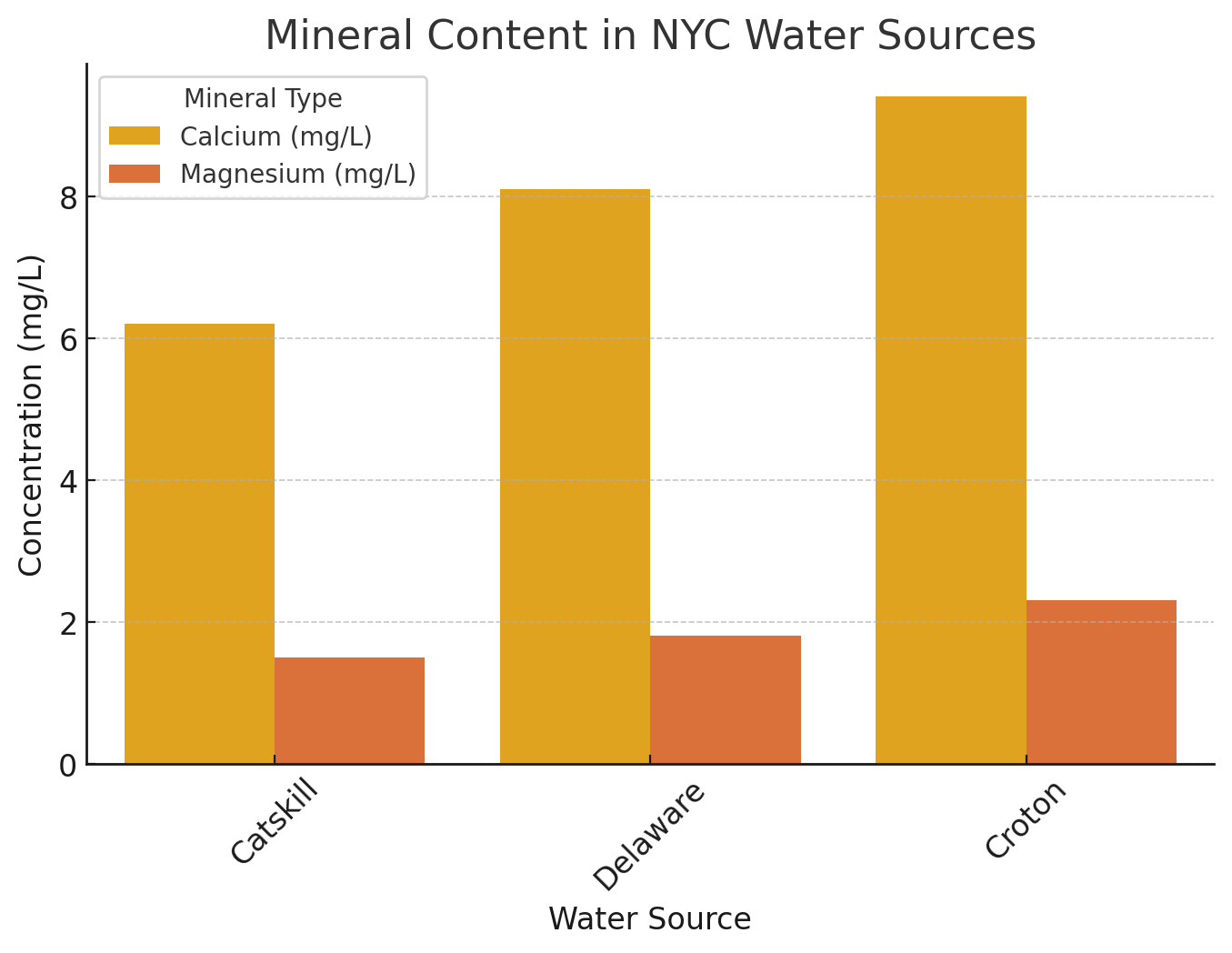
The secret to New York City’s soft water is its sources. The city gets its water from the Catskill, Delaware, and Croton watersheds. These areas have little limestone, leading to water with low minerals. As a result, New York water hardness levels are considered some of the lowest in the United States, making it ideal for various uses, from drinking to brewing beer. This softness also contributes to the city’s renowned culinary scene, as many chefs appreciate how it enhances the flavors of food. Additionally, the low mineral content prevents the buildup of scale in pipes and appliances, allowing for more efficient water use throughout the city.
| Water Source | Calcium (mg/L) | Magnesium (mg/L) |
|---|---|---|
| Catskill | 6.2 | 1.5 |
| Delaware | 8.1 | 1.8 |
| Croton | 9.4 | 2.3 |
These low levels of calcium and magnesium make NYC’s water soft. It has an average hardness of just 1.1 grains per gallon. Water with a hardness over 7 gpg is hard, and over 10.5 gpg is very hard.
Differences Between Hard and Soft Water
Hard water has more calcium and magnesium than soft water. This can cause problems like:
- Scale buildup in pipes and appliances
- Reduced efficiency of water heaters
- Increased soap and detergent consumption
- Dry skin and hair after washing
Soft water, like NYC’s, avoids these issues. Its low mineral content means less scale, longer appliance life, and better washing. So, New Yorkers enjoy soft water without needing extra treatments.
The Journey of New York City’s Tap Water
New York City’s tap water is known for its quality and taste. But have you ever thought about how it gets to your faucet? It comes from the nyc watersheds in the Catskill and Delaware regions, far from the city.
Origins in the Catskill and Delaware Watersheds
The Catskill and Delaware watersheds are about 125 miles north of the city. They are the main sources of New York City’s water. These areas have little limestone, making the water soft naturally.
The watersheds cover over 2,000 square miles. They have 19 reservoirs and three controlled lakes. Together, they provide 1.2 billion gallons of water daily to the city’s residents.
The City’s Extensive Water Supply System
New York City’s water supply system is over a century old. It’s a complex network of pipes, tunnels, and aqueducts. It spans about 7,000 miles, serving 8.5 million residents.
The water’s journey from the watersheds to the city takes 12 weeks to a year. It depends on the reservoir and water demand.

Treatment Process at Hillview Reservoir
Before reaching the city’s taps, the water is treated at the Hillview Reservoir in Yonkers. It’s disinfected with chlorine to kill harmful bacteria. Phosphoric acid and sodium hydroxide are also added to adjust the pH levels.
| Treatment Step | Purpose |
|---|---|
| Chlorine disinfection | Eliminates harmful bacteria and microorganisms |
| Addition of phosphoric acid and sodium hydroxide | Adjusts pH levels to protect pipes from corrosion |
The natural filtration of the nyc watersheds, the extensive water supply system, and the water treatment at the Hillview Reservoir make New York City’s tap water top-notch.
Factors Influencing Water Hardness in New York State
Water hardness in New York State varies a lot. It can be as low as 1 grain per gallon or as high as 20 grains per gallon. The average is about 6.5 grains per gallon. Urban areas like New York City have softer water than rural areas.
The type of minerals in water comes from the soil and bedrock. In New York State, calcium and magnesium are the main minerals causing water hardness. Calcium makes up about 60% of the hardness.
Geological Formations and Mineral Deposits
New York State’s varied geology affects water hardness. The state has different types of rocks, each with its own minerals. For example, areas with limestone and dolomite have harder water because of the calcium and magnesium in these rocks.
Regional Variations in Water Hardness
Water hardness varies across New York State. New York City’s water is between 6 to 12 grains per gallon, averaging about 8. But other areas can have much harder or softer water. This means different water treatment needs in different places.
| Region | Average Water Hardness (grains per gallon) |
|---|---|
| New York City | 8 |
| Upstate New York | 12 |
| Long Island | 6 |
| Hudson Valley | 10 |
Places with hard water need better water treatment to avoid scale buildup. About 50% of New York State homes use water softeners. These cost between $300 to $800 per year.

Effects of Water Hardness on Plumbing and Appliances
Many places in the U.S. deal with hard water, unlike New York City. Hard water has dissolved minerals like calcium and magnesium. These can cause problems with plumbing and appliances. At NYC Water, we help keep your home’s systems running well.
Scale Buildup and Reduced Efficiency
Scale buildup is a big issue with hard water. It forms in pipes and appliances. This buildup slows down water flow and makes devices less efficient.
For example, a water heater loses 24% efficiency with hard water. Tankless water heaters can clog after just 1.6 years.
Scale buildup also affects daily tasks. It makes soaps and detergents less effective. You might need 50% more laundry detergent and 70% more dish soap than with soft water.
Maintenance and Replacement Costs
Hard water can shorten the life of appliances. It causes frequent repairs and early replacements. This can cost a lot in the long run.
On the other hand, soft water is better for your home. It’s gentler on fabrics and dishes. It also makes your skin and hair look better.
| Water Hardness Classification | Parts Per Million (PPM) |
|---|---|
| Soft Water | 0-50 PPM |
| Moderate Water | 51-200 PPM |
| Hard Water | 200+ PPM |
| Very Hard Water | Over 300 PPM |
Knowing how water hardness affects your home can help you choose the right water treatment. Water softening can prevent scale buildup and make your appliances last longer. It saves you money and improves your home’s quality of life.
Water Softening Solutions for Hard Water Areas
For New Yorkers dealing with hard water, water softening solutions are a smart choice. Hard water has high levels of calcium and magnesium. This can cause problems like less efficient appliances and dry skin.
Water softener systems are a reliable way to treat hard water. They make water softer, improving your home’s efficiency and comfort.
Water softeners replace hard minerals with sodium or potassium. This hard water treatment stops limescale buildup. It helps your plumbing and appliances last longer.
By removing minerals, water softeners also save energy and improve appliance performance. This includes dishwashers and washing machines.
Water softening solutions also make life better for New Yorkers. Soft water makes soaps and shampoos work better. This means softer skin and hair, and less soap scum.
This makes cleaning easier and saves time. It keeps your home looking great with less effort.
| Water Hardness Level | Grains per Gallon (gpg) | Milligrams per Liter (mg/L) |
|---|---|---|
| Soft | 0 – 1 | 0 – 17.1 |
| Slightly Hard | 1 – 3.5 | 17.1 – 60 |
| Moderately Hard | 3.5 – 7 | 60 – 120 |
| Hard | 7 – 10.5 | 120 – 180 |
| Very Hard | 10.5+ | 180+ |
When looking at water softener systems, remember to keep them maintained. Adjusting the settings can meet your needs and reduce sodium concerns. With the right care, water softening solutions offer soft water benefits for New Yorkers.

The Importance of Regular Water Quality Testing
Keeping our drinking water safe is a big deal for health officials and water companies in the U.S. Regular water tests are key to keeping water safe. They check for bad stuff and make sure water meets strict rules.
In New York City, the Department of Environmental Protection (DEP) tests water a lot. They check for:
- Microbial contamination
- Chemical pollutants
- Physical properties such as turbidity
This detailed testing lets the city act fast if there’s a problem. It helps keep tap water safe for everyone. The DEP watches mineral levels and other contaminants closely.
Ensuring Compliance with Safety Standards
Testing water is key to finding health risks and showing it’s safe. The EPA sets rules for many substances, like:
- Lead and copper
- Disinfection byproducts
- Organic and inorganic chemicals
- Radiological contaminants
Water companies test for these and share the results. This shows their water is safe. It also builds trust in our drinking water.
Monitoring Mineral Levels and Contaminants
Water testing also checks mineral levels and contaminants. Some minerals, like calcium, are okay in water. But others, like lead, can be harmful.
Testing for bad stuff like lead and PFAS helps catch problems early. This way, water companies can fix issues before they become big problems.
By testing water a lot, cities like New York keep their water safe. This makes the community stronger and healthier. It’s good for everyone living there.

Advanced Techniques in Water Quality Analysis
In New York City, experts use the latest methods to keep tap water safe and clean. Techniques like atomic absorption spectroscopy and ion chromatography give detailed info on water’s mineral content and possible contaminants.
Atomic absorption spectroscopy is a key tool for water analysis. It lets technicians measure specific elements in water samples accurately. This method checks for minerals like calcium, magnesium, and iron, which affect water hardness. It helps water treatment facilities adjust their processes to keep mineral levels just right.
Ion chromatography is great for finding and measuring ions and contaminants in water. It sorts ions by charge and size. This way, it can spot a variety of substances, including:
- Anions (negatively charged ions) such as chloride, sulfate, and nitrate
- Cations (positively charged ions) like sodium, potassium, and ammonium
- Organic acids and bases
- Inorganic pollutants, such as heavy metals
Ion chromatography helps water quality experts find even tiny amounts of contaminants. This ensures New York City’s tap water meets strict safety standards. It’s very useful for checking for pollutants from industrial or agricultural sources.
"The use of advanced techniques like atomic absorption spectroscopy and ion chromatography is key for keeping New York City’s tap water top-notch. These methods give us the data we need to make smart water treatment choices and keep our drinking water safe."
Regular water quality tests with these advanced methods are vital for both home users and businesses that depend on New York City’s water. They help ensure the water is safe, clean, and meets health standards. As New York City focuses on water quality, using atomic absorption spectroscopy and ion chromatography will keep being a big part of its water management plan.
Water Quality Management for Industries
Managing water quality is key in industrial operations. It affects production standards and product safety. Industries face challenges like regulatory rules, keeping operations efficient, and protecting the environment.
Water quality challenges differ by industry. Factors like pollution, rainfall, and temperature play a role. In dry areas, clean groundwater is essential for drinking and irrigation.
Ensuring Compliance with Production Standards
Industries must follow strict standards to keep product quality high. Water quality is critical in many processes. To meet these standards, they use advanced water treatment and monitor key factors like pH and hardness.
A study found high phosphate levels in well water, exceeding limits. Ammonium levels were also high, showing the need for effective water treatment.
Prioritizing Product Safety through Water Quality Control
Product safety is essential in industries. Water quality management is key to ensuring products are safe. Industries test and monitor water to prevent risks.
The water quality index (WQI) helps assess water for industrial use. It combines data into one metric. The integrated-weight water quality index (IWQI) focuses on groundwater for drinking.
| Parameter | Range | Standard Limit |
|---|---|---|
| pH | 6.5 – 7.5 | 6.5 – 8.5 |
| Electrical Conductivity (EC) | 1042 – 1613 µS/cm | 1500 µS/cm |
| Phosphate (PO4−) | 11.22 – 18.76 mg/L | 0.4 mg/L |
| Ammonium (NH4+) | 2.37 – 5.72 mg/L | 0.3 mg/L |
Advanced technologies like IoT and machine learning help monitor water quality. They enable real-time data and quick decision-making.
In conclusion, managing industrial water quality is complex. It involves following rules, using advanced treatments, and monitoring closely. By focusing on water quality, industries can meet standards, ensure safety, and use water sustainably.
Environmental Impact of Water Hardness
Water hardness is caused by minerals like calcium and magnesium. It affects many places in the U.S., not just New York City. Knowing how it impacts water and ecosystems is key for better water use.
Hard water can clog pipes and appliances, making them less efficient. This costs more to fix and uses more energy. It also makes cleaning products less effective, leading to more pollution.
Water hardness also harms aquatic life. It changes the water’s chemistry, affecting plants and animals. This can hurt the food chain and the health of ecosystems. Keeping water hardness in check is vital for these environments.
To lessen water hardness’s effects, we can use water softeners. But, we must think about the impact on the environment. Testing water regularly is also important to meet safety standards and check if treatments work.
Managing water resources sustainably means considering water hardness’s effects. By understanding its impact, we can find ways to protect our water and ecosystems. Research, new technologies, and teamwork are needed to balance human needs with environmental protection.
NYC Water Hard or Soft: The Definitive Answer
New York City residents can relax about their tap water. It’s classified as "soft" with a hardness level of about 7 grains per gallon (gpg). This nyc water hardness level is much lower than the national average of 10-12 gpg. The city’s water comes from nearby watersheds and is treated thoroughly for quality and safety.
The soft water benefits for New Yorkers are many. The water has fewer minerals like calcium and magnesium. This means less soap scum, mineral deposits, and less soap needed for cleaning. It also makes hair and skin healthier and look better, as it’s less likely to cause dryness or irritation.
| Water Type | Percentage of U.S. Population | Characteristics |
|---|---|---|
| Hard Water | 85% | High levels of dissolved minerals, mainly calcium and magnesium |
| Soft Water | 15% | Low levels of dissolved minerals |
Even with the benefits of soft water, water quality assurance is key. The NYC Department of Environmental Protection (DEP) tests over 500,000 samples yearly. They check to make sure the water meets safety standards. This effort keeps New York City’s tap water among the best in the country, with over 90% of residents drinking it directly.
While New York City enjoys soft water, it’s important to note that water hardness varies. About 1 in 10 U.S. households face hard water issues. These can range from dull hair and dry skin to clogged pipes and appliance problems. It’s vital for all communities to monitor water quality and address any problems quickly. This ensures water remains safe, sustainable, and suitable for all uses.
The Role of Water Hardness in New York’s Iconic Food Scene
New York City’s soft water is key to its famous bagels and pizza. The water’s low mineral content helps the dough become softer and more pliable. This is different from dough made with hard water.
But soft water isn’t the only reason for New York’s unique flavors. Local bakeries and pizzerias also play a big role. Their techniques are just as important as the water.
Soft Water’s Influence on Bagel and Pizza Dough
New York City’s water has less calcium and magnesium. This makes the dough softer and easier to shape. The result is a tender crumb in the final product.

Production Techniques: The Key to Taste and Texture
While soft water affects the dough, it’s the making process that really matters. For bagels, proofing yeast, boiling, and using special flour make them chewy yet soft inside. New York pizza gets its thin, crispy crust from specific dough methods and high-temperature ovens.
New York’s soft water and local makers’ skills combine to create world-famous foods. The water helps, but it’s the traditional making methods that truly make these foods special.
Implications for Residents and Businesses
Knowing about water hardness implications and your local water quality is vital. In New York City and nearby, 90% of the water comes from the Catskill and Delaware Watersheds. It’s important to see how this water’s journey and treatment affect our daily lives and work.
Adapting to Local Water Conditions
Adapting to local water is essential for good health, home care, and business success. New York City’s water is "soft," with low calcium and magnesium levels. This makes it the second-softest in the country, after Boston. Soft water impacts many areas of life:
- Skin and hair health: Soft water is gentler, reducing dryness and irritation.
- Appliance longevity: It reduces scale buildup, making appliances last longer and work better.
- Food preparation: Water minerals affect dough and batter texture, like in bagels and pizza.
Implementing Appropriate Treatment Methods
Even though New York City’s water is soft and good quality, using the right water treatment methods can make it even better. Here are some treatment options:
| Treatment Method | Purpose | Benefits |
|---|---|---|
| Filtration | Remove sediment, chlorine, and other contaminants | Improved taste, odor, and clarity |
| UV Disinfection | Eliminate harmful microorganisms | Added protection against waterborne illnesses |
| Reverse Osmosis | Remove dissolved solids and contaminants | Ultra-pure water for specific applications |
By grasping the effects of water hardness and using the right treatments, people and businesses in New York City can use water better. They can keep their health safe and the quality of their products and services high.
Regulatory Standards for Water Hardness
The Environmental Protection Agency (EPA) sets rules for water hardness to keep us safe and the environment healthy. These rules make sure water doesn’t have too much calcium or magnesium. Testing and reporting water quality regularly is part of these rules.
Following EPA rules is key for cities and businesses. Not following them can cause fines and extra work. Staying up-to-date with rules and managing water well helps avoid these problems.
The Pace University water system shows why following these rules is important. It serves 2,753 people and has 34 connections. In 2023, its water was soft, with levels of fluoride, nitrate, and pH all within EPA limits. This ensures the water is safe for everyone.
The Mohawk Valley Water Authority (MVWA) also shows the importance of following rules. It serves about 126,250 people and has over 38,900 connections. In 2023, it met all EPA standards, except for a small issue with disinfection byproducts in May. MVWA’s efforts to fix leaks and check water quality show its dedication to public health.

FAQ
Is New York City’s tap water hard or soft?
New York City’s tap water is soft. This is because it comes from reservoirs with low mineral content. The city’s water system avoids areas with lots of limestone, which helps keep the water soft.
What causes water hardness in areas outside New York City?
Outside New York City, water can be harder. This is because groundwater often comes from areas with more calcium and magnesium. These areas need special water treatment.
How does water hardness affect plumbing and appliances?
Hard water can clog pipes and shorten the life of appliances. It also makes soap and detergent less effective. Soft water is better for your plumbing and appliances.
What solutions are available for areas with hard water?
Water softeners can help with hard water. They replace calcium and magnesium with sodium or potassium. This stops scale buildup and helps appliances last longer.
Why is regular water quality testing important?
Testing water regularly is key. It checks for safety and mineral levels. In New York City, tests look for contaminants and physical properties like turbidity.
How does water hardness affect industries?
Water quality is vital for industries. It ensures products are safe and meet standards. Industries might use chemicals to prevent scale or adjust pH levels.
Does New York City’s soft water influence its iconic food scene?
Yes, soft water affects New York City’s famous bagels and pizza. It makes the dough softer. But, it’s the way the dough is made that really matters for taste and texture.
What are the implications of water hardness for residents and businesses?
Knowing about water hardness is important. It helps residents and businesses make smart choices. This protects health and promotes efficient water use.
Are there regulatory standards for water hardness?
Yes, there are rules for water quality. These include testing for hardness. Not following these rules can lead to fines and penalties.