
Queens’ Tap Water: Unmasking the Chloramines Challenge
- Published:
- Updated: January 20, 2025
Listen to this article
Summary
Chloramines, used as disinfectants in water treatment, pose various challenges in Queens, NY, affecting water quality and infrastructure. Balancing their benefits and drawbacks is essential for safe drinking water.
- Sources and Formation: Used in water treatment, formed by combining chlorine with ammonia.
- Health and Infrastructure Issues: Skin irritation, digestive problems, potential infrastructure corrosion.
- Detection and Removal: Laboratory tests, activated carbon filtration, catalytic carbon, Vitamin C treatment.

Our very survival and health depends on water, in its aptly named capacity as the life-saver. But making this life-giving substance palatable requires intensive treatments, which come with their own difficulties. The challenge comes from the chloramines, a disinfectant in water treatment, especially in Queens, New York.
Chloramines: An Overview
Chloramines are a chemical reaction that replaces one, two or all three hydrogen atoms with chlorine. They are also disinfectants in water treatment plants as they last much longer than chlorine to disinfect. They work in tap water to keep the supply network of water hygienic and prevent the spread of water-borne disease.
But as important as chloramines are in water treatment, there are downsides. Scientists, public health officials and even the public have objected to their presence in tap water, on grounds that their administration has medical and infrastructural effects. These are the complications of the chloramines problem.
Why are chloramines a challenge?
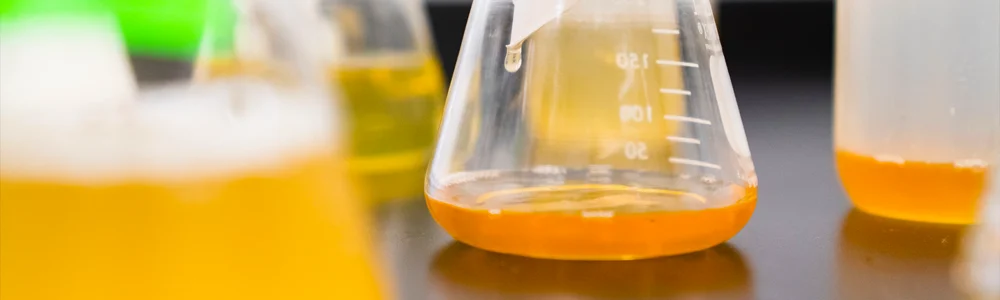
Chloramines aren’t without their problems with water treatment. For one thing, they can react with organics in water to produce disinfection by-products (DBPs), some of which are dangerous. Second, they don’t work as well as chlorine as a disinfectant, so they don’t work well on some bacteria. Third, they corrode water lines, which can damage infrastructure and eventually pollute the water source.
Chloramines, meanwhile, are harder to get out of water than chlorine. This is particularly concerning for industries and users who need chloramine-free water, including dialysis facilities, aquariums and bakeries. Thus, the chloramines require more treatment to be applied to these users, making them both costly and complicated to operate.
Health Effects of Chloramines
Health impacts of chloramines can be mild or profound, based on exposure and tolerance. Among the possible health effects of chloramines:
Irritation to the skin, eyes and respiratory tract: Chloramines can be irritating, especially if you’re exposed to them in concentrated quantities (for example, in a swimming pool or a steamy shower).
Problems with digestive tract: Drinking high chloramine water can cause stomach pain.
More serious health hazards: Chronic use of water with high chloramine levels may have more severe health consequences.
We don’t know exactly how chloramines affect health — that’s still being investigated — but you can be sure they can do harm, especially if they are present in amounts far beyond what’s considered safe.
Chloramines vs. Chlorine: Differences in Water Treatment
Chloramines and chlorine are disinfectants, but they’re two very different things. Chlorine is more powerful and quicker than chloramines. But it dries up quickly and can be unprotected by the distribution system from contamination of the water supply.
Chloramines, meanwhile, are poorer disinfectants, but they stay in the water longer and therefore have a longer life. But they can react with organic matter in the water to produce DBPs, and are harder to excrete from water. Knowing the differences is the best way to approach disinfection and handle the difficulties involved.
Detecting Chloramines in Tap Water
The detection of chloramines in tap water usually occurs in the lab. These are based on reagents that interact with chloramines and change colour in response to chloramines’ abundance and concentration. But these tests come with expensive machines and staff, and they aren’t accessible to a general home audience.
And now there are cheap, simple tests kits that you can use on your tap water to test for chloramines. These are kits that work just like laboratory tests but can be used easily to identify chloramines. They are less precise than the lab, but they do give an accurate reading for chloramine, so people can use water smarter.
Regulation and Standards for Chloramines in Drinking Water
There are national and state differences in how and where chloramines can be safely added to water. These guidelines are based on science and they are designed to keep public health safe and water disinfection effective. These must be met and water supplies must be monitored regularly to keep up.
If this is not the case, water providers are responsible to correct it, which may include modifying the water treatment, exploring and rectifying problems in the water system, or informing customers. These guidelines are essential for the chloramines problem to be resolved and for tap water to be safe.
Removal Techniques for Chloramines in Water
It’s harder to clean water of chloramines than of chlorine. This is because chloramines are less easily lost to nature. But there are other ways to decrease chloramine levels:
Activated carbon filtration: Activated carbon absorbs chloramines, so that they become much less concentrated in the water.
Catalytic carbon: Like activated carbon, catalytic carbon has been treated so that it removes chloramines.
Anti Chloramines — Vitamin C (ascorbic acid): Vitamin C neutralises chloramines and can be added to shower filters or to small amounts of water.
All of these techniques have pros and cons as well as pricing, efficiency and volume of water it is able to process. So it will depend on the circumstance and requirements as to what works.
Case Study: Queens' Approach to the Chloramines Challenge
In Queens, like in many other places, the chloramines challenge has been a focal point for water providers and the public. The primary concern has been ensuring the safety and quality of the tap water while effectively managing the disinfection process.
To this end, the local water provider has implemented several measures, including regular monitoring of chloramine levels, public education about chloramines, and ongoing investment in water treatment infrastructure. These efforts aim to balance the need for effective water disinfection with the goal of minimizing the potential negative impacts of chloramines.
Conclusion: Addressing the Chloramines Challenge in Queens
Managing chloramines in Queens’ tap water will take more than just regular testing, public education and investment in new technology. Knowing what the pros and cons of chloramines are, citizens and policymakers can collaborate to produce clean drinking water with the least health impacts and infrastructure damage possible. The chloramines problem requires the support of communities and the compliance of regulations.
Share this on social media:
Facebook
Twitter
LinkedIn

Related Posts