What Is Hard Water? The Role of Calcium and Magnesium
- Published:
- Updated: January 6, 2025
Listen to this article
Summary
Hard water, caused by high levels of calcium and magnesium, can affect various aspects of daily life, from cleaning inefficiency to plumbing damage. Understanding its formation and effects allows for better water management. Testing water hardness and using the right treatment methods, such as water softeners and filters, can mitigate these issues and improve overall water quality.
Key Points:
- Hard water contains high levels of calcium and magnesium, leading to scaling and cleaning difficulties.
- Testing water hardness is essential for determining the appropriate treatment solutions.
- Water softeners, filters, and regular maintenance can reduce the adverse effects of hard water.

Water quality is a topic of concern for many. It affects not only our health but also our daily lives in ways we may not realize.
One aspect of water quality that often goes unnoticed is hardness. Hard water, characterized by high levels of calcium and magnesium, can have significant implications.
Understanding what hard water is and how it’s formed is the first step. This knowledge can help us identify the presence of hard water and take appropriate measures.
In this article, we explore the science behind hard water. We explore the role of calcium and magnesium in contributing to water hardness.
We also discuss how to test tap water for hardness. Moreover, we’ll look at the benefits of using a hard water filter.
Our aim is to provide you with valuable information on hard water, its effects, and solutions to mitigate those effects.
Understanding Hard Water: A Primer
Hard water is water that contains high levels of dissolved minerals. These minerals typically include calcium and magnesium. These minerals leach into the water from surrounding rocks and soils.
Indicators of hard water are well-known. Soap does not lather easily, and you might see spots on glasses after they dry. These are common signs.
In addition to home indicators, there’s scientific measurement. Hardness of water is measured in grains per gallon (GPG), milligrams per liter (mg/L), or parts per million (ppm).
Geography plays a crucial role in water hardness. Areas with limestone or chalk formations often have harder water.
Understanding hard water is important. Recognizing its presence allows for the implementation of effective solutions. These solutions can enhance water quality and prolong the lifespan of appliances.
The Science Behind Hard Water

Water hardness primarily stems from geological sources. As water moves through soil and rock, it picks up minerals. These minerals dissolve and enrich the water with calcium and magnesium.
Temporary hardness is caused by dissolved bicarbonates. It can be removed by boiling water, which precipitates the minerals.
Permanent hardness, on the other hand, is due to sulfates and chlorides. This type cannot be removed by boiling. A more involved water treatment process is required.
Understanding these scientific principles helps in choosing the right treatment options. It empowers you to address issues specific to your water supply.
Calcium, Magnesium, and Water Hardness
Calcium and magnesium are the main culprits of water hardness. When these minerals dissolve in water, they create hardness. Their presence affects the water’s properties significantly.
Calcium contributes to the buildup of lime scale. You see this scale on faucets and inside pipes. Scale can reduce water flow and efficiency.
Magnesium similarly impacts water hardness, but it also interacts chemically in different ways. Magnesium chloride, for example, can exacerbate scaling issues.
Both minerals have health impacts. While not harmful in small quantities, they can influence taste. Understanding their roles allows for better water management strategies.
Measuring Water Hardness
Measuring water hardness is crucial for identifying how mineral-laden your water supply is. It’s done using specific units to quantify the mineral content.
Hardness is measured in:
- Grains per gallon (GPG)
- Milligrams per liter (mg/L)
- Parts per million (ppm)
These measurements indicate the concentration of calcium and magnesium. Test kits are available for home use, providing a quick assessment. For precise readings, professional lab testing is recommended. Knowing the exact hardness level helps in implementing effective solutions. It also aids in determining the need for water treatment devices.
The Impact of Hard Water on Daily Life
Hard water impacts various aspects of daily life. First and foremost, it affects cleaning processes. Soaps and detergents don’t lather well, making cleaning less effective.
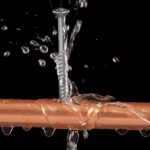
Plumbing systems suffer because of hard water. Mineral deposits build up inside pipes, restricting water flow. This can lead to higher energy bills and costly repairs.
Appliances are also affected by hard water. They become less efficient, as mineral buildup forces them to work harder. This reduces their lifespan significantly.
Personal care is another area impacted by hard water. It can make skin feel dry and hair dull, affecting overall well-being.
Even food and beverages can taste different with hard water. Subtle changes in flavor may alter your culinary experiences. Understanding these impacts is essential for taking corrective action.
Hard Water and Your Health
The presence of minerals in hard water has implications for health. Consuming hard water isn’t harmful for most people. In fact, the minerals can be beneficial.
However, there are potential drawbacks to consider. Some studies suggest it might aggravate conditions such as eczema. This can be a concern for individuals with sensitive skin.
Moreover, understanding these effects is essential. This knowledge helps in making informed decisions about water treatment. With the right information, you can ensure a safe and comfortable living environment.
Hard Water's Effects on Skin and Hair
Hard water can affect personal grooming routines negatively. Soap reacts poorly with the minerals, leaving a residue on skin. This film can cause dryness and irritation, especially for sensitive types.
Hair can also be affected by hard water. The minerals can weigh hair down, making it look dull and flat. Additionally, they may cause shampoo to be less effective.
Managing these issues is important for maintaining good skin and hair health. Using a hard water filter or special products can help mitigate these effects. Such solutions ensure your skin stays healthy and hair remains vibrant.
Testing for Hard Water: Tap Water Analysis
Testing your tap water is crucial for understanding its hardness. Begin by identifying any common indicators. Issues like soap scum and residue may suggest hard water.
To confirm hardness levels, conduct a formal water test. Test kits are widely available, providing an easy means to assess your water. These kits usually measure hardness in grains per gallon or parts per million.
Understanding the hardness of your water helps in finding the right solutions. It assists in choosing appropriate treatment measures. This testing is a vital step in ensuring optimal water quality in your home.
DIY Methods vs. Professional Water Testing
There are various methods for testing water at home. DIY kits are convenient, affordable, and offer quick results. They’re ideal for those wanting to conduct basic checks without specialist assistance.
However, professional water testing provides a comprehensive analysis. It can detect other potential water quality issues beyond hardness. These services offer detailed reports, ensuring a thorough evaluation.
Weigh the benefits of each method carefully. Consider your specific needs and any potential water quality concerns. Choosing the right testing approach is key to effectively managing and improving water quality.
Solutions for Hard Water Issues
Addressing hard water involves several strategic solutions. Implementing a water softening system can effectively reduce hardness. This approach is ideal for mitigating scale formation and improving appliance efficiency.
Additionally, consider the environmental impact of each solution. Salt-free alternatives offer sustainable options for water softening. They work by altering the crystal structure of minerals, preventing scale without chemical additives.
Routine maintenance and checking for plumbing issues are also vital. Regular descaling of appliances helps maintain performance and longevity. Together, these measures ensure your home is protected from the adverse effects of hard water.
Choosing the Right Hard Water Filter
Selecting the appropriate hard water filter depends on specific needs. First, consider the water hardness level in your area. Testing results will guide the choice of filter type and technology required.
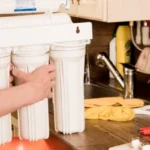
Filters come in various configurations and price ranges. Options include whole-house systems, faucet attachments, and under-sink units. Assess the water usage patterns in your home to determine the most efficient option.
Research different filter technologies to find the best fit. Ion exchange, reverse osmosis, or magnetic softeners each offer distinct benefits. Ensuring compatibility with your existing plumbing setup is also essential to facilitate smooth installation and operation.
Conclusion: The Importance of Addressing Hard Water
Hard water impacts health, appliances, and infrastructure. By understanding and addressing it, you improve water quality and protect resources.
Taking proactive steps like testing and filtering ensures safe, efficient water usage. Emphasizing water quality is vital for long-term health and sustainability.
Share this on social media:
Facebook
Twitter
LinkedIn

Related Posts