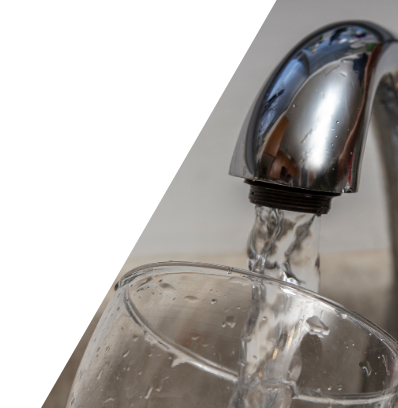
Lead as a contamination in drinking water
Prepared by:
R & D Department of Olympian Water Testing™
Fact Checked by
Dr. Yasir A. Rehman PhD
Table of Contents
Introduction
According to the World Health Organization (WHO), lead exposure is responsible for nearly half a million deaths annually and accounts for 9.3% of the global burden of idiopathic developmental intellectual disability. (1)
The urgency of addressing lead contamination cannot be overstated. The infamous Flint water crisis, which began in 2014, highlighted the devastating impact of lead poisoning on communities and brought global attention to the need for stringent water quality standards and proactive measures to prevent such occurrences. This incident, among others, has underscored the importance of understanding the sources, mechanisms, and effects of lead contamination in drinking water.
This white paper aims to provide a comprehensive overview of lead contamination in drinking water. It will explore the historical context of lead use in plumbing, identify the various sources of contamination, and examine the health impacts of lead exposure. Additionally, it will discuss the regulatory standards and guidelines established to control lead levels in drinking water, as well as the methods used for detection and treatment.
Historical Background of Lead Use in Plumbing
In the 19th and early 20th centuries, lead pipes became the material of choice for plumbing in many countries, including the United States, due to their flexibility and resistance to pinhole leaks. Lead was also used in solder and fixtures, further contributing to its widespread application in water distribution systems. During this period, the convenience and reliability of lead as a plumbing material overshadowed emerging concerns about its toxicity.
As scientific understanding of lead’s health effects grew, evidence began to accumulate about the dangers of lead exposure. By the mid-20th century, researchers had established clear links between lead exposure and serious health problems, including neurological damage, especially in children, and a range of other chronic conditions. These findings prompted public health officials and policymakers to reconsider the use of lead in plumbing systems.
The 1970s marked a significant turning point in the regulation of lead. In the United States, the Safe Drinking Water Act (SDWA) of 1974 laid the groundwork for controlling contaminants in drinking water, including lead. (2)
Subsequent amendments and the establishment of the Lead and Copper Rule (LCR) in 1991 mandated water utilities to minimize lead and copper levels through treatment techniques and the replacement of lead service lines.
Internationally, many countries began to implement similar regulations, phasing out the use of lead in new plumbing installations. For example, the European Union introduced directives to limit lead content in materials that come into contact with drinking water. Despite these regulatory advancements, the legacy of lead plumbing remains a persistent problem, particularly in older urban areas where lead pipes and fixtures are still in use.
The historical use of lead in plumbing has left a challenging legacy that continues to affect water quality and public health. Understanding this history is crucial for addressing the ongoing issues of lead contamination in drinking water systems and for developing effective strategies to mitigate the risks associated with aging infrastructure. This historical context underscores the importance of continued vigilance, regulation, and innovation in ensuring safe drinking water for all.
Sources of Lead Contamination
Lead contamination in drinking water primarily arises from the interaction of water with materials containing lead. These sources of contamination can be broadly categorized into several key areas:

Lead Pipes and Plumbing Systems
Lead Service Lines
Lead pipes that connect the water main to homes and buildings are one of the most significant sources of lead contamination. These service lines can leach lead into the water, especially when water sits in the pipes for extended periods.
Interior Plumbing
Older homes and buildings may have interior plumbing made from lead pipes, which contribute to contamination as water passes through them.
Fixtures and Faucets
Even in cases where the main plumbing is not made of lead, fixtures and faucets made with lead-containing brass or chrome-plated brass can release lead into drinking water.

Corrosion of Household Plumbing
Water Stagnation
When water remains stagnant in lead pipes or fixtures for several hours, such as overnight or during work hours, the concentration of lead can increase significantly.
Chemical Reactions
Lead can leach into water through chemical reactions between the water and the lead-containing materials. This process, known as corrosion, is influenced by water acidity (pH), temperature, and the presence of certain minerals and chemicals.

Industrial
Discharges
Manufacturing Facilities
Factories that produce or use lead-containing materials can discharge lead into the environment. These discharges can contaminate nearby water sources, which can eventually enter the drinking water supply.
Mining and Smelting Operations
Industrial activities involving the extraction and processing of lead can release significant amounts of lead into surrounding soil and water bodies.

Lead-Based Solder
and Fixtures
Solder
Lead-based solder was commonly used to join copper pipes until it was banned in many countries in the late 1980s. However, plumbing systems installed before this ban may still contain lead solder, posing a risk of contamination.
Brass Fixtures
Many brass fixtures contain lead to make the brass easier to work with. These fixtures can release lead into drinking water, especially when they are new and have not yet formed a protective oxide layer.

Environmental
Sources
Soil Contamination
Lead particles from various sources, including industrial emissions and leaded gasoline (phased out in most countries by the 1990s), can settle into the soil. This contaminated soil can be a source of lead in water through runoff into surface water bodies or infiltration into groundwater.
Airborne Lead
Lead can be released into the air through industrial processes and then deposited onto surfaces, eventually making its way into water sources through precipitation and runoff.

Corrosion Control
Failures
Inadequate Water Treatment
Water utilities use corrosion inhibitors, such as orthophosphates, to reduce the leaching of lead from pipes. Failure to maintain proper corrosion control measures can result in increased levels of lead in drinking water.
Changes in Water Chemistry
Changes in the source of water supply or treatment processes can alter water chemistry, potentially increasing the corrosiveness of the water and leading to higher levels of lead leaching.

Plumbing Repairs
and Upgrades
Disturbance of Old Pipes
Plumbing repairs or upgrades can disturb old lead-containing pipes and fixtures, temporarily increasing lead levels in the water.
Partial Lead Service Line Replacements
Replacing only a portion of a lead service line can disturb the remaining lead pipes, exacerbating lead release into the water.
Mechanisms of Lead Contamination in Water Systems
Understanding the mechanisms of lead contamination in water systems is crucial for developing effective strategies to mitigate and prevent lead exposure. Several chemical and physical processes contribute to the leaching of lead from plumbing materials into drinking water. Key factors include water chemistry, water stagnation, and temperature.
Chemical and Physical Processes of Lead Leaching
Lead leaching occurs when water interacts with lead-containing materials in plumbing systems. The primary processes involved are:

Corrosion
Corrosion is the gradual breakdown of materials, often metals, through chemical reactions with their environment. In plumbing systems, corrosion can occur when water comes into contact with lead pipes, fixtures, or solder. This reaction causes lead to dissolve into the water, resulting in contamination.

Electrochemical Reactions
Lead corrosion is often driven by electrochemical reactions, where differences in electrical potential between metals (such as lead and copper) in the plumbing system create an environment conducive to corrosion.

Oxidation-Reduction Reactions
These reactions can convert solid lead in pipes into soluble lead ions that dissolve in water, especially under certain water chemistry conditions.

Impact of Water Chemistry on Lead Solubility
Water chemistry plays a critical role in determining the extent of lead leaching. Key factors include:

pH Levels
The acidity or alkalinity of water (measured by pH) significantly affects lead solubility. Low pH (acidic water) increases the solubility of lead, making it more likely to leach into the water supply. Conversely, higher pH (alkaline water) can form protective scales that inhibit lead dissolution.

Presence of Dissolved Oxygen
High levels of dissolved oxygen can enhance the oxidation of lead, increasing its solubility and the likelihood of leaching.

Mineral Content
Certain minerals, such as calcium and magnesium, can form protective scales on the interior surfaces of pipes, reducing lead leaching. However, changes in water chemistry can disrupt these scales, leading to increased contamination.

Chlorine and Chloramines
These disinfectants, used to control microbial growth in water systems, can also affect lead solubility. While they help prevent bacterial contamination, they can sometimes enhance lead leaching under certain conditions.

Role of Water Stagnation and Temperature
Water stagnation and temperature significantly influence lead contamination levels in drinking water:

Water Stagnation
When water sits idle in lead pipes or fixtures for extended periods, it has more time to interact with lead-containing materials, resulting in higher lead concentrations. Stagnant water allows for prolonged contact with lead surfaces, increasing the potential for leaching. This is particularly problematic in areas with low water usage or during overnight periods when water is not flowing.

Temperature
Temperature affects the rate of chemical reactions, including those that cause lead to dissolve into water. Higher temperatures can accelerate corrosion processes and increase the solubility of lead, leading to higher contamination levels. Conversely, colder water slows down these reactions, potentially reducing lead leaching.

Hot Water Systems
In systems where hot water is used, the higher temperatures can exacerbate lead leaching. This is particularly important in settings such as hot water tanks, where lead-containing components might be present, and the warm environment facilitates lead dissolution.

By understanding these mechanisms, water utilities and public health officials can better design and implement strategies to control lead levels in drinking water. Effective corrosion control measures, regular monitoring of water chemistry, and practices to minimize water stagnation are essential to reduce lead contamination and protect public health.
Health Impacts of Lead Exposure
Lead exposure poses significant health risks, particularly to vulnerable populations such as children, pregnant women, and the elderly. The ingestion of lead-contaminated water can lead to both short-term and long-term health effects, affecting multiple organ systems. Understanding these impacts is crucial for implementing effective public health interventions and policies.
Neurological and Developmental Effects
Children
Children are particularly susceptible to the harmful effects of lead due to their developing nervous systems. Developmental delays and learning difficulties are common in children with elevated blood lead levels. (4)
Adults
In adults, chronic lead exposure can result in cognitive decline, memory loss, and an increased risk of neurodegenerative diseases such as Alzheimer’s. Lead exposure has also been linked to mood disorders and decreased cognitive function.
Cardiovascular Effects
Hypertension
Lead exposure is associated with an increased risk of hypertension (high blood pressure). This condition can lead to a higher likelihood of heart disease, stroke, and other cardiovascular problems.
Atherosclerosis
Chronic lead exposure can contribute to the development of atherosclerosis, a condition characterized by the buildup of fatty deposits in the arteries, which can restrict blood flow and increase the risk of heart attacks and strokes.
Renal Effects
Kidney Damage
Lead is nephrotoxic, meaning it can cause damage to the kidneys. Chronic exposure to lead can result in impaired kidney function, leading to conditions such as chronic kidney disease and, in severe cases, kidney failure. (5)
Proteinuria
Lead exposure can cause proteinuria, a condition where excess proteins are found in the urine, indicating kidney damage.
Reproductive and Developmental Effects
Pregnant Women
Pregnant women exposed to lead face significant risks, as lead can cross the placental barrier, affecting fetal development. Lead exposure during pregnancy can result in miscarriage, stillbirth, premature birth, and low birth weight. It can also cause developmental delays and cognitive impairments in the newborn. (6)
Infertility
Both men and women can experience reduced fertility due to lead exposure. In men, lead can affect sperm quality and count, while in women, it can disrupt the menstrual cycle and hormonal balance.
Hematological Effects
Anemia
Lead interferes with the body’s ability to produce hemoglobin, the protein in red blood cells that carries oxygen. This can lead to anemia, characterized by fatigue, weakness, and shortness of breath. (7)
Impaired Erythropoiesis
Lead exposure can disrupt the production of new red blood cells (erythropoiesis), contributing to further hematological issues.
Immunological Effects
Immune System Suppression
Lead exposure has been shown to weaken the immune system, making individuals more susceptible to infections. It can impair the function of white blood cells, which are critical for fighting off pathogens.
Reduced Vaccine
Efficacy
Studies have found that higher levels of lead in the blood are associated with lower antibody responses to vaccinations, particularly in children.
Detection and Measurement of Lead in Drinking Water
Detecting and measuring lead in drinking water is crucial for ensuring water safety and compliance with health standards. Accurate detection methods and regular monitoring are essential for identifying lead contamination and mitigating its effects. Here are the primary methods and protocols used for detecting and measuring lead in drinking water:
Analytical Methods for Lead Detection

Inductively Coupled Plasma Mass Spectrometry (ICP-MS)
ICP-MS is a highly sensitive and accurate method for detecting trace levels of lead in water. It involves ionizing the sample with inductively coupled plasma and then using a mass spectrometer to measure the lead ions. This method can detect lead concentrations as low as parts per trillion (ppt), making it suitable for stringent regulatory standards. A study highlighted the use of ICP-MS for detecting lead, noting its precision and low detection limits.

Atomic Absorption Spectroscopy (AAS)
AAS is another common method for measuring lead in drinking water. It involves atomizing the sample and measuring the absorption of light at a specific wavelength by lead atoms. Flame AAS and Graphite Furnace AAS (GFAAS) are two variations of this technique, with GFAAS providing higher sensitivity.

Anodic Stripping Voltammetry (ASV)
ASV is an electrochemical method that pre-concentrates lead ions onto an electrode surface before stripping them by applying an electric current. This technique is highly sensitive and can detect low levels of lead in water.

Challenges in Lead Detection
Water Chemistry
Variations in water chemistry, such as pH, hardness, and the presence of other minerals, can affect lead solubility and complicate detection efforts.
Aging Infrastructure
Lead detection is particularly challenging in older water systems with extensive lead plumbing. Corrosion control measures and changes in water chemistry can also impact lead levels.
Low Detection Limits
Achieving the low detection limits required by regulatory standards necessitates sensitive and precise analytical techniques, often requiring advanced laboratory equipment.
Recent Advancements in Detection Technologies
Portable Lead Testing Kits
Portable lead testing kits are becoming increasingly popular for on-site lead detection. These kits use colorimetric or electrochemical methods to provide quick and reasonably accurate measurements of lead in water, making them useful for preliminary screening.
Innovative Sensor Technologies
Advances in sensor technologies, such as nanomaterials and biosensors, are enhancing the sensitivity and specificity of lead detection. These sensors can be integrated into smart water monitoring systems for real-time lead measurement.
Economic and Social Impacts of Lead Contamination
Lead contamination in drinking water has far-reaching economic and social impacts, affecting public health, education, and economic productivity. These impacts can be particularly severe in vulnerable communities, exacerbating existing inequalities and placing a significant burden on individuals and society as a whole.
Economic Impacts
1 - Healthcare Costs
Direct Medical
Costs
Treating lead poisoning and its associated health effects requires substantial medical resources. This includes the cost of diagnostic tests, medical treatments, and long-term care for chronic conditions caused by lead exposure.
Indirect
Costs
Indirect healthcare costs include lost productivity due to illness, disability, and premature death. These costs can be substantial, as lead exposure can result in long-term health issues requiring ongoing medical attention.
2 - Educational and Developmental Costs
Cognitive
Impairments
Lead exposure, particularly in children, is linked to cognitive impairments, including reduced IQ, attention deficits, and learning disabilities. These impairments can result in higher costs for special education services and interventions.
Lost Educational
Opportunities
Children with elevated blood lead levels are more likely to miss school and perform poorly academically, reducing their future earning potential and contributing to a cycle of poverty.
Social Impacts
1 - Public Health Disparities
Vulnerable
Populations
Low-income and minority communities often face higher exposure to lead due to aging infrastructure and limited resources for mitigation. This exacerbates health disparities and contributes to social inequality.
Community
Health
Widespread lead contamination can erode trust in public health systems and lead to long-term community health challenges, including increased prevalence of chronic diseases.
2 - Social Mobility
Intergenerational
Effects
The effects of lead exposure can span generations, with children affected by lead poisoning experiencing long-term socioeconomic disadvantages. This can limit social mobility and perpetuate cycles of poverty and inequality.
Community
Development
Lead contamination can hinder community development efforts by creating an unhealthy environment that discourages investment and growth.
3 - Mental Health
Psychological
Effects
Chronic exposure to lead can have severe psychological effects, including increased rates of depression, anxiety, and behavioral disorders. These mental health issues can further reduce quality of life and increase social service costs.
Family
Stress
The stress of dealing with lead contamination and its health impacts can place a significant burden on families, affecting their overall well-being and stability.
Global Perspectives on Lead Contamination
Lead contamination in drinking water is a pervasive issue that affects countries worldwide. The severity and sources of contamination, as well as the responses to it, vary significantly across different regions. This section provides a comparative analysis of lead contamination in various countries, highlights international efforts to address the issue, and discusses cross-border cooperation and knowledge sharing.
Comparative Analysis of Lead Contamination in Different Countries
Regulatory Framework: The EPA’s Lead and Copper Rule sets an action level for lead at 15 ppb. Recent revisions aim to improve lead service line replacements and enhance public transparency.
Regulatory Measures: The Drinking Water Inspectorate (DWI) enforces the European Drinking Water Directive, which sets a lead limit of 10 µg/L. Efforts are ongoing to replace lead pipes and provide public education on reducing exposure.
Local Initiatives: Various provinces have implemented programs to replace lead service lines and provide guidance on using filters and other protective measures.
Regulatory Challenges: Enforcement of drinking water standards is inconsistent, and many communities lack the infrastructure for proper water treatment and testing.
Health Impacts: High levels of lead exposure have led to significant public health crises, particularly affecting children in mining regions.
Global Perspectives on Lead Contamination
Flint Water Crisis
The Flint water crisis is one of the most well-documented cases of lead contamination in drinking water. It began in April 2014 when the city of Flint, Michigan, switched its water supply from Lake Huron to the Flint River to save costs. However, the Flint River water was not treated with necessary corrosion inhibitors, causing lead from aging pipes to leach into the water supply. (8)
Key Points
Thousands of residents, including children, were exposed to high levels of lead, leading to numerous health issues such as developmental delays and cognitive impairments.

Washington, D.C. (2001-2004)
In the early 2000s, Washington, D.C. experienced a significant lead contamination event after switching to chloramine as a disinfectant. This change increased lead leaching from pipes.

Canada (Various Cities)
Several Canadian cities, including Montreal and Toronto, have faced issues with lead contamination due to aging infrastructure and lead service lines.

Bengaluru, India (2016)
In 2016, Bengaluru faced a lead contamination issue when industrial waste containing lead was improperly disposed of, contaminating the water supply.
Future Directions and Research Needs
Addressing lead contamination in drinking water requires ongoing research, technological advancements, policy improvements, and collaborative efforts. This section outlines the emerging technologies for lead detection and removal, policy recommendations, public health strategies, and the importance of long-term monitoring and maintenance.

1 - Advanced Sensor Technologies
Nanotechnology: The development of nanosensors enhances the sensitivity and specificity of lead detection. These sensors can provide real-time monitoring and early detection of lead in water.
Biosensors: Utilizing biological elements, biosensors can detect lead ions with high precision, offering a cost-effective and rapid detection method.

2 - Innovative Filtration Systems
Shock Electrodialysis: This emerging technology uses electric fields to remove lead from water efficiently. It offers a continuous and selective removal process that could be integrated into existing water treatment systems.
Advanced Membranes: Developments in membrane technology, such as graphene oxide membranes, provide high selectivity for lead removal, ensuring cleaner water with minimal energy consumption.

Point-of-Use Treatment Devices
Portable Filters: Enhanced filtration devices for household use, including activated carbon filters and reverse osmosis systems, can effectively reduce lead levels at the point of consumption.
Policy Recommendations and Public Health Strategies

Point-of-Use Treatment Devices
Governments should consider revising permissible lead levels in drinking water to reflect the latest health research, aiming for stricter standards.
Comprehensive Testing Requirements: Mandating regular and comprehensive testing of drinking water, especially in vulnerable areas such as schools and daycare centers, is essential for early detection and prevention.

Public Awareness Campaigns
Education and Outreach: Implementing public education campaigns to inform communities about the risks of lead contamination and the importance of regular water testing can empower individuals to take preventive measures.
Community Involvement: Engaging local communities in monitoring and reporting lead contamination can enhance public trust and ensure timely interventions.

Collaborative Efforts and Funding for Research and Innovation International Cooperation
Global Initiatives: International organizations like WHO and UNICEF should continue to support global initiatives aimed at reducing lead exposure, providing technical assistance, and sharing best practices.
Cross-Border Research: Collaborative research projects across countries can lead to innovative solutions and standardized approaches to lead contamination.

Funding for Innovation
Research Grants: Governments and private sectors should increase funding for research focused on developing new technologies for lead detection and removal.
Public-Private Partnerships: Encouraging public-private partnerships can leverage the strengths of both sectors to accelerate the development and deployment of innovative solutions.
Conclusion
Lead contamination in drinking water poses significant health risks, particularly to vulnerable populations such as children and pregnant women. Exposure to lead can lead to severe cognitive and developmental impairments, cardiovascular issues, and other chronic health problems. Historical events like the Flint water crisis have highlighted the devastating impacts of lead contamination and underscored the need for robust regulatory frameworks and proactive measures to prevent such incidents.
Technological advancements, including nanosensors and advanced filtration systems, offer promising solutions for detecting and removing lead from water. However, the effectiveness of these technologies relies heavily on proper implementation and continuous monitoring. Policy recommendations emphasize the need for stricter regulations, comprehensive testing, and public awareness campaigns to mitigate lead exposure risks.
International cooperation and funding are crucial for driving research and innovation in this field. Collaborative efforts among governments, private sectors, and international organizations can foster the development of new technologies and ensure the widespread adoption of best practices for water safety.
Our vision for the future is one where every community has access to safe, clean, and lead-free drinking water. Achieving this vision requires a multifaceted approach, combining technological innovation, rigorous regulatory oversight, and active community involvement. By working together, we can ensure that all individuals, regardless of their socioeconomic status or geographic location, can enjoy the fundamental right to safe drinking water.
References
- https://www.who.int/health-topics/lead-poisoning#tab=tab_1
- https://journalofethics.ama-assn.org/article/safe-drinking-water-act-1974-and-its-role-providing-access-safe-drinking-water-united-states/2017-10
- https://stacks.cdc.gov/view/cdc/61792\
- https://www.aacap.org/AACAP/Families_and_Youth/Facts_for_Families/FFF-Guide/Lead-Exposure-In-Children-Affects-Brain-And-Behavior-045.aspx
- https://emedicine.medscape.com/article/242605-overview
- https://www.ncbi.nlm.nih.gov/books/NBK582785/
- https://www.ncbi.nlm.nih.gov/pmc/articles/PMC10519513/
- https://www.nrdc.org/stories/flint-water-crisis-everything-you-need-know
- https://www.epa.gov/dwreginfo/lead-and-copper-rule
- https://www.ndsmcobserver.com/article/2023/10/consumer-notices-of-lead-results-in-drinking-water-posted-in-dorms
- https://safepipingmatters.org/about/
- https://www.epa.gov/sdwa
- https://www.epa.gov/ground-water-and-drinking-water/basic-information-about-lead-drinking-water