Is Yonkers Tap Water Safe to Drink?
- Published:
- Updated: January 22, 2025
Summary
Yonkers tap water contains 23 contaminants, with seven exceeding the Environmental Working Group’s (EWG) health guidelines. Contaminants like Bromodichloromethane and Chloroform have been linked to serious health risks, including cancer. It’s important for residents to be aware of these risks and take steps to ensure their water is safe.
- Contaminants in Yonkers water: Bromodichloromethane, Chloroform, and others exceed EWG health guidelines.
- Water sources: Yonkers draws water from 19 reservoirs, the Catskill-Delaware watersheds, and the NYC water supply system.
- Health risks: The water contains harmful substances like uranium and chemicals linked to cancer, highlighting the need for testing.

Many people wonder if Yonkers tap water is safe to drink. Our team of experts has found 23 contaminants in Yonkers tap water. Seven of these exceed the Environmental Working Group (EWG) health guidelines.
Contaminants like Bromodichloromethane and Chloroform are in Yonkers tap water. They have been linked to cancer and other health issues. These levels are higher than the EWG guidelines.
The presence of these contaminants is a serious health concern. Yonkers uses an average of 127.6 gallons of water per person daily. It’s vital to ensure our water is safe.
To learn more about removing these contaminants, visit top water filters for faucets. Take the first step to protect your home and family from contaminated water.
Understanding Yonkers Tap Water Sources
When we talk about Yonkers water quality, it’s key to know where the water comes from. Yonkers gets its drinking water from 19 reservoirs and three controlled lakes. These are spread over nearly 2,000 square miles.
The water sources for Yonkers tap water are mainly from the Catskill and Delaware watersheds. These are part of the New York City water system.
The quality of Yonkers water is affected by two main points. One is Shaft 22 of the Delaware Aqueduct in Yonkers. The other is Rye Lake, the eastern part of Kensico Reservoir in Harrison. Water from Shaft 22 comes from both the Catskill and Delaware watersheds. Water from Rye Lake mostly comes from the Delaware watershed.
The Croton Aqueduct System

The Croton Aqueduct System is important for Yonkers’ drinking water. It supplies water from the Croton Reservoir. This reservoir is in the Catskill-Delaware watershed.
New York City Water Supply Connection
The New York City Water Supply Connection is also key for Yonkers’ water. It lets Yonkers get water from the NYC system. This system gets its water from the Catskill and Delaware watersheds.
Local Reservoir Networks
Yonkers’ local reservoir networks also help supply water. These reservoirs are part of the watershed. They are crucial for keeping the water quality good.
To make sure the water is safe, we suggest getting a test done today. This way, you can protect your home. Knowing where the water comes from and how it’s treated helps residents trust their drinking water.
| Water Source | Description |
|---|---|
| Catskill-Delaware Watershed | Primary source of Yonkers tap water |
| Croton Aqueduct System | Supplies water from the Croton Reservoir |
| New York City Water Supply Connection | Allows Yonkers to draw water from the NYC water system |
| Local Reservoir Networks | Contribute to the city’s water supply and maintain Yonkers water quality |
Current State of Yonkers Water Quality
We are dedicated to giving our clients the truth about Yonkers tap water they use. Recent studies show that Yonkers water quality is a worry. Contaminants like Bromodichloromethane and Chloroform have been found in the water. These have been linked to cancer and other health issues, making it crucial to know the risks.
Some major problems with Yonkers water quality include:
- Presence of uranium in the water supply, exceeding safety limits recommended by health groups
- Elevated levels of uranium compared to national averages
- Higher risks for sensitive populations, such as children and the elderly
To make sure your Yonkers tap water is safe, we suggest getting a water test today. Our team of experts is ready to provide accurate, certified water testing. We also educate clients on water safety and following regulations. By doing this, you can safeguard your home and family from health risks from contaminated Yonkers water.
Common Contaminants Found in Yonkers Tap Water
When we talk about Yonkers tap water safety, we must look at common contaminants. The Environmental Working Group (EWG) found contaminants like Bromodichloromethane, Chloroform, and Dichloroacetic acid in Yonkers water. These can harm our health, so it’s key to know the water quality report and make sure the water is safe.
Some of the main contaminants in Yonkers tap water include:
- Mineral content: High levels of minerals like calcium and magnesium can change the taste and make the water hard.
- Chemical compounds: Chemicals like Bromodichloromethane and Chloroform can be harmful to our health.
- Bacterial presence: There’s also a risk of bacterial contamination, showing the need for regular testing and treatment.
To tackle these issues, we need to check the water quality report and make sure the water is safe. This can mean installing water filters or joining community efforts to improve water quality. Together, we can make sure Yonkers tap water is safe for everyone.
How Safe is Yonkers Tap Water Compared to National Standards?
When we talk about Yonkers tap water safety, we must compare it to national standards. The Environmental Working Group (EWG) found that Yonkers tap water has contaminants above national levels. This means there are 5 contaminants in Yonkers tap water, which is a concern for water quality.
Some contaminants, like di(2-ethylhexyl) phthalate and hexachlorocyclopentadiene, are below national averages. But, nitrate and nitrite levels are close to the EWG Health Guideline. Here’s a table showing the contaminants in Yonkers tap water:
| Contaminant | Level in Yonkers Tap Water | National Average | EWG Health Guideline |
|---|---|---|---|
| Di(2-ethylhexyl) phthalate | 0.071 ppb | 0.0266 ppb | 3 ppb |
| Hexachlorocyclopentadiene | 0.015 ppb | 0.000362 ppb | 2 ppb |
| Nitrate | 0.139 ppm | 0.935 ppm | 0.14 ppm |
To keep your Yonkers tap water safe, it’s important to get it tested regularly. We suggest testing your water often to catch any contaminants early. This way, you can ensure your water quality stays good.
Recent Changes in Water Treatment Protocols
The New York City Department of Environmental Protection (DEP) has made changes to the water treatment. These changes aim to make the drinking water safer. This affects the Yonkers water quality.
We, as experts, know how crucial it is to have safe drinking water. The DEP’s updates are a positive step. Some recent changes include:
- Advanced filtration methods to remove contaminants and improve the overall water quality report.
- Chemical treatment updates to reduce the risk of waterborne diseases and ensure the Yonkers water quality meets the required standards.
- Quality control measures to monitor the water quality and provide accurate water quality reports to residents.
These changes help the DEP provide safe and clean drinking water. This is vital for public health. We suggest that residents stay updated on the Yonkers water quality. Make sure your water is safe – book a test today and protect your home!
Impact of Infrastructure on Water Quality
The age and condition of infrastructure can greatly affect water quality, including Yonkers tap water. As experts, we know how crucial it is to keep our water systems in top shape. This ensures safe and clean drinking water for everyone.
Yonkers’ water quality has faced challenges due to industrialization and growth. But, thanks to modern water treatment and infrastructure upgrades, the city has made big strides. Key efforts include:
- Upgrading lead pipes to reduce contamination risk
- Introducing smart water meters for better monitoring
- Renovating water treatment plants for better filtration
- Starting green projects to cut down stormwater runoff
These investments are crucial for the health and safety of Yonkers residents. They ensure everyone has access to clean drinking water. If you’re worried about your tap water, book a water test today. It’s the first step to ensuring your water is safe.
| Initiative | Description | Benefits |
|---|---|---|
| Upgrading lead pipes | Replacing old lead pipes with new, safer materials | Reduced risk of contamination, improved water quality |
| Implementing smart water meters | Installing meters that can monitor usage and detect leaks in real-time | Improved water efficiency, reduced waste, and enhanced customer service |
| Renovating water treatment plants | Upgrading plants to enhance filtration and disinfection capabilities | Improved water quality, increased public health protection |
Understanding Your Water Quality Report
Ensuring our drinking water is safe is key. The water quality report is vital for this. It shows what contaminants are in the water and how much. In Yonkers, knowing the water quality is important. We suggest regular tests to keep your water safe. Book a test today to protect your family.
The report gives data on things like pH levels. These should be between 6.5 and 8.5, as the U.S. EPA says. Checking these helps keep the water quality right.
Some important things to watch in your report are:
- pH levels
- Contaminant levels, like nitrates and coliform bacteria
- Other factors that might change the water’s taste, smell, or safety
By knowing your water quality report, you can make sure your water is safe. Testing regularly is key. We advise testing your water yearly to keep it safe and good quality.
| Parameter | Recommended Level |
|---|---|
| pH | 6.5-8.5 |
| Nitrates | 10 mg/L or less |
| Coliform bacteria | 0 colonies per 100 mL |
Health Implications of Yonkers Water Consumption
When we ask if it’s safe to drink Yonkers tap water, we must look at health risks. Yonkers tap water may contain harmful substances linked to cancer and reproductive problems. To stay safe, residents should get their water tested to ensure it’s clean.
Yonkers tap water contains harmful chemicals like bromodichloromethane, chloroform, and dichloroacetic acid. These chemicals are found in levels higher than what’s safe, according to the Environmental Working Group (EWG). For instance, bromodichloromethane levels are 56 times higher than the EWG’s safe limit. Chloroform levels are 68 times higher than the safe limit.
To keep your family safe from these risks, consider these steps:
- Get your water tested to find out what’s in it
- Install a home filter to clean your water
- Use bottled water instead of tap water
By taking these actions, you can make sure your tap water is safe. This way, you can avoid health problems caused by contaminated water. Always prioritize your health and the health of your family.
| Contaminant | Level Detected | EWG Health Guideline |
|---|---|---|
| Bromodichloromethane | 3.35 ppb | 0.06 ppb |
| Chloroform | 27.1 ppb | 0.4 ppb |
| Dichloroacetic acid | 12.0 ppb | 0.2 ppb |
Home Testing and Filtration Options
Ensuring our drinking water is safe is crucial. In Yonkers, water quality is a big concern. We can take steps to protect our health by testing and filtering our water at home.
We have two main ways to test our water: DIY kits and professional services. DIY kits give a basic idea of water quality. But, professional services offer detailed and accurate results. A water quality report can show us what contaminants are present and what to do next.
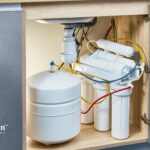
There are many filtration systems available. These include carafe, faucet-mounted, countertop, under-sink, and whole-house filters. They use technologies like granulated activated carbon (GAC) and reverse osmosis (RO) to clean our water. Choosing the right system ensures we have safe drinking water, which is key for our health, especially in Yonkers.
Some popular filtration options include:
- Point of use (POU) systems, which can be installed at individual water dispensing locations
- Point of entry (POE) systems, which filter water at the home’s main waterline
- Filters that utilize GAC and RO technologies to remove perfluorinated chemicals (PFAS) and other contaminants
Investing in a good filtration system and regular water testing is important. A water quality report is a key tool for our health. By being proactive, we can ensure our drinking water is clean and safe, which is vital for Yonkers’ water quality.
Conclusion: Ensuring Your Yonkers Water Safety
Yonkers tap water comes from the New York City Water Supply System. It meets or exceeds federal and state standards. The Yonkers Water Treatment Plant has high-quality ratings. They also test Yonkers water quality in schools and public places.
Homeowners in Yonkers need to take steps to keep their drinking water safe. They should test for lead and other harmful substances. By doing this, you can protect your family’s health and feel confident about your water.
Don’t forget to check your annual water quality report. It has important details about your local water. If you have questions, contact your water provider or a certified lab. Let’s make sure Yonkers tap water is clean and safe for everyone.
Share this on social media:
Facebook
Twitter
LinkedIn

Related Posts