Which areas in the Philippines has clean drinking water?
- Published:
- Updated: May 1, 2025
Listen to this article
Summary
In the Philippines, regions like Metro Manila, Cebu City, and Davao City are known for having clean drinking water due to advanced treatment processes, modern infrastructure, and effective water management. Metro Manila sources water from the Angat Dam and undergoes thorough treatment. Cebu City benefits from modern facilities and real-time monitoring, while Davao City is supported by the pristine Malagos Watershed, requiring minimal treatment. However, rural areas still face significant challenges, including inadequate infrastructure and limited access to water treatment facilities.
- Metro Manila, Cebu City, and Davao City are known for having clean and safe drinking water due to modern treatment technologies and strong infrastructure.
- Challenges in rural areas, such as poor infrastructure and limited access to treatment facilities, hinder the availability of clean water.
- Investments in innovative technologies, community-based solutions, and infrastructure development are essential for improving water quality across the country.

When considering the geographical and environmental diversity of the Philippines, it becomes apparent that the quality of drinking water varies significantly across different regions. The archipelago, with its more than 7,000 islands, faces unique challenges in maintaining consistent water quality standards. Understanding which areas in the Philippines have access to clean drinking water is crucial for both residents and policymakers. In this article, we will explore the regions known for their potable water quality, explore the methods employed to maintain this quality, and discuss the broader implications for public health and policy.
Introduction to Water Quality in the Philippines
The Philippines, with its archipelago of over 7,000 islands, presents unique challenges in providing clean and safe drinking water to its population. While urban areas like Metro Manila, Cebu City, and Davao City have invested in modern water infrastructure and treatment processes, rural areas still struggle with inconsistent access to clean water. Clean drinking water, as defined by the World Health Organization (WHO) and the Philippine National Standards for Drinking Water (PNSDW), must be free from harmful pathogens, chemicals, and have acceptable taste, odor, and color. In this article, we will explore the regions known for their clean drinking water, understand the treatment methods they employ, and highlight the challenges still faced by rural areas.
Testing and Compliance
Regular testing and compliance checks are integral to maintaining water quality. This involves routine sampling and laboratory analysis to detect any potential contaminants. In the Philippines, water districts and local governments are tasked with ensuring that water supply systems meet the required standards. These entities must employ skilled personnel and advanced technologies to carry out effective monitoring and ensure compliance with both national and international guidelines. To further enhance water quality assurance, many local governments are establishing dedicated facilities, such as a drinking water analysis lab, to facilitate comprehensive testing. This lab plays a crucial role in identifying harmful substances and ensuring that water meets safety standards before reaching the public. By investing in these resources, water districts can better protect community health and bolster public confidence in the safety of their water supply.
Which Areas in the Philippines Have Clean Drinking Water?

Metro Manila
Metro Manila, the capital region of the Philippines, has a relatively robust water supply system. The primary source of its water is the Angat Dam, which ensures a steady water supply even during dry seasons. The Manila Water Company and Maynilad Water Services, which serve the eastern and western zones respectively, use advanced treatment technologies to ensure the water meets national and international safety standards. However, challenges persist, such as the aging infrastructure and rapid urban growth, which strain the existing systems.
- Source of Water: Angat Dam
- Treatment Process: Filtration, chlorination, chemical treatment
- Coverage: Metro Manila, over 12 million residents
Cebu City

Cebu City, one of the largest urban centers in the Visayas, has made substantial progress in improving water quality. The Metro Cebu Water District (MCWD) uses both surface water and groundwater sources, including the Buhisan Dam and Jaclupan Water Facility. To enhance water quality monitoring, MCWD has implemented real-time monitoring systems that provide immediate data on water quality, ensuring that residents receive safe drinking water.
- Source of Water: Buhisan Dam, Jaclupan Water Facility, groundwater
- Treatment Process: Filtration, real-time monitoring
- Coverage: Cebu City, over 900,000 residents
Davao City
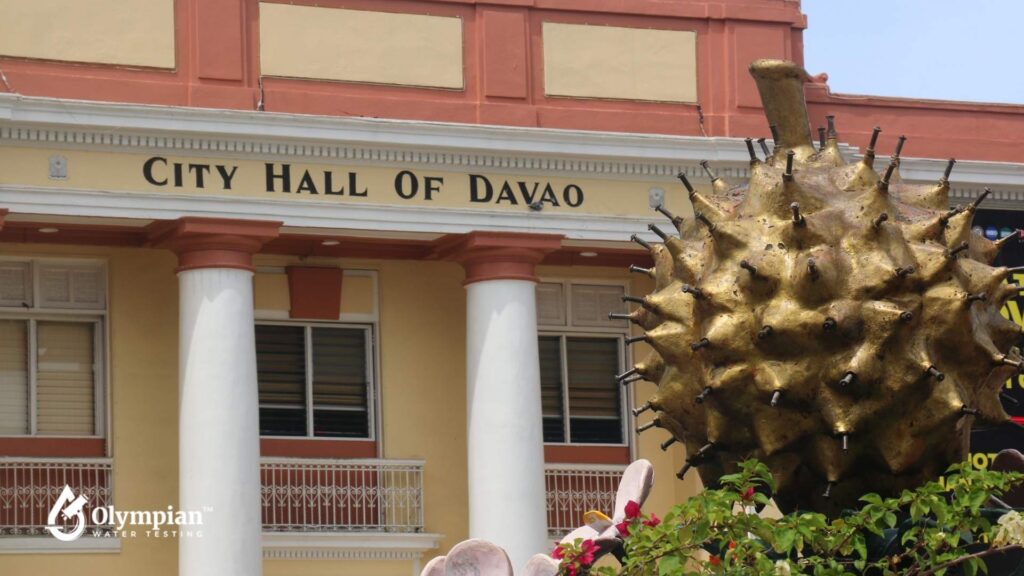
Davao City is known for its pristine water sources and effective management of its water resources. The Davao City Water District (DCWD) draws its water from the Malagos Watershed, which naturally filters the water and requires minimal treatment. This region’s commitment to environmental protection ensures that the quality of water remains high, even as the city grows.
- Source of Water: Malagos Watershed
- Treatment Process: Minimal treatment due to pristine water sources
- Coverage: Davao City, over 1.5 million residents
Challenges in Rural Areas
Despite the advancements in urban areas, rural areas in the Philippines still face significant challenges in accessing clean drinking water. A significant portion of the rural population lacks proper infrastructure, including treatment facilities, clean pipelines, and safe storage systems. As a result, many communities rely on untreated groundwater or surface water sources that may be contaminated with pathogens or chemicals. Additionally, the lack of financial resources and technological expertise hinders the development of sustainable water systems in these areas.
Water Purification and Testing

Water quality testing is crucial to ensure the safety of drinking water, especially in areas lacking modern treatment facilities. Regular testing can detect harmful contaminants such as heavy metals, bacteria, and pesticides that might not be visible to the naked eye. For example, many regions in the Philippines face contamination from agricultural runoff, industrial waste, and untreated sewage. Local authorities and water districts are working to address these issues by implementing advanced filtration technologies, improving infrastructure, and conducting regular water quality monitoring.
Contaminants Detected in Rural Areas:
- Pesticides
- Heavy metals (Lead, Arsenic)
- Microbial contaminants (E. coli, coliforms)
Treatment Methods:
- Filtration systems
- UV purification
- Community-based water solutions
Areas with Poor Water Quality in the Philippines
While regions like Metro Manila, Cebu City, and Davao City have made significant strides in improving water quality, many areas in the Philippines still struggle with inadequate access to clean and safe drinking water. These regions often face serious challenges related to water contamination, poor infrastructure, and limited access to water treatment facilities. The following areas are known for their poor water quality and the issues they face:
1. Mindanao – Rural Areas

Rural communities in Mindanao, particularly in regions like Maguindanao and Bukidnon, are plagued by water contamination from various sources. These areas often rely on untreated groundwater or surface water from rivers and lakes, which are susceptible to contamination from agricultural runoff, improper waste disposal, and industrial pollutants. The lack of filtration systems and infrastructure has resulted in high levels of pathogens and bacteria in drinking water, leading to waterborne diseases such as cholera and dysentery.
- Contaminants: Microbial contaminants (E. coli), heavy metals, pesticides, industrial waste
- Challenges: Lack of filtration systems, agricultural runoff, improper waste management
- Health Risks: Waterborne diseases, gastrointestinal issues, skin irritations
2. Palawan – Coastal Communities

Palawan, known for its pristine environment, faces challenges in providing safe drinking water to its coastal communities. The water sources in many rural areas are contaminated by saltwater intrusion due to over-extraction of groundwater. Additionally, the heavy reliance on rainwater harvesting systems and wells often results in exposure to bacteria, especially during the rainy season. Local water systems lack the resources to properly treat the water, leaving communities vulnerable to contamination.
- Contaminants: Saltwater intrusion, microbial contaminants, sewage contamination
- Challenges: Over-extraction of groundwater, inadequate water treatment infrastructure
- Health Risks: Saltwater poisoning, waterborne diseases, skin diseases
3. Bicol Region

The Bicol Region, particularly in rural and remote areas like Sorsogon and Albay, has been identified as having poor water quality. Residents in these areas often rely on shallow wells and river sources that are prone to contamination from agricultural runoff, sewage, and mining activities. Despite efforts from local water districts, many of these communities still lack proper filtration systems or access to safe, treated water.
- Contaminants: Agricultural runoff, sewage, mercury from mining, bacteria
- Challenges: Contaminated water sources, lack of filtration infrastructure
- Health Risks: Mercury poisoning, gastrointestinal diseases, skin diseases
4. Cagayan Valley
Cagayan Valley, located in the northeastern part of Luzon, is another region with poor water quality, especially in remote and underserved areas. The region’s rivers and lakes are often contaminated by industrial waste and agricultural chemicals, including pesticides and fertilizers. Inadequate water treatment systems in these areas lead to high levels of toxins and pathogens, making the water unsafe for consumption.
- Contaminants: Pesticides, fertilizers, industrial chemicals, microbial contaminants
- Challenges: Lack of modern water treatment facilities, pollution from farming and industry
- Health Risks: Pesticide poisoning, waterborne diseases, cancer risks from industrial chemicals
Conclusion
In conclusion, while areas like Metro Manila, Cebu City, and Davao City have made significant progress in providing clean drinking water, rural areas still face substantial hurdles. Addressing these disparities requires a multi-faceted approach, including investment in water infrastructure, community-based water systems, and effective water management policies. Continued efforts from both the government and local communities are essential in ensuring safe and clean drinking water for all Filipinos.
Share this on social media:
Facebook
Twitter
LinkedIn