Understanding the Basics of This Bacteria
It thrives in damp places where temperatures remain favorable. Many discover it in water systems that lack frequent circulation, encouraging colonies to expand. Proper vigilance keeps drinking water safety in focus, letting individuals protect their homes and loved ones.
Origins of Legionella
Historians trace it back to freshwater sources long before it was officially identified. Researchers uncovered its link to pneumonia cases in the 1970s, prompting a surge of studies aimed at pinpointing why outbreaks occur. Public interest grew, pushing medical and environmental experts to collaborate on thorough examinations of its natural habitat.
Typical Characteristics and Growth Conditions
This organism appears in low concentrations in lakes or groundwater. It gains momentum in plumbing systems adjusted to higher temperatures, when water rarely moves. Warm tanks and recirculating pipes become prime spots if disinfection levels dip. Planners who focus on water management often recommend maintaining balanced temperatures and flow rates to curb excess bacterial growth. These efforts support drinking water safety, minimizing health risks that may arise from multiplying microbes.
Growth Factor | Impact on Bacteria |
Warm Temperatures | Accelerates Reproduction |
Low Disinfectant Levels | Allows Colonies to Thrive |
Stagnant Water | Fosters Ideal Breeding Spots |
Legionella in Drinking Water: Why It’s a Growing Concern
In the United States, hundreds of Legionnaires’ disease cases are reported annually. This has led to increased vigilance, uncovering infections previously undetected. Experts note that aging populations and advancements in diagnostic tools have heightened awareness. This awareness has prompted more Legionella testing in residential and commercial settings. Such efforts protect vulnerable groups and mitigate severe respiratory risks.
The UK Health Security Agency’s data shows a broader trend. Improved reporting processes have led to a higher number of confirmed cases. Health officials believe routine checks can detect Legionella contamination early. This protects water systems in various settings, including hospitals, hotels, and private homes. It’s critical to avoid stagnant conditions in hot water tanks and pipes, as airborne droplets can carry the bacteria.
For those seeking official guidance, the EPA’s factsheet provides detailed steps to prevent outbreaks. Early identification and consistent monitoring are essential for maintaining safe drinking water. Regular testing increases public awareness and encourages communities to focus on practical solutions.
How This Bacteria Spreads Through Household Plumbing
Legionella in water enters homes through pipes with stagnant flow and ideal temperatures. This environment fosters growth, increasing the risk of Legionnaires’ disease. Industry guidelines highlight dead legs in pipes as prime breeding grounds. Warm faucets, showerheads, and unused fixtures also pose a threat.
Stagnant areas often go unnoticed. Suboptimal temperatures and low disinfectant levels create an ideal environment for microbes. Regular inspections can mitigate risks, yet many homeowners are unaware of the ease of contamination under favorable conditions.
Potential Affected Areas in the Home
Unused sinks and pipes with infrequent flow can harbor Legionella. Guest bathrooms, outdoor faucets, and dusty basement sinks are often overlooked. Even short periods of flow may not dislodge established bacteria.
Risk Factors for Contamination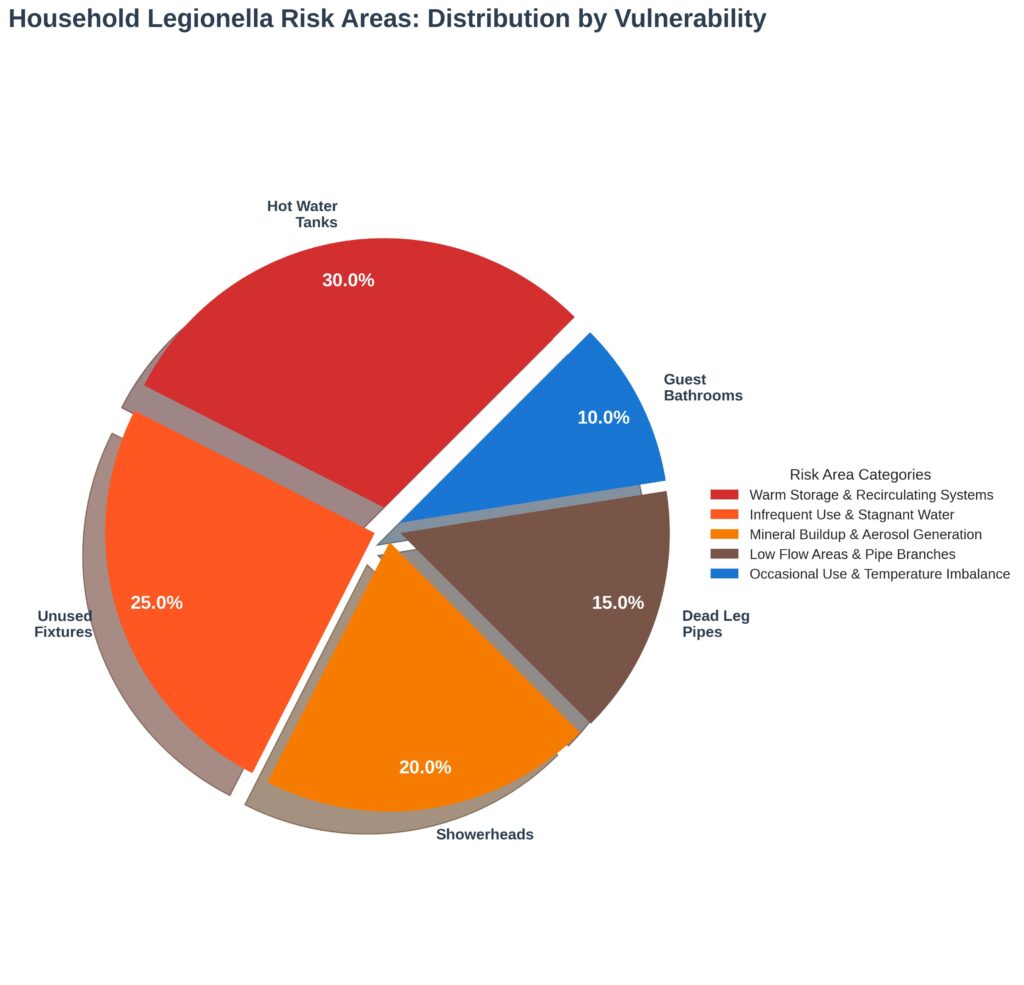
Infrequent flushing and warm water in pipes are major risk factors. Temperature imbalances increase the risk of Legionnaires’ disease. Maintaining hot water lines at high temperatures and cold lines at low temperatures can help prevent bacterial growth.
Identifying the Symptoms Linked to Legionnaires’ Disease
Public health data reveals a connection between pneumonia-like issues and this disease. Symptoms often begin with coughing and body aches. Early detection is critical for safeguarding public health. Implementing consistent water management can significantly reduce outbreak risks and enhance awareness.
Respiratory Complications to Look Out For
Many individuals experience persistent coughing and shortness of breath. Some also report a fever that spikes rapidly, complicating breathing. These symptoms necessitate immediate testing and medical intervention.
Subtle Signs That Often Go Unnoticed
Mild aches or fatigue might be overlooked. Night sweats and a slight cough can also delay diagnosis. Vigilance is essential for identifying these subtle hints before they escalate.
Who Is at Highest Risk?
Research indicates that older adults are at the greatest risk. Weakened immune systems and lifestyle factors, such as smoking, increase vulnerability. Regular inspections of home taps and plumbing systems can safeguard high-risk groups. Understanding these factors is vital for ensuring drinking water safety.
Notable Outbreaks and Their Relevance
Historic events have highlighted the dangers of Legionella contamination in large gatherings and building water systems. The 1976 American Legion Convention in Philadelphia is a prime example. It was the first major case recognized, alerting health officials to the hidden risks in pipes, fountains, and air conditioning units.
Recent outbreaks, linked to cooling towers and commercial complexes, underscore the need for regular Legionella testing. Neglect in water system maintenance can lead to elevated bacteria levels. Experts stress the importance of following strict guidelines to prevent further incidents. Regular checks on piping infrastructure are key to preventing biofilm buildup and stopping contaminated droplets from spreading into the air.
Public awareness has increased significantly following these events. Community leaders and families now remain vigilant. Taking preventive measures is essential to save lives by preventing the next outbreak.
Effective Treatment Approaches from Experts
Experts focus on both clinical and structural measures to combat Legionella in water. They understand that controlled methods significantly reduce its impact. This approach protects households from related illnesses. Proper oversight ensures systems operate at the correct temperature and conducts regular checks to prevent bacteria growth.
Medical Treatments and Antibiotics
The CDC recommends antibiotic programs that include macrolides or fluoroquinolones. These treatments are tailored to individual needs, ensuring patients respond effectively. Healthcare professionals assess disease severity and choose dosages that balance efficacy and safety.
Alternative Remedies and Their Validity
Natural remedies sometimes offer hope, but evidence supporting them is scarce. Experts prefer proven treatments and consistent water management following established guidelines. Techniques like chemical shock and maintaining hot water above 120°F are effective in reducing future risks. A systematic approach ensures long-term protection against contamination.
Practical Prevention Strategies for Homeowners
Proactive steps are essential to prevent bacteria growth in home water systems. Regular maintenance ensures safe drinking water and protects families from Legionella contamination risks.
Experts emphasize the need to reduce water stagnation, keep hot water above 140°F (60°C), and check for plumbing leaks. For more tips, visit this National Institutes of Health resource. Homeowners can significantly improve their water safety by adopting these simple measures.
- Run infrequently used faucets for a few minutes each week.
- Clean and disinfect showerheads regularly.
- Ensure hot water storage is at the right temperature.
- Check the water supply’s disinfectant levels.
Suggested Water Temp | Action | Benefit |
Above 140°F (60°C) | Maintain heater settings | Decreases Legionella contamination risk |
Below 68°F (20°C) | Insulate cold-water pipes | Improves drinking water safety |
Roundup of Expert Insights and Recommendations
Agencies globally adhere to strict protocols to safeguard water systems. They emphasize that no single approach can guarantee complete safety. This perspective encourages communities in the United States and elsewhere to adopt flexible strategies suited to their specific needs. Regular inspections are key to early detection, significantly reducing the risk of Legionnaires’ disease outbreaks.
Testing thresholds are a critical practice in many areas. Legionella testing is essential for verifying water quality. It reassures residents that official guidelines dictate acceptable limits. Research indicates that a combination of temperature control, disinfectant levels, and prompt action is vital in minimizing bacterial threats.
Views from Health Organizations
The CDC in the United States advocates for water management plans that monitor temperature and chemical levels. The European Centre for Disease Prevention and Control highlights the importance of frequent inspections in large buildings with complex plumbing systems.
Perspectives from Water Treatment Specialists
Experts in this field pinpoint hidden risks, such as unused pipes or stagnant areas. They recommend continuous inspections to prevent sudden contamination spikes. Regular maintenance and detailed records contribute to safer environments, alleviating concerns about Legionnaires’ disease.
- Set clear testing schedules
- Monitor system performance
- Initiate swift corrective measures
Agency | Key Recommendation |
CDC (USA) | Adopt structured water management plans |
ECDC (EU) | Conduct targeted Legionella testing and regular system reviews |
Staying Informed for Long-Term Safety
Building owners and homeowners should maintain routines to keep plumbing systems in optimal condition. Regular checks on water temperature and residual disinfectants are essential to reduce risks. The Centers for Disease Control and Prevention suggest flushing pipes to remove stagnant water.
Creating a water management plan tailored to your site is vital. It should address changes in equipment or usage to lower Legionella contamination risks. For those managing shared buildings, such as hotels or hospitals, the World Health Organization offers valuable resources.
It’s critical to stay vigilant when conditions change or new fixtures are installed. Training staff and raising awareness about early warning signs is key. Combining these efforts with regular testing ensures healthier environments. This proactive approach enhances security and peace of mind for everyone involved.
FAQ
What is Legionella in drinking water?
Legionella is a bacterium that can enter drinking water systems through natural freshwater sources or vulnerabilities in plumbing. According to public health authorities such as the Centers for Disease Control and Prevention (CDC), it thrives in environments where water stagnates and is not regularly flushed, sometimes leading to illnesses like Legionnaires’ disease. This bacterium is often influenced by factors like temperature, sediment, and low disinfectant residual in the water supply.
Why is Legionella considered a growing concern in drinking water systems?
Increased Legionnaires’ disease awareness, improved testing, and understanding of how Legionella proliferates have made it a growing concern for homeowners and facility managers. Organizations like the World Health Organization (WHO) and the Environmental Protection Agency (EPA) note that factors such as water stagnation, minimal disinfectant levels, and favorable temperatures all contribute to its spread. As a result, water management best practices are now emphasized to reduce risks.
How does Legionella spread through household plumbing?
Legionella can flourish in residential water systems where areas of low flow or stagnant water—such as dead legs, rarely used fixtures, outdoor hoses left connected, and long pipe runs—create breeding grounds for the bacteria. Homeowners can mitigate these risks by regularly flushing taps, maintaining ideal hot water temperatures, and periodically checking for leaks. Guidelines like ASHRAE Standard 188 also recommend identifying and addressing possible problem spots, including hot water tanks and any place that water might collect without circulating.
What symptoms are linked to Legionnaires’ disease?
Legionnaires’ disease often manifests with fever, cough, chills, and difficulty breathing. In some cases, it may present mild flu-like symptoms that can go undiagnosed for a time. Individuals who smoke, the elderly, and those with immunocompromised systems face heightened risks. Seeking medical advice early can be critical in preventing complications.
Which past outbreaks highlight the severity of Legionella contamination?
Various large-scale outbreaks, including the first documented incident in the 1970s that brought the bacterium to global attention, reveal how poorly maintained water systems in large buildings, hotels, or hospitals can lead to rapid spread. By studying outbreak data, public health agencies and water management professionals update policies and encourage routine testing, thermal shock treatments, and remediation protocols to limit future risks.
What are the recommended medical treatments for Legionnaires’ disease?
Physicians typically prescribe antibiotic regimens such as macrolides or fluoroquinolones to combat Legionella. Early diagnosis and prompt treatment significantly improve recovery outcomes. Health organizations, including the CDC, stress that using evidence-based medical interventions is key to reducing the severity and spread of the disease.
Are there alternative remedies for handling Legionella contamination?
While some propose natural treatments or DIY solutions, professionals generally recommend proven methods like shock chlorination, thermal shock, and ongoing water management plans aligned with WHO guidelines and ASHRAE standards. Consistent monitoring and system maintenance are critical in ensuring that once contamination is addressed, the risk of Legionella returning remains low.
Which prevention steps can homeowners take to maintain a safe water system?
Experts suggest regular flushing of rarely used faucets, cleaning showerheads, and ensuring hot water lines stay above 140°F (60°C) and cold water remains below 68°F (20°C). Insulating pipes and following EPA regulations for water quality checks also help minimize bacterial growth. Pairing these measures with periodic testing and immediate corrective actions, such as shock treatment if needed, forms an effective defense against Legionella.
How do water treatment specialists and health organizations coordinate their efforts?
A: Public health initiatives by groups like the CDC, WHO, and EPA emphasize consistent monitoring and systematic water management programs. Specialists identify system vulnerabilities—like cold water lines that run warm—and provide remediation strategies. Together, their efforts support widespread Legionnaires’ disease awareness, helping building owners and households protect against future outbreaks.
What can be done to ensure long-term safety against Legionella?
Staying informed about the latest water management best practices, technological innovations (like advanced filtration and real-time monitoring systems), and updated ASHRAE or CDC recommendations supports ongoing protection. Routine training, system audits, and adopting a holistic approach to maintenance—encompassing temperatures, disinfectant levels, and frequent flushing—can greatly reduce the risk of continued Legionella contamination over time.