Water Safety 101: Essential Practices for Hikers and Campers
- Published:
- Updated: November 26, 2024
Listen to this article
Summary
Water safety is paramount for hikers and campers, ensuring a safe outdoor experience. Here are essential practices:
- Bring enough water: Carry sufficient water for the trip to prevent dehydration.
- Purify water before drinking: Use purification systems or tablets to remove contaminants.
- Avoid swimming in contaminated water: Check water quality before swimming to prevent waterborne illnesses.

In the case of hiking and camping, water safety is definitely the most crucial thing. Humans can survive for only a few days without water, so knowing how to discover, cleanse and preserve water while out in the great outdoors is a must. But in nature water can also be filled with pathogens, chemicals or parasites that might be able to make you sick or infected. So you’d better know the most basic water safety and hygiene procedures to ensure that you can safely go hiking or camping.
What are the Risks Associated with Water?
A hiker or camper is also susceptible to water hazards, such as hypothermia, drowning and illness by water. Know about these dangers and how to avoid them for a pleasant and safe experience outdoors.
Hypothermia is an emergency when the body vaporises heat faster than it can build up. This is when a person is left in ice water or air for too long. Shivering, confusion, drowsiness and muscle cramps are the signs of hypothermia. Hypothermia, left untreated, can render one unconscious and death. : In order to avoid hypothermia, it’s best to dress appropriately for the weather and not leave your body in cold water or air for too long.
The number one death of hikers and campers is drowning. It can happen anywhere in the water, large or small. : Water can swallow you alive in a second, so always take precautions when you are on it. To avoid drowning, always watch children in water, know the water temperature before you go in, and always wear a life vest when out on the water.
We get waterborne diseases caused by bacteria, viruses or parasites in the water. Waterborne infections typically accompanied by stomach cramps, diarrhoea, vomiting and flu. If you are concerned with waterborne illness, never drink uncontaminated, filtered water while hiking or camping. You can do this with a water purification apparatus like a water filter or water purification tablets. We should also never swim in unclean water and always keep your hygiene as good as possible like regularly washing your hands.
Essential Water Safety Practices for Hikers and Campers

If you’re going to hike and camp out in water, you should do these basic things:
Don’t Go Too Long Without Water: If you are hiking or camping, always bring enough water to last for the whole trip. How much water you’ll need will vary depending on how far you’re going to go, the weather and how much physical activity you’ll be doing. You should carry 1 liter of water per hour of activity in the medium temperature. Also, you should drink water every day even if you aren’t thirsty so that you don’t become dehydrated.
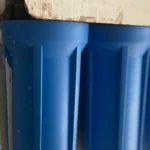
Purify Water Before Drinking: Whenever you can, always clean water before drinking it. You can do this with a water filter system, for example, a water filter or water filter tablets. These tablets and systems will remove bacteria, viruses, and parasites that might be in water that is polluted. Be sure to always read the instructions on how to use these systems and tablets to make sure that the water is purified.
Don’t Swim in Water that is Polluted: If you swim in polluted water, you run the risk of contracting water-borne disease. Check water quality always before swimming if you do not want to drink tainted water. Avoid swimming in the water if it is questionable quality. Check the water quality for pollutants, such as trash or agricultural run-off. : You can also check local health department or park service websites for water quality information.
Know Water Levels: Before going to any body of water, you need to know the water level (depth, flow and temperature). These are things that can keep you from drowning and becoming hypothermic. This can be measured with a stick or tape and you can measure flow by monitoring how the water moves. Temperature also plays a role, so always check before going in. Water that’s too cold could result in increased hypothermia.
Wear A Life Jacket: While boating, always be sure to have a life jacket on. You can wear life jackets if you don’t want to drown and provide flotation in case of an emergency. You need to choose a life jacket that is safe and appropriate for the task you are doing (kidnapping, canoeing, fishing, etc. A child needs to always be wearing a life vest in water, even if he or she can swim.
Know How to Swim: Swimming is a life-saving skill. Learn to swim and always swim with a friend. : You aren’t a great swimmer and is best to keep your swimming level lower, and always carry a life jacket. You can take swim lessons or CPR training for this.
Learn to Give CPR: If you ever encounter an emergency, you can know how to give CPR, and this can save your life. Always go for a CPR course and keep practicing. CPR can save a life until medical personnel can get there, and it’s a life-saving ability when hiking or camping near water.
Plan: If you’re hiking or camping near water, have a plan in case of an emergency. Such a plan will include what to do in the event of drowning, hypothermia or aquatic disease. – and remember to have contact information, like a personal locator beacon or a charged cell phone. You should talk about your plan with your hiking or camping group so everyone knows what to do in case of emergency.
a water test kit in water.
Importance of Being Prepared
It’s never too early to prepare for anything if you’re hiking or camping by water. That means taking all the tools and supplies, including first aid kit, map and compass, and fire starter. Also, do not miss out on the weather and bring the proper clothing and equipment for the conditions. Being ready is a way to avoid any mishaps and to enjoy a safe outdoor trip.
Respect the Environment
When hiking or camping by water, be mindful of the land, and try to minimise your footprint on it. This includes Leave No Trace practices, like taking out all garbage and just leaving it as you found it. Not to disturb wildlife or travel off-trail to avoid damaging delicate plants. And by looking after the land you’re preserving the natural beauty of the area for the generations to come.
Understanding Water Flow and Tides
For those hiking or camping near oceans, rivers, or lakes, it is important to understand the flow and tides of the water. Strong currents or tides can pose a risk to swimmers and boaters, and it is important to be aware of these conditions before entering the water. In addition, it is important to be aware of the direction of the flow and to avoid swimming or boating against the current. Understanding water flow and tides can help prevent accidents and ensure a safe and enjoyable outdoor experience.
Why is Hydration Important, Particularly When Hiking or Camping?
Hydration is a must for health and wellbeing, especially when hiking or camping in the heat or dry weather. Drink plenty of water to replenish the fluids that are lost through sweat and other activities. : Dehydration symptoms are thirst, dry mouth, and fatigue and you need to deal with these symptoms as soon as possible to avoid further health problems. Not only do you have to drink plenty of water but also, you must eat a lot of water-rich foods (fruits and vegetables) to stay hydrated. Travellers and campers must also drink water frequently, throughout the day, instead of just when they’re thirsty, to keep from getting dehydrated.
Share this on social media:
Facebook
Twitter
LinkedIn

Related Posts