Why Tap Water Quality Matters in California
Water is at the core of life in California. Many residents rely on timely updates to confirm their water’s safety. This reflects the critical importance of drinking water safety. With evolving environmental factors, consistent oversight is vital to protect public health.
Public agencies, like the State Water Resources Control Board, depend on scientific research and community dialogue. The California Water Quality Monitoring Council holds meetings to address concerns and review reports. Stakeholders analyze data from various landscapes to safeguard water sources in both urban and rural areas.
Drinking water safety is a top priority for families, given the presence of industrial or agricultural operations. Regional representatives and advisory groups work together to detect toxins early. This proactive approach builds trust and keeps Californians informed about possible risks.
These efforts are key to public well-being. Safe tap water supports healthy communities, boosts agriculture, and aims for a healthier state for all.
Top Contaminants Affecting California’s Drinking Supply
Various factors impact the quality of local water sources. Farms and factories can release toxins into wells and streams. These are considered California water contaminants when their levels exceed safe thresholds. Experts continuously monitor these changes, urging regular testing to maintain clean drinking water across the state.
Nitrates and Agricultural Runoff
High levels of fertilizer and manure from large farms can increase nitrate levels in groundwater. Over time, nitrate contamination can harm the health of infants and those with weakened immune systems. Regular testing is essential to detect nitrate contamination early, preventing severe health issues in local communities.
Heavy Metals and Industrial Waste
Refineries and chemical plants can release lead, arsenic, and other harmful elements into nearby waterways. These pollutants persist and can build up in fish or sediment. Experts recommend frequent checks for these metals, as long-term exposure can lead to serious health risks.
Contaminant | Source | Potential Effects |
Nitrates | Excess Fertilizer Use | Possible interference with oxygen transport in blood |
Heavy Metals | Industrial Discharge | Long-term organ damage, neurological issues |
Regular monitoring can significantly reduce the risks associated with these contaminants. Local water agencies and public health groups work together. They track changes in California water contaminants to safeguard communities from hidden dangers.
Role of State and Federal Regulations
Ensuring safe drinking water is a joint effort between local and federal authorities. The State Water Resources Control Board sets strict goals. It works closely with the U.S. Environmental Protection Agency (EPA) to enforce health-based standards. This approach protects communities from harmful contaminants.
The California Water Quality Monitoring Council advises on water safety data. It helps local entities monitor trends. This guidance supports transparency, showing where water comes from and if it meets standards. California’s water regulations require facilities to adhere to defined thresholds, ensuring accountability.
California’s water regulations mandate regular testing for ongoing quality checks. Clear rules and active oversight build trust. They reinforce the idea that safe water is a right for everyone in the state.
Methods for Testing Water at Home
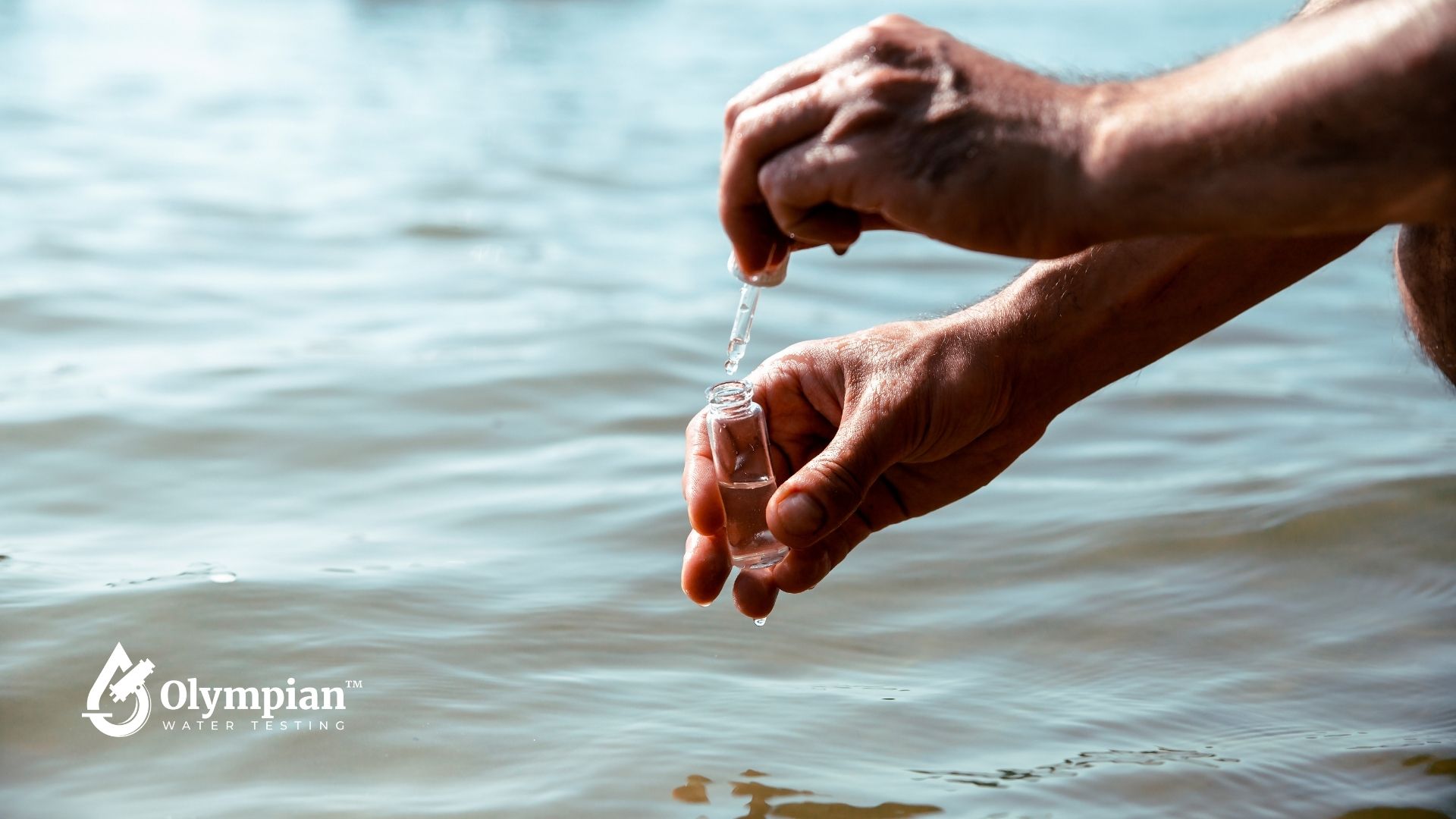
In many communities, checking water purity helps families feel confident about their drinking supply. The USGS conducts large-scale research, though individuals often seek straightforward techniques at home. Home water testing remains a practical option for detecting common contaminants in household taps.
DIY testing kits measure basic factors like pH and hardness. They often detect chlorine, nitrates, and other visible indicators within minutes.
DIY Testing Kits
Professional services examine samples for heavy metals, bacteria, and lesser-known pollutants. This form of home water testing delivers detailed data. It helps households assess and address possible health hazards.
Professional Laboratory Analysis
Regular checks allow property owners to address emerging issues before they spread. Simple awareness and consistent testing create a safer environment for everyone.
How Water Treatment Facilities Operate
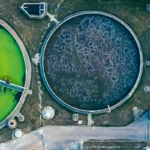
In California, many communities depend on specialized plants to filter and sanitize their water. These facilities manage the flow rates and track each step of purification. This ensures that tap water remains safe for both homes and businesses.
Coagulation methods are used to bind tiny particles into larger clusters. These clusters are then removed through sedimentation. Filtration captures any remaining debris. Lastly, disinfection processes are applied to neutralize bacteria and reduce viral threats.
Engineers at these facilities adjust protocols to handle changes near the Sacramento-San Joaquin Delta. They also use advanced tools to monitor salinity during droughts. This helps maintain a safe environment for everyone.
For more information, refer to official guidelines that outline protective strategies. These efforts are essential in preserving tap water quality. They also boost confidence in California’s water resources.
Common Filtration Options for Households
Many families seek water filtration systems to protect their drinking water. Local contamination levels vary, so each method targets different pollutants. This leads to better taste and fewer health concerns.
Reverse Osmosis Systems
These systems employ a semipermeable membrane to filter out nitrates, salts, and dissolved solids. Brands like Whirlpool and APEC focus on reducing total dissolved solids. This is critical in areas with high agricultural or industrial runoff. Regular filter changes are necessary, extending the life of your plumbing.
Activated Carbon Filters
Brands such as Brita and Culligan use carbon blocks to capture chemicals, pesticides, and odors. This method can reduce aftertaste and keep water fresh. The ease of replacing cartridges makes these filters a popular choice for households. They offer an additional defense against common contaminants.
Identifying Signs of Poor Water Quality
Unusual color shifts in tap water often raise questions. Brown or tinted water can signal sediment or corroded pipes. Metallic taste and lingering odors point to possible bacteria growth or decaying organic matter.
Residue on fixtures and cloudy appearances are common warning signals. Streaks on sinks and bathtubs may reveal mineral buildup linked to iron or manganese. Spotting these changes early helps residents stay alert about possible plumbing issues.
State monitoring programs track emerging threats connected to California water contaminants, including harmful algal blooms and heavy metals. Vigilant observation and prompt action lessen the chance of health risks or expensive repairs. Foul-smelling water or a persistent aftertaste can be a cue to examine filtration systems or seek professional advice.
Swift responses to murky water help protect families and maintain safe conditions at home. Being watchful of any visible or sensory changes is a practical first step toward cleaner water.
Health Implications of Consuming Contaminated Water
Many people overlook the dangers of chemical runoff, industrial waste, or natural toxins in their water. The safety of drinking water is a pressing concern when pollutants reach harmful levels. Even small amounts can affect digestion, skin health, and overall well-being.
Short-Term Effects
Coming into contact with impurities can cause sudden symptoms like cramps, skin rashes, and headaches. Children, with their smaller bodies, may face more severe reactions. Acting quickly to address these issues is critical.
Long-Term Concerns
Regular exposure to heavy metals, nitrates, or other toxins can lead to long-term health problems. The history of wildlife deformities due to contamination highlights the dangers of unmonitored water sources. Staying vigilant, conducting regular tests, and prioritizing drinking water safety are key to protecting families and ecosystems.
Budget-Friendly Tips to Improve Water Quality
Families looking to enhance their water quality often seek cost-effective solutions. Expanding water filtration systems doesn’t have to drain your wallet. There are numerous affordable strategies that cater to various household needs.
Simple Faucet Attachments
Brands like PUR and Brita offer faucet-mounted devices that filter out common pollutants. These attachments can reduce chlorine taste and sediment, all without the hefty price tag of full-scale installations. Regularly replacing the filters ensures your water remains fresh and safe.
Boiling Water Techniques
When faced with sudden contamination alerts, a quick boil can be a reliable fix. Boiling water for at least one minute effectively kills bacteria or parasites. Experts often recommend this method until tap water safety is restored.
Community Water Resource Programs
Local agencies and the State Water Resources Control Board offer free or discounted testing kits. They also provide practical water conservation tips. Participants may receive coupons for additional tools or educational workshops. These resources empower households to protect their water supply while saving money.
How to Stay Informed About Local Water Reports
Understanding your drinking water’s quality is essential. Consumer confidence reports from city officials can highlight contaminants or treatment changes. The California Water Quality Monitoring Council hosts public meetings to share the latest findings. By subscribing to official email notifications, every household can stay updated on emerging issues.
- Attend open forums arranged by state water agencies
- Review alerts issued by local authorities
- Register for newsletters sharing timely updates
Home water testing adds an extra layer of security. Those who test their water regularly are quicker to notice any anomalies. Engaging with neighbors, community leaders, and experts helps address concerns.
Staying informed through these resources promotes regular checks and reduces misinformation. An active community can swiftly advocate for safe water conditions. Access to timely data encourages consistent home water testing across California.
Implementing Water Conservation Measures
Protecting water resources is essential for community resilience and aligns with state goals. Homes and businesses that adhere to California water regulations can significantly reduce the strain on treatment facilities. These small actions contribute to extending local water supplies and preventing shortages.
Adopting water conservation tips in daily life not only saves money but also protects the environment. By making strategic adjustments, every household can contribute to a culture of mindful water use. These changes are tailored to fit the unique needs of each community.
Residential Water-Saving Techniques
Residents can benefit from using low-flow devices, fixing leaks, and adopting drought-tolerant landscapes. These practices not only lower monthly water bills but also protect vital aquifers and rivers. Many opt for native plants over traditional lawns for a sustainable and visually appealing yard.
- Install faucet aerators and low-flow showerheads
- Check for toilet or faucet drips
- Switch to drip irrigation for gardens
Community-Level Initiatives
Communities come together to promote responsible water use. Initiatives like shared rainwater harvesting and neighborhood cleanup projects foster unity among residents. These efforts enhance awareness and foster a sense of stewardship.
Action | Benefit |
Collect Rainwater | Reduces reliance on municipal supply |
Organize Cleanup Events | Improves local habitats and water quality |
Paving the Way for Cleaner Water in California
Research from trusted institutions guides new tactics in protecting tap water quality. Experts pinpoint threats to treatment systems and suggest targeted solutions. Public initiatives, such as the Urban Waters Federal Partnership, unite local agencies and volunteers in efforts that safeguard reservoirs and rivers. These steps support healthier communities and natural habitats.
Infrastructure updates keep pace with evolving challenges. Treatment plants turn to modern technologies that tackle emerging contaminants with greater precision. In turn, residents gain cleaner water from their faucets. Statewide conferences and local workshops link researchers with policy creators, sparking innovations that strengthen filtration methods and help prevent future issues.
Many households are taking part by testing water at home and supporting restoration projects. As each community stays alert and informed, stronger networks form across counties. This cooperation paves the way for dependable tap water quality today and for generations to come.