Troubling Water Quality State in Papua New Guinea
- Published:
- Updated: January 2, 2025
Listen to this article
Summary
Papua New Guinea’s water quality crisis demands urgent attention due to widespread contamination and insufficient access to clean water. Key issues include:
- Pollution Sources: Industrial, mining, and agricultural activities contribute to water pollution.
- Public Health Impact: Contaminated water leads to waterborne diseases, affecting public health, especially among children.
- Ecosystem Damage: Industrial pollutants harm aquatic ecosystems, threatening biodiversity and habitat loss.

Immerse yourself in the ugly, messy world of water quality in Papua New Guinea, a country struggling to secure safe and clean water. From its ecosystems to its natural assets, the problem of water quality in Papua New Guinea begs for holistic solutions. Whether it’s mined-contamination to poor sanitation, knowing how water in Papua New Guinea is being treated is essential for preventing the environmental and health concerns still looming over this unique and beautiful nation.
Overview of Papua New Guinea's Water Resources
A land with an amazing array of animals and plants, Papua New Guinea is a land with hundreds of waterways that support its people’s livelihoods. Its water resources are composed of hundreds of rivers, vast lakes, deep groundwater reservoirs and fertile oceans. These waters governed daily lives and societies of people, from agriculture and fishing to rites and legends.
But this fairytale of unspoiled bodies of water is not really that pretty today. These are precious commodities under heavy threat from many directions with water quality in decline and other attendant problems. The reality of Papua New Guinea’s water quality tells a different story, and one we must urgently deal with.
Current State of Water Quality in Papua New Guinea

There is a lot of troubling water quality in Papua New Guinea. The country is water rich but still, there are plenty of citizens with no access to clean and safe water especially in the rural part of the country. Large-scale pollution – mostly human – has affected water quality, with effects on both people and the environment.
Water has been poisoned by industrial waste, mining effluent and farm run-off. Even worse is the absence of waste management and good sanitary facilities, which in turn lead to contamination of water. It’s an unimaginable fact that means the water resources of Papua New Guinea need saving urgently.
What are the primary sources of pollution that have an impact on the water quality in Papua New Guinea?
There are many reasons why water in Papua New Guinea is so polluted. Key among these are:
Pollution by industries: Industrial discharges, especially those from oil and gas production, can reach water bodies and substantially pollute water resources.
Exploitation: Papua New Guinea is an abundant mineral-rich country and heavy mining releases harmful waste into water bodies.
Agriculture run-off: Fertilizers and pesticides used in agriculture leach into waterways and lead to water contamination.
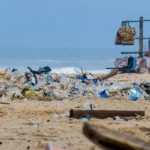
Deficient waste management systems: Lack of proper waste management systems means solid waste and untreated sewage ends up in rivers and beaches.
These polluters are huge threat to the country’s water supply and need comprehensive and effective mitigation.
Impacts of Poor Water Quality on Public Health
Water insecurity is devastating to Papua New Guinean health. Bad water is also the root of water diseases like cholera, dysentery, typhoid, etc. They are diseases that cause high morbidity and mortality, especially in children.
And when clean water isn’t available, people often depend on dirty water. This puts the population at further risk of health issues and makes interventions to ensure better water quality and access urgent. Public health in Papua New Guinea, then, is directly linked to the health of its water supply.
Effects of Water Quality on Papua New Guinea's Ecosystems
Humans are not the only people to be affected by water pollution Papua New Guinea’s complex ecosystems are too. There is much biodiversity in the country’s freshwater and marine waters, and many of these species are prone to fluctuations in water quality.
Occupational contaminates, mining effluents and farm sludge can change the chemical composition of lakes, skewed aquatic ecosystems. Such contaminants can be responsible for habitat destruction, declines of species, and biodiversity shifts. The water quality currently exists therefore at a serious threat to environmental health and biodiversity in Papua New Guinea.
What are the main challenges faced in addressing water quality issues in Papua New Guinea?
Water quality efforts in Papua New Guinea run up against a series of obstacles. These include:
Economic constraints: Lack of funds often prevents water quality interventions and infrastructure build-outs.
Infrastructure problem: There is no infrastructure for water treatment and disposal that makes it hard to minimise water pollution.
Poor understanding: If people are not aware of water quality concerns, then they might start to act in ways that increase water pollution.
These problems demand multi-stakeholder solutions and partnerships – from the government and global partners to local communities and citizens.
Looking Ahead: Strategies and Solutions for Papua New Guinea's Water Quality
In the future, the water quality of Papua New Guinea must be addressed holistically. Potential strategies and solutions include:
Improvement in technologies: The water pollution of the water can be reduced by using state-of-the-art technology of water treatment and waste disposal.
International help and partnerships: Working with international partners can support you with funding and technical assistance for water quality solutions.
Local initiatives: The more local individuals can become involved in water conservation and pollution reduction, the more sustainable results can be achieved.
Getting water better in Papua New Guinea is surely a hard road. Yet it’s a target that is within reach, provided you use the right tools and solutions.
Government Policies and Initiatives to Improve Water Quality
With the water crisis, the Papua New Guinea government has taken measures to safeguard and improve its water resources. These are putting in place regulations to regulate industrial and mining pollution. Other programmes also addressed sanitation and waste management, which is key to water pollution.
Yet such policies are not always easily implemented because of many problems, from financial insecurity to lack of infrastructure and technical capacity. These are positive efforts therefore but there is still a long way to go to make sure that they are well-executed and make any meaningful progress in terms of water quality.
Community Engagement and Education in Water Quality Management
Communal engagement and education is a key aspect of water quality in Papua New Guinea. Informing people about water pollution causes and effects can enable them to make decisions to protect their own local water resources. Teaching children about proper waste disposal, sustainable agriculture, and access to safe water can also lead to a philosophy of eco-prudence. Water quality programmes can also be more durable and efficient when local communities get involved in monitoring and maintenance work.
Conclusion: Addressing Papua New Guinea's Water Quality Crisis
Conclusion: Papua New Guinea’s water resources are struggling to be managed and improved, both through industrial, mining and agricultural pollutants, and because of poor sanitation systems. All of this comes at dire cost to the environment and to public health. These demands are multiple: technological solutions, cross-border partnerships, state policies and community engagement. In combination with broad plans and community participation, Papua New Guinea can make sure that everyone has access to safe, clean water.
Share this on social media:
Facebook
Twitter
LinkedIn

Related Posts