Top 5 Water Softeners for Home Use
- Published:
- Updated: January 14, 2025
Listen to this article
Summary
A water softener system is essential for households with hard water, improving water quality and extending the lifespan of appliances. This article explores the different types of water softeners, key considerations for selecting the right system, and the importance of tap water testing to optimize performance.
Key Points:
- Water Softeners: Ion-exchange systems, either salt-based or salt-free, effectively reduce calcium and magnesium to prevent scale buildup.
- Top 5 Models: The Fleck 5600SXT, Whirlpool WHES40E, Aquasana EQ-1000-AST-UV, GE GXSH40V, and Pelican Advantage Series each offer unique features, such as high efficiency, eco-friendliness, and ease of maintenance.
- Water Testing: Before choosing a softener, conducting tap water testing helps determine the system that best addresses water hardness and other contaminants.
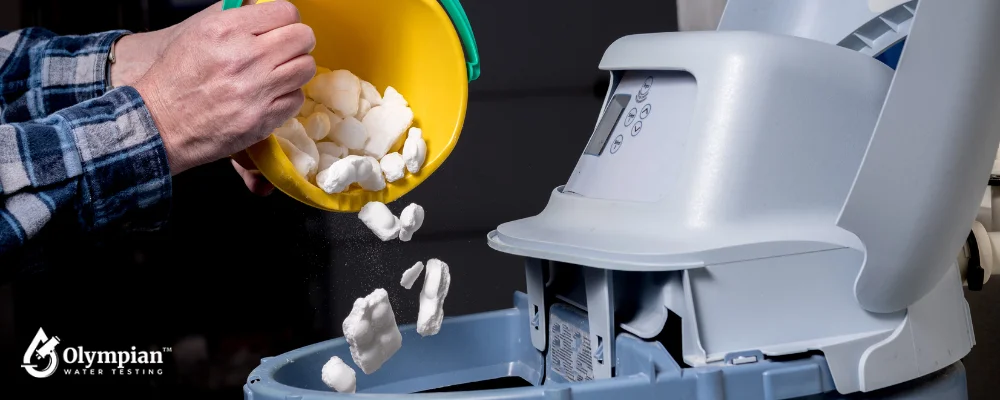
Maintaining optimal water quality is a fundamental concern for homeowners, particularly in regions where hard water prevails. Hard water, characterized by high concentrations of calcium and magnesium, can lead to a myriad of issues, including scale buildup in plumbing, reduced appliance efficiency, and dry skin. The implementation of a water softener system can mitigate these problems, enhancing both the longevity of household appliances and the comfort of daily water use.
Understanding Water Softeners
Water softeners operate by exchanging the hard minerals in your water supply with softer minerals such as sodium or potassium. This exchange process, typically facilitated through an ion-exchange resin bed, effectively reduces the hardness of the water. The softened water prevents scale formation, thereby protecting plumbing and appliances.
The Science Behind Water Softeners
The ion-exchange process is central to how water softeners function. It involves the swapping of calcium and magnesium ions in the water with sodium or potassium ions. This exchange is facilitated by resin beads within the softener tank. As hard water passes through the tank, these resin beads attract the hard ions and replace them with soft ions, resulting in softened water.
Advantages of Ion Exchange
The ion-exchange method is highly efficient and effective at reducing water hardness. It not only prevents scale buildup but also extends the lifespan of pipes and appliances. This method also improves soap lathering and reduces soap scum, making cleaning tasks easier. Furthermore, ion exchange can be fine-tuned to the specific hardness level of your water supply, ensuring optimal performance.
Types of Water Softeners
There are primarily two types of water softeners: salt-based and salt-free systems. Salt-based softeners use sodium ions for the exchange process, while salt-free systems use a different technology that alters the chemical structure of hard minerals. Salt-based systems are generally more effective at removing hardness, while salt-free systems are often preferred for their eco-friendliness and maintenance ease.
Benefits of Using a Water Softener

The benefits of using a water softener extend beyond mere convenience. They include:
Prolonging Appliance Lifespan
Water softeners prevent the accumulation of scale in appliances, which can significantly reduce their efficiency and lifespan. Appliances like dishwashers, washing machines, and water heaters operate more efficiently with soft water, resulting in energy savings and reduced maintenance costs. Over time, this can lead to substantial savings and fewer replacements.
Improving Skin and Hair Health
Soft water is gentler on skin and hair, reducing dryness and irritation. Hard water can leave residue on skin and hair, leading to dryness and discomfort. By using a water softener, you can experience softer skin and hair, which is particularly beneficial for individuals with sensitive skin or conditions like eczema.
Enhancing Cleaning Efficiency
Softened water improves soap and detergent efficacy, resulting in cleaner dishes, clothes, and surfaces. Hard water can leave spots and film on dishes and reduce the effectiveness of laundry detergents. Soft water ensures that cleaning products work as intended, resulting in brighter laundry and spotless dishes.
Criteria for Selecting the Best Water Softener
Selecting the ideal water softener system requires careful consideration of several factors. These include the hardness level of your water, household water usage, budget, and specific household needs.
Assessing Water Hardness Levels
Before choosing a water softener, it’s crucial to determine your water’s hardness level. This can be done using a water hardness test kit, which provides a measurement in grains per gallon (GPG). Understanding this measurement helps in selecting a softener with the appropriate grain capacity to effectively handle your water hardness.
Household Water Usage and Size
Consider the size of your household and your water consumption patterns. Larger households or those with high water usage may require a softener with a higher grain capacity to ensure consistent performance. Additionally, consider peak water usage times and ensure the softener can handle the demand during those periods.
Budget and Long-Term Costs
While the initial cost of a water softener is important, also consider the long-term costs associated with maintenance, salt replacement, and potential repairs. Some systems, while initially more expensive, may offer lower operational costs over time, making them a more economical choice in the long run.
Key Features to Consider
- Grain Capacity: Determines the amount of hardness the system can remove before regeneration is required. Higher grain capacities are suitable for larger households or those with very hard water.
- Regeneration Process: The method by which the system cleans and renews its ion-exchange resin. Some systems offer on-demand regeneration, which is more efficient and uses less salt and water.
- Control Valve: The mechanism governing the water softener’s operation and regeneration cycles. Look for systems with digital controls for ease of use and customization.
- Certification and Compliance: Ensures the system meets industry standards for safety and performance. Look for certifications from organizations like NSF International, which indicate the system has been tested for quality and safety.
Top 5 Water Softeners for Home Use
Based on extensive research and analysis, we present the top five water softeners for home use.
1. Fleck 5600SXT 48,000 Grain Water Softener
Renowned for its reliability and efficiency, the Fleck 5600SXT model offers a remarkable grain capacity of 48,000, making it suitable for medium to large households. Its digital control head simplifies operation, while the on-demand regeneration ensures efficient salt usage.
Key Features:
- High-efficiency digital meter: The digital meter provides precise control over regeneration cycles, reducing waste and optimizing performance.
- Durable polyglass tank: Constructed from high-quality materials, the tank is designed to withstand various environmental conditions, ensuring longevity.
- Customizable settings: Users can adjust settings to match their specific water hardness and usage patterns, offering flexibility and control.
2. Whirlpool WHES40E 40,000 Grain Water Softener
The Whirlpool WHES40E is designed for households with moderate water hardness. With a 40,000-grain capacity, it efficiently manages water softening while minimizing salt and water usage. This model’s intuitive control panel allows for easy customization.
Key Features:
- NSF certified for performance: This certification ensures the system meets rigorous standards for effectiveness and safety, providing peace of mind.
- Low salt and water usage: The system is engineered to be efficient, reducing the overall consumption of resources and operating costs.
- Compact design: Its space-saving design is ideal for homes with limited installation space, making it versatile and practical.
3. Aquasana EQ-1000-AST-UV
This comprehensive system combines water softening with filtration, providing a holistic solution for water quality management. The Aquasana EQ-1000-AST-UV utilizes a salt-free softening technology, making it eco-friendly and low-maintenance.
Key Features:
- Salt-free softening technology: This technology prevents scale buildup without the need for salt, making it environmentally friendly and easier to maintain.
- UV filtration for additional purification: The integrated UV filter provides an extra layer of protection against bacteria and viruses, ensuring clean water.
- Long-lasting performance: Designed for durability, the system offers extended performance with minimal maintenance requirements.
4. GE GXSH40V 40,000 Grain Water Softener
The GE GXSH40V is an ideal choice for those seeking a balance between performance and affordability. With a 40,000-grain capacity, it accommodates the needs of average-sized households while offering easy installation and maintenance.
Key Features:
- SmartSoft technology adjusts to water usage: This intelligent feature optimizes regeneration cycles based on water usage patterns, enhancing efficiency.
- Easy-to-use electronic controls: The user-friendly interface simplifies operation, making it accessible to all household members.
- Warranty-backed reliability: The product comes with a robust warranty, underscoring its quality and the manufacturer’s confidence in its durability.
5. Pelican Advantage Series Salt Water Softener
The Pelican Advantage Series stands out with its innovative design and user-friendly features. This model provides exceptional softening capabilities and includes a salt-based system for effective hardness reduction.
Key Features:
- Advanced electronic control: Offers precise control over system operations, allowing for tailored performance adjustments.
- Efficient salt usage: The system is engineered to optimize salt consumption, reducing waste and lowering operational costs.
- Lifetime warranty on tank and parts: This comprehensive warranty provides assurance of the system’s durability and long-term performance.
Tap Water Testing: A Prerequisite for Optimal Performance
Before installing a water softener, it is essential to conduct comprehensive tap water testing. Understanding your water’s specific composition will guide you in selecting the most suitable system and ensure its optimal performance.
Conducting Water Quality Analysis
Water testing kits are available for at-home analysis, providing insights into hardness levels, pH balance, and potential contaminants. These kits are user-friendly and offer a cost-effective way to assess your water quality. For a more detailed assessment, consulting a professional water quality analyst is recommended. Professionals can provide a comprehensive analysis, identifying specific contaminants and suggesting appropriate solutions.
Interpreting Test Results
Once you have the results, it’s important to understand what they mean. Hardness levels are usually measured in grains per gallon, and understanding this measurement will help you choose the right softener. Other factors like pH levels and the presence of contaminants can also influence your choice, guiding you toward systems that offer additional filtration or pH balancing.
Customizing Solutions Based on Results
Based on your water quality analysis, you can make informed decisions about the type of water softener and any additional treatment systems needed. If your water contains high levels of specific contaminants, you might consider a system that combines softening with filtration. Customizing your approach ensures you address all aspects of your water quality, leading to the best possible outcome.
Conclusion: Enhancing Household Water Quality
The integration of a water softener system is a prudent investment for homeowners seeking to improve water quality and protect household infrastructure. By understanding the operational principles and benefits of water softeners, and selecting an appropriate system based on informed criteria, you can achieve a sustainable and effective solution to hard water challenges.
Long-term Benefits and Sustainability
Investing in a water softener not only improves daily life but also contributes to long-term sustainability. Reduced energy consumption from more efficient appliances and less frequent replacements contribute to a lower environmental impact. Additionally, by choosing systems with low salt and water usage, you can minimize resource consumption, aligning with eco-friendly practices.
Making Informed Choices
For those navigating the complexities of water quality analysis and environmental consulting, this guide offers a foundational understanding necessary to make informed decisions regarding water softening systems. By considering all factors and options, you can choose a system that aligns with your needs and values, ensuring satisfaction and effectiveness.
Commitment to Quality and Comfort
By maintaining a commitment to excellence and accuracy, you can ensure the efficacy of your water quality solutions, contributing to both environmental sustainability and personal comfort. A well-chosen water softener not only enhances your home environment but also represents a commitment to quality living and responsible resource management.
Share this on social media:
Facebook
Twitter
LinkedIn

Related Posts