Threat of Heavy Metals in Drinking Water
- Published:
- Updated: January 2, 2025
Listen to this article
Summary
Heavy metals in drinking water pose significant health risks, sourced from various industrial, agricultural, and natural origins. Lead, mercury, cadmium, and arsenic are common contaminants, causing neurological damage, kidney failure, and cancer.
Community involvement and industry best practices are crucial in reducing heavy metal contamination, advocating for regulations, and implementing environmentally friendly processes.

Metals are dangerous for human health to be present in drinking water. These poisons cause serious illness such as brain injury, kidney failure and cancer. The people must be informed about the risk, and they must make sure their water supply is clean and free of heavy metals.
What are the Sources of Heavy Metals in Drinking Water?
We get heavy metals in drinking water through a wide range of conduits, from industrial effluent, to farm runoff and natural flows. Some of the most widespread heavy metals in water supply are lead, mercury, cadmium and arsenic.
Lead is also a toxic element in water supply from plumbing fixtures of a bygone era: lead pipes, lead solder. In time, lead enters the drinking water, which threatens public health. In water, HG can get into water supplies from industrial effluents (eg, coal plants) and natural processes (eg, volcanoes and oxidation of rocks). Cd is common in water because of industrial discharges and agriculture fertilizers and pesticides. Arsenic is a mineral that may get into drinking water from the ground, especially if there’s a lot of arsenic in the soil.
Health Effects of Exposure to Heavy Metals

Exposure to heavy metals can cause serious health problems, including organ damage, nervous system damage, and cancer. Some of the specific health effects of exposure to heavy metals include:
- Lead: Exposure to lead can cause damage to the brain and nervous system, as well as developmental problems in children, such as learning difficulties and behavioral problems. In adults, lead exposure can cause reproductive problems and increased risk of heart disease.
- mercury: Exposure to mercury can cause damage to the brain, nervous system, and kidneys. In women, exposure to mercury can increase the risk of miscarriage and birth defects. Mercury exposure can also cause tremors, memory loss, and other health problems.
- cadmium: Exposure to cadmium can cause damage to the kidneys and increase the risk of cancer, particularly lung and prostate cancer. Cadmium can also cause anemia, osteoporosis, and other health problems.
- Arsenic: Exposure to arsenic can increase the risk of cancer, including skin, lung, bladder, and liver cancer. Arsenic exposure can also cause skin lesions, cardiovascular disease, and other health problems.
The Role of Industry in Reducing Heavy Metal Contamination
Even industry contributes to minimizing heavy metal contamination in water. Industry can help minimise the spillage of heavy metals into the environment with best practice in waste management and more sustainable processes.
Further, companies can collaborate with governments to establish and enforce laws governing heavy metals release into the environment. In doing so, industries can be more protective of drinking water quality and public safety.
The Importance of Community Involvement in Protecting Drinking Water Quality
Participation in the community is equally important to maintain drinking water. Water can be saved by communities using fewer chemical – fertilizers, pesticides, etc – that pollute water.
Communities can also work with municipal and state government entities to push for more rigorous regulations that address water quality and to have public water utilities comply with those regulations. In doing so, communities can support the integrity of water and the safety of water for all.
What are the Methods for Testing and Removing Heavy Metals from Drinking Water?
For the purity of water, testing water periodically for heavy metals and removing them if needed is a must to ensure its purity. A few of the testing methods for heavy metals in water are:
Chemical Tests
We can measure the concentration of heavy metals in a drinkable water using chemical tests such as atomic absorption spectrophotometry and inductively coupled plasma mass spectrometry. These are the tests of analysing a sample of water for heavy metals and can be carried out in the lab.
Bioassays
For example, bioassays – tests using living bodies – can be carried out to check for heavy metals in water. We use bioassays because they can pick up on low levels of heavy metals, whereas chemical analysis cannot. In a bioassay, a live creature (a fish, a plant) is exposed to the water sample, and the physiological response from the organism determines whether heavy metals are present and how high they are in the water.
Water Treatment Systems
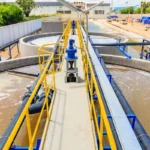
Heavy metals can be removed from drinking water through reverse osmosis, activated carbon filtration and ion exchange water treatment technologies. This water treatment system depends on what is required in every case, what the types and levels of heavy metals in the water are.
Reverse osmosis is a filter that removes heavy metals and other contaminants from water. Activated carbon filter removes heavy metals from drinking water through activated carbon. Ion exchange means transferring ions in the water to ions in a resin and that removes heavy metals from the water.
The Importance of Consumer Education and Awareness
Continuous school water testing services and consumer education and education work to protect drinking water in schools. Consumers can help ensure water quality by informing them about the origin of contaminants in drinking water, as well as the testing and decontamination procedures.
Water quality can be made a big issue by consumers. Consumers can also protect water quality by paying attention to chemicals they’re using. When consumers cut back on fertilizers and pesticides that erode into waterways through runoff, they are reducing the input of toxic materials into the environment. Sustainable alternatives and practices can even be taken to safeguard water quality.
Advocate for policies and practices that favour water sustainability is another consumer option. Consumers, by avoiding water wastage, conserving water and supporting water-quality projects, can help to ensure that water infrastructures remain sustainable. And that can be what allows clean, safe water to remain for the generations who come after.
Education and awareness for the consumer is what will enable people to act responsibly in ways that save water. Become a part of this fight for the preservation and conservation of water so that consumers can contribute to the preservation of our drinking water sources.
Share this on social media:
Facebook
Twitter
LinkedIn

Related Posts