The Perils of Ignoring Maintenance for Your Water Treatment System
- Published:
- Updated: January 2, 2025
Listen to this article
Summary
Water treatment systems are essential for ensuring safe water supply, but neglecting maintenance can lead to serious issues:
- Inefficient filtration can contaminate water and foster bacterial growth.
- Equipment failure may lead to costly repairs and environmental harm.
- Poorly maintained systems increase energy costs and reduce water quality.

Water treatment plants are a critical part of making sure we have clean and healthy water for drinking, irrigating, and industrial purposes. But like any machine, water treatment systems also need to be kept up with in order to keep them in top shape. If you don’t maintain it then all sorts of problems arise and a few of them are quite serious and far-reaching.
What Happens When You Neglect Maintenance?
You can suffer various issues if you are not caring for your water treatment system properly like:
Filtration not performing as well: Filters in your water treatment system can become filled with sediment and debris, and are less effective. That can result in polluted water, both for you and for the environment. Debris can also make a nursery for bacteria and other microbes, making waterborne disease more likely. The wrong filter can also result in the sludge accumulation of heavy metals and pesticides in the treated water.
Equipment breakdown: In case of equipment breakdown it is possible without the maintenance that too will break down and need to be replaced. Sometimes the equipment malfunctions and the damage lasts a lifetime, at which point you will need to buy a new water treatment system. Equipment malfunctions can also release toxic chemicals and pollutants into the air, killing animals and nature.
Costly energy bills: An ailing water treatment system uses up more energy, increasing your energy bill. That’s because the system has to work harder to clean the water and that pump/motor may also be working less efficiently. Also, a badly run system can break down as well, causing water and energy losses.
Low water quality: Incorrect maintenance will reduce the quality of the water treated as well which can cause severe losses to industries like agriculture, food and beverages and drugs. Unstable water quality can negatively impact crops’ production and quality, food and beverage flavor and safety, and pharmaceutical efficacy.
Why is Regular Maintenance Important?

The more you maintain your water treatment system, the better off you will be and that has numerous benefits. Filtration for example is a byproduct of regular maintenance; filter cleaning or replacing, improving their performance and minimising the risk of leaking water. Filters aren’t just better for the water, they’re longer life, since they don’t have to churn so hard to filter the water.
A second benefit of maintenance is the life of the equipment, which in turn saves you money. You’ll be able to respond before things get bad, so look for problems before they happen. Properly maintained equipment helps save you money in replacement costs when something breaks down. What’s more, a properly functioning water treatment system uses less energy and costs you less. Making pumps and motors efficient means less energy usage and leakage – which will save water and energy.
Finally, better water quality is one of the best things regular maintenance brings. With filters running in optimal condition and early warning signs of system malfunction, you’ll be able to take action to prevent contamination and get the highest quality water possible for all types of industries and use cases.
What Should You Do to Ensure Regular Maintenance?
To ensure regular maintenance for your water treatment system, you should:
- Hire a professional: Hiring a professional to perform regular maintenance on your water treatment system is the best way to ensure that it stays in good condition. A professional will have the expertise and equipment needed to perform the necessary tasks, such as cleaning filters, checking for leaks, and making repairs. Hiring a professional can also help ensure that the maintenance is performed correctly and that any potential problems are identified and addressed early on.
- Create a maintenance schedule: Creating a maintenance schedule can help you keep track of when maintenance is due and ensure that it’s performed regularly. A maintenance schedule can also help you budget for maintenance costs and ensure that the system is always in good condition.
- Keep records: Keeping records of the maintenance performed on your water treatment system can help you keep track of its condition and identify any potential problems early on. Records can also help you keep track of maintenance costs and ensure that the system is always functioning at its best.
- Monitor the system regularly: Monitoring the system regularly can help you identify any problems early on, allowing you to take action before they become serious. Monitoring the system can also help you keep track of its condition and ensure that it’s functioning at its best.
The Impact of Poor Maintenance on the Environment
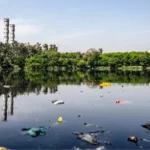
Leaving your water treatment system unmaintained also harms the environment. In a system that is not maintained well, toxic chemicals and pollutants can leach into the water, and it damages wildlife and habitats. What’s more, a system that’s in bad shape can use even more energy, producing more greenhouse gases and causing climate change. You’ll also want to take good care of your water treatment plant so you don’t create a negative impact on the planet.
The Importance of Regular Maintenance for Various Industries
This should be regularly maintained in the case of other industries that need a clean water to function. For instance, in the agricultural industry, proper water treatment can be performed at regular intervals to ensure that the water used for irrigation is high-quality and supports the growth and quality of the crop. As in food and beverage manufacturing, regular maintenance can ensure that the water used in production is of the best quality, making the food and beverages taste better and safer. In the pharmaceutical industry, regular maintenance can make sure the water being used to manufacture the drugs is of the best quality so that they can be more effective. It’s important to take care of all the machines regularly for any industry, and so you want to make sure the water treatment systems are maintained to serve your business.
Share this on social media:
Facebook
Twitter
LinkedIn

Related Posts