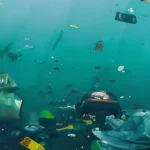
The Link Between Carbon Tetrachloride and Adverse Water Conditions
- Published:
- Updated: November 30, 2024
Listen to this article
Summary
Carbon Tetrachloride, a once-common solvent, poses significant risks to both human health and the environment, particularly when it infiltrates water systems.
- Highly soluble in water, Carbon Tetrachloride persists once introduced into waterways, causing pollution and devastating aquatic ecosystems.
- Short-term exposure can lead to liver and kidney damage, while long-term exposure may result in chronic health issues and increased cancer risk.
- Sources of contamination include industrial emissions, household products, and natural processes like volcanic eruptions.

Imagine that the water you drink, the lakes you wade in and the rivers that support whole ecosystems are contaminated by some invisible, poisonous chemical. But the grim truth is that Carbon Tetrachloride, an once ubiquitous solvent, has been leaching into our water supply for decades – and not just humans, but all aquatic life. The link between Carbon Tetrachloride and bad water is more than just an academic quest, but the only path to making decisions to save our bodies and planet.
What is Carbon Tetrachloride?
Carbon Tetrachloride: A colorless, edgy, non-combustible, sweet-smelling liquid. We’ve used it before for everything from cleaning products to fire extinguishers. Nevertheless, research has revealed that this chemical is injurious to human health and the environment, so it is now banned or limited in use in most countries.
Although it has a use for many areas that cannot be completely abandoned, its history is tarnished by the destruction it does. In the US, for example, the Environmental Protection Agency (EPA) has declared Carbon Tetrachloride a carcinogenic air and water pollutant. International organisations such as the World Health Organization (WHO) also have the same issues.
The Dirty Truth: How Carbon Tetrachloride Pollutes Water

Carbon Tetrachloride is very water-soluble, so once it’s in the water, it’s a constant problem. Industrial effluent, squander, even domestic use: Once this chemical is ingested in water, it is very difficult to get rid of. It has destroyed wetlands, rivers and drinking water, and saline marine environments.
A couple of cases point out the dangers of Carbon Tetrachloride. In the example of water contamination caused by this chemical, whole communities were exposed to water-borne disease, and sometimes even death. Such episodes also act as an alarm bell for tighter regulations and increased public education.
The Ripple Effect: Consequences of Carbon Tetrachloride in Water
Short-term contact with Carbon Tetrachloride water causes all manner of ills such as liver and kidney damage, vomiting and in extreme cases comas. The longer you expose yourself, the more irreversible the effects become, from chronic breathing problems to cancer.
And not only humans. Oversaturated levels of Carbon Tetrachloride can wreck havoc with aquatic environments, destroying food webs and endangered species. Fish and other marine animals that are in contact with this chemical develop developmental, behavioural and reproductive problems, which reduces the rest of the aquatic population.
Surprising Sources: Where Carbon Tetrachloride Comes From
Chemical manufacture and the pharmaceutical industry are big emitters of Carbon Tetrachloride. These industrial uses often are necessary to make goods and medicines, but are also high on the environmental tack.
But it’s not all factories and laboratories. This poison might be found in home care products — specifically, the old cleaners. Even the naturally occurring Carbon Tetrachloride can come from sources such as volcanic eruptions (the latter being far more troublesome) – but humans.
By the Numbers: Quantifying the Damage
To grasp the scale of the problem, let’s look at some statistics:
- The EPA has identified over 250 sites where Carbon Tetrachloride contamination exceeds permissible levels.
- Globally, industrial emissions of this chemical amount to thousands of tons per year.
- The WHO has set an incredibly low safety threshold for Carbon Tetrachloride in drinking water—just 0.004 mg/L.
These figures drive home the need for immediate action and tighter regulations. With numbers like these, it’s clear that we can’t afford to ignore the problem any longer.
Legal Framework: What’s Being Done to Control It?
There are also regulations & laws that govern the dispersal of Carbon Tetrachloride. It is part of the Clean Water Act in the US, where industries are obliged to disinfect wastewater and discharge it.
At the global level, Carbon Tetrachloride is also included under the Stockholm Convention on Persistent Organic Pollutants which aims to outlaw or limit the manufacture and consumption of toxic chemicals. Businesses have already been severely fined for breaking these regulations but they still have work to do to make sure they are fully implemented.
Cutting Through the Confusion: Misconceptions About Carbon Tetrachloride
This misconception is very common: water that’s clear and odorless is not going to have contaminants such as Carbon Tetrachloride in it. But the chemical is non-colourful and sweet-smelling, and hard to detect without a test.
News reporting – although alerting – can sometimes be confusing by overstating or misrepresenting the facts. Always use credible sources of information and keep in mind not all water treatment is the same when it comes to getting rid of Carbon Tetrachloride.
Your Role: Small Changes, Big Impact
A systemic shift is necessary but individuals can help too. There are green cleaning products, recycling toxic waste and participating in clean-up events you can do to tackle this.
Even calling for clean industry through the public square and social media channels can make an important difference. Group action from concerned citizens can be used to get companies and legislators to do something about it.
Advanced Detection Methods for Carbon Tetrachloride
It is extremely important to create and apply the latest detection techniques for Carbon Tetrachloride in water bodies for monitoring and mitigation. Methods like gas chromatography-mass spectrometry (GC-MS) or high performance liquid chromatography (HPLC) are both sensitive and precise in the detection and quantification of Carbon Tetrachloride. It is easy to invest in these technologies and educate staff to be able to detect and eliminate contamination much earlier to save lives and the planet.
Conclusion: Addressing the Risks of Carbon Tetrachloride in Water
Carbon Tetrachloride is harmful to both people and the environment. Its persistence in water bodies is proof of the need for rigorous controls, more sensitive detection technology and public education. If we know the origin and effects of this toxic chemical, and can stop it before it starts to damage us all, we can have cleaner water for all. A combination of personal behaviours and institutional changes is the only way to address this urgent need.
Share this on social media:
Facebook
Twitter
LinkedIn

Related Posts