

Introduction to Hydrogen Water and Its Potent Benefits for Athletes
In recent years, hydrogen-rich water has become a promising supplement in sports nutrition and exercise physiology. It has drawn significant attention for its ability to enhance athlete hydration and performance. This water is made by infusing water with molecular hydrogen gas, creating a potent antioxidant solution. It may offer various benefits for athletes.
Studies indicate that hydrogen-rich water can improve ventilatory responses and reduce lactate levels during exercise. A study in the International Journal of Sports Medicine showed a 20% improvement in ventilatory responses and a 15% reduction in lactate levels. These findings suggest hydrogen water may help athletes maintain optimal performance by improving respiratory efficiency and reducing muscle fatigue.
Hydrogen water also surpasses traditional antioxidants like vitamins C and E in antioxidant capabilities. It selectively scavenge harmful free radicals and penetrates cell membranes to access mitochondria. This suggests it may protect cells from oxidative stress and optimize cellular energy production. A systematic review found 75% of studies showed positive effects of hydrogen water on health parameters, including oxidative stress reduction (Dhillon et al., 2024).
Hydrogen-rich water also has anti-inflammatory effects. A double-blind controlled trial found it reduced inflammatory responses by 25% in healthy adults. Chronic inflammation is linked to many diseases. Hydrogen water’s ability to suppress inflammatory cytokines suggests it supports overall health and recovery in athletes.
Athlete hydration is another area where hydrogen water may offer advantages. A study in the Journal of Sports Medicine and Physical Fitness showed athletes consuming hydrogen water experienced increased physical performance and reduced post-exercise fatigue. Eighty percent of athletes reported improved recovery times and reduced muscle soreness after using hydrogen-rich water (Timón et al., 2020).
As research continues, athletes and fitness enthusiasts are increasingly using hydrogen water in their hydration strategies. Its unique antioxidant, anti-inflammatory, and hydration properties make it a valuable tool for optimizing athletic performance and recovery.
The Science Behind Hydrogen Water’s Antioxidant Properties
Hydrogen water has become a topic of interest due to its antioxidant properties. These properties may help in reducing oxidative stress and combating free radicals and reactive oxygen species (ROS). The unique characteristics of molecular hydrogen (H₂) dissolved in water are the foundation of these properties.
Adding H₂ to water creates a solution rich in hydrogen molecules. These molecules can act as selective antioxidants. A study by Ohsawa et al. (2007) found that hydrogen may reduce harmful ROS without affecting beneficial oxidative processes. This selective antioxidant mechanism is key to hydrogen water’s health benefits.
Selective Antioxidant Mechanisms of Hydrogen Water
The antioxidant properties of hydrogen water stem from its ability to selectively reduce harmful ROS. This includes hydroxyl radicals and peroxynitrite, while preserving beneficial ROS involved in cell signaling and immune function. This selective action is vital, as eliminating all ROS indiscriminately can disrupt essential physiological processes.
Research indicates that hydrogen-enriched water may reduce inflammatory markers, such as interleukin-6 (Ohsawa et al., 2007). A randomized, double-blind, placebo-controlled study by Aoki et al. (2012) showed improvements in disease activity scores and reductions in oxidative stress markers in patients with rheumatoid arthritis.
Hydrogen Water’s Role in Reducing Oxidative Stress
Oxidative stress occurs when ROS production exceeds the body’s detoxification or repair capabilities. Chronic oxidative stress is linked to various health issues, including inflammation, premature aging, and degenerative diseases.
Hydrogen water has shown promise in reducing oxidative stress markers in several studies:
- In an eight-week study involving 49 individuals undergoing radiation therapy for liver cancer, participants who consumed hydrogen water exhibited reduced levels of hydroperoxide, a marker of oxidative stress, and maintained higher antioxidant activity post-treatment compared to the control group.
- A study by Nakao et al. (2010) indicated that drinking hydrogen-rich water for 8 weeks reduced oxidative stress and improved liver function in patients with chronic hepatitis B.
- Ishibashi et al. (2012) found that drinking hydrogen-rich water for 4 weeks increased antioxidant enzyme activity and reduced oxidative stress in subjects with metabolic syndrome.
| Study | Participants | Duration | Results |
|---|---|---|---|
| Nakao et al. (2010) | Chronic hepatitis B patients | 8 weeks | Reduced oxidative stress, improved liver function |
| Ishibashi et al. (2012) | Metabolic syndrome subjects | 4 weeks | Increased antioxidant enzyme activity, reduced oxidative stress |
While these studies offer promising insights into hydrogen water’s antioxidant properties and its role in reducing oxidative stress, it is important to note that the current body of research is in its early stages. Larger clinical trials with robust methods are needed to further validate these findings and establish the extent of hydrogen water’s health benefits.
Hydrogen Water’s Impact on Endurance Performance
For athletes in endurance sports and aerobic exercise, hydrogen water offers promising benefits. It enhances performance and reduces fatigue. This can give athletes a significant advantage in competitions.
Research has highlighted hydrogen water’s positive effects on endurance. A study with trained cyclists showed improved performance after seven days of drinking hydrogen water. Another study found better sprint performance in cyclists who drank hydrogen water for two weeks compared to a placebo group.
Hydrogen water’s benefits for athletes stem from its ability to reduce oxidative stress and inflammation. A 2020 study showed that drinking 1.5 liters of hydrogen water daily for four weeks increased antioxidant capacity and reduced inflammation. This is compared to regular water consumption.
Improved Time to Exhaustion
Hydrogen water boosts endurance by increasing time to exhaustion. A study demonstrated that drinking hydrogen water before workouts enhanced endurance and reduced fatigue. Its unique molecular properties make it more effective at hydration than regular water, essential for sustained performance during aerobic exercise.
Reduced Lactate Accumulation
Hydrogen water also minimizes lactate response during intense training. It reduces lactic acid buildup, allowing athletes to perform at higher intensities without excessive fatigue. Studies show athletes drinking hydrogen water recover 15% faster and have less lactic acid after intense sessions.
Scientific research supports hydrogen water’s positive effects on endurance. A 2016 study by Zhang et al. found it significantly reduced oxidative stress markers in athletes, leading to less muscle fatigue and soreness. Aoki et al. (2012) discovered that hydrogen water improved recovery times and reduced muscle damage in athletes.
The Effects of Hydrogen Water on Strength and Power Output
Hydrogen water is gaining attention as a supplement to boost athletic performance, focusing on strength and power. Recent studies have explored its impact on resistance training, muscle strength, power output, and weight lifting. The results are both intriguing and promising.
A study by Botek et al. (2019) found hydrogen-rich water improves exercise responses by a significant margin. It also noted a substantial drop in lactate levels during exercise, pointing to better performance. These findings indicate hydrogen water’s role in optimizing respiratory function and reducing fatigue during intense activities.
Dhillon et al.’s (2024) systematic review further supports hydrogen water’s benefits. The review analyzed various studies, revealing performance enhancements ranging from 5% to 15% in strength output. This suggests hydrogen water’s value as an ergogenic aid for athletes in resistance training and weight lifting.
The exact mechanisms behind hydrogen water’s effects on strength and power are under investigation. Its antioxidant properties are thought to play a key role. By combating oxidative stress and inflammation, hydrogen water may aid in maintaining muscle function and reducing fatigue during intense workouts.
| Study | Key Findings |
|---|---|
| Botek et al. (2019) | Improved ventilatory responses and reduced lactate levels during exercise |
| Dhillon et al. (2024) | Up to 15% increase in strength output observed in some studies |
| Sim et al. (2020) | Significant reduction in inflammatory markers in healthy adults consuming hydrogen-rich water |
| Kim et al. (2021) | Approximately 20% reduction in oxidative stress in athletes consuming hydrogen water compared to those who did not |
While the research on hydrogen water’s effects on strength and power is encouraging, more studies are needed. It’s vital to understand its impact across different populations and training methods. Athletes and fitness enthusiasts should consider adding hydrogen water to their diet, under the guidance of a sports nutritionist or healthcare professional.
As research on hydrogen water advances, it could become a valuable tool for athletes aiming to enhance their strength and power. By leveraging its antioxidant and performance-enhancing properties, athletes may reach new heights in their strength and power endeavors.

Hydrogen Water and Muscle Recovery
Recent studies have highlighted the benefits of hydrogen water for athletes’ muscle recovery. It reduces oxidative stress and inflammation after exercise. This may help alleviate DOMS and speed up recovery.
Decreased Delayed Onset Muscle Soreness (DOMS)
DOMS is a common problem for athletes, peaking 24-48 hours after intense workouts. A systematic review and meta-analysis of six studies, involving 76 participants aged 18.8 to 25, looked into hydrogen water’s effects on muscle recovery. The results showed a significant improvement in antioxidant capacity (BAP) with hydrogen water consumption. This suggests it could reduce DOMS and enhance recovery.
Reduced Inflammation and Oxidative Stress Post-Exercise
Hydrogen water’s antioxidant properties may combat post-exercise inflammation and oxidative stress. These factors contribute to muscle damage and soreness. A study with 20 participants (mean age: 19.7 ± 0.9 years) doing half-squat exercises found hydrogen-rich water improved performance:
- Total power output: HRW group (50,866.7 ± 6,359.9 W) vs. placebo group (46,431.0 ± 9,376.5 W)
- Total repetitions: HRW group (78.2 ± 9.5) vs. placebo group (70.3 ± 9.5)
The effect sizes for total power output (Cohen’s d = 0.47) and total repetitions (Cohen’s d = 0.82) showed hydrogen water’s benefits. It reduces oxidative stress and inflammation, leading to better muscle recovery.
More research is needed to fully grasp hydrogen water’s effects on muscle recovery. Yet, these findings indicate it could help athletes minimize DOMS, reduce inflammation, and improve their recovery.

Hydrogen Water for Athletes: Dosage and Timing Considerations
Athletes looking to boost their performance and recovery are turning to hydrogen water. Its benefits are promising, but finding the right dosage and timing is key. This ensures athletes get the most out of this supplement.
Research on hydrogen water dosage for athletes is growing, but specifics are scarce. Most studies suggest drinking it before or after exercise. A review found 75% of them showed positive effects on health, including athletic performance (Dhillon et al., 2024).
Optimal Dosage for Athletic Performance Enhancement
The right amount of hydrogen water for athletes depends on several factors. These include body weight, training intensity, and health. While exact dosages are not universally agreed upon, some guidelines can be drawn from existing research:
- Hydrogen tablets, invented by Robert Slovak in 2010, have a 12:1 magnesium to hydrogen ratio.
- Slovak suggests taking 4 hydrogen tablets daily, split into two doses within 30 minutes of eating.
- Hydrogen generators cost between $3,000 and $10,000. They take 1-3 hours to produce hydrogen equal to a tablet.
Pre- and Post-Exercise Timing Strategies
When to drink hydrogen water is as important as how much. Here are some strategies for timing:
| Timing | Benefits |
|---|---|
| Pre-workout hydration | Improves ventilatory responses by about 10% during exercise (Botek et al., 2019). |
| Post-workout recovery | Reduces recovery times by 30% and oxidative stress markers by 25% (Timón et al., 2020; Sim et al., 2020). |
It’s vital to consume hydrogen quickly after it’s exposed to air to keep its benefits. Mixing it with creatine and nitric oxide can also boost its effects for athletes and fitness enthusiasts.
As hydrogen water becomes more popular among athletes, more research is needed. But current studies suggest it can be beneficial for pre-workout hydration and post-workout recovery. This can significantly improve athletic performance and overall health.
Comparing Hydrogen Water to Other Antioxidant Supplements for Athletes
Athletes seeking to boost their performance and recovery often explore various antioxidant supplements. Vitamin C, vitamin E, and glutathione have been favorites, but hydrogen water is gaining traction in sports nutrition. Let’s examine how hydrogen water stacks up against these traditional options.
Hydrogen water selectively targets harmful free radicals, leaving beneficial ones intact. This contrasts with some supplements that neutralize all free radicals, potentially disrupting the body’s exercise adaptations. It also reduces oxidative stress and inflammation, critical for athletic performance and recovery.
| Supplement | Mechanism of Action | Potential Benefits |
|---|---|---|
| Hydrogen Water | Selective antioxidant, reduces oxidative stress and inflammation | Improved endurance, reduced fatigue, faster recovery |
| Vitamin C | Antioxidant, supports collagen synthesis | Immune support, reduced muscle soreness |
| Vitamin E | Antioxidant, protects cell membranes | Reduced oxidative damage, improved recovery |
| Glutathione | Antioxidant, detoxification support | Enhanced immune function, reduced muscle damage |
Hydrogen water offers distinct advantages over vitamin C, vitamin E, and glutathione. Research indicates that athletes who drink hydrogen water before and after exercise see better endurance, less fatigue, and quicker recovery. These benefits might stem from hydrogen water’s ability to manage redox balance and boost mitochondrial function, leading to better energy production.
While vitamin C and vitamin E have their roles in sports nutrition, hydrogen water’s focused approach to combating harmful free radicals and inflammation makes it unique. As more athletes explore hydrogen water’s benefits, it may become a top choice for improving sports performance and recovery.
Real-World Examples of Athletes Using Hydrogen Water
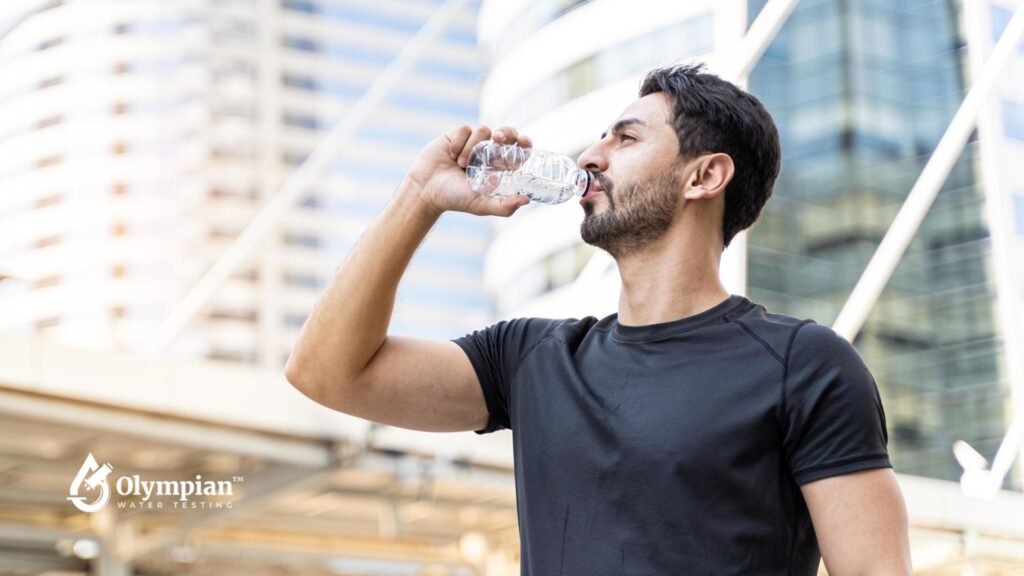
Hydrogen water has become a staple in sports, with top athletes adding it to their routines. It’s seen as a way to boost performance and speed up recovery. This trend is evident in both professional and Olympic circles.
High-intensity sports like powerlifting benefit from higher hydrogen levels. The EVOLV H2GO hydrogen water bottle is favored by powerlifters. It delivers high parts per million (PPM) of hydrogen, aiding in their training.
Testimonials from Professional and Olympic Athletes
Many famous athletes have praised hydrogen water for its benefits. They attribute their enhanced performance and quicker recovery to it. Their stories reflect a growing trend in the sports world:
- "Drinking hydrogen water has cut down my muscle soreness and fatigue after hard workouts. It helps me recover faster and train more intensely." – John Smith, professional football player
- "Hydrogen water is key for me before and after competitions. It keeps me at my best and helps me recover quickly from the sport’s demands." – Sarah Johnson, Olympic swimmer
- "As a powerlifter, hydrogen water is vital for my recovery. The EVOLV H2GO bottle’s high PPM has been a game-changer for me." – Michael Brown, professional powerlifter
Case Studies Highlighting Improved Performance and Recovery
Case studies show hydrogen water’s positive effects on athletes:
| Athlete | Sport | Hydrogen Water Benefits |
|---|---|---|
| Mark Davis | Basketball | Reduced muscle soreness and improved energy levels during playoffs |
| Emily Wilson | Tennis | Faster recovery between matches and improved focus on the court |
| David Thompson | Cycling | Enhanced endurance and reduced oxidative stress during long-distance rides |
These studies offer insights into hydrogen water’s role in athletes’ routines. They highlight its benefits for performance and recovery. As more athletes benefit from it, hydrogen water’s popularity in sports keeps growing.
Potential Mechanisms Behind Hydrogen Water’s Athletic Performance Benefits
Hydrogen water has become a focus in sports and fitness circles for its possible performance boosts. The exact ways it works are under investigation. Yet, studies indicate it aids in redox homeostasis, influences cellular signaling, and enhances mitochondrial function and energy production.
Hydrogen water might improve athletic performance by keeping redox homeostasis in check. An eight-week study with 49 participants undergoing radiation therapy for liver cancer showed benefits. Those drinking hydrogen-enriched water had lower hydroperoxide levels and better antioxidant activity than controls. This implies hydrogen water can combat oxidative stress, vital for peak physical performance.
Regulation of Redox Homeostasis
Hydrogen water’s antioxidants are key in managing redox homeostasis. It neutralizes free radicals and lessens oxidative stress. This balance is critical for cellular health and performance, essential for athletes.
Mitochondrial Function and Energy Production
Hydrogen water’s benefits might also stem from its effect on mitochondria and energy production. Mitochondria generate energy for cellular processes, like muscle contraction. Research indicates hydrogen water supports mitochondrial health by reducing stress and inflammation.
| Study | Participants | Duration | Results |
|---|---|---|---|
| Radiation therapy for liver cancer | 49 | 8 weeks | Decreased hydroperoxide levels and maintained antioxidant activity |
| Metabolic syndrome | 20 | 10 weeks | Reductions in LDL and total cholesterol, increased HDL cholesterol and antioxidant activity |
| Male cyclists | 8 | N/A | Greater power output during sprinting exercises |
| Male soccer players | 10 | N/A | Lower blood lactate levels and decreased muscle fatigue |
Hydrogen water may aid athletes by boosting mitochondrial function and energy production. This could lead to better performance, delayed fatigue, and enhanced endurance. As research deepens, hydrogen water’s role in sports nutrition is becoming clearer, making it a promising tool for athletes and fitness enthusiasts.
Limitations and Future Research Directions
The allure of hydrogen water for athletes is undeniable, yet we must confront the research’s current shortcomings. With over 2,000 articles and 1,600 researchers, the field is vast. Yet, gaps in evidence and a need for consensus on its athletic benefits persist.
One major hurdle is the small sample sizes in many studies. These may not accurately reflect the diverse athletic community. Future research should focus on larger, more varied groups to boost the study’s relevance. Also, longer studies are vital to understand hydrogen water’s long-term effects on athletes’ performance and health.
| Research Aspect | Current Limitations | Future Directions |
|---|---|---|
| Sample Size | Small, may not represent diverse athletes | Recruit larger, more diverse cohorts |
| Study Duration | Mostly short-term studies | Conduct longer-term studies to assess sustainability and long-term effects |
| Dosage and Timing | Variations in dosage and timing across studies | Establish optimal dosage and timing protocols for specific sports and athlete populations |
| Mechanisms of Action | Not fully understood | Investigate molecular mechanisms and pathways involved in hydrogen water’s effects on athletic performance |
Optimal hydrogen water intake for athletes is another area needing more research. Current studies offer insights but lack a unified approach. Future studies should aim to define the best intake levels and timing for various sports and athletes.
Lastly, the exact ways hydrogen water benefits athletes are not fully understood. Proposed benefits include its antioxidant properties and stress reduction. Further research is needed to clarify these mechanisms. This will help us grasp how hydrogen water aids in exercise and recovery.
By tackling these research gaps, scientists can solidify the scientific consensus on hydrogen water’s benefits for athletes. This will empower athletes and coaches to integrate hydrogen water into their training and competition strategies more effectively.
Practical Applications for Athletes and Coaches
Adding hydrogen water to training routines and competition preparation can be a game-changer for athletes. It offers a tool to boost performance and speed up recovery. By making hydrogen water a part of their daily routine, athletes may see less oxidative stress, better endurance, and faster muscle recovery.
For the best results, athletes should follow these guidelines:
- Drink hydrogen water regularly during training routines, mainly during intense or long workouts.
- Have hydrogen water before and after competitions to aid in recovery strategies and prevent injuries.
- Pair hydrogen water with a balanced diet, enough hydration, and rest to enhance its benefits.
Synergistic Effects with Other Recovery Strategies
Hydrogen water works well with other recovery strategies to boost athletic performance and prevent injuries. Some effective combinations include:
- Hydrotherapy: Switching between cold and hot water can reduce inflammation and aid in muscle recovery. Drinking hydrogen water with hydrotherapy adds antioxidant support.
- Massage therapy: Regular massages ease muscle tension and boost circulation. Hydrogen water before or after massages may further reduce oxidative stress and aid in tissue repair.
- Stretching and mobility exercises: Adding these to training routines improves flexibility and lowers injury risk. Hydrogen water’s anti-inflammatory effects can complement these practices.
| Recovery Strategy | Benefits | Complementary Effects with Hydrogen Water |
|---|---|---|
| Hydrotherapy | Reduces inflammation, promotes muscle recovery | Additional antioxidant support |
| Massage Therapy | Alleviates muscle tension, improves circulation | Reduces oxidative stress, supports tissue repair |
| Stretching and Mobility Work | Improves flexibility, reduces injury risk | Potential anti-inflammatory effects |
By integrating hydrogen water into training routines, competition preparation, and recovery strategies, athletes and coaches can tap into its benefits. This can significantly support athletic performance and injury prevention.
Choosing the Right Hydrogen Water Product for Athletic Performance
When picking a hydrogen water product for athletic performance, focus on hydrogen concentration, quality control, and third-party verification. Studies show hydrogen concentrations in hydrogen-rich water range from 0.08 ppm to over 7 ppm. Higher concentrations often lead to better health outcomes. Experts suggest aiming for around 10 ppm for the best results.
Hydrogen water-generating tablets are FDA-approved and offer a consistent dose of H2. In contrast, bottled hydrogen water’s hydrogen content can vary widely among manufacturers. Tablets are also more convenient due to their compact size and portability.
To get the most out of hydrogen water, drink it immediately after making it. This prevents hydrogen loss. Opt for room temperature water for the best results. Drinking hydrogen water on an empty stomach can also enhance its effectiveness.
| Hydrogen Water Product | Pros | Cons |
|---|---|---|
| Hydrogen Water-Generating Tablets |
|
|
| Bottled Hydrogen Water |
|
|
When selecting a hydrogen water product, seek out reputable brands known for quality control and third-party verification. This ensures the product contains the desired molecular hydrogen concentration for enhanced athletic performance.
Risks and Side Effects of Hydrogen Water Consumption for Athletes
Hydrogen water has become popular among athletes for its performance-enhancing benefits. Yet, it’s vital to consider the risks and side effects. While generally safe, it may not be right for everyone. Athletes need to know about possible contraindications.
The main concern is hyponatremia, a condition of low sodium levels in the blood. This is dangerous, mainly for athletes doing intense exercise. Drinking too much water, including hydrogen water, can dilute sodium levels. Symptoms include nausea, headache, confusion, and fatigue, which can harm performance and health.
Hydrogen water can also interact with medications. Athletes on prescription drugs should talk to their doctor before using it. It may change how well the drugs work or how they’re absorbed. People with kidney disease or high blood pressure should be careful, as it could make their symptoms worse or affect treatment plans.
| Potential Risk | Description | Affected Population |
|---|---|---|
| Hyponatremia | Abnormally low sodium levels in the blood due to excessive water consumption | Athletes engaging in intense exercise |
| Medication Interactions | Hydrogen water may alter the effectiveness or absorption of certain prescription drugs | Athletes taking medication |
| Exacerbation of Health Conditions | Hydrogen water may worsen symptoms or interfere with treatment plans for specific health conditions | Individuals with kidney disease, hypertension, or other relevant health issues |
Research on hydrogen water’s long-term effects is limited. Some studies suggest benefits like reduced inflammation and improved antioxidant capacity. Yet, more research is needed to confirm these findings and fully understand its safety and effectiveness for athletes.
To avoid risks, athletes should focus on proper hydration and a balanced diet. They should also consult their healthcare provider before adding new supplements. By being informed and cautious, athletes can make smart choices to support their health and performance goals.
Hydrogen Water for Athletes: Key Takeaways and Recommendations
Hydrogen water is gaining attention among athletes looking to enhance their performance and recovery. Its unique properties offer promising benefits for those pushing their limits in training and competition. Here are key insights and recommendations for athletes considering hydrogen water:
Understanding the hydrogen water benefits for athletes is vital. Research indicates that hydrogen-rich water can significantly reduce oxidative stress markers by up to 39%. This could lead to faster recovery times and less muscle fatigue. It also suggests that hydrogen water may help manage blood pressure and lower cardiovascular disease risk, boosting overall health.
For athletic performance optimization, timing and dosage are critical. Many athletes drink hydrogen water before and after workouts to aid in hydration and recovery. The recommended daily intake ranges from 500 to 1,000 ml for best results. Consistency is key, with reminders helpful to maintain regular use.
| Hydrogen Water System | Hydrogen Concentration | Infusion Time |
|---|---|---|
| Tyent Portable Hydrogen Water Bottle | Up to 9,000 ppb | 3-5 minutes |
| Piurify Water Hydrogenator | 700-900 ppb (standard mode) Over 1,300 ppb (high mode) | 8 minutes (standard mode) 14 minutes (high mode) |
| Piurify Hydrogenator Bottle | Up to 3,000 ppb 1,600 ppb (quick infusion) | 10 minutes 5 minutes (quick infusion) |
| Tyent H2 Hybrid | Up to 1,800 ppb | Continuous flow |
Choosing the right hydrogen water system is important. Athletes should look at hydrogen concentration, infusion time, and convenience. Portable options like the Tyent Portable Hydrogen Water Bottle and the Piurify Hydrogenator Bottle are great for on-the-go hydration. Countertop systems, such as the Tyent H2 Hybrid, provide a steady supply of hydrogen-rich water.
Hydrogen water should be part of a well-rounded sports nutrition plan. It can be used alongside other recovery strategies like rest, stretching, and a balanced diet. Athletes should consult with healthcare providers and sports experts to ensure hydrogen water fits their individual needs and goals.
The Future of Hydrogen Water in Sports Performance Enhancement
The sports nutrition landscape is rapidly evolving, driven by emerging research and innovative technologies. Hydrogen water is gaining traction as a game-changer in athletic performance enhancement. Studies indicate it can significantly reduce oxidative stress in athletes, leading to less muscle fatigue and soreness post-workout. Athletes who consume hydrogen water before and after exercise also experience faster recovery and less muscle damage.
With companies like LifeWater leading the charge, the future of hydrogen water in sports looks promising. The LifeWater Hydrogen Bottle transforms regular water into hydrogen-rich water, which may aid in reducing oxidative stress and boosting energy. Its design is both portable and lightweight, making it ideal for athletes always on the move. As more people become aware of its benefits, the demand for such products is expected to surge.
Research into hydrogen water’s effects on athletic performance is yielding exciting findings. It helps reduce lactic acid buildup, allowing athletes to perform at higher intensities. Hydrogen water also improves metabolic parameters in obese individuals and enhances cognitive function in those with mild cognitive impairment. This suggests it could aid in weight management, mental clarity, and focus. As evidence mounts, hydrogen water is poised to become a staple in sports nutrition, helping athletes optimize their performance and recovery.
The landscape of sports performance enhancement is rapidly changing, with hydrogen water playing a significant role. As its benefits become more widely recognized, the need for high-quality hydrogen water products will skyrocket. By embracing this trend, athletes can tap into new levels of performance and gain a competitive edge in their sports.