The Future of Copper in Drinking Water: Innovations and Challenges
- Published:
- Updated: December 16, 2024
Summary
The future of copper in drinking water is marked by both innovation and challenges. While copper is essential for health, its excessive presence poses risks. Emerging technologies offer promise for detection and removal. Climate change may impact copper levels, necessitating ongoing research and policy adaptation.
- Copper’s role in water: Essential nutrient vs. health risk
- Current regulations: Standards for copper levels in drinking water
- Technological advancements: Detection and removal methods

The copper-infused future of drinking water holds opportunities as well as threats in a world moving toward safer and more sustainable water supplies. Copper — which we often use in plumbing — leaks into water and is dangerous when it’s at high levels. But plumbing technology — copper alloys, coatings, etc. — are being developed to reduce copper leaching and keep the water clean. When it comes to drinking water, it’s important to weigh up the pros and cons of copper when planning for durable and effective plumbing infrastructure that works for both public health and water sustainability in the future.
What is the role of copper in drinking water and its potential effects on human health?
Copper, a naturally occurring mineral, is a nutrient that we all need for health. It helps in iron utilisation, energy production and even our nervous system. copper enters our water supply by both organic, soil leaching, and man-made, including from mines and copper plumbing fittings.
But there’s a double-edged sword to the copper found in drinking water. We need a certain amount, but too much is unhealthy. That is why we need to take copper in our water supply and keep it in the safe range.
Health Effects of Copper

Copper is a mineral we need in our bodies, but over-use can cause harmful damage. Having water that is very high in copper can cause nausea, vomiting, stomach cramps and diarrhoea. Term-long, regular consumption of too much copper can cause chronic conditions such as liver or kidney damage.
As it happens, water can be also altered in taste by excess copper. It’s also common for a metallic taste, a sense cue that copper isn’t being used properly. Yet tasting is not enough, and copper in our water supply needs to be actively tracked and controlled.
What are the current standards and regulations for copper levels in drinking water?
Copper levels in drinking water need to be kept under control to keep populations healthy and safe. Various global health groups and regional institutions established limits on the maximum permissible level of copper in water. They exist to guard people against health risks that would come with drinking copper-laden water.
These criteria are aligned with how we now know about the health impact of copper. These rules will be updated and expanded as we know more and more. This is why more research into the health effects of copper consumption is needed and why flexible water quality standards are needed.
Technologies for Copper Detection
It’s one of the keys to controlling copper — to detect and quantify it in water. And historically, this has been done in the lab. But new technologies are coming along that will make copper detection more available, reliable and efficient.
The development of mobile and easy-to-use testing kits, for example, is a promising development. The kits allow periodic copper testing at home and in the office. In the meantime, increasingly advanced analytical instruments are being commissioned to measure copper concentration in water at higher resolution and more precisely.
Emerging Methods for Copper Removal
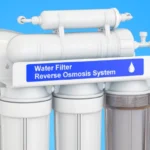
Besides detection, there are already technologies that purify drinking water from copper. The old ways – reverse osmosis, ion exchange – have worked but have been expensive and time-consuming. Therefore, copper removal methods have been looking for cheap and effective ones.
Molecular and biologically inspired media, nanostructured media, bio-based filtration technologies: all have promise. These new approaches aim to make copper removal more efficient, less expensive, and less harmful to the environment. But there is still much to be discovered and honed before they can really make them work and make them widely available.
Impact of Climate Change on Copper Levels
The broad environmental impacts of climate change would affect copper in our water. Copper can also be leached to the water by rainfall and temperature changes. It is also possible that climate changes can change the human landscape, requiring copper to be more used and spilled.
For instance, the higher the temperature, the more reliance you might have on air conditioners (of which copper is a primary component). This might cause more copper waste to be generated and could spill into waterways. Managing water quality in the future will depend on knowing how climate change could affect copper levels in water.
Looking Forward: Future Prospects for Copper Management in Drinking Water
As things stand, however, copper management in water will surely be determined by further studies, technologies and policies. And a few for the future:
Study: Continued studies of copper’s health impacts, new approaches to detection, and new technologies for removal will influence copper management into the future.
Future management will require technologies: The design and adoption of inexpensive and efficient copper detection/removal technologies should be widely spread.
Regulation: Regulatory regulations need to evolve to the new research and to the new technologies.
Public Awareness & Participation: Public awareness and participation will be key in supporting the needed changes in policies, infrastructure, and people.
The control of copper in our water is tricky but important. And if we keep researching, creating technology, and keeping the people engaged, we can make it through and secure a future in which we all have access to clean, safe water.
Challenges in Managing Copper Levels
There are a few issues with controlling copper in water. Cost, infrastructure and awareness are some of the most important of these. Innovations are ostensible but they come at a high price. Such expenses can be extortionate, especially for small communities and low-resource developing nations.
Existing water infrastructure is a problem too. Copper pipes are used for the majority of water in most old cities. The result can be regular copper leaching into the water supply. : Replacing or upgrading these systems is costly and complicated.
Share this on social media:
Facebook
Twitter
LinkedIn