The Bronx and Beryllium: A Concern for Water Quality
- Published:
- Updated: January 12, 2025
Listen to this article
Summary
The presence of beryllium in Bronx water poses a significant health risk.
- Beryllium contamination originates from industrial and natural sources.
- Health impacts include respiratory issues and cancer.
- Community awareness and action are crucial for addressing this issue.

If you think of the Bronx, you might think of Yankee Stadium or the Bronx Zoo, or maybe its cultural richness. But lurking behind the scenes of this cosmopolitan borough is a major problem that few see: water quality. And particularly the rise in rumours of Beryllium, a metal you probably haven’t heard of but ought to be concerned about.
The Hidden Crisis: Unveiling the Water Quality Issue in The Bronx
And then there are the social and environmental problems of the Bronx, with its more than a million residents. But less understood is the water residents drink each day. The lead scare in Flint, Michigan has gone viral, but few realise that the Bronx also has its water issues, a problem that also involves a disturbing concentration of Beryllium.
And the problem is not just a regional one. It’s a crisis not many in the community know anything about, mainly because Beryllium isn’t a household name like lead or arsenic. Awareness makes it even worse and a secret crisis which should be highlighted.
Beryllium: The Silent Culprit
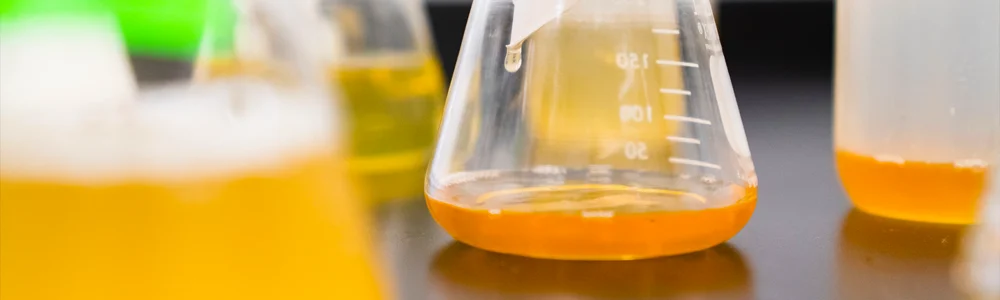
What is Beryllium? It’s a chemical compound, mostly used in aircraft and telecommunications because of its ratio of strength to weight. Looks harmless on the industrial scale, doesn’t it? Wrong. As Beryllium enters drinking water, it presents a real health risk: chronic beryllium disease, lung cancer, even bone and skin damage.
And even in small doses Beryllium is inert. But that’s not the case in some of the parts of the Bronx where researchers have reported high levels of this element in waterways. Exposure to Beryllium can be ravaging health-wise – respiratory issues and risk for cancer – so people need to educate themselves and act.
How Did We Get Here? The Origin of Beryllium in The Bronx's Water Supply
Beryllium enters water sources by means natural and manufactured. In geology, Beryllium can be found in crustal material and eroded out of watercourses. Yet humans have multiplied this problem.
The industrial revolution has brought economic advantages, but at a price. Factory effluents, faulty electronic parts and other industrial waste have left Beryllium in water. Land can also be disturbed from building at the site, adding more Beryllium to the water supply.
The Official Response: What Authorities Are (or Aren’t) Doing
It is the government (the EPA, that is) that decides how much Beryllium is permissible in drinking water. But there are many critics who say that such limits are outmoded and not very enforced. All the more disturbing when you consider how the city governments are so slow to act on complaints that people such as the Bronx are left with toxins such as Beryllium, which they often don’t know about for years.
Not enough limits – hard boundaries. Fines for water quality violations aren’t a punitive measure, they’re a real deterrent to enforcement. Although a few cities are taking water quality seriously, the Bronx has yet to see much local action (not sure whether this is about urgency or will).
The Science of Measuring Water Quality
The way to check water quality is not as simple as one would think. We can see contaminants such as Beryllium by many instruments and techniques. These include simple home-test kits and the fancy spectroscopy of labs. But the key is to check for the presence and the amount of Beryllium, then only if you can consume water without fear.
There’s always a ‘safe’, subject to guidelines that might or might not be universal. It’s a series of parameters that scientists count toward water quality: hardness, pH, and even contaminants. The maximum contaminant count is 4 parts per billion for Beryllium. But others have even mentioned that even these low levels can have serious health consequences, and experts are split.
Real-Life Impact: Stories from The Bronx Community
Just imagine if you were to go about your day, drinking the water from your faucet and found years later that it contained contaminants. And this is the ugly truth for some Bronxites who’ve been drinking water that is loaded with Beryllium unwarranted. Interviewed families reported everything from respiratory ailments to shocking cancers, though these are hard to put down to Beryllium.
There are no numbers and statistical abstractions, here, real humans. Local politicians and activists have started speaking up, but the bad news is it often too late. It’s a gloomy reminder that water quality problems can be catastrophic, life-threatening.
The Environmental Justice Angle
There’s nothing peculiar about the Beryllium issue: it’s a system of environmental justice. More often than not, excluded groups suffer the most from environmental degradation such as water contamination.
Infrastructural redlining and underinvestment, dated back to the past.
Slighter political weight that gets ignored by authorities.
Unjust health effects on groups such as children and the elderly.
It is a fact that makes the Beryllium problem more than an environmental matter: it is also a social justice problem for which holistic treatment must address not the symptom but the disease.
The Power of Public Awareness: How Information Can Save Lives
Awareness can be transformative. Think of Flint in Michigan, where public outrage inspired national response. Locally, campaigns by journalists and neighbourhood activists in the Bronx have started to put the Beryllium problem in the public eye.
Social media campaigns, public forums, investigative reporting can all help to bring it from the local level to the national level. Awareness isn’t only the first part of the solution; it’s the tool to turn communities on, drive government and change.
What Can You Do? Taking Matters Into Your Own Hands
While it’s essential for authorities to act, individual actions also count. One immediate step is investing in a high-quality water filtration system designed to remove Beryllium and other harmful substances. But taking it further, community-led initiatives have started to make a difference. From organizing local water testing drives to petitioning local governments for better water treatment facilities, the power of collective action cannot be underestimated. Additionally, individuals can also educate themselves and others about the potential dangers of Beryllium in drinking water and the importance of regular water testing. By spreading awareness and advocating for better water testing services, we can further protect our communities from harmful contaminants. Through a combination of both individual and collective efforts, we can work towards ensuring access to clean and safe drinking water for all.
Another useful approach is to keep yourself and your community informed. Subscribe to water quality reports, join community boards that focus on environmental issues, and don’t hesitate to ask questions. Knowledge, as they say, is power, and in this case, it could be the power to safeguard your health.
Next Steps and Future Outlook
It is a bad problem but it is not hopeless. Sooner policy moves, and further studies, are coming. Yet it takes persistent public pressure to put water quality at the top of state plans. Public-private partnerships for the upgrade of water treatment plants are in the works too, and the solution to this problem will take a multi-pronged strategy.
The solution, in the long term, can be sustainability, with more efficient recycling of industrial waste, tighter building-related regulations, and better scientific research funding that should reign it in, if not out. And this is not a one-hit wonder, but a process that takes a lot of us.
Understanding the Long-Term Health Implications of Beryllium Exposure
Beryllium, even when low in concentration, can cause long-term disease. Exposure for years has been associated with chronic beryllium cancer, an incapacitating lung disease, and cancer. These are devastating consequences, so water safety requires 24/7 surveillance and tight regulation.
Conclusion: Addressing Beryllium in Bronx Water
Conclusion: beryllium in the Bronx’s drinking water is a black box that needs to be removed right away. It is important to know where it comes from, how it affects health and how to mitigate it for the safety of citizens. Residents can become educated, active, and proactive in keeping water safe and clean for everyone. The solution for this public health problem requires monitoring constantly, tight regulation and local participation.
Share this on social media:
Facebook
Twitter
LinkedIn

Related Posts