Tackling Discoloration: Keeping NYC’s Water Clear and Safe
- Published:
- Updated: December 16, 2024
Listen to this article
Summary
Residents of New York City should be aware of water discoloration concerns and the measures taken to address them. Key points include:
- Discoloration sources range from natural deposits to pipe corrosion.
- NYC’s extensive water supply system undergoes rigorous testing and treatment to ensure clarity and safety.
- Public participation is crucial, with residents encouraged to report instances of discolored water promptly.

Water is in us, both to live our lives and to do many other things that we have become used to. If you live in a big city such as New York City, you want to know that you can always have clean, safe water. But discolouration of tap water is something that sometimes surfaces.
Understanding Water Discoloration
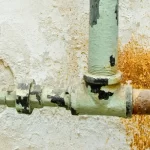
Water stains are a common nuisance for home owners and can make homeowners worried about their health and provenance. Coloration can come about due to many reasons and they have different causes and remedies. Typical sources include natural mineral deposits that seep into the water, rusty pipes, reservoir algae or problems due to water main breaks or repairs. Turbidity – or cloudiness – in water may sometimes resemble colour, but it is not. Blurring is the presence of particles in the water, while turbidity could be caused by particular minerals or by an outside influence.
New York City's Water Supply: A Brief Overview

New York City has one of the largest water systems in the world. It’s the water of the Catskill Mountains distilled from there, then flows through the city on an epic ride before hitting our faucets. On the way, this water is treated systematically in a vast network of infrastructure – immense reservoirs, aqueducts and modern wastewater treatment facilities. They make sure not only that the water remains fresh and pure but also strive hard to maintain the quality, so the final product meets the health regulations and doesn’t colour at all.
The Science Behind Clean Water
New York City uses a complex monitoring system with sophisticated tests to keep its water safe. From finding a pathogen to tracing minerals, there is no stone left unturned in these tests. Modern treatment plants are crucial here and they use processes to kill potential pollutants and keep water clear. One can marvel at:
High Flow Filtration: By using layering of sand and carbon for particle and impurities.
Cleanse: Chlorine or ultraviolet light to kill off bad germs.
Air : Adds air for better flavor and smell.
Tackling Discoloration: The Measures NYC Takes
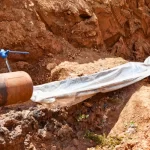
Keeping this massive water system in good shape is no mean feat. NYC is proactive in fighting water discoloration. At the heart of this approach is regular pipe inspection and flushing, so sediment accumulates as little as possible. This, combined with investment in state-of-the-art water treatment technologies, ensures that the city is ensuring the supply of clean water. And the commitment doesn’t just stop at the building — NYC is just as focused on conserving the natural world, the very source of which created this gem.
Public Participation: How New Yorkers Can Help
New York City’s fight against water discolouration is more than an administrative task; it is a public one. Residents are the lifeblood, and they can be very proactive. Citizens that report the stains of water quickly give the relevant authorities real-time data to quickly solve the issue. On a smaller scale, mindful consumption is transformative. Even small steps like repairing leaks or reducing waste add up to big impact. Also, local-scale projects such as clean-up drives and awareness campaigns can be multiplied through this kind of communal thread.
Decoding the Myths: Debunking Common Water Misconceptions
We hear a lot about the myths that surround tap water and the colouration is one of the main culprits. The popular misconception is that coloured water always means something is bad or unsafe. Despite always making a best guess, sometimes discoloration can be natural, caused by harmless minerals. Another big myth: "boil water" warnings. Such warnings are essential in the case of microbial contaminant, but they’re not necessarily justified for every discoloration episode. What matters is knowledge and a bit of lingo.
Comparing NYC's Water Quality to Other Major Cities
NYC’s vigilance with water is not a one-way street. If put in comparison with other metropolises around the world, then the city’s commitment and standard will always shine through. New York focuses on strict measurements and monitoring of quality control, so the state continuously works on improving to be one of the most water-responsible in the country. More than this, NYC isn’t monolithic. It continuously learns from international best practices, learning from lessons and methods that have worked in other places, so its citizens always have the latest.
Ensuring Safe Consumption: What to Do If You Notice Discolored Water
The city’s protocols are severe, but a town should also be prepared to act if the water gets stained. The first thing is not to eat until everything becomes obvious again. If the discoloration doesn’t fade, or if you smell something unusual, call the city or hire a professional. Expertise, swift action and the broader coordination of the city with its citizens make continuous access to clean, safe water the foundation.
Share this on social media:
Facebook
Twitter
LinkedIn

Related Posts