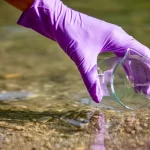
Understanding Cadmium Contamination in Water
Cadmium, a toxic heavy metal, poses significant health risks when it contaminates water sources. The Environmental Protection Agency (EPA) has set a strict cadmium limit of 5 x 10^-4 mg/kg/day in drinking water. It’s essential to grasp the sources and health implications of this contaminant.
Sources of Cadmium Contamination
Cadmium enters water supplies through various means, including industrial waste, mining runoff, and the corrosion of galvanized pipes. Industries contributing to cadmium contamination include mining, smelting, battery production, plastics manufacturing, and pigment production. Cadmium can also travel long distances when airborne, complicating source identification.
Other sources of cadmium exposure include certain foods, such as mushrooms, shellfish, organ meats, rice, cereal grains, potatoes, and dark chocolate. Yet, water rarely contains toxic levels of cadmium unless directly contaminated by industrial wastewater or hazardous waste dumping.
Health Risks Associated with Cadmium Exposure
The International Agency for Research on Cancer (IARC) classifies cadmium as a Group 1 carcinogen, highlighting its carcinogenic effects. Long-term exposure to low levels of cadmium can lead to accumulation in the kidneys and liver. This can potentially cause chronic kidney disease, skeletal issues like osteoporosis, and an increased risk of cancer.
Children and pregnant women are more susceptible to the adverse effects of cadmium exposure. It can impact fetal development and cognitive function. Acute cadmium poisoning can result in gastrointestinal bleeding, liver and kidney necrosis, heart problems, and metabolic acidosis. Chronic exposure can lead to organ damage and cancer.
| Exposure Method | Symptoms |
|---|---|
| Inhalation | Symptoms may appear 4 to 10 hours after exposure |
| Ingestion | Gastrointestinal bleeding, liver and kidney necrosis, heart problems, metabolic acidosis |
Preventative measures for cadmium exposure include adequate ventilation, wearing protective equipment, maintaining a dust-free environment, and frequent handwashing. Regular water testing is critical for detecting harmful metals like cadmium, essential for private wells and smaller water sources.

Monitoring and Testing for Cadmium in Water Supplies
Ensuring the safety of our water supplies is a critical task that requires constant monitoring and testing for harmful contaminants like cadmium. The Environmental Protection Agency (EPA) has set a strict cadmium limit of 5 x 10⁻⁴ mg/kg/day in drinking water to safeguard public health. Regular testing is essential for detecting and addressing cadmium contamination, which is a significant concern in private wells and other non-regulated water sources.
Water Quality Standards for Cadmium
The EPA’s cadmium limit is a critical benchmark for water quality, and adhering to this standard is vital to minimize health risks. New technologies, such as the ROSALIND biosensor, can detect cadmium at concentrations as low as one part per billion. This allows for more accurate and sensitive monitoring. The ROSALIND biosensor can also sense 17 different contaminants using only a single drop of water, making it a powerful tool for assessing water quality comprehensively.
Sampling and Testing Methods
Several methods are available for testing cadmium levels in water supplies, including:
- Home water testing kits: These kits provide a convenient way for homeowners to check their water quality, which is essential for those relying on private wells.
- Professional laboratory testing: Water samples can be sent to certified laboratories for more accurate and detailed analysis.
- Microcantilever technology: This innovative approach offers rapid detection of cadmium and lead, with a turnaround time of just two to three minutes.
Interpreting Test Results
Understanding test results is critical for determining the need for water treatment solutions. Any detectable levels of cadmium indicate the necessity for a reliable filtration system to ensure the water is safe for consumption. The following table provides a guide for interpreting cadmium test results:
| Cadmium Level (mg/L) | Interpretation | Action Required |
|---|---|---|
| Safe | None | |
| 0.001 – 0.005 | Borderline | Consider treatment |
| > 0.005 | Unsafe | Immediate treatment necessary |
By staying informed about water quality standards, utilizing appropriate testing methods, and properly interpreting test results, we can take proactive steps to ensure the safety of our water supplies. This protects our communities from the harmful effects of cadmium contamination.
Cadmium Removal Techniques for Water Treatment
Ensuring safe drinking water is a critical task that requires effective methods to remove harmful contaminants like cadmium. The EPA has set a strict limit of 5 x 10^-4 mg/kg/day for cadmium in drinking water. It’s essential to use reliable methods to eliminate this toxic heavy metal. Advanced technologies have proven successful in tackling cadmium contamination, giving households and communities peace of mind.

Reverse Osmosis Systems
Reverse osmosis (RO) systems are a powerful tool in the fight against cadmium contamination. These systems can remove up to 99% of contaminants, including cadmium, as confirmed by the Water Quality Association. By pushing water through a semi-permeable membrane, RO systems effectively filter out dissolved solids. This leaves behind pure, safe drinking water. When combined with activated carbon filters, RO systems provide a complete solution for cadmium removal.
Ion Exchange Filtration
Ion exchange filtration is another effective method for removing cadmium from water supplies. This process works by replacing harmful cadmium ions with harmless ions, effectively eliminating the contaminant from the water. Regular maintenance is essential to ensure the continued effectiveness of ion exchange systems. Proper regeneration of the ion exchange resin is critical to maintain optimal performance and prevent breakthrough of cadmium ions.
Membrane Filtration and Multi-Stage Systems
Membrane filtration technologies, such as nanofiltration and ultrafiltration, physically separate cadmium particles from water based on their size. These methods can achieve high removal efficiencies, even when combined with other techniques in multi-stage filtration systems. By incorporating activated carbon filters, ion exchange resins, and reverse osmosis membranes, multi-stage systems provide a robust defense against cadmium contamination. This ensures the delivery of safe, clean drinking water.
| Removal Technique | Cadmium Removal Efficiency | Key Benefits |
|---|---|---|
| Reverse Osmosis (RO) | Up to 99% | High contaminant removal, including dissolved solids |
| Ion Exchange Filtration | Up to 98% | Selective removal of cadmium ions, regenerable resin |
| Membrane Filtration | Up to 95% | Physical separation based on particle size, high efficiency |
| Multi-Stage Filtration | Up to 99.9% | Comprehensive protection, combining multiple techniques |
By implementing these advanced cadmium removal techniques, water treatment facilities and households can significantly reduce the risk of cadmium exposure and its associated health hazards.

Regular water testing, including for private wells, is essential to monitor cadmium levels and ensure the effectiveness of the chosen treatment methods. With the right combination of technologies and proper maintenance, communities can enjoy access to safe, cadmium-free drinking water. This promotes public health and well-being.
Implementing Effective Cadmium Treatment Strategies
To safeguard against cadmium’s harmful effects, such as kidney failure and lung damage, effective water filtration system maintenance is essential. The EPA mandates a cadmium limit of 5 x 10⁻⁴ mg/kg/day in drinking water. This highlights the need for proper treatment.
Reverse Osmosis (RO) systems are highly effective at removing cadmium, with the Water Quality Association stating they can remove up to 98% of this toxic metal. For optimal performance, RO systems should be combined with Granular Activated Carbon (GAC) filters. Regular filter replacement is vital to maintain these systems’ efficiency and ensure comprehensive protection against contamination.
Ion exchange filtration is another powerful technique for cadmium removal. This method replaces harmful metal ions, like cadmium, with harmless ions such as sodium or potassium. Proper system cleaning and maintenance are critical for the long-term effectiveness of ion exchange filters.
Periodic water testing is a key component of any cadmium treatment strategy, essential for private wells and smaller water sources. Regular monitoring of cadmium levels ensures your filtration system is working optimally. This allows for timely adjustments to maintain safe drinking water.
| Treatment Method | Cadmium Removal Efficiency |
|---|---|
| Reverse Osmosis (RO) | Up to 99% |
| Granular Activated Carbon (GAC) | Enhances RO efficiency |
| Ion Exchange Filtration | Replaces cadmium with harmless ions |
Implementing a thorough cadmium treatment strategy is vital. This includes regular water filtration system maintenance, filter replacement, system cleaning, and periodic water testing. Such measures ensure the highest level of protection against this dangerous contaminant. They safeguard the health of your family or organization.
Case Studies: Successful Cadmium Remediation Projects
Cadmium contamination in water is a major public health risk, with the World Health Organization setting a reference value of 0.003 mg L−1 for drinking water. Various strategies have shown to effectively reduce cadmium levels, protecting our municipal water supplies. These efforts highlight the critical role of wastewater treatment optimization. They also showcase remediation success stories that have achieved high contaminant removal efficiency while reducing the public health impact of cadmium exposure.

Industrial Wastewater Treatment
One notable case study involves the optimization of multi-stage filtration systems in industrial wastewater treatment. Advanced technologies like adsorption, ion exchange, and membrane filtration have significantly reduced cadmium levels in effluent. For instance, glomalin, a protein produced by arbuscular mycorrhizal fungi, has shown remarkable results. It can remove up to 0.08 mg of cadmium per 1 g of glomalin. These efforts have not only improved wastewater treatment optimization but also minimized environmental impact.
Municipal Water Supply Remediation
In the realm of municipal water supply protection, several projects have implemented robust reverse osmosis and ion exchange systems. These systems ensure the delivery of safe drinking water to communities. For example, the use of limestone and sepiolite reduced cadmium content in rice by 26.1%–56.5%. Another innovative approach used bioremediation with strain B7, resulting in a 21.3%–32.9% decrease in cadmium levels in Chinese cabbage. These remediation success stories demonstrate the high contaminant removal efficiency and public health safeguarding.
| Treatment | Cadmium Reduction |
|---|---|
| Limestone and Sepiolite | 26.1%–56.5% |
| Bioremediation with Strain B7 | 21.3%–32.9% |
The success of these cadmium remediation projects highlights the need for ongoing research and innovation in wastewater treatment optimization and municipal water supply protection. By focusing on developing and implementing effective treatment strategies, we can continue to achieve impressive remediation success stories. This will enhance contaminant removal efficiency and minimize the public health impact of cadmium contamination in our water resources.
Regulatory Framework for Cadmium in Drinking Water
Cadmium in drinking water is a major concern due to its health risks. A detailed regulatory framework has been put in place. This includes federal and state laws, as well as international standards.
In the U.S., the Safe Drinking Water Act (SDWA) is the main law for water quality. The Environmental Protection Agency (EPA) sets Maximum Contaminant Levels (MCLs) for contaminants like cadmium. The MCL for cadmium is 0.005 mg/L, with a goal of 0.005 mg/L. The EPA regularly updates these standards to protect public health.
Federal and State Regulations
While the SDWA sets a national standard, states enforce these rules. Many states follow the federal MCL for cadmium. Others have stricter guidelines based on local conditions and health priorities.
Monitoring cadmium levels in public water is a key part of compliance. Water systems must test regularly and report results. If levels exceed the MCL, they must take corrective actions to comply.
International Standards
The World Health Organization (WHO) also sets standards for cadmium in drinking water. The WHO recommends a maximum concentration of 0.003 mg/L. Many countries use these guidelines or adapt them for their own standards.
The following table provides an overview of the cadmium occurrence data in various types of water systems:
| Water System Type | No. of Sources ≤ 1 (DLR) | No. of Systems ≤ 1 (DLR) | No. of Sources > 5 (MCL) | No. of Systems > 5 (MCL) | Total Tested |
|---|---|---|---|---|---|
| Community Water Systems (CWS) | 7,001 | 1,814 | 5 | 3 | 7,077 |
| Non-Community Non-Transient Water Systems (NTNCWS) | 1,169 | 831 | 2 | 2 | 1,191 |
| Transient Non-Community Water Systems (TNCWS) | 187 | 165 | 1 | 1 | 190 |
Following these standards is vital for public health and safe drinking water. Regulatory agencies aim to limit cadmium to prevent health issues from long-term exposure.
Public Health Implications of Cadmium Contamination
The presence of cadmium in water supplies raises significant public health concerns. Prolonged exposure to this toxic metal can lead to chronic diseases. Cadmium accumulates in the kidneys and liver, causing kidney dysfunction, bone disorders, and certain cancers. The Centers for Disease Control and Prevention report that about 22,000 tons of cadmium enter the soil globally yearly. This affects an estimated 600 million people annually.
Vulnerable populations, like children and pregnant women, are more susceptible to cadmium’s adverse effects. Newborns lack cadmium, but by age 50, they can have 20–30 μg/kg. Exposure during pregnancy can lead to low birth weight and preterm birth. It’s vital to protect these groups to ensure public health and the well-being of future generations.
To tackle the public health implications of cadmium contamination, we must focus on health education and early intervention. Raising awareness about cadmium risks and promoting effective water treatment can mitigate its impact. Educating communities on safe drinking water and implementing chronic disease prevention measures are key. This approach can help reduce cadmium-related illnesses and enhance environmental health.
| Organ | Percentage of Total Body Cadmium |
|---|---|
| Kidneys | 33% |
| Liver | 14% |
| Lungs | 2% |
| Pancreas | 0.13% |
The table shows cadmium’s distribution in the human body, with the kidneys and liver being primary sites. This highlights the need to protect these vital organs from cadmium’s effects through proactive measures and early intervention.
Emerging Technologies for Cadmium Removal
The global community is grappling with cadmium contamination in water supplies. Researchers are exploring innovative water treatment methods to combat this threat. Emerging technologies, such as nanomaterials and bioremediation techniques, offer promising solutions. They aim to enhance cadmium removal efficiency and protect public health.
Nanotechnology-based Adsorbents
Nanomaterials have garnered significant attention for their role in heavy metal remediation, including cadmium. These advanced materials, like carbon nanotubes and metal oxide nanoparticles, exhibit unique properties. They enhance adsorption efficiency and selectivity. Recent studies have shown impressive results:
- A novel sugar-like polymer effectively removed up to 20% of ionic cadmium from contaminated river water, while achieving a 45% removal rate for lead.
- In tests with water spiked with ionic cadmium, visible clumps formed within just three minutes, showing the rapid action of nanomaterials.
- The polymer maintained its metal-trapping effectiveness through three cycles of binding, clumping, and redissolving, demonstrating its reusability.
These findings highlight the immense promise of nanomaterials in revolutionizing cadmium removal processes. They offer more efficient and sustainable solutions compared to traditional methods.
Bioremediation Techniques
Bioremediation techniques harness the power of living organisms to break down or accumulate contaminants. Genetically engineered microorganisms and phytoremediation using aquatic plants have shown promising results in treating cadmium-contaminated water. These eco-friendly and cost-effective approaches offer several advantages:
- Microorganisms can be genetically modified to enhance their ability to absorb and accumulate heavy metals like cadmium, making them highly effective bioadsorbents.
- Phytoremediation utilizes the natural ability of certain plant species to uptake and store cadmium in their tissues, allowing for the removal of the contaminant from water bodies.
- Bioremediation techniques often require minimal energy input and generate less waste compared to conventional treatment methods, making them more environmentally sustainable.
As research continues to advance in the field of bioremediation, these techniques are expected to play an increasingly vital role in tackling cadmium contamination in water supplies worldwide.
The development and implementation of these emerging technologies for cadmium removal are critical steps. They ensure access to safe and clean water for communities affected by this toxic metal. By harnessing the power of nanomaterials and bioremediation techniques, we can effectively address the challenges posed by cadmium contamination. This will safeguard public health for generations to come.
Cadmium Contamination in Groundwater
Cadmium contamination in groundwater is a pressing issue, threatening the health of those who rely on it. Groundwater, essential for drinking, farming, and industry, can be tainted by cadmium. This contamination comes from natural and human activities, making it critical to monitor and clean up the water effectively.
Geological Sources of Cadmium
Cadmium in groundwater often comes from its natural presence in rocks and soil. It’s often linked with zinc ores and can leach into water through weathering processes. In the Eastern Niger Delta, Nigeria, 45% of groundwater samples showed cadmium levels above the WHO’s safe limit. Mining activities also contribute to groundwater contamination, with some areas seeing levels up to 10 times higher than normal.
Remediation Strategies for Contaminated Aquifers
To tackle cadmium in groundwater, effective cleanup methods are needed. The pump-and-treat system is a common solution. It pulls out contaminated water, cleans it, and then puts it back into the aquifer. While it can lower cadmium levels, it might need ongoing effort and upkeep.
In-situ treatment methods, like permeable reactive barriers and bioremediation, are also being explored. These methods treat the water right where it is, reducing the need for removal and treatment above ground. For instance, permeable reactive barriers can capture and hold cadmium as water flows through.
| Zone | Mean Cd (mg/L) | Mean Pb (mg/L) | Mean Cr (mg/L) |
|---|---|---|---|
| Zone 2 | 0.331 | 0.573 | 0.164 |
| Zone 4 | – | – | – |
The table shows the average levels of cadmium, lead, and chromium in groundwater from Zone 2. It’s clear that these heavy metals are at unsafe levels in some areas. It’s vital to monitor and understand where these contaminants are to effectively clean up the water.
Successful groundwater cleanup needs a detailed plan that considers the site, the contaminants, and available resources. It’s important to regularly check the water, assess risks, and involve the community. This approach is key to protecting public health and the environment from cadmium contamination.
Preventing Cadmium Contamination in Water Sources
It’s vital to prevent cadmium contamination in our water sources for public health and environmental protection. Cadmium, a toxic heavy metal, can enter water through industrial discharges, agricultural runoff, and erosion. Given its classification as a Group 1 carcinogen by the International Agency for Research on Cancer (IARC), it’s critical to adopt effective strategies for pollution prevention and control.
Implementing best management practices in industries and agriculture is key. These practices aim to minimize cadmium release into the environment. The U.S. Environmental Protection Agency (EPA) has set a stringent cadmium limit in drinking water, highlighting the need for low contaminant levels.
Stormwater Management and Green Infrastructure
Effective stormwater management is essential in preventing cadmium contamination. By using green infrastructure like permeable pavements and rain gardens, we can reduce cadmium-laden runoff. These solutions not only mitigate pollution but also enhance water quality, biodiversity, and urban resilience.

Erosion Control Measures
Erosion control measures are vital, mainly in agricultural and construction sites. Practices like revegetation and mulching can reduce soil erosion and cadmium transport. These measures protect water quality and maintain ecosystem integrity.
Industrial Discharge Regulations and Monitoring
Stringent regulations and regular monitoring are critical for controlling cadmium pollution from point sources. Industries must follow strict effluent guidelines and use advanced treatment technologies. Regular water testing, including for private wells, is essential to ensure safety standards and protect public health.
| Treatment Method | Cadmium Removal Efficiency |
|---|---|
| Reverse Osmosis (RO) | Up to 99% |
| Ion Exchange Filtration | Effectively replaces cadmium ions with harmless ions |
| Activated Carbon Filters | Often used in combination with other filtration systems to improve removal rates |
A holistic approach is needed to prevent cadmium contamination in our water sources. This includes source control, stormwater management, erosion control, and strict industrial discharge regulations. Protecting our water quality is essential for public health and ecosystem preservation for future generations.
Monitoring and Maintenance of Cadmium Treatment Systems
Regular performance monitoring and maintenance are key to the long-term success of cadmium treatment systems. Tracking water quality parameters and contaminant removal efficiency helps identify and address issues early. This proactive approach ensures water safety and compliance with regulations.
Preventive maintenance is vital for system optimization. Tasks like filter replacements and system cleaning prevent breakdowns and maintain performance. Studies show that modified red mud can adsorb cadmium up to 4.4 times more than unmodified red mud, underscoring the need for proper upkeep.
| Maintenance Task | Frequency | Benefits |
|---|---|---|
| Filter replacement | Every 6 months | Maintains removal efficiency |
| System cleaning | Annually | Prevents buildup and corrosion |
| Sensor calibration | Quarterly | Ensures accurate monitoring |
Even with regular maintenance, troubleshooting skills are essential. Water treatment professionals must be ready to diagnose and fix issues quickly. This minimizes downtime and ensures water safety. Investing in operator training is critical for a skilled workforce.
Preventive maintenance boosts system performance and extends component lifespan. For instance, manganese dioxide-modified red mud has a higher adsorption capacity than the original. Yet, its capacity drops by about 35% after five cycles. Regular upkeep helps maintain effectiveness over time.
Collaborative Efforts in Addressing Cadmium Contamination
Addressing cadmium contamination in water requires a team effort from various stakeholders. Governments are key in funding research and coordinating efforts to find solutions. For example, a project in China to clean up paddy soil had a budget of about 7.33 billion yuan. It covered 180,000 hectares of land and helped over 3 million farmers in 26 areas.
Public-private partnerships are vital for advancing technology in treating cadmium. These collaborations combine the strengths of both sectors to speed up the use of new technologies. For instance, using certain plants and bacteria can remove up to 33% of cadmium from soil. An integrated governance framework has also been successful, reducing soil cadmium by 36% and rice grain cadmium by 57-78%.
Engaging communities and educating the public are critical for tackling cadmium. Awareness campaigns highlight the dangers of cadmium and encourage people to protect water sources. By getting everyone involved, from farmers to residents, we can achieve lasting solutions. Educational programs teach best practices to reduce contamination, like proper waste disposal and using safer materials.
Collaborative work has shown promising results in fighting cadmium pollution. Soil pH increases have helped lower cadmium levels. Advanced models, like random forest regression, have pinpointed factors affecting cadmium in rice. As research advances and new technologies emerge, teamwork will be essential in managing cadmium and protecting health.
FAQ
What are the health risks associated with cadmium exposure in drinking water?
Exposure to cadmium, even at low levels, poses serious health risks. It can cause chronic kidney disease and skeletal issues like osteoporosis. There’s also an increased risk of cancer. Children and pregnant women are most vulnerable to cadmium’s harmful effects on growth and cognitive development.
What is the EPA limit for cadmium in drinking water?
The EPA has set a strict limit of 5 x 10⁻⁴ mg/kg/day for cadmium in drinking water. Any detectable levels require a reliable filtration system.
What are the most effective cadmium removal techniques for water treatment?
Effective techniques include reverse osmosis (RO) systems, which remove up to 99% of contaminants, including heavy metals. Granular activated carbon (GAC) filters enhance purification when used with RO systems. They adsorb contaminants. Ion exchange filtration replaces cadmium ions with harmless ones. Membrane filtration physically separates cadmium particles from water.
How can I ensure the long-term effectiveness of my cadmium treatment system?
Regularly replace filters, clean the system, and test the water periodically. A well-maintained, complete filtration setup offers the best protection against cadmium contamination.
What are some emerging technologies for cadmium removal in water treatment?
New technologies include nanotechnology-based adsorbents and bioremediation techniques. Nanomaterials, like carbon nanotubes and metal oxide nanoparticles, improve adsorption efficiency. Bioremediation, using genetically engineered microorganisms and aquatic plants, is eco-friendly and cost-effective.
What can be done to prevent cadmium contamination in water sources?
Preventing cadmium contamination requires a multi-faceted approach. Implement best management practices in industries and agriculture to minimize cadmium release. Use green infrastructure and erosion control to reduce runoff. Enforce strict industrial discharge regulations and effluent guidelines to control pollution.
Why is collaboration important in addressing cadmium contamination in water supplies?
Collaboration is key to addressing cadmium contamination. Government initiatives support effective remediation strategies. Public-private partnerships facilitate technology transfer and innovative solutions. Community engagement and education raise awareness and encourage public participation in water protection.