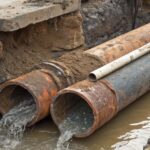
Steps to identify a leak in an underground water pipe
- Published:
- Updated: January 17, 2025
Listen to this article
Summary
Detecting underground water leaks is essential for preventing water waste and ensuring system integrity. The process involves initial assessments, advanced detection techniques, and professional services to accurately locate and repair leaks.
- Initial Assessment: Look for signs like increased water bills, damp spots, reduced water pressure, and the sound of running water.
- Advanced Techniques: Methods include acoustic leak detection, thermal imaging, pressure testing, and tracer gas detection.
- Professional Services: Engage experts for accurate and efficient leak detection, using advanced tools to minimize disruption and repair costs.

Detecting a leak in an underground water pipe is a challenging yet crucial task. Whether you’re an environmental science student seeking to understand water systems or a homeowner facing water quality issues, identifying and addressing leaks promptly is essential. This comprehensive guide explores the methodologies and technologies used in underground water leak detection and offers practical advice on how to approach this complex problem. Early detection not only saves water but also prevents further complications that may arise from prolonged leaks.
Understanding the importance of efficient water management and conservation has never been more critical. As populations grow and climate change affects water availability, safeguarding our water resources is paramount. This guide serves as a valuable resource for anyone looking to deepen their understanding of underground water systems and leak detection, providing a solid foundation for both academic and practical applications. Effective strategies for water management not only involve conserving existing supplies but also enhancing our ability to detect leaks and inefficiencies in underground water systems. Utilizing techniques such as lab test water analysis can provide critical insights into the quality and availability of our water resources, informing better policy decisions and management practices. By embracing these methods, we can ensure a sustainable future that prioritizes water conservation for generations to come.
Understanding the Significance of Leak Detection
Water leak detection is a vital aspect of maintaining water quality standards and ensuring the efficient use of resources. Undetected leaks can lead to significant water loss, increased utility bills, and potential environmental damage. Moreover, leaks may lead to contamination, affecting water quality and posing health risks. Prompt detection and repair are crucial in preventing these negative outcomes and maintaining the integrity of water systems.
Detecting leaks early can also prevent secondary issues such as mold growth and structural damage to buildings. These problems can pose serious health risks and lead to costly repairs if left unaddressed. Understanding the various implications of water leaks underscores the necessity of having robust leak detection systems in place, which can safeguard both public health and the environment.
The Environmental Impact

Leaks contribute to water scarcity by wasting precious resources. They can also cause soil erosion, foundation damage, and harm to surrounding ecosystems. Understanding the environmental impact underscores the importance of timely leak detection and repair. By addressing leaks promptly, we can mitigate these adverse effects and preserve our natural surroundings.
Moreover, unchecked leaks can alter local habitats, affecting plant and animal life that rely on stable water conditions. Changes in soil moisture levels can disrupt the delicate balance of ecosystems, leading to a cascade of environmental consequences. Thus, timely leak detection plays a pivotal role in protecting biodiversity and maintaining ecological harmony.
Economic Considerations
From an economic perspective, leaks can lead to increased operational costs for water utilities and higher bills for consumers. Identifying and repairing leaks promptly can result in substantial cost savings. For utilities, reducing water loss translates to more efficient operations and better service delivery. For consumers, it means avoiding unexpected spikes in water bills, which can be financially burdensome.
Additionally, businesses that rely on water for their operations can suffer from production delays and quality issues if leaks are not addressed. This can have a ripple effect on supply chains and overall market stability. Therefore, investing in leak detection technologies and services not only has immediate financial benefits but also supports long-term economic resilience.
Initial Assessment and Signs of Leakage
Before employing advanced techniques, conduct a preliminary assessment to detect signs of a leak. Here are some indicators that can help you determine if there is an underground water leak:
Unexplained Increase in Water Bills
An unexpected spike in your water bill can be one of the first signs of an underground leak. Compare your current usage with previous months to determine if there’s a significant discrepancy. This method can be particularly useful for identifying slow leaks that might not present visible signs immediately.
In some cases, a sudden increase in water usage might also be attributed to seasonal changes or additional household usage. However, if these factors have remained constant, a significant increase should prompt further investigation into potential leaks.
Damp Spots or Puddles
Look for persistent damp spots or puddles in your yard that cannot be attributed to rainfall or other known sources. Such spots may indicate water surfacing from a leak below. These areas often remain wet long after the surrounding ground has dried, serving as a visual clue to potential leaks.
Additionally, unusual plant growth or lush patches of grass can also indicate excessive moisture from a leak. Observing these changes in your landscape can provide valuable insights into the presence and location of underground water leaks.
Reduced Water Pressure
A noticeable drop in water pressure could suggest a leak in the supply line. Ensure that this reduction is not due to other issues such as clogged pipes or faulty fixtures. Checking multiple fixtures throughout your home can help determine if the pressure issue is localized or indicative of a broader problem.
Low water pressure can also affect the efficiency of appliances and fixtures, leading to increased energy costs and inconvenience. Addressing the root cause of reduced pressure can restore functionality and prevent further complications.
Sound of Running Water
If you hear water running when all fixtures are turned off, it might indicate a leak. This auditory clue can sometimes help pinpoint the location of a leak. Listening carefully in quiet areas of your home can reveal subtle sounds of water movement that might otherwise go unnoticed.
In some cases, these sounds can also be amplified through walls or floors, helping to narrow down the potential source of the leak. Utilizing this simple yet effective method can aid in early detection and minimize damage.
Advanced Leak Detection Techniques
Once you’ve identified potential signs of a leak, employ advanced techniques to locate the source accurately. These methods provide precision and efficiency in detecting underground leaks without causing unnecessary disruption.
Acoustic Leak Detection
Acoustic leak detection involves using specialized equipment to listen for the sound of water escaping from pipes. This method is effective for pinpointing leaks without invasive digging. It is particularly useful in urban areas where traditional excavation methods might be impractical.
Technicians employ sensitive microphones and data analysis software to differentiate between leak sounds and other environmental noise. This approach not only saves time but also reduces the cost and inconvenience associated with exploratory digging.
How It Works
Technicians use ground microphones or listening sticks to detect the sound of water escaping from a pipe. The noise is analyzed to determine the leak’s location. This technology can identify leaks even in noisy environments, making it a versatile tool in leak detection.
By utilizing frequency analysis and advanced filtering techniques, acoustic equipment can isolate the sound of a leak from other ambient noises. This precision enables technicians to accurately locate leaks with minimal disturbance to the surrounding area.
Thermal Imaging
Thermal imaging cameras detect temperature differences caused by water leakage. This non-invasive method is particularly useful for locating leaks under concrete slabs or within walls. It provides a visual representation of temperature variations, helping to identify potential leak sites quickly.
In addition to leak detection, thermal imaging can also be used to assess energy efficiency and identify areas of heat loss in a building. This dual functionality makes it a valuable tool for comprehensive property assessments.
Application
By scanning the area with a thermal camera, technicians can visualize temperature anomalies that may indicate the presence of a leak. This method is effective in diverse environments and can be used on a variety of surfaces, from walls to underground pipes.
Thermal imaging can also detect moisture buildup, which may indicate a slow leak or seepage. By capturing real-time data, technicians can make informed decisions about the most appropriate repair methods.
Pressure Testing
Pressure testing involves isolating a section of the pipe and measuring its pressure. A drop in pressure suggests a leak within that section. This method is particularly effective for confirming suspected leaks and assessing the integrity of pipelines.
Procedure
- Close all outlets and isolate the pipe section.
- Use a pressure gauge to measure initial pressure.
- Monitor pressure levels over time to identify any drop.
The simplicity of pressure testing makes it a popular choice for both residential and commercial applications. It provides a clear indication of potential leaks, allowing for targeted repairs that minimize disruption and cost.
Tracer Gas Detection
In tracer gas detection, a non-toxic gas is introduced into the pipe, and specialized detectors are used to find the gas as it escapes through leaks. This method is highly sensitive and can detect even the smallest leaks.
Steps
- Inject a mixture of hydrogen and nitrogen gas into the pipeline.
- Use a sensor to detect the escaping gas, pinpointing the leak’s location.
Tracer gas detection is particularly effective in complex piping systems where other methods may fall short. Its accuracy and reliability make it a preferred choice for industrial applications and large-scale infrastructure projects.
Engaging Professional Leak Detection Services
While some methods can be performed by knowledgeable individuals, engaging professional leak detection services ensures accuracy and efficiency. Professionals utilize state-of-the-art technology and have the expertise to diagnose and repair leaks effectively. Their experience can also prevent costly mistakes that might occur during DIY attempts.
Choosing the Right Service
When selecting a leak detection service, consider the following:
- Experience and Expertise: Choose a company with a proven track record in underground leak detection. Experienced professionals can quickly identify issues and recommend the most effective solutions.
- Technology and Tools: Ensure the service uses advanced detection technology. Cutting-edge equipment can significantly enhance the accuracy and efficiency of leak detection.
- Customer Reviews: Check reviews and testimonials to gauge customer satisfaction. Positive feedback can provide confidence in the quality and reliability of the service provided.
Opting for professional services can also offer peace of mind, knowing that the issue will be resolved efficiently and with minimal disruption. This investment often leads to long-term savings by preventing further damage and ensuring the integrity of your water system.
Preventive Measures and Maintenance
Regular maintenance and preventive measures can minimize the risk of leaks. Here are some strategies that can help maintain the integrity of your water system and prevent future leaks:
Regular Inspections
Conduct periodic inspections of your plumbing system to identify potential issues before they escalate into significant leaks. Early detection can prevent costly repairs and ensure the ongoing efficiency of your water system.
Regular inspections can also identify wear and tear, enabling timely interventions that extend the lifespan of your plumbing. Establishing a routine inspection schedule can help catch minor issues before they develop into major problems.
Pipe Material and Installation
Ensure that the materials used for your water pipes are of high quality and suitable for the local environment. Proper installation by qualified professionals also reduces leak risks. Investing in quality materials and workmanship pays off in the long run by minimizing maintenance needs and preventing failures.
Consider the specific demands of your environment, such as soil conditions and climate, when selecting pipe materials. Consulting with experts can help choose the best options for durability and performance.
Water Pressure Regulation
Maintain optimal water pressure to prevent stress on pipes, which can lead to leaks over time. Installing pressure regulators can help manage fluctuations and protect your plumbing system.
Monitoring water pressure regularly can also indicate potential problems before they result in leaks. By maintaining stable pressure levels, you reduce the risk of damage and enhance the longevity of your water system.
Conclusion
Underground water leak detection is a complex task that requires a combination of preliminary assessments, advanced technology, and professional expertise. By understanding the signs of leakage and employing the appropriate techniques, you can effectively identify and address leaks, ensuring water quality and resource efficiency. Regular maintenance and proactive measures further safeguard against future leaks, protecting both the environment and your finances.
By following this guide, you can confidently tackle the challenge of underground water leak detection, whether for academic purposes or practical application. Your commitment to maintaining water quality and efficient resource use contributes to a sustainable future. Embracing these practices not only benefits you personally but also supports broader conservation efforts, fostering a healthier planet for generations to come.
Share this on social media:
Facebook
Twitter
LinkedIn

Related Posts