Soft Water for Households: The Benefits of Water Softening Systems
- Published:
- Updated: November 22, 2024
Listen to this article
Summary
Hard water can damage household appliances and impact health. Water softening systems remove minerals, improving water quality, extending appliance lifespan, and reducing energy costs.
- Water softening systems remove excess minerals like calcium and magnesium from household water.
- Benefits include reduced mineral buildup in pipes and appliances, improved soap efficiency, and better tasting drinking water.
- Types of systems include ion exchange, reverse osmosis, and magnetic systems, each with unique benefits and maintenance requirements.

Water is one of the richest natural resources and it’s needed for human habitation. But in most countries the homes are hard-water — and hard water can affect health as well as kitchen appliances. Here’s where water softening systems can help as it is a reliable way to remove the hard water issue. If you choose to have a water softener at home, your water is going to be of a much higher quality and you will have a longer life on your home appliances as well as saving you money.
What is a Water Softening System?
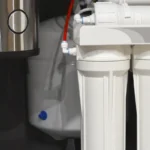
Water softening System: Water softening system is a device that neutralizes minerals and contaminants from household water. These minerals, including calcium and magnesium, can have all sorts of house problems from mineral clogs in pipes and appliances, to the loss of soap and detergent effectiveness, to the quality and smell of drinking water.
Water softeners exchange minerals in the tap water with sodium ions, which are not as problematic as minerals. The result is soft water and household water. These minerals are exchanged using a mechanism called ion exchange and it is the most common type of water softener.
Water softeners are convenient to install and minimal to maintain, so it is an affordable and convenient option for a home that wants to get rid of the hardness of their water.
The Benefits of Water Softening Systems for Households

Water softeners can help households in various ways, and some of them are as follows:
Reduce mineral deposits in pipes and appliances: With hard water, minerals build up inside pipes and appliances and degrade their performance and longevity. This will cost you repair and replacement and more energy use. Taking these minerals out of the water can save you on expensive repairs, as well as maintain the longevity of pipes and appliances.
Boosting the effectiveness of soap and detergent: Hard water makes soap and detergent ineffective, and washing clothes and dishes becomes more difficult. This might mean a waste of water and energy and frustration when trying to get clean and white laundry and dishes. Water softeners can demine these minerals, making soap and detergent work more efficiently, which in turn makes clothes and dishes easier to clean.
Improved drinking water flavor and safty: Hard water can affect the taste and saftiness of the drinking water and makes it unappetising. This causes us to use less water and is also bad for your health as a result of consuming mineral and impurity-rich water. Remove these minerals and your water softener will make your drinking water taste better and healthier to drink, making it more desirable and safe to drink.
Conservation of the environment: By flushing minerals from the water in your home, water softeners can be used to lower the level of minerals released into the environment, thereby conserving the health of the ecosystem. This is for the sake of the planet’s health, and for the sake of future generations being provided with clean, healthy water.
What are the Types of Water Softening Systems?
You can find ion exchange, reverse osmosis, magnetic and many other kinds of water softening systems. The different systems come with different benefits and specific requirements to each household, so choose the system that is ideal for your home.
Most common of these is an ion exchange system that works by replacing minerals in your water with sodium ions. This kind of system is also straightforward to set up and maintain and suitable for all types of households.
Reverse osmosis machines extract minerals and other impurities from water through a semi-permeable membrane. This kind of system is more complex and more difficult to maintain, but it is very efficient at filtering household water of contaminants. Reverse osmosis water treatment systems are perfect for homes that have a lot of minerals and contaminants in their water and they are usually installed with other types of water treatment systems.
Magnetics systems manipulate magnetic fields to change minerals in the water, thus diminishing their impact on pipes and appliances in your home. This is a relatively new type of system that’s not so familiar to everyone as other water softening systems. Yet magnetic systems have a track record of successfully neutralising minerals from home water, and can be an attractive option for households that desire a greener alternative.
Choosing the Right Water Softening System for Your Home
There are several considerations when deciding which water softener should be installed for your home, such as the water quality, the size of the family and your budget. Moreover, the maintenance that each device needs as well as the warranty and support by the company of the product.
A water test from a professional can help you identify the water quality and type in your home and can also help you determine the right water softening system for you. That analysis will generally include tests such as mineral, pH and impurity.
Maintenance and Upkeep of Water Softening Systems
You have to maintain and repair your water softener well in order for it to work at its best. Clean and filter changing every couple of months can extend your system life and performance, but if you are not doing it, your system will not function at its best, and the expenses will increase.
Cleaning the resin tank regularly is one of the most crucial activities in a water softener maintenance. Resin tank is what separates minerals from your home water, and cleaning regularly can eliminate minerals or debris that could be slowing it down. It is very easy to clean the resin tank with a little water and cleaning solution and should be cleaned regularly for proper function.
Besides cleaning the resin tank, change the filters on your water softener at regular intervals as well. Filters clean out household water of contaminants, and changing it often can help make sure that your water is always fresh and healthy. Changing filters is quick and easy, only taking a few minutes, and filter changes are going to be depending on the system you have and the water quality.
Cost and Affordability of Water Softening Systems
The price of water softening systems depends a lot on what kind you need and how big your home is. Systems start from a few hundred dollars for a simple ion exchange system, to several thousand dollars for a high-end reverse osmosis system.
Even though water softening costs money in the beginning, this system can save homeowners a lot of money in the long run. Reducing plumbing and appliances repair and replacement costs and boosting the effectiveness of soap and detergent are ways water softeners save you money in the long run.
Water softeners can be beneficial for household members’ health and welfare by supplying clean, safe, high quality water. This can help save you money on healthcare, as well as quality of life, and the water softener system is a great buy for any home.
Environmental Impact of Water Softening Systems
There are environmental aspects to water softening that can be beneficial and harmful, depending on the system that you decide on and how it is used.
Ion exchange systems, for instance, release excess sodium into the environment, and local ecology and animals can suffer. Reverse osmosis devices, in contrast, do not only prevent the household from generating waste water, they also save water by using less water for cleaning and home-related activities.
Think about the environmental effects of water softening systems when deciding which system is right for your home. If you decide on a green-friendly system, you will ensure the health of local ecosystems and that future generations have healthy water available.
Share this on social media:
Facebook
Twitter
LinkedIn