Safe Swimming: The Role of Water Quality in Public Pool Safety
- Published:
- Updated: January 2, 2025
Listen to this article
Summary
Ensure a safe swim this summer by understanding the crucial role of water quality in public pools:
- Contaminants: Chlorine, bacteria, algae, urine, chemicals, metals.
- Testing: Regular water testing for bacteria, viruses, and chemicals.
- Maintenance: Proper disinfectant levels, pH balance, cleaning, and ventilation for a safe swimming environment.

Dive in the salty waters of public pools this summer knowing you’re protected! If the sun is shining and the weather is warm, everybody loves to swim. And what if those cooling dips are not just about water temperature that’s important to you? You can get a good water quality, and then swim safely and effectively.
Types of Water Contaminants in Public Pools and Their Health Impacts
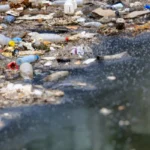
There are many kinds of contaminants that can enter public pools that affect human health. Voicive are some of the most common water contaminants found in public swimming pools:
Chlorine: Chlorine is used to disinfect pools and disinfect bacteria but chlorine can make eyes water, skin irritate, and even trigger respiratory issues.
Infections: Bacteria like Escherichia coli (E. coli) and Cryptosporidium infection cause stomach illness and skin infections.
Algae: Pool algae can be irritating on your skin and eyes, and respiratory tract.
Poop: In pool water, waste products in poop include the formation of harmful by-products like chloramines that cause eye irritation, skin irritation, and respiratory discomfort.
Chemicals: Chemicals such as phthalates used in pool toys and floats can dissolve in pool water causing skin irritation and other health problems.
Metals: Copper, iron, and other metals leach into the pool water due to corrosion of pipes and fittings as well as irritation of the skin and discoloration of hair and clothing.
Water in public pools should be checked regularly and levels of chlorine and other chemicals should be maintained at recommended levels to prevent ill effects from contaminants in the water. You should also shower prior to getting in the pool, never swallow pool water and bring any illnesses to the attention of the pool attendants.
Regular Water Testing for Maintaining Safe Swimming Conditions

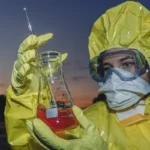
Pool Water Test every week : Pool water testing is necessary to keep the pool water safe for public pool. That includes bacteriological analysis of the water for bacteria, viruses and chemicals to make sure it is healthy. Public pools should be tested at least twice a day, and more frequently if the pool is popular, says the Centers for Disease Control and Prevention (CDC). It’s a way to determine what contaminants have made it into the water and to intervene so disease doesn’t get passed on.
Pool Maintenance Practices for Ensuring Water Quality and Preventing Illness Spread
Swimming pool cleaning helps keep water fresh and free from disease. This involves the right disinfectants (chlorine, pH levels) cleaning the pool and surrounding space frequently, filtering and circulation of the water. Furthermore, pool managers should keep pool members on good hygiene routines like washing their hands before swimming and not sucking pool water.
What is the Impact of Pool Chemicals, Such as Chlorine, on Swimmers and the Environment?
Pool chemicals (chlorine, for example) clean the water and help to keep diseases at bay, but they are also harmful to swimmers and the environment. Chlorine causes irritation, swelling of the eyes and difficulty breathing; bromine can make you rashes and itchy. Moreover, use of such chemicals can lead to the creation of toxic by-products (eg, trihalomethanes) which affect the environment. Understand what impact pool chemicals have on the swimmers and the environment, and act to reduce these impacts.
Why is Proper Pool Ventilation Crucial for Maintaining Air and Water Safety in Swimming Pools?
With the right pool ventilation, you’ll have safe air and water. The air that carries pool chemicals in the air is also less likely to be irritated, thereby leading to respiratory problems and eye irritations. And it also lowers the level of contaminants in the water that can cause infection. Pool managers need to make sure that the pool is well ventilated and that the air-conditioning system is in order.
Role of Pool Management in Ensuring Water Quality and Safe Swimming Environment
Pool maintenance is the most important factor in keeping your water clean and your swimming pools safe. These can be done from pool water testing, to using the right amount of disinfectants, cleaning and maintaining the pool and the surroundings, ventilation, and strict maintenance by the pool users. Pool managers should also know the state and federal regulations and guidelines on public pool water quality, and make sure that the pool meets those requirements. A good and healthy swimming pool is also best maintained with the periodic training of pool staff in water safety and quality.
Steps Individuals Can Take to Stay Safe While Swimming in Public Pools
- Check the water quality: Before getting in the water, make sure the pool is properly maintained and the water is clear. Look for any signs of contamination or cloudy water, which may indicate the presence of harmful bacteria or parasites.
- Shower before entering the pool: Rinsing off with soap and water before entering the pool can help remove any dirt, sweat, or oils from your skin that can contaminate the water.
- Avoid swallowing the water: Swimming in public pools can expose you to various chemicals and contaminants, so it’s best to avoid swallowing the water. If you need to drink water, bring your own bottle and refill it as needed.
- Wear appropriate swimwear: Make sure to wear appropriate swimwear that covers your body, as this can help prevent skin irritation and other health problems that can be caused by exposure to pool chemicals.
- Practice good hygiene: Keep your hands clean by washing them before and after using the pool, and avoid touching your face or eyes while in the water. It’s also important to use the restroom before entering the pool to avoid accidents and reduce the risk of contamination.
- Follow the rules: Always follow the rules and guidelines posted at the pool, such as staying within designated swim areas, not diving in shallow water, and avoiding rough play.
- Watch for signs of illness: If you feel sick or develop symptoms such as nausea, vomiting, diarrhea, or skin rashes after swimming in a public pool, it’s important to seek medical attention right away.
- Stay vigilant: Stay alert and aware of your surroundings while in the pool, and make sure to keep an eye on children at all times. If you notice any signs of trouble, such as someone in distress, report it to a lifeguard or other staff member immediately.
State and Federal Regulations and Guidelines for Public Pool Water Quality
States and federal agencies like the CDC and the Environmental Protection Agency (EPA) have standards and regulations regarding pool water quality for public pools. They make public pools safe and healthy for users. These are all regulations and guidelines, and pool managers should know what they are about and ensure their pool follows them. Having these standards maintained and water tested regularly are critical to keeping the pool clean and safe to swim in.
Share this on social media:
Facebook
Twitter
LinkedIn

Related Posts