Raising Awareness: The Importance of Educating the Public on Water Quality Concerns
- Published:
- Updated: December 16, 2024
Listen to this article
Summary
Water quality concerns, encompassing pollutants from various sources and exacerbated by climate change, pose significant health risks worldwide. Diseases like diarrheal illnesses, typhoid fever, and arsenic poisoning highlight the urgent need for awareness and action. Governments, private organizations, and individuals must collaborate to ensure safe drinking water through regulation, testing, and environmental stewardship.
- Water quality concerns stem from industrial, agricultural, and natural sources, impacting health and ecosystems.
- Collaboration between governments, private organizations, and individuals is crucial for ensuring safe drinking water.
- Climate change exacerbates water quality issues, necessitating proactive measures and community engagement for sustainable solutions.

Clean water is a right, and yet for too many people clean water is a daily battle. From chemical contamination to global warming, the health and wellbeing of millions depends on water quality issues that are escalating in scope. Yet what is actually known about the water crisis that we are living with? We need to educate and get people more educated on water quality.
Understanding Water Quality Concerns: What Are the Issues?
Among the water quality causes can include industrial pollution, agricultural discharge, and even minerals from nature. Chemical contaminants like lead and mercury, as well microorganisms like bacteria and viruses, are some of the most glaring examples. The same climate change affects water quality, with water temperatures, rainfall and the incidence and intensity of natural disasters rising.
You need to learn about all the different types of water quality issues, and what health implications these might have, to educate and address them.
The Health Impacts of Poor Water Quality

Poor water quality can have significant health impacts on individuals and communities. Contaminated water sources can lead to various diseases and health conditions, putting the lives of millions of people at risk. Here are some of the key health impacts of poor water quality:
- Diarrheal diseases: Consuming contaminated water can cause diarrheal diseases such as cholera, dysentery, and rotavirus. These diseases are a leading cause of death for children under five years old in low-income countries.
- Typhoid fever and paratyphoid fever: Caused by the bacteria Salmonella typhi and Salmonella paratyphi, these illnesses can be transmitted through contaminated water and food. Symptoms include high fever, headache, abdominal pain, and constipation or diarrhea.
- Hepatitis A and E: These viral infections affect the liver and can be transmitted through contaminated water or food. Symptoms include jaundice, fever, nausea, vomiting, and abdominal pain.
- Polio: The poliovirus can spread through contaminated water, leading to paralysis and sometimes death. Polio has been largely eradicated through vaccination programs, but it remains a risk in areas with poor water quality and low vaccination coverage.
- Schistosomiasis: Also known as bilharzia, this disease is caused by parasitic flatworms that infect humans through contact with contaminated water. Schistosomiasis can cause abdominal pain, diarrhea, blood in urine or stool, and can lead to chronic health problems if left untreated.
- arsenic poisoning: Long-term exposure to arsenic in drinking water can lead to various health issues, including skin lesions, cancer, cardiovascular disease, and developmental problems in children.
- Fluorosis: High levels of fluoride in drinking water can cause dental and skeletal fluorosis. Dental fluorosis leads to discolored, pitted teeth, while skeletal fluorosis can result in joint pain, stiffness, and bone deformities.
- Lead poisoning: Exposure to high levels of lead in water can cause neurological and developmental problems, particularly in children. Symptoms include developmental delays, learning difficulties, irritability, loss of appetite, and weight loss.
- Neglected tropical diseases (NTDs): Several NTDs, such as guinea worm disease, trachoma, and Buruli ulcer, are associated with poor water quality and lack of sanitation. These diseases can lead to long-term disability and economic hardship.
- Malnutrition: Poor water quality can contribute to malnutrition, as diarrheal diseases can cause nutrient loss and decreased nutrient absorption. Malnutrition can have severe health consequences, particularly for young children and pregnant women.
Improving water quality through infrastructure development, better sanitation practices, and public health initiatives can significantly reduce the incidence of these diseases and improve overall health outcomes.
The Role of Government and Private Organizations in Ensuring Safe Drinking Water
Governments and private organizations play a crucial role in ensuring safe drinking water for communities. Government agencies are responsible for setting and enforcing water quality standards, while private organizations provide water testing and treatment services.
It’s important for governments and private organizations to work together to ensure that water quality standards are being met, and that appropriate measures are in place to address any issues that arise. This includes regular water testing, monitoring of water sources, and implementing effective treatment methods to remove contaminants.
The Importance of Water Testing and Monitoring
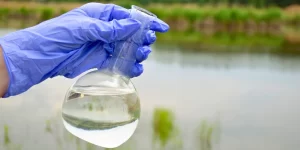
Water testing and monitoring are essential components of ensuring safe drinking water. Regular testing allows authorities to detect and address water quality concerns, while monitoring helps to track changes in water quality over time.
Water testing can be performed by government agencies, private organizations, or even individuals. It’s important to use a reputable water testing laboratory, and to follow recommended testing protocols to ensure accurate results.
The Connection Between Water Quality and Environmental Health
Water quality and environmental health are closely interconnected, as the health of our waterways and water sources directly impacts the quality of the water we drink. Poor water quality can have a damaging impact on the environment, leading to declines in aquatic plant and animal populations, and affecting the overall health of the ecosystem.
It’s important to understand the relationship between water quality and environmental health, as this will help to raise awareness of the need for effective water management and conservation efforts.
The Impact of Climate Change on Water Quality
Climate change is having an increasing impact on water quality, as changing temperatures and rainfall patterns can lead to changes in water quality. For example, warmer water temperatures can lead to increased growth of harmful algae, while changing rainfall patterns can increase the risk of water contamination from agricultural runoff and other pollutants.
In addition, the frequency and severity of natural disasters, such as floods and droughts, are also being impacted by climate change, leading to increased risk of water contamination and disruptions in water supplies.
It’s important for communities to be aware of the potential impacts of climate change on water quality, and to work together to reduce their carbon footprint and support sustainable water management practices.
Community Action: What Can You Do to Raise Awareness and Promote Safe Drinking Water?
Everyone has a role to play in raising awareness and promoting safe drinking water. Here are some simple steps you can take:
- Educate yourself on water quality concerns and the potential health impacts.
- Support water conservation and management efforts in your community.
- Regularly test your own water supply to ensure its safe to drink.
- Speak out about the importance of water quality and the need for continued awareness and action.
- Support organizations working to improve water quality and access to safe drinking water.
By taking these steps, you can help to raise awareness and promote safe drinking water for all.
The Future of Water Quality: Challenges and Opportunities for Improvement
Water quality’s future is far from set, new problems are appearing and old ones are still here. But together and in concert, we can have safe, clean water to drink for future generations.
For the future of water quality, perhaps the greatest uncertainty is climate change, which is predicted to be a big influence on water quality over the next several years. Also future urbanisation, population and re-supply of water will present water management and conservation issues.
There is much that can be done better, however, in addition to these issues – new technology and better use of water. Only together and by focusing on water quality can we guarantee a sustainable future for our water supply.
Share this on social media:
Facebook
Twitter
LinkedIn

Related Posts