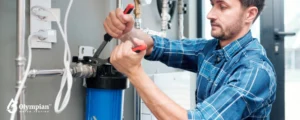
Radon Gas in Air and Water
- Published:
- Updated: December 24, 2024
Listen to this article
Summary
Radon gas is a colorless, odorless radioactive gas that can seep into homes and contaminate both air and water. While naturally occurring, high levels of radon exposure pose significant health risks, including lung cancer.
- Health Risks: Radon is the second leading cause of lung cancer, with prolonged exposure increasing the risk, especially for smokers.
- Testing and Mitigation: Testing for radon in both air and water is essential for detecting harmful levels. Mitigation methods include sub-slab depressurization for air and aeration or filtration systems for water.
- Regulatory Standards: The EPA recommends keeping indoor radon levels below 4 picocuries per liter. Professional radon services are crucial for accurate testing and effective mitigation.

Radon gas is a silent intruder. It’s a colorless, odorless, and tasteless radioactive gas that can seep into our homes and contaminate our air and water.
The presence of radon is more common than you might think. It’s produced naturally from the decay of uranium in soil, rock, and water. This means it can be found almost anywhere.
But why should we be concerned?
Exposure to radon gas is the second leading cause of lung cancer after smoking. It’s a serious health risk that often goes unnoticed until it’s too late.
Testing for radon is the only way to know if your home or building is at risk. It’s a simple and inexpensive step towards ensuring a safe living environment.
In this article, we’ll explore the world of radon gas. We’ll explore its effects on air and water quality, the importance of radon testing, and effective mitigation strategies.
Let’s begin our journey towards a safer, radon-free environment.
Understanding Radon Gas
Radon gas deserves our attention. It’s an invisible threat arising from the natural decay of uranium found in soil, rock, and water. Despite being undetectable without specialized equipment, radon can accumulate indoors, posing a significant health hazard.
This radioactive gas varies greatly depending on location. Homes and buildings, even within the same neighborhood, can experience different radon levels due to unique structural characteristics and geological factors. This variability makes understanding radon essential for homeowners and building managers.
Radon gas infiltrates buildings through tiny cracks in floors, walls, and foundations. It can even enter through spaces around pipes or gaps in suspended floors. Once inside, radon can build up to dangerous levels, particularly in lower areas like basements.
Addressing radon isn’t only about air quality. Water sources, especially those from underground, can also carry radon. When water is used for everyday activities like showering or cooking, radon can escape into the air, contributing further to indoor levels.
Understanding radon is key to managing its risks. Awareness and proactive testing can help maintain healthy environments and prevent long-term health consequences. Equipped with the right knowledge, we can protect ourselves and our communities from this hidden hazard.
What is Radon?

Radon is a radioactive noble gas resulting from uranium’s natural decay found in the earth’s crust. Despite its lack of color, odor, and taste, radon is everywhere. It seeps out of the ground and can accumulate to high levels indoors.
Radon is often found in places with high uranium content, such as certain soils and rocks. This gas migrates upwards through the soil to the air above and can infiltrate buildings. The movement of radon from earth to air is a continuous process due to its radioactive nature.
Once inside homes or buildings, radon can be trapped, leading to elevated levels. Depending on structural and geologic factors, radon presence varies greatly, underscoring the need for individual assessment and awareness.
How Radon Affects Air and Water Quality
Radon primarily affects indoor air quality. When radon enters homes through the ground, it can accumulate to dangerous levels, particularly in poorly ventilated areas like basements. Elevated radon levels contribute significantly to indoor pollution, posing long-term health risks.
In water, radon is often found in private wells and other underground sources. Though radon in water poses a lesser threat than in air, it releases into the air during water use, thus increasing indoor radon levels.
Understanding how radon affects air and water quality is crucial for effective mitigation. Regular testing and the use of specialized systems can significantly reduce the impact of radon on both air and water.
Health Risks Associated with Radon Exposure
Radon exposure is a significant health risk. It is the second leading cause of lung cancer after tobacco smoke. The radioactive particles from radon decay can be inhaled, damaging lung tissue over time.
The health risk from radon is cumulative. Prolonged exposure increases the likelihood of developing lung cancer, especially for smokers. Since radon is invisible, understanding the risks and testing for it are critical steps for prevention.
Notably, radon exposure does not produce immediate symptoms. This lack of early signs makes awareness and regular testing even more vital. Public education and vigilance are essential to mitigate health risks associated with radon.
Radon Testing: The First Step to Safety
Testing for radon is the initial and crucial step towards ensuring a safe environment. It is the only way to detect the presence of this invisible gas. Both DIY kits and professional services offer testing options, each with its own advantages.
Radon testing helps identify potential threats within homes and buildings. Before implementing any mitigation strategy, it is important to measure radon levels accurately. Performing these tests regularly is key, as radon levels can fluctuate with seasonal changes.
When planning radon testing, focus on areas of the home that are in constant use, such as basements or ground floors. The testing process can involve different methods tailored to either short-term or long-term assessments, depending on your needs.
Key benefits of radon testing include:
- Identifying health risks early.
- Ensuring compliance with safety standards.
- Increasing property value through documented safety measures.
By conducting regular radon tests, you take proactive steps to safeguard your living space and peace of mind.
Testing for Radon in Air
Testing radon levels in air is essential for indoor safety. It involves placing a radon test device in the lowest livable area of your home. This area is most susceptible to radon buildup due to its proximity to the ground.
Short-term tests provide quick insights, usually covering a span of 2 to 90 days. These tests are convenient for initial assessments or when time is limited. However, long-term tests, lasting more than 90 days, offer more accurate average radon levels over time and are recommended for a comprehensive analysis.
DIY test kits are accessible and affordable but may lack accuracy. To ensure precise results, consider hiring certified professionals. They bring expertise and reliability, which are critical to making informed decisions about radon mitigation.
Testing for Radon in Water
Water testing for radon is particularly important for homes using private wells. Radon can dissolve in groundwater, posing a risk when this water is used indoors. Testing determines whether radon is present at levels needing intervention.
Testing for radon in water involves collecting samples and sending them to a certified laboratory. This process ensures accurate results, as specialized equipment is required. By understanding waterborne radon levels, you can assess the risk it poses to indoor air quality.
Consider testing water for radon if you rely on a private well and reside in a region with high radon potential. Even municipal water sources can occasionally carry radon, so awareness and testing remain crucial. Regular water testing contributes to a comprehensive strategy for maintaining safe radon levels.
Radon Mitigation Strategies
Addressing radon issues requires effective mitigation strategies tailored to specific environments. The goal is to reduce radon levels below recommended safety thresholds. Proper mitigation protects health and enhances indoor air quality.
Each building presents unique challenges, requiring customized mitigation techniques. These strategies often involve enhancing ventilation and sealing entry points for radon. Professional assessment aids in selecting the most appropriate method.
Mitigation not only ensures compliance with safety standards but also adds value to properties. An investment in radon reduction is an investment in health, providing long-term peace of mind for occupants.
Mitigating Radon in Air
To tackle radon in air, one prevalent method is sub-slab depressurization. This involves installing pipes and a fan system to draw radon from beneath a building and vent it safely outside. It’s effective, discreet, and minimizes indoor radon levels significantly.
Ensuring proper ventilation is another key aspect. Opening windows or using fans can dilute radon concentrations in poorly ventilated areas. Enhancing air circulation helps prevent radon buildup, particularly in basements and lower floors.
Sealing cracks in foundations and walls reduces entry points for radon. Although it complements other techniques, sealing alone is often insufficient. Combining methods ensures comprehensive mitigation, addressing various radon entry pathways.
Mitigating Radon in Water
Radon in water poses challenges but can be mitigated effectively through aeration and filtration. Aeration systems release radon gas by agitating water, allowing radon to escape before the water enters the home.
Activated carbon filters offer another solution. They trap radon particles as water passes through, reducing radon concentration. However, regular maintenance of these systems is crucial for continued effectiveness.
Choosing between aeration and filtration depends on water usage, radon levels, and system feasibility. Consulting with professionals ensures proper installation and ongoing maintenance, providing a tailored approach to maintaining safe radon levels in your water supply.
Regulatory Standards and Professional Assistance
Regulatory standards play a crucial role in managing radon gas risks. Both the EPA and WHO set benchmarks for acceptable radon levels. These guidelines aim to protect public health and reduce lung cancer risks associated with radon exposure.
Adhering to these standards requires regular radon testing and, if necessary, implementing mitigation solutions. Compliance not only ensures safety but also aligns with legal requirements in many regions. Understanding these regulations helps in taking appropriate actions when radon levels exceed recommended limits.
Navigating the complexities of radon mitigation can be challenging. Professional assistance offers expertise and assurance. Certified radon professionals have the skills to design and install effective systems. Their experience ensures that mitigation efforts are not only effective but also compliant with regulations.
Understanding EPA and WHO Guidelines
The EPA recommends keeping radon levels below 4 picocuries per liter in homes. This guideline serves as a crucial action level. The WHO advises an even lower threshold of 2.7 pCi/L, emphasizing prevention for better health outcomes.
These guidelines help individuals assess and manage radon risks effectively. Understanding and adhering to them is essential for creating a safe living environment.
When to Seek Professional Radon Services
Seeking professional radon services is advisable when testing reveals high radon levels. They offer precise evaluation and custom mitigation strategies. Certified experts provide installation and maintenance, ensuring long-term effectiveness and compliance.
Additionally, during real estate transactions, professional testing and remediation can aid in addressing potential buyer concerns. Engaging experts guarantees a thorough and reliable radon mitigation process.
Conclusion: The Importance of Addressing Radon Gas
Addressing radon gas is vital for health and safety. It prevents lung cancer and ensures a safe indoor environment. Proper testing and mitigation help manage these risks effectively.
Taking action against radon exposure is not just a precaution but a necessary measure. Protecting occupants and ensuring compliance with health standards is paramount for safeguarding well-being.
Share this on social media:
Facebook
Twitter
LinkedIn

Related Posts