Purifying the Facts: Pros and Cons of Water Purification Methods
- Published:
- Updated: January 2, 2025
Listen to this article
Summary
Water purification methods vary in their effectiveness, convenience, and cost. Boiling is simple and eliminates bacteria and viruses but doesn’t remove chemicals or metals and requires a heat source. Filtration effectively removes impurities but can be costly and may require maintenance. Chemical treatment is affordable and accessible but can leave a bad taste and doesn’t remove chemicals. Ultraviolet light treatment is efficient but requires electricity and doesn’t remove other contaminants. Reverse osmosis is highly effective but expensive and wastes water. The best method depends on individual needs, considering factors like impurities, quantity of water, and budget. Regular water testing is crucial, and home filtration systems offer benefits like clean water and peace of mind. Choose a method that suits your needs for safe, clean drinking water.

Water should be clean and safe for humans, and as water sources are getting increasingly polluted, it’s important to purify water before drinking it. Yet not all water purification processes are created equal. These methods are all good and bad and you should know the good and bad to decide which water filtration system will work best for you.
What is Water Purification?
Water purification is a necessary process that removes the chemicals, bacteria and viruses from water in order to consume, cook and for other home uses. The purpose of water filtration is to offer purified and safe drinking water that is certified as per certain standards and regulations. Water purification has its pros and cons, from reverse osmosis, ultraviolet light, chemical treatment, filtration to boiling. It is also a matter of what sort and quantity of contaminants are present, how much water needs to be cleaned, and what resources and infrastructure are available. Clean water – Water purification must work to safeguard human health and offer access to clean drinking water.
Why is Water Purification Important?

The lifeblood of humanity is water, but it’s liable to bring illness too, if it’s poisoned. — Contaminated water might have bacteria, viruses, chemicals, and heavy metals. Drowsy diarrhoea, cholera and typhoid are diseases one can contract by drinking untreated water.
We need water treatment to make our drinking water safe and clean, to keep our public health protected, and to save the planet. It’s an integral part of international work on public health and decreasing the prevalence of waterborne diseases.
Types of Water Purification Methods
There are a lot of water purification processes, all have their pros and cons. Most widespread are boiling, filtration, chemical, UV, and reverse osmosis.
Boiling: Boiling is a very simple and effective way to boil water. By boiling water for a minimum of one minute you get rid of bacteria, viruses, and other pathogens. This is fast and does not involve special equipment, so you can try it if you have a heat source nearby and you want to purify a little water in a hurry. However, boiling has some limitations. It doesn’t purify water of chemicals or heavy metals, and it’s not practical for much water. Boiling also needs to be made with a source of heat, which may not always be present.
Filtration: A most popular water purification process is filtration by using ceramic or activated carbon or other types of filters to filter contaminants from water. The filters can be programmed to concentrate on a specific type of contamination or a specific class of impurities. Water is filtered to remove chemicals, bacteria and viruses. It’s also a portable and easy to carry around in your bag or even on your patio, and can come in various shapes and sizes to suit different applications. But there are some downsides to filtration too. Not all filters remove all contaminants, and you can spend a lot of money buying and maintaining filters. There are also filters that you need to regularly clean and replace, which can add a cost.Top of Form
Chemical Treatment: Chemical treatment is a water treatment process in which chemicals like chlorine, iodine are used to destroy bacteria and viruses. It’s typically used when you’re in a situation where others can’t. The chemical treatment is convenient and it kills the microorganisms that are toxic in water. Not only that, it is also inexpensive and readily available, thus putting it within reach of all individuals. But chemical cure is not perfect. It doesn’t clean water of chemicals or heavy metals, and chemicals can make the water taste bad. Moreover, in the wrong chemicals used in chemical treatments, these are toxic.
Ultraviolet Light Treatment: Ultraviolet (UV) light treatment is a water treatment process in which bacteria and viruses are killed by UV light. This is an easy and effective way to kill the bad microbes in water. The second plus of UV light treatment is that it doesn’t change the water in any way — you won’t have to worry about chemicals in the end-product which can’t be used in food. But even this approach has some caveats. UV light therapy needs electricity and a UV lamp (not always). It also can’t get chemicals or heavy metals out of water. Purchase and upkeep for a UV light system is expensive, too.
Reverse Osmosis: Reverse osmosis, water purification technique which uses semipermeable membrane to remove impurities from water. It works excellently in a clean wash for chemicals, bacteria, and viruses. This is one advantage of reverse osmosis because it doesn’t add any chemicals to the water, which means clean, safe water. It also tastes water better as a result. But reverse osmosis isn’t without its downsides: It’s costly, it takes specialised equipment, and it wastes a lot of water. It is also sometimes not able to get rid of every trace of contaminants.
What is the Best Water Purification Method?
The right water purification system for you depends on your specific situation and requirement. Among the things to consider while choosing water purification solution, is what kind of contaminants you need to eliminate, how much water you require to purify, and your budget.
If you, for instance, want to filter out large quantities of water for use at home, then reverse osmosis or filtration may be the way to go. Whether you’re on the road or camping and want something you can take with you, a filtration bottle or chemical treatment might work for you.
The most important thing, after all, is to select a water treatment method that works for you and offers you healthy drinking water.
The Importance of Regular Water Testing
The best way to make sure your water doesn’t have harmful contaminants is to test your water frequently. Also make sure to check your water regularly if you’re also running a water treatment system, to be sure that the machine is operating properly and is filtering impurities properly. There are multiple kinds of water tests: bacterial, virus, chemical, heavy metal, etc. You can buy water testing kits or have your water tested by a professional laboratory.
The Benefits of a Home Water Filtration System
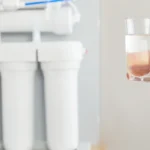
A home water filtration system can be used for everything from clean and safe water to improved taste and smell and also the security that you can have knowing that your water is not contaminated with harmful elements. There are several home water filtration systems like whole-house filtration system, under-sink filtration system and countertop filtration system. Choose a system that is right for you and your wallet.
Share this on social media:
Facebook
Twitter
LinkedIn