Protecting Your Family from Lead in Drinking Water: A Practical Guide
- Published:
- Updated: January 6, 2025
Listen to this article
Summary
- Lead in drinking water harms children and adults, causing developmental delays and health problems.
- Common sources include lead pipes, fixtures, and service lines.
- Test your water and consider certified filters, flushing, cold water use, and replacement.

Safeguarding your family from the dangers of lead in drinking water becomes a paramount concern in ensuring their health and well-being. With the potential risks posed by lead exposure, it is crucial to take proactive measures to protect your loved ones. By understanding the sources of lead contamination, implementing properdomestic water testing services and filtration methods, and staying informed about regulatory guidelines, you can create a safe and secure drinking water environment, providing peace of mind for your family’s long-term health.
Understanding the Dangers of Lead
Lead, a naturally occurring metal, has been used in a range of industries for centuries. Despite its usefulness, lead is a toxic substance that poses severe health risks when consumed or inhaled, particularly for children and pregnant women. When ingested, lead can lead to developmental delays, cognitive problems, and other health complications in children. Pregnant women exposed to lead can face increased risks of miscarriage and developmental issues in their unborn children.
In adults, lead exposure can result in increased blood pressure, kidney problems, and cognitive dysfunction. It’s essential to understand these risks, as lead can often lurk unnoticed in our environment, especially in our drinking water.
What are the common sources of lead contamination in drinking water?
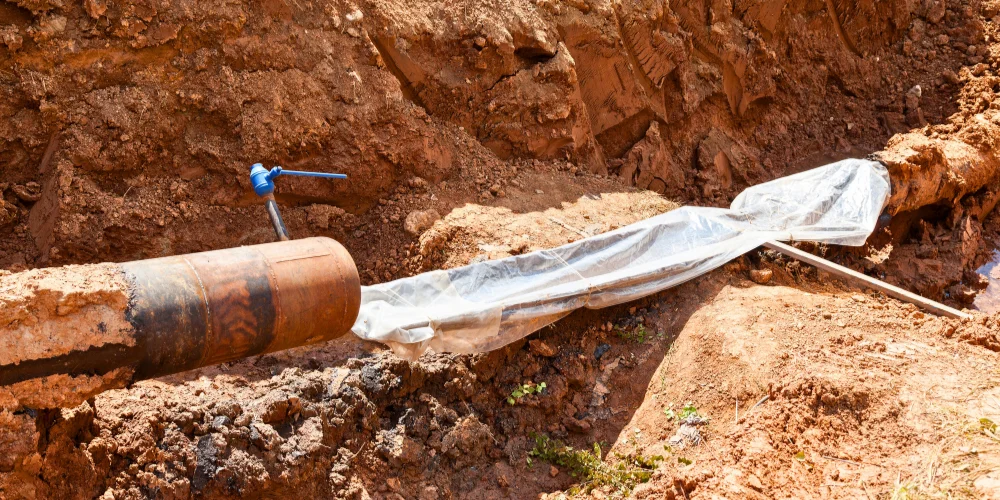
In most cases, the primary source of lead in your home’s drinking water is through corrosion of older household plumbing systems, fixtures, and the solder that connects them. When lead-soldered pipes or brass fixtures corrode, lead particles can leach into the water flowing through them. This is particularly true for homes built before the 1980s, when the use of lead in plumbing was more common.
Additionally, some homes may be connected to the main water line via a lead service line. If this is the case, even if your home’s plumbing is lead-free, lead may still be present in your drinking water. Being aware of these potential sources can help guide your actions in testing and mitigating lead in your water.
How to Test Your Water for Lead
If you suspect your water may contain lead, testing is a crucial first step. Many companies offer at-home lead testing kits, which can provide an initial screening of your water quality. These kits usually involve collecting a water sample and sending it off to a lab for analysis. However, ensure that the testing kit is certified for lead testing for accuracy.
Alternatively, you can hire a professional to conduct a more comprehensive water quality test. This is particularly recommended if you live in an older home, have noticed signs of corrosion in your plumbing, or if a member of your household is pregnant, planning to become pregnant, or is under six years old.
Understanding Your Water Test Results
Once you’ve had your water tested, understanding the results is vital. In the U.S., the Environmental Protection Agency (EPA) has set the lead action level at 15 parts per billion (ppb). If your water tests at or above this level, action should be taken immediately to reduce lead exposure.
However, it’s essential to know that no level of lead exposure is considered entirely safe. Therefore, even if your water tests below this level, if the presence of lead is detected, it’s wise to consider ways of reducing this exposure.
What are some effective solutions for reducing lead exposure in various environments?
If you find that your water contains lead, don’t panic. There are several steps you can take to reduce your family’s exposure:
- Water filters: Consider investing in a water filter certified to remove lead. Remember to maintain the filter according to the manufacturer’s instructions to ensure its effectiveness.
- Flushing your pipes: If your water hasn’t been used for several hours, run your tap for one to two minutes before using the water for drinking or cooking. This flushes out any water that may have been sitting in your pipes and potentially leaching lead.
- Using cold water for consumption: Always use cold water for drinking, cooking, and preparing baby formula. Hot water can leach more lead from your pipes.
Replacing Lead Pipes and Fixtures
Replace lead pipes or fixtures if you’ve got lead in your home. This isn’t a small project, especially if your service line contains lead, but it’s the best long-term lead reduction solution. Begin by calling your local water company or a professional plumber to determine if your water main or your home plumbing are lead-containing.
Having your lead pipes and fixtures replaced should be done by professionals so that it can be done safely and correctly. Remember that any home repairs or remodeling can make your house polluted with lead dust, so only hire lead-safe contractor to work on your home.
Lead in Schools and Childcare Facilities
Your home water is great, but your child’s schools and daycares should also have lead. There may be older facilities where there are still lead pipes or fixtures and the children could get harmed.
Ask the parents about their school and daycare water testing services policies and if they have taken measures to reduce the lead levels. This is one way to take action and demand routine water quality testing and if necessary, require the fix when it comes to children exposed to lead outside the home.
Staying Informed and Advocacy
You need to know about local water quality and whether there are lead problems in your neighborhood if you want to ensure your family’s safety. Read your local water quality report (water companies in the United States are required to send customers a report every year).
If you have a fear of lead in your local water supply, don’t be afraid to promote healthier water standards. Perhaps this means going to your local council meetings, or becoming or creating a water safety community group, or petitioning your city and state legislators to do something about policy.
Share this on social media:
Facebook
Twitter
LinkedIn

Related Posts