Understanding the Risks of Lead in Drinking Water
Lead contamination in drinking water poses a significant threat, affecting vulnerable groups like pregnant women and young children. Exposure to lead can lead to developmental delays, learning difficulties, and behavioral problems. The U.S. Environmental Protection Agency (EPA) has set the maximum contaminant level goal for lead at zero. This reflects the toxic nature of lead, which can accumulate in the body over time.
Recent data shows that lead service lines are found in about 6.1 million homes across the United States. Homes built before 1986 are at a higher risk due to the use of lead-soldered joints before the Safe Drinking Water Act mandate. The table below highlights the extent of lead contamination in drinking water:
| Statistic | Value |
|---|---|
| Homes with lead service lines in the U.S. | 6.1 million |
| Homes built before 1986 with possible lead-soldered joints | Significant portion |
| EPA action level for lead in drinking water | 15 parts per billion (ppb) |
| Homes exceeding EPA action level with lead service lines | Approximately 10% |
The Washington, D.C. lead crisis in 2001 and the Flint, Michigan water crisis are stark reminders of the dangers of lead contamination. In some cases, lead levels have reached as high as 300 ppb and 6,000 ppb. The EPA’s Lead and Copper Rule (LCR) from 1991 and its revisions in 2021 aim to address these risks. Utilities are now required to identify and mitigate lead sources in service lines to ensure safe drinking water.
"Lead exposure can cause serious health issues, mainly for pregnant women and young children, making it critical to monitor lead levels in drinking water." – U.S. Environmental Protection Agency
Despite a decline in environmental lead levels due to U.S. regulations, ongoing vigilance is essential. The EPA offers educational resources and a sampling and testing program for schools and childcare facilities. This program aims to reduce childhood lead risk, underscoring the need to continually address lead contamination in drinking water.
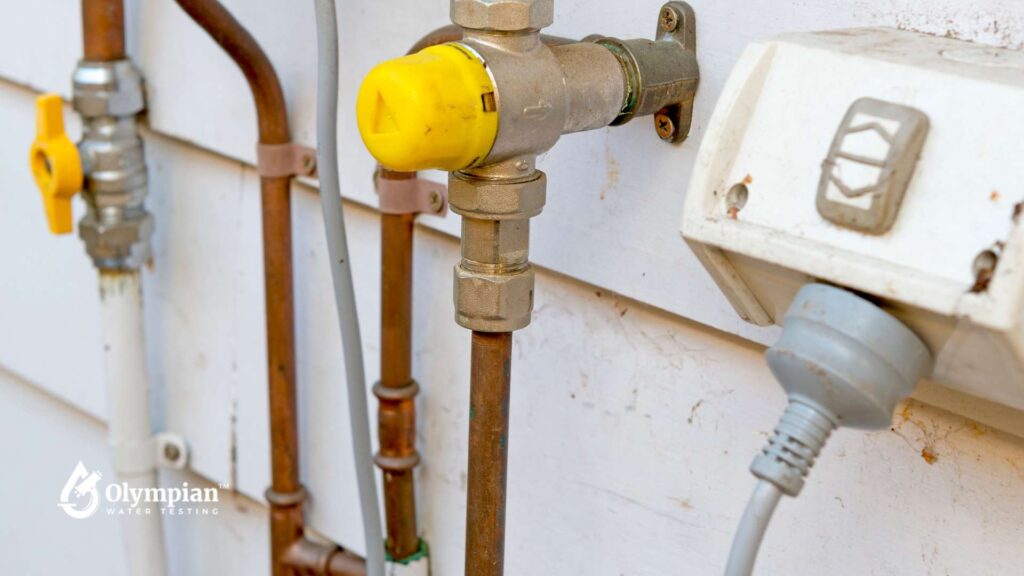
Common Sources of Lead in Household Plumbing
Lead contamination in drinking water is a major concern in the United States. The Environmental Protection Agency (EPA) has set the Maximum Contaminant Level Goal (MCLG) for lead at 0. This indicates that no level of lead is considered safe. Various sources in household plumbing systems can lead to elevated lead levels in tap water.
Lead service lines (LSLs) are a common source of lead. These pipes connect a home’s internal plumbing to the main water line. By January 2024, the EPA estimates 9.2 million LSLs are in use. A 2021 National Resource Defense Council (NRDC) survey suggests this number could be over 12 million. Homes built before 1988 are more likely to have lead service lines and other lead-containing components.

Brass or Chrome-Plated Brass Faucets and Fixtures
Brass or chrome-plated brass faucets and fixtures also contribute to lead contamination. Many of these fixtures, made before 2014, contain lead that can leach into water. This is true for fixtures not certified as "lead-free" under the Safe Drinking Water Act.
Lead Solder in Plumbing Joints
Lead solder is another source of lead in plumbing. It was used to join copper pipes before 1986. Even though lead solder was banned, it may remain in older homes. Water with a pH below 6.5 can increase the risk of lead leaching from solder joints into drinking water.
| Lead Source | Prevalence | Potential Impact |
|---|---|---|
| Lead Service Lines | 9.2-12 million homes | Significant contributor to lead in drinking water |
| Brass or Chrome-Plated Brass Faucets | Common in homes built before 2014 | Can leach lead into drinking water |
| Lead Solder in Plumbing Joints | Widely used before 1986 | Can leach lead into drinking water, with low pH levels |
To reduce lead exposure, it’s vital to identify and address lead sources in plumbing. This includes testing for lead, replacing lead service lines and fixtures, and using proper flushing techniques. Understanding lead sources and taking proactive steps can protect your family from lead’s harmful effects.
Health Effects of Lead Exposure on Infants and Young Children
Lead exposure is a significant threat to infants and young children, potentially causing severe and lasting health issues. In 2021, it was linked to over 1.5 million deaths globally, mainly due to heart problems. It also resulted in more than 33 million years lost to disability worldwide that year. Children are more susceptible to lead, as they can absorb up to 4–5 times more than adults from the same dose.
Even small amounts of lead can harm children’s health. Blood lead levels as low as 3.5 µg/dL can lead to lower intelligence, behavioral issues, and learning problems. As blood lead levels rise, so do the health risks and developmental delays. It’s critical to understand that no safe blood lead level has been found for young children.
Developmental Delays and Learning Difficulties
Lead can severely harm a child’s brain and nervous system, causing developmental and learning issues. Infants and young children exposed to lead may see reduced cognitive abilities, lower IQs, and poor language skills. These effects can significantly impact a child’s academic performance and future success.

Behavioral Problems
Lead exposure also leads to behavioral problems in children. These include hyperactivity, impulsivity, and attention deficits. Such issues can make it hard for children to learn and socialize, affecting their academic and personal lives.
Increased Risk of Health Issues Later in Life
The effects of lead exposure in early childhood can last into adulthood, raising the risk of various health problems. Research shows a link between childhood lead exposure and increased risks of heart disease, kidney issues, and reproductive problems. Children who survive severe lead poisoning may face permanent intellectual disabilities and behavioral disorders.
Parents and caregivers must be aware of lead sources and take steps to protect young children. Regular lead testing in the environment and children’s blood is key for early detection and treatment. By reducing lead exposure and providing timely care, we can protect the health and future of our children.
Identifying Potencial Lead Sources in Your Home
Protecting your family from lead exposure begins with identifying lead sources in your home. Lead-based paint and contaminated soil are well-known risks. Yet, your household plumbing can also introduce lead into your drinking water. Homes built before 1986 are more likely to have lead in their plumbing systems. This is because there were no limits on lead content in plumbing materials before that year.
To determine if your home is at risk for lead contamination, consider several factors:
- Age of your home and plumbing system
- Presence of lead pipes, fixtures, or solder
- Corrosivity of your water supply
In Pennsylvania, a study found that about 67% of over 6,000 tested water samples from private wells were potentially corrosive. Corrosive water can cause lead to leach from plumbing materials into your drinking water. A survey conducted in 2006 and 2007 showed that 12% of private water supplies contained lead levels exceeding the Environmental Protection Agency’s (EPA) action level of 15 µg/L.
| Year | Definition of "Lead-Free" Plumbing |
|---|---|
| Before 1986 | No limits on lead content |
| 1986 | Up to 8% lead by weight allowed |
| 2014 | Maximum of 0.25% lead by weight |
To identify and assess your home’s risk, consider home lead testing. Contact your local water authority or a certified laboratory to test your water for lead. Testing costs range from $15 to $100. If lead is detected, you may need to invest in treatment solutions like reverse osmosis units or acid-neutralizing filters. These can cost several hundred to over a thousand dollars.
By proactively identifying and addressing lead sources through lead source identification and home lead testing, you can ensure your family’s safety and well-being.
Contacting Your Local Water Authority for Testing and Information
Ensuring your baby’s drinking water is safe is a top priority. If you think your plumbing might contain lead, contacting your local water authority is a must. They can offer valuable insights and help with testing your water for lead contamination.
The U.S. Environmental Protection Agency (EPA) warns that lead in drinking water can be a significant source of exposure. Children under six are at the highest risk, facing permanent cognitive damage and hyperactivity from even low levels of lead. The U.S. is home to approximately 6 million lead service lines, affecting 15 to 22 million people.
Requesting Water Testing
Many public water systems will test your drinking water if you ask. Reach out to your local water authority to learn about their testing methods and any costs involved. They might offer testing kits or send a technician to collect samples from your taps. It’s important to follow their instructions precisely for accurate results.
For lead testing, samples are taken after the water has sat in the pipes for at least twelve hours. This method provides a more accurate reading of lead levels, as they are highest after prolonged contact with lead pipes.
Inquiring About Lead Service Line Replacement Programs
Also, ask your local water authority if your home has lead service lines. If yes, find out about any programs to help replace them. The Lead and Copper Rule of 1991 has reduced LSLs by about 40%. Yet, homes built before 1986 are more likely to have lead lines, fixtures, and solder.
Some cities offer programs to help homeowners replace lead service lines. Your local water authority can inform you about these programs and guide you through the application process.
Collaborating with your local water authority is key to safeguarding your baby’s drinking water. Regular water testing and replacing any lead service lines are essential for your family’s health and safety.
Flushing Tap Water to Reduce Lead Exposure
Flushing your tap water is a key strategy to lower lead exposure, more so in older homes built before 1987. This is because lead was widely used in plumbing back then. Running the tap before drinking or cooking can greatly reduce lead contamination risks.
In New York City, the water from upstate reservoirs is nearly lead-free. Yet, older homes might have lead pipes and fixtures. Homeowners must take charge of their water service lines to prevent lead exposure. Morning tap flushing for 1 to 2 minutes can bring in fresh water, reducing overnight lead buildup.
Flushing Techniques for Different Plumbing Systems
The flushing method varies based on your home’s plumbing setup. For homes without lead lines, a 15 to 30-second flush is usually enough. But, if your home has lead lines, flushing for up to a minute is necessary to ensure fresh water from the main supply.
Optimal Flushing Times
Identifying the right flushing time for your home involves watching the water temperature. Flush until the water cools significantly, showing you’ve pulled in fresh water. This usually takes:
- 15-30 seconds for homes without lead service lines
- Up to one minute for homes with lead service lines
Conserving Water During Flushing
Flushing taps is vital for reducing lead, but conserving water is also important. To avoid wasting water, use the flushed water for other tasks, like:
- Washing dishes
- Watering plants
- Cleaning floors or outdoor spaces
By reusing the flushed water, you can balance lead reduction with water conservation.
Using Cold Water for Drinking and Cooking
Preparing food and beverages for infants and young children requires cold water to avoid lead exposure. Lead dissolves more in hot water, making cold tap water essential. If hot water is needed, use the cold tap and then heat it.
Studies indicate that running the tap for 30 seconds to 2 minutes before use can significantly reduce lead levels. This method can lower lead levels by up to 90%. Boiling water, on the other hand, does not reduce lead levels and can even concentrate it as water evaporates.
| Water Usage | Recommended Water Source | Flushing Time |
|---|---|---|
| Drinking | Cold tap | 30 seconds to 2 minutes |
| Cooking | Cold tap | 30 seconds to 2 minutes |
| Baby formula preparation | Cold tap | 30 seconds to 2 minutes |
To reduce cold water usage and lead dissolution, run the tap for 15-30 seconds until it’s cold. This typically uses less than one gallon of water. Cleaning faucet aerators regularly can also help, as they trap lead particles.
The EPA estimates that 10 to 20 percent of human exposure to lead may come from lead in drinking water.
By adhering to these guidelines and using cold water, families can greatly reduce lead exposure from tap water. This ensures a safer and healthier home environment for everyone.
Avoiding Hot Water Taps for Baby Formula Preparation
Preparing baby formula requires careful steps to protect your baby’s health. It’s vital to avoid using hot water from the tap. Hot tap water can have high levels of lead, which is harmful to your baby.
Lead in drinking water can reach up to 60% in infants who drink liquids made with contaminated water. Even small amounts of lead can harm a child’s development. It can lower IQ and cause behavioral issues. Children are more vulnerable to lead, making it critical to reduce their exposure.
To prepare baby formula safely, use cold water from the tap and heat it as needed. This simple action greatly reduces the risk of lead exposure. By heating the water separately, you ensure a safe and healthy meal for your baby.
Be mindful of other lead sources in your home as well. These include:
- Homes built before 1986 with lead pipes or fixtures
- Brass or chrome-plated brass faucets and fixtures
- Solder with lead used to join copper pipes
If you think your home has lead sources, contact your local water authority. They can test your water and provide information on replacing lead service lines. By staying informed and proactive, you can ensure your baby gets the safest nutrition during their development.
Regularly Cleaning Faucet Aerators
Faucet aerator cleaning is a simple yet effective way to reduce lead exposure in your drinking water. Over time, lead particles from plumbing fixtures can accumulate in the aerator. This can increase the concentration of lead in the water you use for drinking and cooking. Regularly removing and cleaning your faucet aerators can help minimize the risk of lead exposure.
The U.S. Environmental Protection Agency (EPA) recommends cleaning your faucet aerators periodically. This is to remove any loose debris, such as lead solder or particles, that may have collected in the screen. This simple maintenance task can be performed every few months. Or more frequently if you live in an older home with lead plumbing components.
To clean your faucet aerator, start by unscrewing the aerator from the end of the faucet. If it’s difficult to remove by hand, use pliers to gently loosen it. Once removed, carefully disassemble the aerator and rinse each component under running water. Use a small brush, such as an old toothbrush, to scrub away any debris or buildup. Pay special attention to the screen, as this is where most particles tend to collect.
After thoroughly cleaning each component, reassemble the aerator and screw it back onto the faucet. Run the water for 3-5 minutes to flush out any remaining debris. This ensures that the aerator is functioning properly. By incorporating this simple cleaning task into your regular home maintenance routine, you can help reduce the risk of lead exposure. This promotes a safer, healthier drinking water supply for your family.
Remember, while cleaning faucet aerators is an important step in reducing lead exposure, it should be done in conjunction with other preventive measures. Use cold water for drinking and cooking, flush your pipes before use, and consider the installation of certified water filters designed for lead removal.
Considering Alternative Water Sources for Baby Formula
Preparing baby formula requires careful consideration to avoid lead exposure, a significant concern if your home has lead service lines. The EPA warns that up to 20% of lead exposure comes from drinking water. Infants, who mostly consume formula, can get up to 60% of their lead from water, highlighting the need for safe alternatives.
To safeguard your baby’s health, explore alternative water sources. Bottled water and filtered water from certified systems are viable options.
Bottled Water
Bottled water can be a safer choice than tap water for formula preparation. It’s vital to select a reputable brand and verify that the water has been tested for lead and contaminants. Opt for brands that adhere to strict quality standards and regularly test their water sources.
Filtered Water
Filtered water from a system certified by an independent testing body is another safe option. Various filtration systems exist, each with different lead removal capabilities:
| Filtration System | Effectiveness in Reducing Lead |
|---|---|
| Reverse Osmosis | High |
| Distillation | High |
| Activated Carbon Filters | Moderate to High |
| Ion Exchange Filters | Moderate |
When selecting a filtration system, ensure it’s certified by the National Sanitation Foundation (NSF) or another trusted third-party. These certifications confirm the system’s effectiveness in removing lead and contaminants.
Choosing bottled water or filtered water from a certified system can greatly reduce lead exposure risks. This ensures a safer and healthier start for your child.
Risks with Lead Soldered Tap Water
Homes constructed before 1986 are more likely to have lead-soldered plumbing. This can lead to the introduction of lead particles into the tap water. Lead exposure, whether through drinking or cooking, poses a significant risk, mainly for infants and young children. Even low levels of lead can lead to decreased IQ, attention span issues, and exacerbated learning and behavioral problems in children.
Adults exposed to lead may face increased risks of heart disease, high blood pressure, kidney, or nervous system problems. Identifying and mitigating lead sources in your home is critical. Boiling water does not eliminate lead, and whole house filters may not effectively remove lead at the tap. This can lead to bacterial and fungal growth.
| Source of Lead | Potential Risk |
|---|---|
| Lead pipes or solder | High |
| Brass or bronze faucets and fixtures | Moderate to High |
| Copper service lines (homes built after 1950) | Low to Moderate |
Regular tap water testing is vital to monitor lead treatment effectiveness. If you suspect lead soldered plumbing risks in your home, contact your local water authority. They can provide testing and information on lead service line replacement programs. In the meantime, flush your tap water before use and use cold water for drinking and cooking to reduce lead exposure.
Testing Children for Lead Exposure
Lead exposure can severely harm children, leading to learning and behavioral issues, lower IQ, and hyperactivity. It can also cause slowed growth and hearing and speech problems. As lead builds up in the body, its effects can become permanent. Early detection is key. If you suspect your child has been exposed to lead, contact your healthcare provider immediately.
Many children and adults exposed to lead show no symptoms, making testing the only way to confirm exposure. In the U.S., children under six are at the highest risk of lead poisoning. Healthcare providers must assess children aged 6 months to 6 years for lead exposure risk annually. This is mandated by state public health laws and regulations.
When to Contact a Healthcare Provider
If you live in a pre-1988 home or an area with known lead service lines, discuss child lead testing with your healthcare provider. They will assess your child’s risk factors and decide if a blood lead test is needed. They will also recommend the next steps.

Blood Lead Tests
A blood lead test is the most accurate way to detect lead exposure in children. It’s recommended for all children at age 1 and again at age 2. If the test shows blood lead levels above 5 micrograms per deciliter, further actions may be necessary. The table below outlines the recommended actions based on blood lead test results:
| Blood Lead Level (μg/dL) | Recommended Action |
|---|---|
| 0-4 | Routine testing at ages 1 and 2 |
| 5-9 | Retest within 3 months, assess for lead hazards |
| 10-19 | Retest within 1 month, provide nutritional counseling, assess for lead hazards |
| 20-44 | Retest within 2 weeks, provide medical evaluation and environmental investigation |
| 45+ | Retest within 48 hours, consider chelation therapy and hospitalization |
By collaborating with your healthcare provider and following recommended testing and follow-up protocols, you can safeguard your child from lead exposure. This ensures their healthy development.
Reducing Lead Exposure from Other Sources
Lead in drinking water is a major concern, but other sources of lead exposure exist in homes. Lead-based paint and contaminated soil or dust are common culprits. It’s vital to be aware of these risks.
Homes built before 1978 often have lead-based paint. This paint can chip, peel, or deteriorate, releasing lead particles. These particles can become airborne or settle on surfaces. Children are at high risk, as they may ingest or inhale lead dust from their hands or contaminated objects.
Lead-Based Paint
If your home is older, it’s critical to reduce lead exposure from paint:
- Regularly inspect painted surfaces for signs of deterioration or damage.
- Use a certified lead abatement contractor for any renovations or repairs that may disturb lead-based paint.
- Clean up paint chips and dust immediately using wet methods, such as damp mopping or wiping.
- Avoid sanding, scraping, or burning lead-based paint without proper safety measures and equipment.
Soil and Household Dust
Lead can also accumulate in soil and household dust, often in areas with industrial history or heavy traffic. To reduce exposure:
- Regularly clean floors, windowsills, and other surfaces using a damp mop or cloth.
- Remove shoes before entering your home to avoid tracking in contaminated soil.
- Cover bare soil in outdoor play areas with grass, mulch, or other materials.
- Wash children’s hands and toys frequently, specially after outdoor play.
By addressing lead exposure from paint, soil, and dust, alongside lead in drinking water, you can safeguard your family’s health. This proactive approach is essential for their well-being.
Long-Term Solutions for Lead in Drinking Water
To effectively reduce lead exposure from drinking water, long-term lead reduction solutions are essential. These solutions require efforts from both water suppliers and homeowners. They aim to ensure tap water safety, focusing on infants and young children most at risk from lead exposure.
Replacing lead service lines is a critical step in reducing lead in drinking water. Service line replacement involves removing the pipes connecting the main water supply to homes and buildings. Water suppliers replace the line up to the property boundary, while homeowners cover the remaining portion. The Manchester Water Department offers financial assistance for lead service line replacements through the Community Development Block Grant (CDBG) program. This allows properties with lead or galvanized lines to apply for replacements at no cost to the owner.
Replacing Lead Service Lines
The Manchester Water Department aims to submit an inventory of water service line materials by October 2024. An interactive map published by the department helps homeowners identify if their property has lead service lines. In Columbus, lead service lines have been removed in projects and maintenance work starting in 1996. Homes built after 1965 do not have lead lines, but those built before 1964 might. The Lead Service Line Replacement Program in Columbus will start planning in 2025.
Installing Certified Home Treatment Devices
Installing certified home treatment devices is another way to reduce lead levels in drinking water. Devices like reverse osmosis systems or activated carbon filters are designed to remove lead and other contaminants. It’s important to choose a device certified by a reputable organization, such as NSF International, to ensure its effectiveness. Regular maintenance of these devices is key for optimal performance and ongoing water filtration.
By combining service line replacement with the use of certified home treatment devices, communities can significantly reduce lead exposure. Staying informed about local lead reduction initiatives and supporting efforts to replace lead service lines and educate residents is vital. These actions ensure access to safe, lead-free drinking water for everyone.
Staying Informed About Lead in Drinking Water
To ensure your drinking water is lead-free, it’s vital to keep up with the latest lead information and drinking water updates. Homeowners and residents must regularly check for updates from local water authorities and the Environmental Protection Agency (EPA). This proactive approach is essential for maintaining water safety.
Water suppliers must provide annual water quality reports. These reports detail lead levels and any violations of the Lead and Copper Rule (LCR). They are a key resource for understanding your drinking water’s safety and any risks it may pose. In addition to these reports, consumers can seek out third-party assessments to gain a more comprehensive view of their water quality. Olympian water testing services offer advanced testing options that go beyond what is typically included in annual reports, ensuring that any potential contaminants are identified. By leveraging these resources, residents can make informed decisions about their drinking water and take necessary precautions to protect their health.
If lead in your water is a concern, reach out to your water supplier or a certified testing laboratory. They can offer the latest information and help you decide the best steps for your situation.
| Lead Information Resource | Description |
|---|---|
| Annual Water Quality Report | Provided by water suppliers, includes data on lead levels and LCR violations |
| EPA Safe Drinking Water Hotline | Offers information and assistance on lead in drinking water (1-800-426-4791) |
| Local Water Authority | Contact for specific information about lead in your community’s water supply |
| Certified Testing Laboratories | Provide lead testing services and guidance on interpreting results |
It’s also important to stay updated on lead regulations and mitigation efforts. For instance, the proposed Lead and Copper Rule Improvements (LCRI) aim to lower the lead action level. They also require public utilities to replace all lead pipes within 10 years.
By staying informed and proactive about lead information and drinking water updates, you can protect yourself and your family from lead exposure risks.
Advocating for Lead-Free Drinking Water in Your Community
As a resident, you hold significant power to push for lead-free drinking water in your community. Collaborating with neighbors, local government, and water utilities can safeguard public health. This collective effort ensures everyone has access to safe drinking water. Engage in lead-free water advocacy by attending community meetings, writing to your elected officials, and backing initiatives focused on lead service line replacement and funding for lead abatement.
Urge your local water utility to offer resources for water testing and educate the community on reducing lead exposure. Support initiatives that provide free or low-cost water testing, targeting low-income households and families with young children. Work with local schools and childcare facilities to ensure regular water testing and measures to reduce lead exposure.
Community action is key in combating lead in drinking water. Form a neighborhood group to raise awareness and advocate for change. Collaborate with environmental groups and public health agencies to strengthen your message and gain support for lead-free water initiatives. Through collective effort and persistent advocacy, you can help secure a healthier future for your community.
FAQ
What precautions should I take when preparing baby formula with lead-soldered tap water?
When making baby formula, always use cold water and only heat it as needed. Avoid using hot tap water, as it can dissolve lead more quickly. Consider using bottled water or water from a filtration system certified by an independent testing organization. This is important if your home has lead service lines or elevated lead levels in the water.
How does lead enter drinking water?
Lead can enter drinking water when a chemical reaction occurs in plumbing materials containing lead. This includes lead pipes, brass or chrome-plated brass faucets, and galvanized iron pipes. The reaction is more likely to occur when water has high acidity or low mineral content.
What are the common sources of lead in household plumbing?
Common sources of lead in household plumbing include lead pipes and service lines. Also, brass or chrome-plated brass faucets, galvanized iron pipes, and plumbing soldered with lead. Plumbing fixtures, welding solder, and pipe fittings made prior to 1986 may also contain lead.
How does lead exposure affect infants and young children?
Lead exposure can cause developmental delays, learning difficulties, and behavioral problems in infants and young children. It may also increase the risk of health issues later in life. As levels of lead in the blood increase, adverse effects from lead may also increase. No safe blood level has been identified for young children.
How can I identify potentially lead sources in my home?
To identify potentially lead sources in your home, consider the age of your plumbing fixtures, pipes, and solder. Homes built before 1986 are more likely to have lead-containing materials. You can also contact your local water authority or a certified laboratory to test your water for lead.
What should I do if I suspect my child has been exposed to lead?
If you suspect your child has been exposed to lead, contact your healthcare provider. They can determine if a blood lead test is necessary and recommend appropriate follow-up actions. Most children and adults exposed to lead have no symptoms, so testing is the best way to identify exposure.
What are the long-term solutions for reducing lead in drinking water?
Long-term solutions for reducing lead in drinking water include replacing lead service lines and installing certified home treatment devices. This includes reverse osmosis systems or activated carbon filters. Water suppliers are responsible for replacing lead service lines up to the property line, while homeowners are responsible for replacing lines on their property. Certified treatment devices should be maintained according to the manufacturer’s instructions to ensure proper functioning.
How can I stay informed about lead in my drinking water?
Stay informed about lead in drinking water by regularly checking for updates from your local water authority and the EPA. Water suppliers are required to provide annual water quality reports. These reports include information on lead levels and any violations of the Lead and Copper Rule. If you have concerns about lead in your water, don’t hesitate to reach out to your water supplier or a certified testing laboratory for guidance.