Microplastics: The Invisible Threat to Water Quality
- Published:
- Updated: January 16, 2025
Listen to this article
Summary
Detecting and measuring microplastics in water systems involves various methods, each with its own challenges. Techniques range from visual inspection to spectroscopic analysis, but sample contamination and identifying smaller particles remain challenges. Advancing detection technologies is vital for understanding and addressing this issue. Moreover, the presence of microplastics in drinking water poses significant health risks, making it imperative to refine these detection methods. Research is being conducted to develop more sensitive instruments that can accurately quantify these pollutants, even at low concentrations. By improving our ability to detect microplastics in drinking water, we can more effectively assess their impact and implement strategies to mitigate contamination in water systems.
To mitigate microplastic pollution, systemic changes and individual actions are necessary:
- Industries can invest in research for biodegradable alternatives to plastic.
- Wastewater treatment plants can adopt advanced filtration to capture microplastics before release.
- Individuals can reduce plastic consumption, recycle effectively, and dispose of waste properly to minimize plastic entering water bodies.

When you see a pristine, clear body of water, the last thing you want to see is something infected by bits of plastic. These microplastics are so small, they are a global problem. While our plastic consumption rages, the remains of our consumerism are being broken down to little pieces and infected into our water, food and finally our bodies. Such unrecognisable water pollution is a problem not only for sea life, but for freshwater and – shockingly – humans.
Understanding Microplastics
There are numerous origins of microplastics, particles under five millimetres in diameter. These first microplastics are purposefully tiny, found primarily in personal care products, scrubbers in factories and even synthetic fibres of clothes. Secondary microplastics, on the other hand, are the result of large plastic pieces (water bottles, bags) slowly falling apart as a result of sun and waves.
Because of microplastics’ ubiquitous nature and innate resilience, they are a gigantic environmental challenge. Plastic doesn’t decompose like organic matter, it decomposes into ever smaller pieces, and plastic confetti flies into every part of the world.
Pathways to the Water Systems
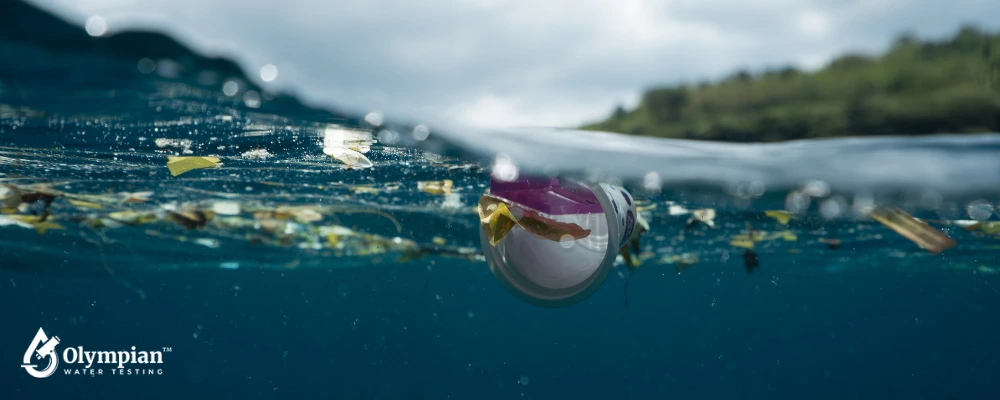
How do these tiny parasites get in our water? There are many paths. Common household chores such as the laundering of synthetic clothing release microplastics into wastewater. Just as rainwater discharge from the cities can carry litter (compressed into microplastics) to watercourses.
Industrial activity is a further main source. River and ocean waters laced with microplastics from textile or car factories. Even worse, waste water treatment plants don’t eliminate these particles entirely, so a good percentage of microplastics make their way into bodies of water.
Microplastics in Freshwater vs. Marine Environments
It isn’t just in the oceans, where microplastics are a serious problem, but they affect freshwater as well. Flumes, lakes and reservoirs that we depend on for drinking water are susceptible too. These settings see microplastics impact aquatic life, changes ecosystems and even leaches into waterworks, poisoning tap water.
But on the sea, the problem is a whole other matter. There is so much plastic waste in our oceans that we have ‘garbage patches’ floating around. The microplastics in these waters can be consumed by any living thing, from the microscopic zooplankton to whales, injuring them and injecting toxic chemicals.
Effects on Aquatic Life
Marine and freshwater species are affected by microplastics deeply. Such grains are frequently misidentified as food by marine life, and can result in sever injury. Ingestion of microplastics, for instance, leads to intestinal obstructive syndromes, malnourishment and death in many species.
The physical damage of microplastics is not the only one. They have the uncanny power to take in chemicals from their surroundings like sponges. These toxins-laden flakes, when swallowed, cause toxic chemical exposure in the body of water.
Impact on Human Health
Beyond the ecosystem, microplastics’ introduction into our food supply puts us in a dangerous health situation as human beings. Fishermen might be feeding people microplastics that have stuck to the bodies of their fish or shellfish. Also microplastics in tap water, bottled water, even our own air.
What exactly microplastic consumption might mean for human health remains unknown. Yet there are also physical harms, toxicological hazards from absorbed pollutants, even potential to serve as carrier organisms for infectious microbes.
Current Policies and Regulations
Some laws and rules have been instituted to combat this phenomenon all over the world. But they are of mixed success.
There are even countries that have legislation to prohibit microplastics in certain products like cosmetics and toiletries.
In the industry, some manufacturers have already taken steps to eliminate plastics, by redesigning products or purchasing sustainable packaging materials.
Internationally, there are treaties and conventions related to marine litter and pollution, and microplastics are a part of it.
But despite all this, it’s not being enforced, and the problem is so global that there needs to be a coordinated, global solution.
What are the methods used for detecting and measuring microplastics?
This microscopic dust is no trivial matter to detect and measure in our enormous waterways. Microplastics are quantified by various means, from visual inspection to spectroscopy. But there is always a drawback and an expense to each approach.
Scientists also have to cope with sample contamination, reporting metrics that aren’t consistent and small microplastics being hard to detect. But even so, detection and measurement technologies are clearly important in understanding and combating this problem.
Strategies for Mitigation and Prevention
This challenge of microplastics needs broad-based systemic reform as much as a local one.
Even if industry does not want to spend a lot of money on research to find biodegradable alternatives to plastic, that can go a long way.
Sanitary water treatment plants can use more sophisticated filtration to remove microplastics before they’re discharged into the environment.
By doing your own small part – cutting back on plastic use, recycling and properly recycling – you can reduce the plastic ending up in our waterways.
And then there’s education. With a consciousness and good-sense actions, we can all do our part to prevent the silent killer, microplastics.
Share this on social media:
Facebook
Twitter
LinkedIn

Related Posts