Is Nassau County Tap Water Safe to Drink?
- Published:
- Updated: January 22, 2025
Listen to this article
Summary
Nassau County’s tap water, sourced mainly from the Magothy aquifer, contains contaminants like lead, 1,2,3-Trichloropropane, and chromium (hexavalent), which can pose significant health risks, including cancer and developmental issues. Despite improvements in water treatment, there are concerns about pollution from industrial activities and agricultural runoff.
- Contaminants: Lead, VOCs, and heavy metals like chromium exceed health guidelines.
- Water treatment: The county uses filtration and disinfection processes, but challenges remain.
- Health risks: Long-term exposure to certain chemicals can lead to serious health issues.

Many people wonder: is Nassau County tap water safe to drink? This is a big concern, mainly because of lead contamination in older homes. These homes might have lead pipes, which are very dangerous, mainly for kids and pregnant women.
Looking into the safety of Nassau County tap water, we see serious health risks. Lead exposure can cause problems like learning disabilities and stunted growth in kids. It can also lead to issues like premature birth and developmental problems in babies. So, knowing the quality of Nassau County tap water is key to keeping its residents healthy.
Current State of Nassau County Tap Water
Nassau County gets most of its tap water from the Magothy aquifer. This aquifer is the biggest on Long Island and is key to the health of its people. We’ll look at the tap water’s current state, including its source, treatment, and infrastructure.
Many factors affect Nassau County’s water quality. Contaminants like 1,2,3-Trichloropropane, chloroform, and chromium (hexavalent) are among them. These can harm people’s health. It’s important to keep an eye on these levels in the water. The treatment and infrastructure in place help remove these contaminants and make the water safe.
Water Source Overview
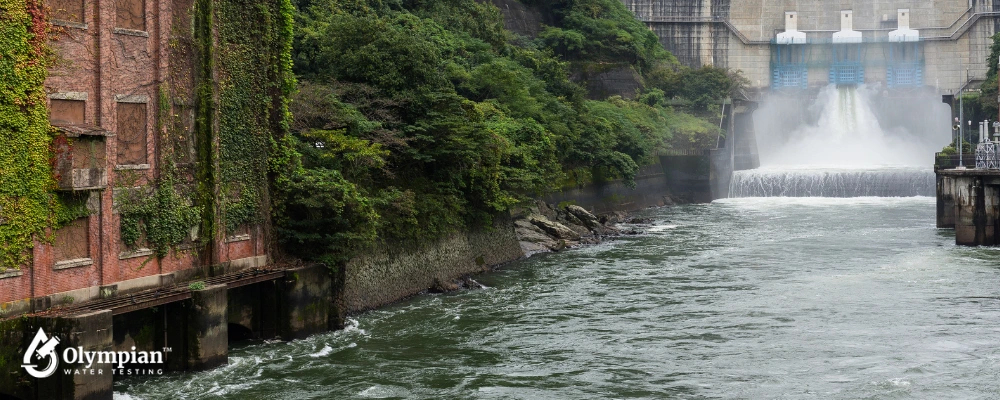
The Magothy aquifer is vital for Nassau County’s water. It’s recharged by rain and groundwater. The county watches its water level to use it wisely. Other water sources, like wells and surface water, also add to the supply.
Treatment Facilities and Infrastructure
The treatment and infrastructure in Nassau County are key to good water quality. The water goes through steps like coagulation, sedimentation, filtration, and disinfection. This removes harmful substances. The pipes and systems that carry the water are also important. Keeping them in good shape helps prevent water problems.
Understanding Water Quality Standards in Nassau County
We know how vital it is to understand water quality in Nassau County. Our team of experts works hard to give our clients the truth about their drinking water’s safety and quality. The rules for water quality in Nassau County come from both local and federal agencies. They set limits for different harmful substances in drinking water.
Some common pollutants in Nassau County’s water include:
- Volatile Organic Compounds (VOCs) from industrial waste and household products
- Heavy metals like lead and copper, which can come from old water systems
- Nitrates, mainly from fertilizers and wastewater treatment
These pollutants can cause health problems, from skin issues to serious diseases with long-term exposure. We keep an eye on Nassau County’s water quality and share our findings with our clients. This way, they can make smart choices about their drinking water.
Common Contaminants and Their Levels
When we talk about Nassau County tap water safety, we must look at common contaminants. These can affect whether the water is safe to drink. Recent tests show that Nassau County’s water has high levels of 1,2,3-Trichloropropane, Chloroform, and Chromium (hexavalent).
For those worried about their drinking water, knowing about these contaminants is key. You can find out more by visiting water analysis laboratories in Nassau County. There, you can learn about water testing and make better choices about your water.
Mineral Content Analysis
The minerals in Nassau County’s tap water are also important. The Magothy aquifer, which supplies most of the water, has a special mineral mix. This can change how the water tastes and its quality.
Chemical Compounds Present
Chemicals like Chloroform and Chromium (hexavalent) are also a worry. They can lead to serious health issues, including cancer and other diseases.
Bacterial Testing Results
Bacterial testing is vital for water quality. Nassau County’s water is mostly safe, but there have been bacterial contamination cases. Regular testing and monitoring are needed to keep the water safe.
| Contaminant | Level | Health Guideline |
|---|---|---|
| 1,2,3-Trichloropropane | Exceeds health guidelines | Cancer risk |
| Chloroform | Exceeds health guidelines | Cancer risk |
| Chromium (hexavalent) | Exceeds health guidelines | Cancer risk |
Health Implications of Nassau County Tap Water
We are worried about the water quality in Nassau County. It can harm people’s health. Contaminated water can lead to cancer, reproductive problems, and brain damage. Nassau County has some of the highest levels of harmful chemicals in New York.
People with weak immune systems are at a higher risk. This includes those with cancer or organ transplants. It’s important for everyone to protect themselves. Using water filters or drinking bottled water can help. But, not all filters can remove all contaminants, like PFAS.
Some health concerns include: * Cancer-causing chemicals, such as 1,4-dioxane * Reproductive issues, like birth defects and infertility * Neurological damage, like developmental delays and learning disabilities * Immune system problems, like increased risk of infections
We will keep watching the water quality in Nassau County. We will share any updates on improvements. In the meantime, residents can protect themselves and their families from contaminated water.
Comparison with National Drinking Water Standards
We compare Nassau County’s drinking water standards with national ones. This includes federal guidelines and state-specific rules. Many residents worry about the safety of their tap water. The EPA has set new limits for PFAS in drinking water, which are lower than New York State’s.
The water utility in Nassau County’s compliance records are also important. Over 1 million people on Long Island drink water with PFAS levels above the EPA’s health advisory. This shows a clear need for better water quality. Here are some key statistics:
- Over 1 million people on Long Island are drinking water with PFAS chemicals exceeding the EPA recommended health advisory standard.
- More than 600,000 Long Islanders consume water that exceeds current PFAS standards.
- Parts of eastern Suffolk have reported PFAS levels close to 100 parts per trillion (ppt).
These numbers show we need to keep monitoring and improving Nassau County’s tap water. This is to protect the health and safety of its residents.
Environmental Factors Affecting Water Quality
Environmental factors greatly impact the quality of tap water in Nassau County. Chemical waste from private companies has polluted Long Island’s water. This includes the aquifer that supplies water to Nassau County. This pollution makes people wonder if Nassau County tap water is safe to drink.
Some key environmental factors affecting water quality in Nassau County include:
- Industrial activities: Chemical waste from private companies has contaminated the aquifer. This introduces harmful chemicals into the water supply.
- Agricultural runoff: Fertilizers and pesticides used in farming can leak into the groundwater. This affects the quality of tap water.
- Septic systems: The use of conventional cesspools and septic systems can pollute groundwater. This is more common in areas with high population density.
To tackle these environmental factors, we need to take action. Investing in water quality improvements is key. We should also switch to advanced onsite wastewater treatment systems. Promoting water conservation is another important step.
| Environmental Factor | Impact on Water Quality |
|---|---|
| Industrial activities | Introduction of harmful chemicals into the water supply |
| Agricultural runoff | Contamination of groundwater with fertilizers and pesticides |
| Septic systems | Contamination of groundwater with wastewater |
Recent Infrastructure Improvements and Their Impact
We’ve been watching the new infrastructure projects in Nassau County. They’re making a big difference in the water quality. Over $120 million has been spent on water projects in New York State, with a lot going to Nassau County.
The Federal Bipartisan Infrastructure Law and the state’s Water Infrastructure Improvement grant program helped fund these projects. For instance, the Albertson Water District got a $4,428,409 grant. This money will help install a system to remove harmful chemicals from the water.
Another important project is the Bay Park Conveyance Project. It aims to stop treated water from being released into the Western Bays. This will help reduce harmful algae blooms and improve water quality.
| Project | Funding | Purpose |
|---|---|---|
| Albertson Water District | $4,428,409 WIIA grant | Installation of GAC system to remove PFOA and PFOS |
| Bay Park Conveyance Project | $500 million | Prevention of discharge of treated water into Western Bays |
These projects show Nassau County’s dedication to better water quality. We’ll keep an eye on how they’re doing.
Expert Opinions on Nassau County Water Safety
Experts have shared their thoughts on Nassau County’s tap water safety. They say the water can harm your health, like damaging your lungs or raising cancer risk. The big worries are 1,2,3-Trichloropropane, Chloroform, and Hexavalent Chromium in the water. These have been linked to serious health issues.
Some major concerns about Nassau County’s tap water are:
- Contaminants like Radiological contaminants and Total Trihalomethanes (TTHMs) are above safe levels.
- Filtration methods, like solid activated carbon blocks, can remove some contaminants.
- Saltwater intrusion is affecting the drinking water in Nassau County.
Experts say we need to know more about the risks of drinking this water. They also suggest ways to make the water safer and better. These include saving water, collecting rainwater, and using desalination. By addressing these issues, we can make sure Nassau County’s tap water is safe for everyone.
Alternative Water Sources and Filtration Options
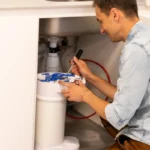
When we ask if Nassau County tap water is safe, looking at other water sources and filters is key. For Nassau County residents, clean drinking water is a must. Home filters can remove harmful substances like 1,2,3-Trichloropropane and Chloroform using solid activated carbon blocks.
There are a few good alternatives to tap water. Here are some to think about:
- Reverse Osmosis Drinking Water Filter systems, which can reduce contaminants up to 99%
- Home filtration systems, which can be installed under the sink or as a whole-house system
- Bottled water, which can be a convenient but more expensive option
When picking a water source or filter, cost matters. Look at the upfront cost and what you’ll spend over time. This way, Nassau County residents can choose wisely and get safe, clean water.
Conclusion: Making an Informed Decision About Nassau County Water
The quality of Nassau County tap water is complex. Recent improvements in water treatment and infrastructure are good. But, there are ongoing worries about contaminants and their health effects. People in Nassau County should know what’s in their water and make safe choices.
To stay informed, check the latest water quality reports and updates on water projects. Use tools like the Environmental Working Group‘s Tap Water Database and the New York State Department of Health’s website. Also, looking into other water sources and home filters might be smart for those with health concerns.
Whether to trust Nassau County’s tap water or not is up to you. By staying updated, considering the risks and benefits, and taking steps to protect your water, you can choose wisely. Making water quality a priority is a big step towards better health and well-being.
Share this on social media:
Facebook
Twitter
LinkedIn

Related Posts