Is It Safe to Bathe Your Baby in Tap Water?
- Published:
- Updated: February 17, 2025
Listen to this article
Summary
When it comes to bathing your baby in tap water, safety is paramount. While tap water is generally safe, various factors like contaminants, water temperature, and local water quality can pose risks to your baby’s health. Research from reputable sources like the American Academy of Pediatrics (AAP) and Centers for Disease Control and Prevention (CDC) emphasizes the need for proper precautions when using tap water for baby baths. This includes monitoring water temperature to avoid scalding, using water filters to minimize contaminants like lead or chlorine, and ensuring that the water depth is safe for your baby. Different regions also have varying water quality, so parents should be aware of the water quality in their area and take the necessary steps to ensure their baby’s bathwater is clean and safe.
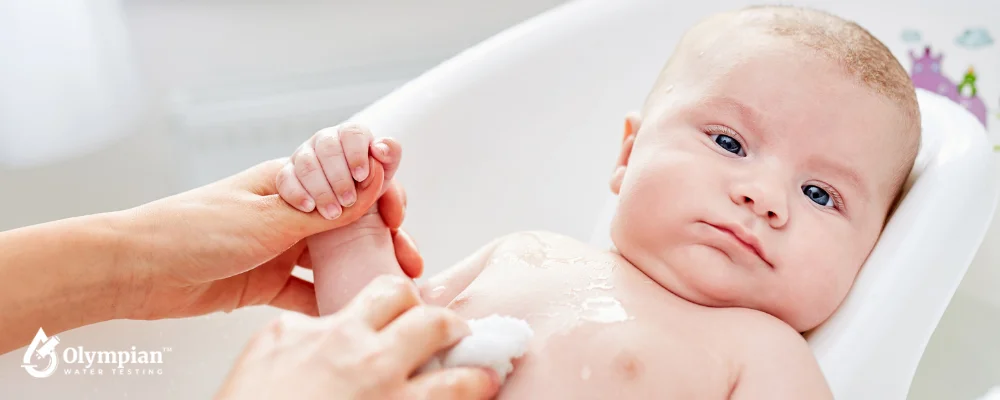
We know new parents worry about tap water safety for their babies. The American Academy of Pediatrics (AAP) says it’s key to think about tap water safety for baby baths. We’ll look at the good and bad sides of using tap water for baby baths, based on the latest studies and expert views.
We aim to help parents lower risks from tap water, like minerals, contaminants, and bacteria. Our goal is to teach parents about water safety. We want to give them the info they need to protect their baby’s health, focusing on tap water safety and its effects on baby health.
Understanding Tap Water Composition and Baby Safety
Exploring tap water composition is key to baby safety. The type of water can change a lot, depending on where it comes from and how it’s treated. Our team works hard to teach about water safety and following rules, so parents know about tap water risks.
The Environmental Protection Agency (EPA) sets limits on some contaminants in tap water. But, some minerals and chemicals can be harmful to babies. For example, too much lead, chlorine, or minerals can hurt a baby’s growth. It’s also important to check the water’s pH level, as it should be between 6.5 and 7.5. High levels of contaminants like lead or chlorine can make the water unsafe.
Common Minerals in Tap Water
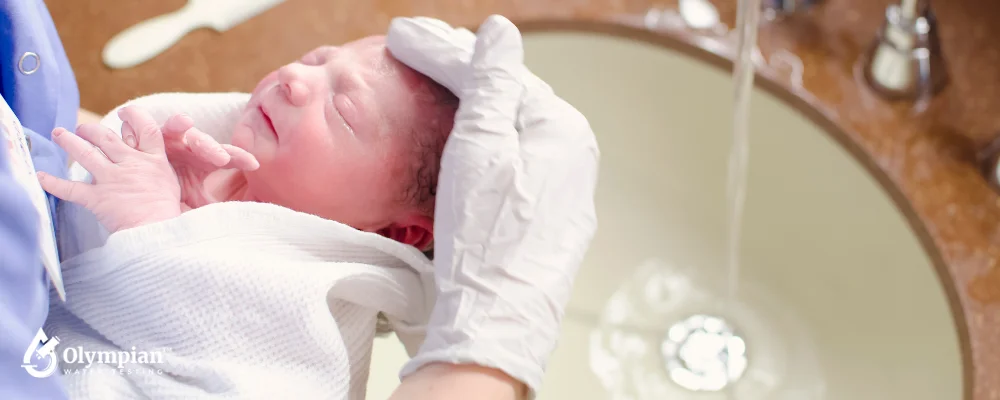
Tap water often has minerals like calcium and magnesium, which are usually safe. But, too much of these minerals can be risky. Knowing what’s in the tap water helps parents keep their babies safe.
Potential Contaminants
Tap water might have contaminants like lead, chlorine, or bacteria, which can harm babies. It’s important to know about these and take steps to reduce their impact. Using a water filter or purification system can help. By focusing on water quality, parents can protect their babies from waterborne illnesses.
pH Levels and Their Impact
The pH level of tap water is very important for baby safety. Keeping the pH level right can prevent skin problems, digestive issues, and other health issues. We suggest talking to a pediatrician to find the best way to ensure safe water for your baby. It’s also essential to consider the type of water used when preparing baby formula. Many parents opt for distilled water in baby formula, as it provides a consistent pH and removes potential contaminants that could be harmful to infants. Always consult with your healthcare provider to determine the most suitable water options for your baby’s specific needs and to ensure their health and safety. In addition to distilled water, some parents also explore the use of purified or spring water, though it’s crucial to verify their pH levels and source. Understanding the different characteristics of water can help you choose the best water types for baby formula, ensuring that your little one is getting the safest and healthiest nutrition possible. Remember, each baby is unique, so always consult with your pediatrician to tailor water choices to your child’s individual health requirements.
Is Tap Water Safe for Baby Baths?
Answer: Yes, but with conditions.
While tap water is generally safe for babies, the key to ensuring its safety is knowing its quality. Tap water in many areas contains trace amounts of contaminants such as chlorine, lead, or bacteria, which can pose risks to a baby’s delicate skin and health.
To ensure your baby bath water is safe:
- Test your tap water regularly to check for harmful contaminants.
- Use a water filter to remove potential toxins and impurities, especially if you live in an area with known water quality issues.
Research Findings from Pediatric Institutions
Pediatric studies have focused on tap water safety for baby baths. A study in the Journal of Pediatrics found tap water can have harmful bacteria. Another study in the Journal of Water and Health showed using tap water for baths can lead to accidents like scalding and drowning.
Statistical Data on Water-Related Incidents
Water-related incidents show why baby bath safety is so critical. The National Institute of Health says over 52% of child scald injuries come from hot tap water. The CDC also notes that children under 4 are at the highest risk for burn deaths. Our data analysis stresses the need for parents to be cautious to prevent such incidents.
Expert Opinions and Recommendations
Experts from the AAP and CDC stress the need for baby bath safety. They advise using a water filter, checking the water temperature, and always supervising during baths. Our research backs up these recommendations to keep babies safe during bath time.
| Organization | Recommendation |
|---|---|
| AAP | Use a water filter to minimize the risk of water-related incidents |
| CDC | Check the water temperature before bathing the baby |
| National Institute of Health | Maintain constant supervision during bath time |
Regional Variations in Water Quality
Regional water quality can greatly affect tap water safety for babies. Tap water quality varies due to industrial activities, agricultural runoff, and natural minerals. This means some areas might have more contaminants or minerals, which can harm baby health.
To ensure tap water safety, it’s vital to check local water quality reports. Also, talking to healthcare professionals is key. They can advise on the risks of tap water and suggest ways to make it safe for babies.
When looking at regional water quality, consider these factors:
- Levels of lead, nitrates, and other contaminants
- pH levels and their impact on water safety
- Presence of minerals such as fluoride and calcium
By understanding these factors and taking action, we can make tap water safe for babies. This is true even with different water qualities in different areas.
| Region | Water Quality Concerns | Recommendations |
|---|---|---|
| Urban areas | Lead, nitrates, and other contaminants | Use a water filter, check local water quality reports |
| Rural areas | Agricultural runoff, minerals | Test well water regularly, consider a water treatment system |
The Impact of Water Temperature and Pressure
Water temperature and pressure are key for baby safety. The water should be about 100°F (37.8°C) for safe baths. The water heater should be set at 120°F (48.9°C) to avoid burns. The American Academy of Pediatrics (AAP) says the faucet should not be hotter than 120 degrees Fahrenheit.
Water pressure is also important for baby safety. The water in baby baths should not be more than 3 inches deep. Always keep one hand on the baby while they are in water. Here are some guidelines for water temperature and pressure:
- Water temperature for hygienic baths for children under 6 months should be maintained at 36.5 – 37.5 °C.
- Recommended water temperature for older children is 36 °C.
- For water poured over a child after bathing, the temperature should be 1 – 2 °C lower than the bath temperature and should decrease by another 2 – 3 °C over time.
By following these guidelines, parents can ensure a safe and comfortable bathing experience for their babies. This includes considering both water temperature and pressure to prevent accidents and promote baby safety.
| Age Group | Recommended Water Temperature | Maximum Water Depth |
|---|---|---|
| Children under 6 months | 36.5 – 37.5 °C | No more than 3 inches |
| Older children | 36 °C | No more than 3 inches |
Essential Safety Measures for Baby Bath Time
Keeping baby bath time safe is a top priority. The Centers for Disease Control and Prevention (CDC) says taking the right steps is key. We suggest setting the water heater to 120°F or less to avoid scalding. Also, make sure the bathroom is between 70°F to 80°F for a cozy bath.
It’s important not to leave your baby alone in the bath. Drowning can happen in just 1 inch of water. Use 2-4 inches of water and bath mats to lower fall risks. Also, empty the water right after and keep medicines and electrical items out of reach.
Some key tips for safe baby baths include: * Bathing 2-3 times a week is enough, but daily baths are okay if your baby likes it * Keep baths short, 5-10 minutes, for babies with dry or sensitive skin * The water should be between 37-38°C for baby baths * Wash hair once or twice a week, depending on the hair type * Always watch your baby during bath time, even if older kids or bath seats are around
By following these guidelines, parents can make bath time safe and healthy for their baby. Use tap water that’s safe for your little one.
| Safety Measure | Recommendation |
|---|---|
| Water Temperature | 37-38°C |
| Bath Duration | 5-10 minutes |
| Supervision | Never leave the baby unattended |
Conclusion: Creating a Safe Bathing Environment for Your Baby
Parents can make sure their babies have a safe bath by following some key steps. It’s very important to keep an eye on the water, as even a little can be dangerous. Make sure the water isn’t too hot and use the right products for your baby’s skin.
Following the American Academy of Pediatrics’ (AAP) advice is also important. They say to bathe your baby only 3 times a week and keep the water under 120°F. This helps avoid burns and injuries. Also, wait until 6-24 hours after birth for the first bath, as the World Health Organization (WHO) suggests. This helps with breastfeeding and keeps your baby healthy.
To keep your baby safe during baths, you need to be careful and alert. Learn about the latest safety tips and watch your baby’s skin closely. This way, you can make sure your baby has a safe and calm bath time. With these steps, you can give your baby the care and safety they need.
Prioritize Your Baby's Bath Safety Today
Ensure your baby’s safety during bath time. Test your tap water for potential contaminants and make sure the water temperature is just right. Contact us today to schedule a water quality test and ensure your baby bath water is safe. We’re here to help you take the best care of your little one!
Shedule Your Test Now!
Share this on social media:
Facebook
Twitter
LinkedIn

Related Posts