Invisible Perils: Volatile Organic Compounds Lurking in Your Water
- Published:
- Updated: December 16, 2024
Listen to this article
Summary
VOCs, industrial chemicals, can contaminate drinking water.
- Sources include agricultural runoff, leaking tanks, and household products.
- Exposure can cause respiratory problems, nervous system damage, and even cancer.
- Testing and filtration systems can help reduce VOCs in drinking water.
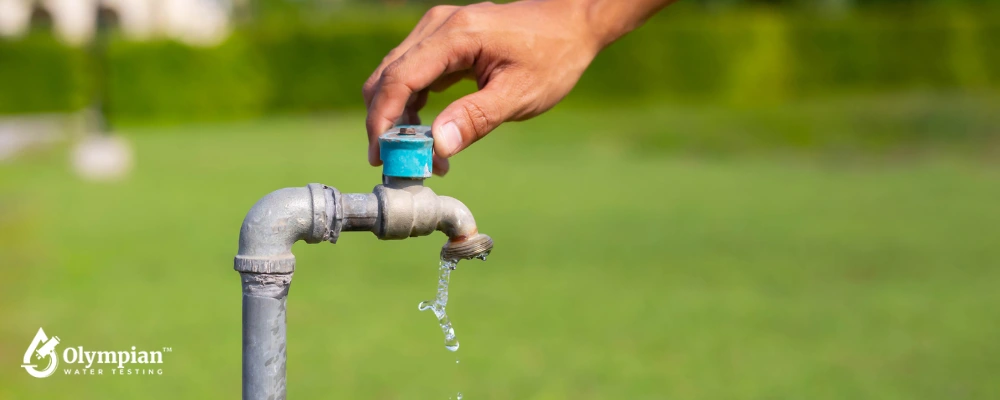
You switch on the tap for a fresh cup of water, but little do you know, unseemly threats could be waiting there. Volatile Organic Compounds (VOCs) — chemicals in ground and tap water that can make you sick. VOCs from industrial effluent to agricultural pesticides are clogging our waterways and we need to listen.
What are Volatile Organic Compounds (VOCs)?
VOCs are organic chemicals that have a very high vapor pressure at room temperature. You will find them in many industrial and household products including paints, cleaning solutions and skin care products. They also can release VOCs through industrial and agricultural processes, and into groundwater and drinking water.
Sources of VOCs in Drinking Water

Volatile organic compounds (VOCs) are a class of chemicals that can be found in various sources, including drinking water. Some common sources of VOCs in drinking water include:
- Agricultural and industrial runoff: Pesticides, herbicides, and other chemicals used in agriculture and industry can seep into groundwater and surface water, contaminating drinking water sources.
- Leaking underground storage tanks: Gasoline, diesel fuel, and other petroleum products can leak from underground storage tanks and contaminate drinking water.
- Landfills and waste disposal sites: Landfills and waste disposal sites can release VOCs into the air and groundwater, contaminating drinking water sources.
- Septic systems: Septic systems can release VOCs into groundwater, contaminating drinking water sources.
- Household and personal care products: Certain household and personal care products, such as cleaning agents, paints, and cosmetics, can contain VOCs that can contaminate drinking water sources.
It’s important to note that not all VOCs are harmful to human health, but some can cause serious health problems if they are present in drinking water at high levels. To ensure the safety of drinking water, it’s important to monitor levels of VOCs and take steps to reduce or eliminate their sources.
What are the Health Effects of VOCs in Water?
Exposure to volatile organic compounds (VOCs) in drinking water can have a variety of health effects, depending on the type and concentration of the VOCs present. Some of the most common health effects associated with exposure to VOCs in drinking water include:
- Respiratory problems: Exposure to VOCs can cause respiratory irritation, such as coughing and wheezing, as well as more serious respiratory problems, such as asthma and bronchitis.
- Nervous system effects: Some VOCs can affect the central nervous system, causing symptoms such as headache, dizziness, and nausea.
- Liver and kidney damage: Long-term exposure to certain VOCs can cause liver and kidney damage, as well as other health problems.
- Reproductive and developmental effects: Some VOCs can affect reproductive and developmental health, leading to problems such as birth defects, infertility, and decreased sperm count.
- Cancer: Some VOCs have been classified as carcinogenic, meaning that they can cause cancer in humans.
It’s important to note that the health effects of VOCs can vary widely depending on the type and concentration of the VOCs present, as well as the length of exposure and individual susceptibility.
Testing Methods for VOCs in Drinking Water
To test for VOCs in your water, here are some things to know if you’re worried. Another way is to have your water tested by a licensed lab and have it come back positive for your water’s VOC levels. Or you can get a home test kit from any hardware store or online. But beware: test results from home kits are not necessarily the same as ones from a licensed laboratory.
Government Regulations for VOCs in Drinking Water
EPA in the US sets limits for VOCs in bottled water, under the Safe Drinking Water Act. The EPA established maximum contaminant limits (MCLs) for various contaminants such as VOCs to make sure human drinking water was safe. But remember that the EPA MCLs aren’t always high enough to protect public health, and VOCs in water can sometimes go over the MCLs and still affect human health.
Filtration Systems for Removing VOCs from Water
You can filter your water if it has high levels of VOCs, but a filtration system is one solution. Activated carbon filters, reverse osmosis equipment and ion exchange resins are all useful ways to clean water of VOCs. Activated carbon filters filter out the VOCs in water through the filter. Reverse osmosis membrane pushes water over a semi-permeable membrane that draws away VOCs and other contaminants from the water. Ion exchange resins pair ions in the water with ions in the resin to pull VOCs from the water.
Steps You Can Take to Reduce Exposure to VOCs in Drinking Water
In addition to installing a filtration system, there are several steps you can take to reduce your exposure to VOCs in drinking water. These steps include:
- Supporting local initiatives to protect water sources from VOC contamination.
- Using natural and organic products instead of products containing VOCs.
- Properly disposing of household chemicals and products containing VOCs to reduce the risk of groundwater contamination.
- Staying informed about the quality of your drinking water and regularly testing for VOCs.
Importance of Monitoring VOC Levels in Water
You should check your water regularly for VOCs to be sure that your water is safe and to take action to reduce exposure if needed. This is especially important if you are located in a highly VOC prone location, like near industrial plants or farmland. You can test it regularly to know how your water is drinking quality and make decisions to guard yourself and those you care about from VOCs’ damaging effects.
Share this on social media:
Facebook
Twitter
LinkedIn

Related Posts