Understanding the Global Water Crisis
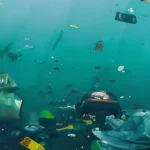
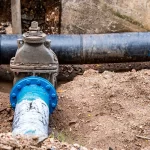
Billions of people face severe shortages, threatening basic needs. In many areas, outdated infrastructure struggles to meet growing demand. Pollution from industrial runoff and household waste degrades available reserves and poses a threat to public health.
Rising temperatures add stress to water sources, heightening concerns worldwide. Sustainable water management emerges as an essential approach, urging decision-makers to rethink consumption and prioritize long-term security. Traditional methods of using resources once and discarding them are no longer viable.
- Over 2 billion individuals drink contaminated water
- Global demand is predicted to escalate by 20% this decade
- Many communities encounter recurring episodes of drought
The World Health Organization highlights the urgent need for improved treatment facilities and greater investments to protect public well-being.
Reform efforts encourage decentralized solutions and modern upgrades. Sustainable water management drives these strategies, setting new standards for responsible usage and protective stewardship.
Region | Population Lacking Safe Water (in millions) | Projected Demand Increase (%) |
Sub-Saharan Africa | 319 | 25 |
South Asia | 134 | 30 |
Latin America | 45 | 18 |
Why Water Reclamation Is Vital for Sustainable Resource Management
Across the United States, communities are grappling with dwindling water reserves. The increasing demand from growing populations and industries puts a strain on lakes, rivers, and aquifers. Water reclamation emerges as a viable solution, recovering valuable resources from wastewater streams.
Recycling systems and advanced water treatment processes provide local facilities with safer, usable water. This method expands water supplies without overloading rivers or straining existing infrastructure. It also prevents pollution by stopping untreated discharge into sensitive ecosystems.
Dwindling Freshwater Supplies
Many areas experience unpredictable precipitation patterns. Basins are overdrawn, and sources are polluted. Desalination helps, but reclamation complements current systems, safeguarding communities from future water shortages.
Balancing Demand and Conservation
Utility providers work with agriculture and industry to ensure reclaimed water supports growth and conservation. Modern treatment plants align with sustainability goals, promoting efficient water use. This approach keeps rivers healthy while driving economic growth.
Reclamation Method | Key Advantage |
Greywater Recycling | Reduces withdrawal from overburdened aquifers |
Membrane Filtration | Supplies consistent quality for diverse applications |
Biological Treatment | Enhances ecosystem balance through natural processes |
Historical Evolution of Water Reclaiming Techniques
Early civilizations relied on hand-dug wells and sand-based filters to access water. The Romans took this a step further with aqueducts, bringing fresh streams into urban areas. People then stored water in ceramic containers and filtered it using simple methods. These foundational steps paved the way for more sophisticated water reuse systems.
Over time, engineers advanced the filtration science. Cities expanded their water channels, and experts began experimenting with chemical treatments. The rise of industry led to a greater need for water, driving further innovation in water management. Today, we see a blend of historical wisdom and modern research in water facilities. These facilities use ancient principles but adapt them for today’s needs, showing how progress is built on past achievements.
Modern Technologies Driving Efficiency
Advanced techniques are revolutionizing water reclamation, making operations more efficient. Membrane-based systems can filter out harmful contaminants like heavy metals, pesticides, and bacteria. This innovation is key to freshwater conservation efforts and ensuring safer water supplies.
Membrane Filtration
Reverse osmosis and nanofiltration are effective in removing contaminants, keeping water quality high. Cities use these methods to protect their water sources and enhance public health.
Advanced Oxidation Processes
These processes tackle complex pollutants from industrial waste and household products. By using reactive oxygen species, they break down pharmaceuticals, microplastics, and other hard-to-degrade substances. This leads to cleaner water, supporting freshwater conservation efforts in communities worldwide.
Real-World Case Studies of Community Implementation
Neighborhoods have cut costs by adopting local water recycling initiatives. Decentralized facilities treat wastewater on-site, reducing transport costs. This method boosts reliability and keeps resources nearby, vital for areas facing drought or aging pipes.
In Orange County, California, a groundwater replenishment system recycles millions daily. El Paso, Texas, uses reclaimed water for landscaping, reducing reliance on distant sources. New Mexico’s rural towns built small purification units to ease reservoir pressure. Colorado’s urban areas support local projects, preserving budgets and stream health.
Success in these areas comes from public-private partnerships and community engagement. Each example highlights how community water recycling transforms infrastructure. It ensures a steady supply for homes, businesses, and farms. This approach, combining decentralization and cooperation, helps communities prosper despite climate challenges.
Mitigating Environmental Impacts Through Recycling Initiatives
Across the United States, communities are adopting cutting-edge methods to reclaim wastewater. This effort supports a circular water economy, where resources are utilized multiple times. It contrasts with the traditional approach of discharging after a single use.
Reducing Wastewater Discharge
Recycling systems significantly reduce the amount of polluted effluent entering our waterways. By reusing water in power plants, farms, or urban infrastructure, harmful chemicals and nutrients are minimized. The Environmental Protection Agency‘s studies highlight that reclaimed water in irrigation eases the burden on natural reserves.
This practice reduces contamination in watersheds, enabling delicate ecosystems to flourish. It’s a step towards preserving the health of our rivers, lakes, and coasts.
Protecting Aquatic Habitats
When pollution is controlled, marine and freshwater species thrive. Reclaimed water programs, backed by government agencies and environmental nonprofits, protect local wildlife. They are key components of the circular water economy.
This balanced approach ensures biodiversity in streams, lakes, and coastal areas. It secures clean, life-giving water for future generations.
Initiative | Key Benefit |
Reclaimed Irrigation | Cuts chemical runoff, protects farmlands and watersheds |
Industrial Reuse | Limits discharges, boosts resource efficiency |
Overcoming Funding and Policy Hurdles
Funding shortfalls hinder large-scale water reclamation efforts, limiting growth in areas needing more resilient systems. Public agencies, private investors, and research institutions often face challenges in aligning their goals. This leads to delays or cancellations of initiatives.
A total expenditure (TOTEX) approach balances immediate and long-term costs. It includes capital expenses and ongoing maintenance, promoting stable returns on water projects. Public-private partnerships combine resources, facilitating the launch of new technologies and their adoption across regions.
- Strategic grants can expand pilot programs
- Tax incentives reduce entry costs for private investors
- Technical support fosters broader acceptance
Policy or Program | Key Benefit |
Federal Support | Broad access to research funds |
State-Level Bonds | Dedicated capital for infrastructure upgrades |
Local Incentives | Community-based adoption of water-saving measures |
Forward-looking policy reforms are essential for mainstreaming water efficiency strategies. They unlock grants and create favorable regulations. This encourages sustainable financing models, driving both economic and ecological stability in the United States.
Boosting Industrial Efficiency with Water Recovery Systems
Large-scale facilities aim for operational resilience and cost reduction. They turn to industrial water reuse to achieve these objectives. By recycling water, they redirect it back into essential processes, reducing waste and preserving natural resources. This approach not only shields companies from disruptions but also promotes environmental stewardship.
- Lower energy consumption
- Stronger regional conservation
- Enhanced compliance with regulations
These benefits underscore the role of water recovery in fostering sustainable production.
Agricultural Sectors
Farms benefit from treated water during dry spells. This method helps growers maintain steady yields and reduce the draw on dwindling freshwater supplies. Returning reclaimed water to irrigation loops can lead to healthier soil and long-term cost savings.
Manufacturing Facilities
Factories employ industrial water reuse across assembly lines and cooling systems. This conserves valuable resources and lowers ongoing operational bills. Many producers also enjoy a more reliable water source that supports continuous output while reducing overall impact on local aquifers.
Maximizing Economic and Community Benefits
Adopting water reclamation processes can catalyze significant growth in local communities. This transition eases the strain on natural resources and promotes sustainability in everyday activities. It often involves the development of water policies that diminish dependence on distant reservoirs.
Communities experience a decrease in treatment fees and energy consumption through on-site water recycling. Factories, farms, and towns enjoy lower utility bills, allowing for increased investment in health services and public initiatives. This boost in income strengthens the regional economy, underscoring the importance of thoughtful water policy development.
Lower Operational Costs
Enhanced water efficiency leads to lower operational costs and preserves natural resources. Reclaimed water systems enable businesses to allocate resources to innovation and workforce development. This strategy enhances economic stability.
Strengthening Local Infrastructure
Upgraded systems facilitate infrastructure enhancements, including the expansion of pipelines and purification facilities. These improvements bolster resilience against drought and protect employment. As highlighted in water utilities for community investment, this approach ensures a reliable water supply for underserved communities.
Key Focus | Positive Outcome |
Energy Conservation | Reduced Bills |
Localized Treatment | Smaller Environmental Footprint |
New Regulations and Guidelines in the United States
State and federal agencies across the country are introducing fresh protocols to address contaminants in municipal and industrial water streams. Stricter monitoring frameworks target heavy metals, pharmaceutical residues, and pathogenic organisms. Many of these rules focus on environmental impact reduction while encouraging safer water reuse.
Policy changes require facilities to submit detailed reports on discharges, ensuring greater transparency and accountability. In turn, these measures prompt upgrades to aging systems, driving investments in advanced technologies for treatment and filtration. This broad shift aligns with environmental impact reduction by cutting pollution at its source and boosting water quality for downstream communities.
Compliance strategies involve regular sampling schedules and risk-based assessments that track new contaminants. Treatment plants and manufacturers often collaborate with the Environmental Protection Agency to refine their methods. The goal is efficient water reclamation that benefits both human health and regional ecosystems. Through these evolving guidelines, critical waterways gain better protection and resilience for future demands.
Topics Shaping the Future of Water Reclamation
Experts foresee a significant transformation in water processing to address increasing demands. The rise of real-time sensor networks and advanced data analytics tools is expected. These innovations promise to adapt quickly to changing conditions with unparalleled precision.
Innovative Treatment Methods
Initiatives are underway to develop advanced membrane designs that cut energy consumption and enhance filtration. Researchers are also exploring electrochemical steps and novel oxidation methods for more efficient water cleaning. AI-driven monitoring solutions enable real-time adjustments to treatment processes.
This approach is integral to integrated water systems. It leverages continuous feedback to ensure optimal water quality at every stage.
Collaborative Research Efforts
University labs, tech companies, and government agencies are collaborating to accelerate the development of next-generation water reclamation projects. For example, MIT’s research often involves partnerships with industry leaders to refine large-scale designs. Public utility groups and private developers are comparing data to standardize solutions that can be applied across various environments.
This collaborative work in integrated water systems is paving the way for significant breakthroughs. It provides a roadmap for future advancements in resource management.
Best Practices for Urban Planning and Water Security
Cities are adopting new methods to protect their water supplies. Los Angeles, among others, has shown that even outdated systems can be revamped with decentralized solutions and recycling networks. Urban planners are pushing the envelope by integrating shared resources and setting high environmental standards. The U.S. Environmental Protection Agency backs these efforts, encouraging creative solutions to meet the needs of expanding populations.
True water resiliency demands meticulous planning and teamwork. Experts often suggest combining infrastructure updates with public education, ensuring everyone sees the long-term benefits. Both retrofitting and building new systems are essential for meeting current needs and preparing for climate changes.
Retrofit vs. New Development
Existing structures often need customized upgrades for better efficiency. Planners might install modular water treatment units in tight urban spaces to enhance flow. New projects, on the other hand, should incorporate water-saving features from the start to avoid costly retrofits later.
Scalability and Long-Term Planning
Every city can tailor its approach to water reclamation to fit its size. Smaller towns might focus on local facilities, while bigger cities blend central and decentralized systems. Regular assessments ensure these strategies remain adaptable, safeguarding water resources against scarcity.
Paving the Way for a Sustainable Water Future
Communities across the United States are embracing eco-friendly solutions to reclaim and reuse water. Real-world programs showcase how integrated methods protect water supplies while reducing energy and treatment costs. In places like California, reclaimed water is boosting farming, industry, and public services with minimal environmental impact.
Urban water security is enhanced through technological advancements and coordinated policies. These efforts support large-scale reuse networks. Collaboration among research groups, civic leaders, and industry experts is key to improving filtration and treatment techniques. This shared vision creates jobs, safeguards freshwater sources, and reduces ecosystem stress.
Water reclamation is at the core of an equitable approach to growth. It delivers reliable supplies, cuts overhead costs, and inspires long-term community development. These strategies are the foundation of a sustainable future that everyone can benefit from.
FAQ
How does water reclamation differ from traditional wastewater treatment?
Water reclamation goes beyond traditional wastewater treatment by not only removing pollutants but also recycling the water. It uses advanced methods like membrane filtration and advanced oxidation processes. This ensures the water meets high standards for reuse in various sectors.
What role does circular water management play in addressing global water scarcity?
Circular water management keeps water in continuous use across different sectors. It involves reclamation, reinjection, and rainwater harvesting. This approach reduces freshwater reliance, mitigates climate risks, and supports sustainable water management goals.
Are advanced oxidation processes effective against emerging contaminants?
Yes. Advanced oxidation processes (AOPs) use chemical reactions to break down contaminants like pharmaceuticals and microplastics. They target pollutants resistant to conventional treatments, improving water quality for reuse and community resilience.
How do water reclamation projects support large-scale industries like agriculture and manufacturing?
In agriculture, reclaimed water helps maintain crop yields during droughts and conserves freshwater. In manufacturing, companies like Dupont and Evoqua use it for cooling and cleaning, reducing costs and freshwater use. This makes water reclamation attractive for both sectors.
Why are decentralized water treatment systems gaining popularity in community settings?
Decentralized systems treat water locally, reducing reliance on large plants. They include compact membrane bioreactors and small-scale reverse osmosis units. This approach suits rural areas and growing cities, improving water security and resilience.
What funding and policy challenges limit broad-scale implementation of water reclamation?
High initial costs, lack of subsidies, and complex regulations hinder widespread adoption. Financing often requires public-private partnerships and innovative models. Policy reforms and streamlined permits can accelerate adoption of advanced water reuse systems.
How does water reclamation reduce environmental impact?
Water reclamation treats and reuses wastewater, reducing effluent release into rivers and oceans. It conserves aquifers, maintains streamflow, and supports biodiversity. This closed-loop approach aligns with circular economy principles, protecting sensitive environments.
Are there current regulations and guidelines in the United States that encourage water reuse?
Yes. Federal and state regulations set strict guidelines for contaminants. Many states offer incentives and have introduced minimum reuse requirements. Compliance with these standards promotes environmental stewardship and community health.
Which emerging technologies are shaping the future of water reclamation?
Recent breakthroughs include data-driven systems and next-generation membrane technologies. Electrochemical methods and forward osmosis are being explored for cost-effective and energy-efficient applications. Collaborative research is accelerating the development and commercialization of these innovations.
How can urban planners integrate water reclamation into new and existing developments?
Retrofitting neighborhoods with upgraded pipelines and small-scale recycling networks improves water security. Early-stage design for new developments should include decentralized systems and climate resilience strategies. Scalable solutions support long-term water sustainability.