Innovations in Ballast Water Treatment Systems
- Published:
- Updated: January 9, 2025
Listen to this article
Summary
Innovative ballast water treatment systems are essential for protecting marine ecosystems from invasive species. These systems use mechanical, chemical, physical, and hybrid treatments to ensure compliance with environmental regulations. Regular water quality testing is critical for verifying effectiveness and minimizing ecological impact.
Key Points:
- Environmental Risks: Ballast water can introduce invasive species, disrupting ecosystems, which prompted the development of the Ballast Water Management Convention.
- Treatment Methods: Mechanical, chemical, physical, and hybrid systems each offer distinct advantages and challenges in managing ballast water.
- Regulatory Compliance & Monitoring: Water quality testing services ensure compliance with international regulations, optimize system performance, and reduce environmental harm.

The maritime industry plays a critical role in global trade, yet it also poses significant environmental challenges. One of the most pressing issues is the management of ballast water, which ships use to maintain stability and balance. The discharge of untreated ballast water can introduce invasive species into new environments, causing ecological and economic harm. To address this, innovative ballast water treatment systems have been developed, offering solutions that align with stringent international regulations. This article explores the latest advancements in ballast water treatment systems, providing insights into their effectiveness and implications for water quality management.
Understanding Ballast Water and Its Environmental Impact
Ballast water is essential for the safe and efficient operation of ships. It is taken on board or discharged when cargo is unloaded or loaded, or when a ship needs to change its draft or trim. However, ballast water can contain thousands of aquatic or marine microbes, plants, and animals, which are transferred from one location to another. This transfer can lead to the introduction of invasive species, which often outcompete native species, alter habitats, and disrupt ecosystems.
The Role of Ballast Water Management in Environmental Protection

The International Maritime Organization (IMO) has recognized the environmental risks posed by ballast water and has developed the Ballast Water Management (BWM) Convention. This convention requires ships to manage their ballast water to minimize the transfer of harmful aquatic organisms and pathogens. Compliance with the BWM Convention is mandatory, and it has spurred the development of innovative ballast water treatment systems.
Innovative Ballast Water Treatment Systems
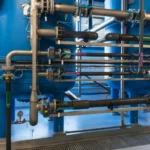
Recent innovations in ballast water treatment systems have focused on enhancing efficiency, reducing environmental impact, and ensuring compliance with international standards. These systems employ a variety of technologies, each with its own advantages and challenges.
Mechanical Treatment Systems
Mechanical treatment systems use physical barriers or processes to remove or deactivate organisms in ballast water. These systems often incorporate filtration and separation technologies, which are effective in removing larger organisms and particles. Mechanical systems are advantageous because they do not rely on chemicals, making them environmentally friendly and less harmful to marine life.
Chemical Treatment Systems
Chemical treatment systems involve the addition of chemicals to ballast water to kill or deactivate organisms. Common chemical treatments include chlorination, ozonation, and the use of biocides. These methods are effective at eliminating a wide range of organisms but require careful management to prevent environmental harm due to chemical residues.
Physical Treatment Systems
Physical treatment systems utilize physical processes, such as ultraviolet (UV) irradiation, heat treatment, or deoxygenation, to neutralize organisms in ballast water. UV irradiation is particularly popular due to its ability to inactivate microorganisms without leaving chemical residues. However, its effectiveness can be limited by water clarity and the presence of suspended particles.
Hybrid Treatment Systems
Hybrid systems combine two or more treatment methods to improve overall efficacy. By integrating mechanical, chemical, and physical processes, hybrid systems can address the limitations of individual technologies and provide a more comprehensive treatment solution. These systems are particularly useful in varying water conditions and are increasingly being adopted by the maritime industry.
The Importance of Water Quality Testing Services
To ensure the effectiveness of ballast water treatment systems, regular water quality testing is essential. Testing services play a critical role in verifying compliance with international regulations and assessing the environmental impact of ballast water discharge.
Regulatory Compliance and Verification
Water quality testing services provide the necessary documentation and verification required by international regulations. Through rigorous testing and analysis, these services confirm that ballast water treatment systems are functioning as intended and meeting the required standards for organism removal and deactivation.
Continuous Monitoring and Improvement
Continuous monitoring of ballast water treatment systems allows for the identification of potential issues and the implementation of corrective measures. By regularly assessing water quality, operators can optimize treatment processes, enhance system performance, and reduce the risk of environmental harm.
Practical Solutions for Ballast Water Management
Implementing an effective ballast water management strategy requires a comprehensive understanding of available treatment technologies and their suitability for specific operational conditions. Here are some practical solutions for optimizing ballast water management:
Selecting the Right Treatment System
Choosing the appropriate ballast water treatment system involves evaluating several factors, including vessel size, operational routes, and water conditions. It is essential to consider the compatibility of the system with existing infrastructure and its ability to meet regulatory requirements.
Training and Education
Educating crew members and operators on the importance of ballast water management and the operation of treatment systems is crucial for ensuring compliance and environmental protection. Training programs should cover system maintenance, monitoring procedures, and emergency response protocols.
Collaboration and Knowledge Sharing
Collaboration between industry stakeholders, regulatory bodies, and environmental organizations is vital for advancing ballast water management practices. Sharing knowledge and experiences can lead to the development of more effective treatment technologies and strategies for minimizing environmental impact.
Conclusion
Innovations in ballast water treatment systems are crucial for protecting marine ecosystems and ensuring the sustainability of global maritime trade. By understanding the complexities of these systems and the importance of water quality testing services, stakeholders can implement effective ballast water management practices that align with international regulations and environmental standards. As the maritime industry continues to evolve, ongoing research and development will be essential for addressing emerging challenges and safeguarding our planet’s precious water resources.
Share this on social media:
Facebook
Twitter
LinkedIn

Related Posts